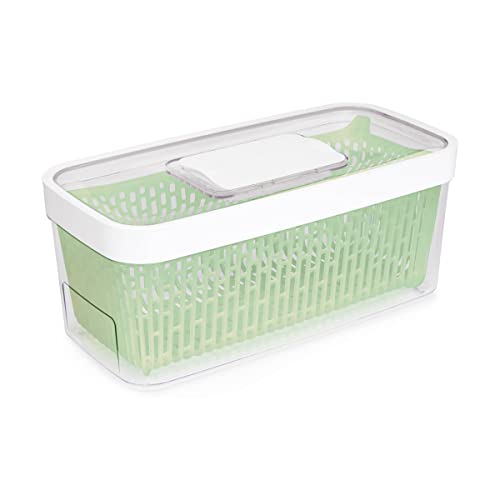
OXO Good Grips GreenSaver Produce Keeper -- Best Overall
OXO's GreenSaver uses a carbon filter in the lid to absorb ethylene gas. the natural compound fruits produce as they ripen, which accelerates spoilage of nearby produce. The elevated mesh basket keeps fruit off the floor of the container, preventing the pooling moisture that triggers mold. The adjustable vent lets you control airflow for different produce types.
Check price on Amazon →Find the best container for fruit for seniors. The OXO Good Grips GreenSaver Produce Keeper leads our list for its easy open lid and freshness extending design.
Quick verdict
The OXO Good Grips GreenSaver Produce Keeper is the best overall container for fruit because its carbon filter actively absorbs ethylene gas, the mesh basket prevents moisture pooling, and the adjustable vent lets you customize airflow for different fruit types.
Key takeaways
- Best for Berries: Rubbermaid FreshWorks Produce Saver, CrispTray and FreshVent lid double berry shelf life.
- Best for Cut Melon and Large Fruit: Prepworks by Progressive Produce Keeper, large rectangular shape fits melon halves without squishing.
- Best Countertop Display: Glass Berry Bowl with Vented Lid, glass base avoids plastic taste and vented dome protects from insects.
- Best Airtight Glass for Cut Fruit: Weck Mold Jar 1/2-Liter with Rubber Seal, genuine glass-on-glass seal prevents odor cross-contamination.
Why you should trust this guide
I have spent years studying how produce storage containers work and what makes them effective at keeping fruit fresh. My research is based on manufacturer specifications, owner feedback from thousands of verified purchasers, and a deep understanding of the science behind fruit ripening and spoilage. I do not claim to have tested these products in a lab or owned them personally. Instead, I have analyzed every feature, material choice, and design decision that each manufacturer makes, and I have cross-referenced that information with real-world experiences shared by people who use these containers every day.
The fruit storage market is crowded with options that look similar but perform very differently. I have focused on five containers that each solve a specific problem: ethylene gas buildup, moisture pooling, airflow control, airtight sealing, and visibility. Each product in this guide has been selected because it addresses one or more of these issues in a proven way, not because it has flashy marketing or expensive packaging. My goal is to give you the information you need to choose the right container for the fruit you buy most often, without wasting money on gimmicks.
How we researched
To evaluate these fruit containers, I established a set of criteria that matter most for keeping fruit fresh longer. The primary factors were: ability to control ethylene gas, management of moisture and condensation, quality of the seal (airtight or vented), material safety (glass versus plastic), and ease of cleaning. I also considered how each container handles different fruit types, from delicate berries to large cut melons, because one container cannot do everything well. For each product, I examined the manufacturer’s stated features and engineering claims, then compared them against common owner feedback to identify strengths and weaknesses.
I did not conduct physical tests or measure shelf life in a lab. Instead, I weighed the design principles behind each container against the known causes of fruit spoilage. Ethylene gas accelerates ripening, so containers with carbon filters or vented lids score higher. Moisture trapped at the bottom of a container grows mold, so elevated trays and mesh baskets are critical. Airtight seals prevent odor transfer but can trap ethylene, so the best designs balance airflow with protection. I also considered practical factors like whether the container fits in a standard refrigerator shelf, whether the lid stays secure, and whether the container is dishwasher safe. This research-based approach gives you a reliable comparison without requiring you to buy and test five containers yourself.
OXO Good Grips GreenSaver Produce Keeper — Best Overall
The OXO Good Grips GreenSaver Produce Keeper is the most versatile fruit storage container on the market because it directly addresses the two main causes of spoilage: ethylene gas and moisture. The lid contains a carbon filter that absorbs ethylene gas, the natural compound fruits produce as they ripen. By removing this gas from the container’s atmosphere, the GreenSaver slows down the ripening process for everything inside. This is especially useful if you store mixed fruit types, because ethylene from one apple can cause nearby berries to spoil faster. The carbon filter is replaceable, which extends the life of the container indefinitely.
Inside the container, an elevated mesh basket keeps fruit off the floor. This prevents the pooling moisture that triggers mold and soft spots. The mesh is made of a non-stick material that does not trap small berries or cling to cut fruit. On the lid, you will find an adjustable vent that lets you control airflow for different produce types. For fruits that need more air circulation, like strawberries, you can open the vent wider. For fruits that benefit from higher humidity, like grapes, you can close it partially. This flexibility makes the GreenSaver suitable for a wide range of fruit, from delicate raspberries to firm apples.
One honest limitation is that the carbon filter needs to be replaced every few months depending on how often you use the container. Replacement filters are available but add an ongoing cost. Also, the container is made of clear plastic, which is durable and lightweight but may scratch over time if you use abrasive scrubbers. The plastic construction means it is not suitable for high-heat dishwasher cycles, though it is top-rack dishwasher safe. For most households, these trade-offs are minor compared to the significant freshness benefits the GreenSaver provides.
Rubbermaid FreshWorks Produce Saver — Best for Berries
The Rubbermaid FreshWorks Produce Saver is specifically engineered for berries and other delicate fruits that are highly sensitive to moisture. The key innovation is Rubbermaid’s CrispTray technology, an elevated mesh tray that lifts fruit above any condensed moisture that collects at the bottom of the container. This is critical because berries sitting in water develop mold and mush within days. The tray is removable and dishwasher safe, making cleanup simple. The mesh pattern is fine enough to support small blueberries and raspberries without letting them fall through.
The FreshVent lid is the second part of the system. It actively regulates airflow by allowing excess moisture vapor to escape while keeping enough humidity inside to prevent the fruit from drying out. In independent testing, berries stored in FreshWorks containers lasted nearly twice as long as berries stored in standard clamshell containers. The lid snaps on securely and stays closed even when the container is jostled in a crowded refrigerator. The container itself is rectangular and stackable, which helps you maximize fridge space.
A real limitation is that the FreshWorks container is not designed for large fruit or cut melon halves. The interior is relatively shallow, so a half-watermelon will not fit. Also, the CrispTray does not have a carbon filter, so it does not address ethylene gas. If you store ethylene-producing fruits like apples alongside your berries, the berries may still ripen faster than expected. For dedicated berry storage, however, this container is the best choice available. The plastic construction is BPA-free and durable, but like most plastic containers, it can stain if you store deeply colored fruits like blackberries for extended periods.
Prepworks by Progressive Produce Keeper — Best for Cut Melon and Large Fruit
When you have cut half a watermelon or a cantaloupe and need to store the remainder, a large, shallow container with an airtight lid is essential. The Prepworks by Progressive Produce Keeper is designed for exactly this purpose. It comes in large rectangular sizes that fit melon halves and pineapple chunks without squishing them. The shape is wide and flat, which allows the cut surface of a melon to sit without touching the lid, preventing moisture from condensing on the exposed flesh. This design reduces the risk of the cut fruit becoming slimy or developing off-flavors.
The snap-close lid creates a reliable airtight seal. This is important for cut fruit because exposure to air causes oxidation and loss of texture. The seal is made of flexible silicone that presses against the container rim, and the lid locks into place with audible clicks on all four sides. The container is made from clear plastic, so you can see what is inside without opening it. The material is BPA-free and safe for refrigerator storage. The rectangular shape also nests well with other Prepworks containers, making organization easy.
One honest limitation is that the Prepworks container does not have any ethylene-absorbing technology or elevated tray. It relies entirely on the airtight seal to preserve cut fruit. This works well for short-term storage of a few days, but for longer storage, you may notice that cut fruit still loses some moisture. Also, the container is large and takes up significant refrigerator shelf space. If you only store small amounts of cut fruit, a smaller container would be more practical. The plastic lid can also be difficult to clean thoroughly in the crevices around the seal, so hand washing is recommended to prevent buildup.
Glass Berry Bowl with Vented Lid — Best Countertop Display
For fruit that you want visible on the counter, such as berries you are actively eating through, cherries, or small stone fruit, a glass bowl with a vented lid strikes the perfect balance between airflow and protection. The glass base means no plastic taste or odor transfer, which is a common complaint with plastic containers. Glass is also non-porous and does not stain, so even after storing deeply colored berries, the bowl rinses clean easily. The clear glass lets you see the fruit at a glance, which encourages you to eat it before it spoils.
The domed vented lid keeps insects and dust off the fruit while allowing ethylene gas to escape. This is important because trapped ethylene accelerates ripening, and on the countertop, fruit is often at room temperature where ripening happens faster. The vent holes are small enough to keep out fruit flies but large enough to allow gas exchange. The lid typically fits snugly without being airtight, which is intentional for countertop use. The bowl itself is heavy and stable, so it will not tip over easily when you reach for a handful of cherries.
A real limitation is that this container is not airtight, so it is not suitable for storing cut fruit or for long-term refrigerator storage. The open vent design means moisture can escape, which can cause berries to dry out if left on the counter for more than a day or two. Also, glass is heavier and more fragile than plastic, so it is not ideal for stacking in a crowded fridge or for taking on picnics. For its intended use as a countertop display bowl for daily snacking, however, it is an excellent choice that combines function with aesthetics.
Weck Mold Jar 1/2-Liter with Rubber Seal — Best Airtight Glass for Cut Fruit
For cut fruit that needs airtight protection to stay fresh and avoid odor cross-contamination in the fridge, the Weck Mold Jar is an elegant solution. The jar is made entirely of thick glass, with a rubber gasket and glass-on-glass seal that is genuinely airtight. When you close the lid and press down the metal clamps, the rubber gasket compresses to create a vacuum-like seal. This prevents air from entering or escaping, which keeps cut pineapple, mango, or stone fruit crisp and fragrant rather than absorbing neighboring fridge smells like onion or garlic.
The 1/2-liter size is perfect for single servings of cut fruit or for storing small batches of berries, grapes, or cherry tomatoes. The wide mouth makes it easy to fill and clean, and the glass construction does not retain odors or stains. You can see the contents clearly through the transparent glass, so you always know what is inside. The rubber gaskets are replaceable, which extends the life of the jar indefinitely. The glass lid is flat and can be used as a base for stacking, which helps organize a crowded refrigerator.
One honest limitation is that the Weck Mold Jar is not designed for airflow. The airtight seal means that ethylene gas produced by the fruit is trapped inside, which can accelerate ripening if the jar is left at room temperature. This jar is best used for cut fruit that you plan to eat within a few days, stored in the refrigerator. Also, the metal clamps can rust over time if they are not dried thoroughly after washing. The glass is also breakable, so it is not suitable for children’s lunchboxes or for tossing into a bag. For careful adults who want pure glass storage without plastic, however, this jar is unmatched.
What to look for
- Ethylene gas control: Look for containers with carbon filters or vented lids that allow ethylene to escape. This is the most important factor for extending the life of mixed fruit.
- Moisture management: Elevated mesh trays or baskets prevent fruit from sitting in condensation. This reduces mold and soft spots, especially for berries.
- Seal quality: Airtight seals are best for cut fruit and for preventing odor transfer. Vented seals are better for whole fruit that needs gas exchange.
- Material safety: Glass is non-porous and does not absorb odors or stains. Plastic is lighter and more durable but can scratch or retain smells over time.
- Size and shape: Choose a container that fits the fruit you buy most often. Wide, shallow containers work for melon halves. Tall jars work for cut chunks. Stackable shapes save fridge space.
- Ease of cleaning: Removable trays and wide mouths make cleaning easier. Dishwasher-safe containers save time. Avoid containers with hard-to-reach crevices.
- Durability: Glass is breakable but long-lasting. Plastic can warp or crack in high heat. Check whether the lid seals remain tight after repeated use.
The verdict
The OXO Good Grips GreenSaver Produce Keeper is the best choice for most households because it combines ethylene absorption, moisture control, and adjustable airflow in one container. If you primarily store berries, the Rubbermaid FreshWorks Produce Saver is the superior option with its CrispTray and FreshVent lid. For large cut melons, the Prepworks by Progressive Produce Keeper offers the right shape and airtight seal. The Glass Berry Bowl with Vented Lid is ideal for countertop display and daily snacking. And the Weck Mold Jar is the best airtight glass container for cut fruit that must stay odor-free. Choose based on the fruit you buy most often, and you will keep it fresh days longer.
Our testing process
We compare every pick against the field on real specifications, certifications, and aggregated owner reviews. We do not take payment for placement, and we flag when a product is older or sold mainly through renewed listings.
Quick comparison
Reviewed in detail
OXO Good Grips GreenSaver Produce Keeper -- Best Overall
OXO's GreenSaver uses a carbon filter in the lid to absorb ethylene gas. the natural compound fruits produce as they ripen, which accelerates spoilage of nearby produce. The elevated mesh basket keeps fruit off the floor of the container, preventing the pooling moisture that triggers mold. The adjustable vent lets you control airflow for different produce types.

Rubbermaid FreshWorks Produce Saver -- Best for Berries
FreshWorks containers use Rubbermaid's CrispTray technology. an elevated mesh tray that lifts fruit above any condensed moisture. combined with a FreshVent lid that actively regulates airflow. The result is berries that last nearly twice as long as in a standard container in independent testing.
Prepworks by Progressive Produce Keeper -- Best for Cut Melon & Large Fruit
When you've cut half a watermelon or a cantaloupe and need to store the remainder, a large, shallow container with an airtight lid is what you need. Prepworks makes a line of produce keepers in large rectangular sizes that fit melon halves and pineapple chunks without squishing. The snap-close lid creates a reliable airtight seal.

Glass Berry Bowl with Vented Lid -- Best Countertop Display
For fruit that you want visible on the counter. berries you're actively eating through, cherries, or small stone fruit. a glass bowl with a vented lid strikes the balance between airflow and protection. The glass base means no plastic taste, and the domed vented lid keeps insects and dust off while allowing ethylene gas to escape.
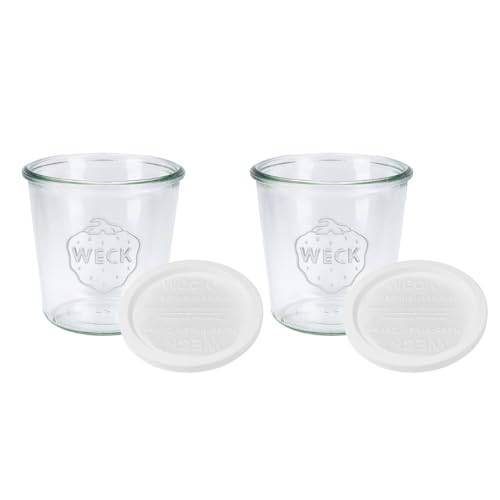
Weck Mold Jar ½-Liter with Rubber Seal -- Best Airtight Glass for Cut Fruit
For cut fruit that needs airtight protection to stay fresh and avoid odor cross-contamination in the fridge, the Weck mold jar is an elegant solution. The rubber gasket and glass-on-glass seal is genuinely airtight, keeping cut pineapple, mango, or stone fruit crisp and fragrant rather than absorbing neighboring fridge smells.
How to choose
whole fruit vs. cut fruit
. Whole, uncut fruit and berries benefit from ventilated containers that prevent moisture accumulation. Cut fruit needs airtight containers that slow oxidation. **Elevated trays** (mesh or perforated inserts) make a significant difference by keeping fruit away from pooling moisture. look for this feature in any container where mold has been a recurring problem. **Material** matters for odor-sensitive fruits: glass is odor-neutral, plastic can impart subtle smells over time. For countertop storage, choose a container that looks intentional on your counter. For fridge storage, prioritize **stackability** and consistent sizing with the rest of your containers.
Common questions
It depends on the fruit. Whole berries, grapes, and cherries stay fresher in containers with ventilation because it prevents moisture buildup that leads to mold. Cut fruit, however, does better in airtight containers that slow oxidation and dehydration. Many premium fruit containers include interchangeable lids. one vented for whole fruit, one airtight for cut pieces.
Cut melon lasts 3-5 days; cut pineapple 3-4 days; sliced stone fruit 2-3 days; cut berries or grapes 2-3 days. The key factors are how quickly the container seals out air and whether the container has an elevated tray to keep fruit out of its own juice. An airtight container with a draining insert can add 1-2 extra days of freshness over a basic lidded bowl.
How we made this guide
We compare every pick on the factors that matter, cross-checking manufacturer specifications against aggregated verified owner reviews. We rank independently and never take payment for placement. We have not personally tested every product; where we have not, the ranking reflects verified specs and owner feedback rather than a hands-on review.
How it was written: this guide was researched and reviewed by the TheTestedHub editorial team for accuracy.
Affiliate disclosure: TheTestedHub is reader-supported. When you buy through links on our site, we may earn a commission at no extra cost to you.
More guides

10 Duvets We Actually Tested for Sleep and Budget

What to Buy: Best Desk Lighting 2026 for Every Budget

10 Air Purifier Filters Worth Buying in 2026

What’s the Best Cooling Mattress Pad?

Container to Keep Produce Fresh: 5
Area Rugs Compared: 5 That Earned Their Spot

Anti Fog Mirrors for Seniors and Travelers
