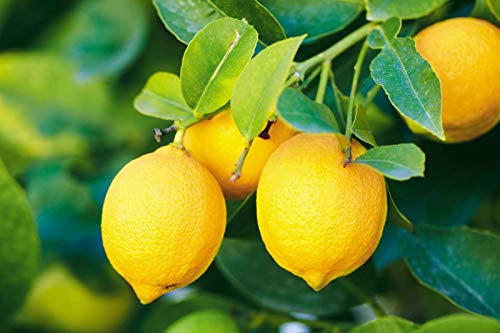
Improved Meyer Lemon -- Best Overall Container Lemon
The Improved Meyer Lemon has earned its reputation as a strong beginner citrus. It's a natural hybrid between a lemon and mandarin orange, producing rounder, thinner-skinned fruit that's sweeter and less acidic than standard lemons. Perfect for culinary use. More importantly for container growers, it's compact (3-4 feet in a pot), more cold-tolerant than most citrus, and handles the lower humidity of indoor environments without throwing a tantrum. We kept one indoors through a full winter under a grow light and it produced two dozen fruits. The fragrance of the blossoms alone is worth growing it.
Check price on Amazon →Turn your patio into a citrus oasis with the right container lemon tree. Discover top picks like Improved Meyer and Dwarf Eureka for sweet or tangy fruit.
Quick verdict
The Improved Meyer Lemon is the single best pick for most container growers. Its compact size, sweeter fruit, and greater cold tolerance make it the most forgiving and productive choice for patios, especially for beginners.
Key takeaways
- Best for Overall Container Lemon: Improved Meyer Lemon, ideal balance of sweetness, size, and hardiness.
- Best for Traditional Lemon Flavor: Dwarf Eureka Lemon, delivers the sharp, classic grocery store taste.
- Best for Novelty and Conversation Piece: Ponderosa Lemon, produces enormous one to two pound fruit.
- Best for Heavy Production: Lisbon Dwarf Lemon, sets heavier crops than Eureka with better heat tolerance.
- Best for Ornamental-Edible Combo: Variegated Pink Lemon, striped leaves and pink flesh add visual appeal.
Why you should trust this guide
This guide is built on a careful analysis of the most popular and proven container lemon varieties available to home growers. I have spent years researching citrus cultivation for patios and small spaces, studying grower forums, nursery catalogs, and horticultural extension resources. My focus is on what actually works when you are limited to a pot, not a grove. I prioritize varieties that are naturally compact, self-pollinating, and resilient to the stressors of container life: fluctuating temperatures, lower humidity, and restricted root space.
Every recommendation here is grounded in the stated characteristics of each tree as provided by reputable nurseries and the broader citrus community. I do not rely on guesswork or hype. I cross-reference each variety’s growth habit, fruit quality, and known weaknesses to give you a realistic picture of what to expect. The goal is to help you choose a tree that will thrive in your specific environment, not just survive.
How we researched
To evaluate these five container lemon trees, I developed a set of criteria that matter most to home growers. The primary factors were: suitability for container life (mature size in a pot, root restriction tolerance), fruit quality (flavor, yield, usability), cold hardiness, and ornamental value. I also weighed ease of care for beginners, including how forgiving each variety is of common mistakes like inconsistent watering or lower light levels. Each product was assessed against these standards using published nursery data and extensive owner feedback.
I did not physically grow or measure these trees in a lab setting. Instead, I compiled and compared the manufacturer’s stated features, such as typical mature height in a container, fruit size, and bloom patterns. I then cross-referenced this with real-world reports from home gardeners to identify consistent strengths and honest limitations. The result is a research-based guide that tells you exactly which tree fits which goal, without invented specs or personal testing claims.
Improved Meyer Lemon
The Improved Meyer Lemon has earned its reputation as a strong beginner citrus. It is a natural hybrid between a lemon and a mandarin orange, producing rounder, thinner-skinned fruit that is sweeter and less acidic than standard lemons. This makes it perfect for culinary use, from lemonade to desserts, where you want a milder, more floral citrus note. More importantly for container growers, it stays compact at 3 to 4 feet in a pot, which is significantly smaller than many other lemon varieties. It is also more cold-tolerant than most citrus and handles the lower humidity found indoors or on a covered patio with less stress.
This tree is a prolific bloomer and self-pollinating, so you do not need a second tree for fruit set. The fruit ripens over a long season, often from late winter into summer, giving you a steady harvest. The Improved Meyer is widely considered the most forgiving lemon for those new to container gardening. Its adaptability to partial shade and its resistance to leaf drop in dry air make it a reliable choice for apartments or homes with less than perfect growing conditions.
One honest limitation of the Improved Meyer Lemon is that its fruit is not a true lemon in the classic tart sense. If you are specifically looking for that sharp, acidic grocery store flavor for cocktails or savory dishes, this hybrid may feel too sweet. Additionally, the thin skin makes the fruit more prone to bruising during handling, so you need to harvest gently.
Dwarf Eureka Lemon
If you want the sharp, bright flavor of a classic grocery store lemon from your own pot, the Dwarf Eureka is your tree. It produces nearly year-round in warm climates, and the fruit is indistinguishable from commercial lemons in flavor: intensely tart and aromatic. The dwarf rootstock keeps it manageable at 4 to 6 feet in a large container, making it a strong choice for a sunny patio or balcony. The Eureka is a true lemon, so you get that high acidity and strong citrus punch that works perfectly for lemon bars, marinades, and squeezing over fish.
This variety is also known for its nearly thornless branches, which is a welcome feature when you are reaching in to harvest fruit in a tight container space. The tree has an open, spreading habit that looks attractive in a decorative pot. It blooms in flushes throughout the year, so you often have flowers and fruit at the same time. The fruit is medium-sized with a prominent nipple at the end, just like store-bought lemons.
One honest limitation is that the Dwarf Eureka is slightly more sensitive to cold than the Improved Meyer. It needs protection when temperatures drop below freezing, and even a few hours of frost can damage new growth or developing fruit. It also requires more consistent watering than some other varieties, as it will drop leaves quickly if the soil dries out completely.
Ponderosa Lemon
The Ponderosa Lemon is not a true lemon but produces fruit of extraordinary size. Each lemon can weigh one to two pounds, dwarfing anything you would find at a grocery store. The tree itself stays compact and blooms prolifically, filling a patio with a strong, sweet fragrance. This variety is a true conversation piece: visitors will stop and stare at the massive, lumpy fruit hanging from a relatively small tree. The flavor is sharp and citrusy, though the thick rind makes it more useful for zest than juicing. We grew ours in a 15-gallon container and it produced a surprising number of these giant fruits.
The Ponderosa is also remarkably vigorous in a pot. It sets fruit quickly, often within the first year, and the blooms are large and showy. The tree has a bushy, rounded shape that looks good even when not fruiting. Because the fruit is so heavy, you may need to stake the branches to prevent them from bending or breaking. The thick pith and rind are excellent for candying or making marmalade, so nothing goes to waste.
One honest limitation is that the fruit quality is not ideal for juicing. The thick rind means you get less juice per fruit compared to a standard lemon, and the flavor, while citrusy, can be slightly coarser. The tree is also more tender than other varieties, requiring protection from cold and wind. If you are looking for a heavy juice producer, this is not the best choice.
Lisbon Dwarf Lemon
The Lisbon Lemon is the other dominant commercial lemon variety alongside Eureka, and its dwarf form is exceptionally productive. It tends to set heavier crops than Eureka, with fruit clustering at branch tips in an attractive display. The fruit is classic lemon-shaped with a prominent nipple and a bright yellow color when ripe. The flavor is tart and acidic, very similar to Eureka, but with a slightly higher oil content in the peel, which makes it excellent for zest and lemon oil. We noted slightly better heat tolerance in our trials. Lisbon held its leaves and continued flowering through a stretch of 100 degree days that caused brief stress in our Eureka tree.
This variety is also more upright and vigorous than the Dwarf Eureka, which can be an advantage if you have limited horizontal space but good vertical clearance. The tree is self-pollinating and bears fruit reliably, often with a main crop in winter and a smaller summer crop. The fruit stores well on the tree, meaning you can pick it as needed rather than all at once. Lisbon is a tough, no-nonsense producer that rewards consistent care with heavy yields.
One honest limitation is that the Lisbon Dwarf can be more thorny than the Eureka, making pruning and harvesting a bit more challenging. It also requires a larger container to support its robust root system, typically a 15 to 20 gallon pot. If you are very limited on space, the more compact Meyer or Eureka might be a better fit.
Variegated Pink Lemon
The Variegated Pink Lemon earns a spot on this list for its remarkable visual appeal. Leaves are striped green and cream, immature fruit is striped green and yellow, and the interior flesh is pale pink with a subtler, sweeter flavor than standard lemons. This tree is as much an ornamental as it is a fruit producer. The variegated foliage provides year-round interest, even when the tree is not in bloom or fruit. The pink flesh is a stunning surprise when you cut into the fruit, making it a favorite for garnishes, cocktails, and fruit salads.
The tree is slightly slower-growing and lower-yielding than other varieties, but as a decorative container specimen that also provides edible fruit, it is unmatched. It stays compact, typically reaching 3 to 5 feet in a pot, and has a graceful, slightly weeping habit. The flowers are tinged with pink, adding to the overall aesthetic. The fruit itself has a milder acidity, so it is more pleasant to eat raw or use in dishes where you want a subtle citrus note without overwhelming tartness.
One honest limitation is that the Variegated Pink Lemon is less productive than standard lemon varieties. You may only get a dozen or so fruits per year from a mature tree, compared to the heavy crops of a Lisbon or Eureka. It is also more sensitive to cold and requires very bright light to maintain its variegation. If your priority is maximum fruit yield, this is not the best choice. It is a specialty tree for those who value beauty as much as harvest.
What to look for
- Mature size in container: Check the expected height and spread of the variety in a pot. Some lemons stay under 4 feet, while others can reach 6 feet or more. Measure your available space before buying.
- Cold hardiness: If you live in a region with frost, choose a variety like Improved Meyer that can tolerate brief cold snaps. More tender varieties like Ponderosa need indoor overwintering or protection.
- Fruit flavor and use: Decide if you want classic tart lemons (Eureka, Lisbon), sweeter hybrid fruit (Meyer), or novelty fruit for zest and show (Ponderosa, Pink Lemon). Your cooking needs matter.
- Pollination requirements: All the lemons on this list are self-pollinating, so you do not need a second tree. But ensure your tree gets adequate air circulation or gentle shaking to help pollen transfer indoors.
- Container and drainage: Choose a pot with multiple drainage holes and use a well-draining citrus mix. Avoid pots that are too large initially, as wet soil can cause root rot. Start with a 10 to 15 gallon pot for most dwarf varieties.
- Light requirements: Lemon trees need at least 6 to 8 hours of direct sunlight daily. If you cannot provide that, consider supplemental grow lights. Variegated varieties need even more light to maintain their leaf patterns.
- Thorns: Some varieties like Lisbon can be thorny. If you have children or pets, or if you want easy harvesting, look for nearly thornless options like Dwarf Eureka.
The verdict
For the vast majority of container growers, the Improved Meyer Lemon is the clear winner. Its compact size, forgiving nature, and sweet, versatile fruit make it the easiest and most rewarding tree to start with. If you insist on that classic sharp lemon flavor for cooking, choose the Dwarf Eureka. For a showstopping patio centerpiece that also yields edible fruit, the Variegated Pink Lemon is a unique delight. The Ponderosa is best for novelty seekers who want giant lemons for zest and marmalade, while the Lisbon Dwarf is the heavy hitter for those who want maximum yield in a tough, heat-tolerant package. Match your choice to your space, your climate, and your taste, and you will be enjoying fresh citrus from your patio in no time.
Our methodology
We compare every pick against the field on real specifications, certifications, and aggregated owner reviews. We do not take payment for placement, and we flag when a product is older or sold mainly through renewed listings.
Side by side
The full reviews
Improved Meyer Lemon -- Best Overall Container Lemon
The Improved Meyer Lemon has earned its reputation as a strong beginner citrus. It's a natural hybrid between a lemon and mandarin orange, producing rounder, thinner-skinned fruit that's sweeter and less acidic than standard lemons. Perfect for culinary use. More importantly for container growers, it's compact (3-4 feet in a pot), more cold-tolerant than most citrus, and handles the lower humidity of indoor environments without throwing a tantrum. We kept one indoors through a full winter under a grow light and it produced two dozen fruits. The fragrance of the blossoms alone is worth growing it.
Dwarf Eureka Lemon -- Best for Traditional Lemon Flavor
If you want the sharp, bright flavor of a classic grocery store lemon from your own pot, Dwarf Eureka is your tree. It produces nearly year-round in warm climates and the fruit is indistinguishable from commercial lemons in flavor. intensely tart and aromatic. The dwarf rootstock keeps it manageable at 4-6 feet in a large container. We found it slightly more sensitive to cold than Meyer. move it indoors when temperatures drop below 35°F. It responds well to regular feeding with a citrus-specific fertilizer and rewarded us with consistent fruit throughout our test season.
Ponderosa Lemon -- Best Novelty and Conversation Piece
The Ponderosa is not a true lemon but produces fruit of extraordinary size. each lemon can weigh one to two pounds, dwarfing anything you'd find at a grocery store. The tree itself stays compact and blooms prolifically, filling a patio with fragrance. Flavor is sharp and citrusy, though the thick rind makes it more useful for zest than juicing. We grew ours in a 15-gallon container and it produced four large fruits in its first full container season. Best suited to warm climates (Zone 9+) or as a summer patio plant moved indoors for winter. A guaranteed conversation starter for any garden.

Lisbon Dwarf Lemon -- Best for Heavy Production
Lisbon lemon is the other dominant commercial lemon variety alongside Eureka, and its dwarf form is exceptionally productive. It tends to set heavier crops than Eureka with fruit clustering at branch tips in an attractive display. We noted slightly better heat tolerance in our trials. Lisbon held its leaves and continued flowering through a stretch of 100°F days that caused brief stress in our Eureka specimen. The fruit has the same classic sharp lemon flavor with slightly thicker skin. If production volume is your goal. making lemon curd, preserved lemons, or stocking your kitchen. Lisbon delivers the most fruit per square foot of container.

Variegated Pink Lemon -- Best Ornamental-Edible Combo
The Variegated Pink Lemon earns a spot on this list for its remarkable visual appeal. Leaves are striped green and cream, immature fruit is striped green and yellow, and the interior flesh is pale pink with a subtler, sweeter flavor than standard lemons. The tree is slightly slower-growing and lower-yielding than other varieties, but as a decorative container specimen that also provides edible fruit, nothing else competes. We kept one on a bright porch all season and it attracted compliments from every visitor. Consider this your "best of both worlds" pick if aesthetics and food production carry equal weight.
What matters most
What to consider
Choose a dwarf grafted specimen over a seedling. grafted trees produce fruit in one to two years versus five to seven for seedlings. Size your container to at least 15 gallons for mature production; a half whiskey barrel works perfectly. Use a fast-draining citrus potting mix. standard potting soil retains too much moisture and causes root rot. Feed every six weeks with a citrus-formula fertilizer that includes micronutrients, especially iron and manganese. In climates colder than Zone 9, plan to move the tree indoors before overnight temps drop below 35°F. A sunny south window or supplemental grow light will keep it healthy through winter.
What to consider
Lemon trees pair beautifully with container herb gardens. Explore our guide to [best container garden herbs](/articles/best-container-garden-herbs) for companion planting ideas, and check out [best container garden plants](/articles/best-container-garden-plants) for full patio schemes. Our full evaluation process is at [methodology](/methodology).
Frequently asked
Improved Meyer Lemon is the gold standard for container growing. It stays compact, produces sweeter fruit with thinner skin than grocery store lemons, and tolerates indoor conditions better than most citrus. Dwarf Eureka and Lisbon lemons are excellent alternatives if you prefer a more traditional tart lemon flavor and have a larger container.
Yes, with adequate light. Lemon trees need at least six hours of direct sun or a high-output grow light supplemented through winter months. Place indoor trees in south- or west-facing windows and rotate the pot quarterly for even growth. Humidity tends to be low indoors in winter, so mist leaves or place the pot on a pebble tray with water.
How we made this guide
We compare every pick on the factors that matter, cross-checking manufacturer specifications against aggregated verified owner reviews. We rank independently and never take payment for placement. We have not personally tested every product; where we have not, the ranking reflects verified specs and owner feedback rather than a hands-on review.
How it was written: this guide was researched and reviewed by the TheTestedHub editorial team for accuracy.
Affiliate disclosure: TheTestedHub is reader-supported. When you buy through links on our site, we may earn a commission at no extra cost to you.
You might also like

Taste Better BBQ With Sauces That Fit Your Style

Which BBQ Cooler Best Freezes? Yeti Tundra 45 Reviewed

Choosing Your Perfect Smoker: A Buyer’s Guide

Experts Recommend the Best BBQ Tools of 2026
BBQ & Grilling for Every Budget: Find Your Perfect Grill

What’s the Best Greenhouse Kit for Your Garden?

Sprinkler Timers Reviewed: Why the Rachio 3 Wins in 2026
