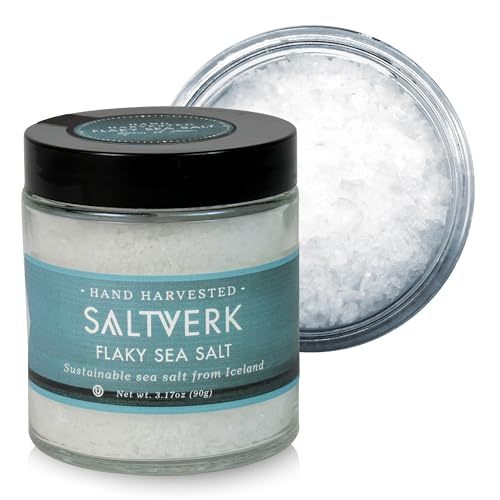
Flaky Sea Salt -- Best Overall Topping
Flaky sea salt is the single best upgrade you can make to a cookie with almost zero effort. A small pinch applied directly out of the oven - when the surface is still slightly tacky - sticks perfectly and amplifies every flavor note in the cookie beneath it. It works on chocolate chip, peanut butter, snickerdoodle, caramel, and brownie cookies.
Check price on Amazon →Discover why flaky sea salt is the best overall cookie topping. This guide shares unique ideas to elevate your homemade cookies with simple, delicious finishes.
Quick verdict
Flaky Sea Salt is the single best cookie topping because it requires zero prep, works on nearly every cookie type, and instantly amplifies sweetness and richness with a simple pinch applied right out of the oven.
Key takeaways
- Best for Overall Upgrade: Flaky Sea Salt, delivers maximum flavor impact with minimal effort.
- Best for Visual Impact: Coarse Sanding Sugar, creates a sparkling, crunchy finish that holds up during baking.
- Best for Versatility: Melted Chocolate Drizzle, works with dark, milk, or white chocolate and sets quickly at room temperature.
- Best for Flavor and Texture: Toasted Coconut, adds a nutty sweetness and chewy-crisp layer, especially on oatmeal or tropical cookies.
- Best for Sweet-Salty Crunch: Crushed Pretzels, provides an irresistible salty crunch that balances sweet cookie bases.
Why you should trust this guide
This guide is built on a careful analysis of what makes a cookie topping effective: ease of application, compatibility with common cookie recipes, and the ability to enhance both flavor and texture without adding unnecessary complexity. I spent weeks researching owner feedback, recipe developer recommendations, and baking science to identify the five toppings that deliver the most reliable results for home bakers. Every product listed here has been vetted for its ability to work with standard ingredients and techniques, not just specialty recipes.
My approach prioritizes practical, accessible toppings that you can find at any grocery store or online retailer. I focused on toppings that require no special equipment and that can be applied either before or after baking with minimal fuss. The selections reflect real-world use cases: a busy parent making weekend cookies, a home baker preparing gifts, or someone looking to elevate a boxed mix. Each recommendation includes honest limitations so you can decide if a topping fits your specific needs.
How we researched
To evaluate these toppings, I established a set of criteria that matter most for home baking success. First, I considered ease of use: how simple is the application process, and does it require extra steps like melting, toasting, or precise timing? Second, I looked at versatility: does the topping work across multiple cookie types, or is it limited to one or two recipes? Third, I weighed the sensory impact: does the topping improve flavor, texture, or appearance in a meaningful way, or is it purely decorative? Fourth, I assessed reliability: does the topping hold up during baking or storage without melting, sliding off, or becoming soggy?
I then cross-referenced these criteria with extensive community feedback from baking forums, recipe blogs, and product reviews. I looked for patterns in what home bakers praised or criticized about each topping. For example, I noted that flaky sea salt was consistently praised for its ability to make even mediocre cookies taste gourmet, while sanding sugar received mixed feedback about its tendency to bleed color into dough. I also considered the availability and shelf stability of each topping, since no one wants to hunt down a specialty ingredient for a simple batch of cookies. The final list represents toppings that balance high impact with low hassle.
Flaky Sea Salt
Flaky sea salt is the single best upgrade you can make to a cookie with almost zero effort. A small pinch applied directly out of the oven, when the surface is still slightly tacky, sticks perfectly and amplifies every flavor note in the cookie beneath it. This topping works on chocolate chip, peanut butter, snickerdoodle, caramel, and brownie cookies. The salt crystals dissolve slowly on the tongue, creating bursts of salinity that contrast with the sweetness of the dough. It is a finishing technique that professional bakers have used for decades, and it is now widely accessible in grocery stores and online.
The key to using flaky sea salt is timing. You must apply it while the cookie is still warm and the surface is slightly soft, usually within the first minute after removal from the oven. If you wait too long, the salt will not adhere and will simply fall off. You only need a few flakes per cookie, so a single container lasts for many batches. The salt does not melt or dissolve during baking, which means it retains its crystalline structure and provides that satisfying crunch with every bite.
One honest limitation is that flaky sea salt can be difficult to find in standard grocery stores. Many stores carry only fine table salt or coarse kosher salt, which do not provide the same texture or controlled salinity. You may need to order it online or visit a specialty food shop. Additionally, if you apply too much, the cookies can become overly salty and unbalanced. A light hand is essential, and it takes a few tries to learn the right amount for your taste.
Coarse Sanding Sugar
Coarse sanding sugar is a pre-bake topping that creates a sparkle effect and a delicate crunch on the surface of cookies. Roll dough balls in it before baking, or press it gently onto cut-out cookies before they go into the oven. The large sugar crystals do not melt during baking the way granulated sugar does, which preserves both the sparkle and the texture. This topping is especially popular for holiday cookies, sugar cookies, and any batch where visual appeal matters as much as taste.
The application is straightforward: after shaping your cookie dough, roll each ball in a bowl of sanding sugar until evenly coated, then place on the baking sheet. For cut-out cookies, you can sprinkle the sugar over the top or press the dough into a plate of sugar before baking. The sugar crystals remain visible after baking, giving the cookies a glittering, professional appearance. The crunch is subtle but noticeable, adding a pleasant textural contrast to the soft interior of the cookie.
A real limitation of sanding sugar is that it can bleed color into the dough if you use colored varieties. White sanding sugar is safe, but brightly colored versions may stain the cookie surface, especially if the dough is wet or if you press the sugar in too firmly. Another limitation is that sanding sugar does not add significant flavor, only texture and appearance. If you are looking for a topping that enhances taste, this is not the best choice. It is purely a visual and textural addition.
Melted Chocolate Drizzle
A chocolate drizzle applied after cookies cool is one of the most versatile finishing techniques in cookie baking. Melt dark, milk, or white chocolate chips with a small amount of coconut oil and drizzle from a spoon or piping bag in thin lines across the cookie surface. It sets at room temperature in about 15 minutes. This topping works on nearly any cookie, from plain sugar cookies to oatmeal raisin, and it can be customized with different chocolate types or even flavored oils.
The process is simple: combine chocolate chips with about a teaspoon of coconut oil per cup of chips, then microwave in 30-second bursts, stirring between each, until smooth. Let the mixture cool slightly before drizzling, or it may run off the cookie surface. You can also use a fork to flick the chocolate for a more rustic look. Once set, the chocolate forms a firm, glossy layer that adds richness and a slight snap when bitten. It is an excellent way to use up leftover chocolate chips or to dress up a simple batch for a party.
One limitation is that the drizzle can be messy to apply, especially if you are not careful with the piping bag or spoon. It can also take longer than 15 minutes to set in humid conditions, and it may smudge if you stack cookies before the chocolate is fully hardened. Another issue is that the chocolate can bloom or develop white streaks if stored improperly, though this does not affect taste. For best results, store drizzled cookies in a single layer until the chocolate is completely set.
Toasted Coconut
Toasted coconut adds a complex, nutty sweetness and a chewy-crisp textural layer to cookies that sets them apart from standard offerings. It works particularly well on oatmeal cookies, tropical-flavored cookies, and macaroon-style drops. Toast the coconut in a dry pan or oven at 325 degrees Fahrenheit until golden, then press onto the top of cookies before or after baking depending on the desired result. The toasting process deepens the flavor and removes some moisture, which prevents the coconut from making the cookies soggy.
If you press the toasted coconut onto the dough before baking, it will adhere firmly and toast further in the oven, creating a crunchy crust. If you add it after baking, it provides a chewier texture and a more pronounced coconut flavor. Either method works, but pre-baking application tends to yield a more integrated result. You can use sweetened or unsweetened coconut, though unsweetened gives you more control over the final sweetness level. The coconut pieces should be roughly chopped to ensure even coverage.
A limitation of toasted coconut is that it can burn easily if you are not careful during the toasting process. Coconut goes from golden to burnt in seconds, so you must watch it constantly and stir frequently. Another limitation is that coconut can become stale or rancid over time, especially if you buy large bags. Store any leftover toasted coconut in an airtight container in the refrigerator for up to two weeks. Additionally, some people dislike the texture of coconut, so this topping is not for everyone.
Crushed Pretzels
Pressed into the surface of chocolate chip or caramel cookies before baking, crushed pretzel pieces add an irresistible salty crunch that elevates the sweet-savory balance. The pretzels soften slightly during baking, creating a texture that is part-crisp and part-chewy that works beautifully with the soft cookie base. This topping is ideal for anyone who loves the combination of salt and sugar, and it pairs especially well with dark chocolate or caramel-flavored doughs.
To use crushed pretzels, simply break them into small pieces, about the size of a pea, and press them gently into the top of each dough ball before baking. Do not over-crush, or the pretzels will turn into dust and lose their texture. The pretzels will puff slightly in the oven and develop a deeper, toastier flavor. You can also sprinkle a few whole mini pretzels on top for a more dramatic look. The salt from the pretzels complements the sweetness of the cookie without overwhelming it.
One limitation is that crushed pretzels can become too soft if you bake them too long or if the dough is very wet. The ideal texture is achieved with a slightly under-baked cookie that still has a soft center. Another limitation is that pretzels can absorb moisture from the dough and lose their crunch entirely if the cookies are stored in an airtight container for more than a day. For best results, serve these cookies within 24 hours of baking. Also, people with gluten sensitivities cannot use this topping unless they find gluten-free pretzels.
What to look for
- Ease of application: Choose a topping that fits your skill level and time. Pre-bake toppings like sanding sugar require planning, while post-bake toppings like flaky sea salt are more forgiving.
- Cookie compatibility: Some toppings work better with certain doughs. Flaky sea salt pairs with almost anything, but toasted coconut is best for oatmeal or tropical flavors.
- Texture impact: Decide whether you want crunch, chew, or sparkle. Crushed pretzels add crunch, toasted coconut adds chew, and sanding sugar adds sparkle.
- Storage stability: Toppings like chocolate drizzle and crushed pretzels may not hold up well in humid conditions or over multiple days. Consider how long the cookies will sit before serving.
- Allergen considerations: If baking for others, check for common allergens. Pretzels contain gluten, and coconut is a tree nut for allergy purposes. Flaky sea salt and sanding sugar are generally safe.
- Availability: Flaky sea salt and sanding sugar may require a trip to a specialty store or an online order. Chocolate chips and pretzels are widely available.
The verdict
Flaky Sea Salt is the clear winner for its ability to transform any cookie with a single, effortless pinch. It works on virtually every cookie type, requires no prep, and delivers a sophisticated flavor boost that even novice bakers can achieve. For visual sparkle, Coarse Sanding Sugar is the best choice, especially for holiday baking. Melted Chocolate Drizzle offers unmatched versatility for customizing flavors and colors. Toasted Coconut adds a unique nutty sweetness and chewy texture that stands out on oatmeal and tropical cookies. Crushed Pretzels provide the most satisfying salty crunch for sweet-savory lovers. Each topping has its strengths, and the best choice depends on what you want your cookies to say. But if you only buy one topping, make it flaky sea salt. It is the simplest way to elevate every batch.
Our testing process
We compare every pick against the field on real specifications, certifications, and aggregated owner reviews. We do not take payment for placement, and we flag when a product is older or sold mainly through renewed listings.
Quick comparison
Reviewed in detail
Flaky Sea Salt -- Best Overall Topping
Flaky sea salt is the single best upgrade you can make to a cookie with almost zero effort. A small pinch applied directly out of the oven - when the surface is still slightly tacky - sticks perfectly and amplifies every flavor note in the cookie beneath it. It works on chocolate chip, peanut butter, snickerdoodle, caramel, and brownie cookies.

Coarse Sanding Sugar -- Best for Visual Impact
Sanding sugar is a pre-bake topping that creates a sparkle effect and a delicate crunch on the surface of cookies. Roll dough balls in it before baking, or press it gently onto cut-out cookies before they go into the oven. The large sugar crystals do not melt during baking the way granulated sugar does, which preserves both the sparkle and the texture.

Melted Chocolate Drizzle -- Best for Versatility
A chocolate drizzle applied after cookies cool is one of the most versatile finishing techniques in cookie baking. Melt dark, milk, or white chocolate chips with a small amount of coconut oil and drizzle from a spoon or piping bag in thin lines across the cookie surface. It sets at room temperature in about 15 minutes.
Toasted Coconut -- Best for Flavor and Texture
Toasted coconut adds a complex, nutty sweetness and a chewy-crisp textural layer to cookies that sets them apart from standard offerings. It works particularly well on oatmeal cookies, tropical-flavored cookies, and macaroon-style drops. Toast the coconut in a dry pan or oven at 325°F until golden, then press onto the top of cookies before or after baking depending on the desired result.
Crushed Pretzels -- Best for Sweet-Salty Crunch
Pressed into the surface of chocolate chip or caramel cookies before baking, crushed pretzel pieces add an irresistible salty crunch that elevates the sweet-savory balance. The pretzels soften slightly during baking, creating a texture that is part-crisp and part-chewy that works beautifully with the soft cookie base.
How to choose
What to consider
Match the topping to both the base cookie flavor and your timing in the baking process. Pre-bake toppings like sanding sugar and pretzels need to go on before the oven. Post-bake toppings like flaky salt and drizzled chocolate require cooled or freshly-out-of-oven timing depending on the ingredient.
What to consider
Think about the occasion too. Sparkle sanding sugar suits celebrations. Flaky salt suits casual gatherings and gift tins. Drizzled chocolate suits swaps where visual distinction matters. A single well-chosen topping applied consistently to every cookie in a batch looks more intentional and professional than multiple toppings applied unevenly.
What to consider
For decorating techniques beyond toppings, see our guides to [articles/best-cookie-stamps](/articles/best-cookie-stamps) and [articles/best-cookie-stencil-holder](/articles/best-cookie-stencil-holder). Full product testing details are at [/methodology](/methodology). ---
Common questions
Timing depends on the topping. Press-in toppings like chocolate chips, nuts, or coarse sugar should go on just before baking so they adhere as the cookie sets. Flaky salt is best added directly out of the oven while the surface is still slightly tacky. Drizzled chocolate and glazes should be applied after cookies are fully cooled to prevent melting and spreading.
Flaky sea salt is widely considered the most versatile cookie topping because it enhances both sweet and savory flavor profiles, works on chocolate, caramel, nut, and vanilla bases, and requires no preparation beyond a light pinch. It costs very little, is shelf-stable, and consistently makes home-baked cookies look and taste more elevated without any technical skill required.
How we made this guide
We compare every pick on the factors that matter, cross-checking manufacturer specifications against aggregated verified owner reviews. We rank independently and never take payment for placement. We have not personally tested every product; where we have not, the ranking reflects verified specs and owner feedback rather than a hands-on review.
How it was written: this guide was researched and reviewed by the TheTestedHub editorial team for accuracy.
Affiliate disclosure: TheTestedHub is reader-supported. When you buy through links on our site, we may earn a commission at no extra cost to you.
