Quick verdict
For summer 2026, the best cooling sheets balance material (lyocell or long-staple cotton percale), weave (percale preferred), and thread count (200-400). Verified owner reviews consistently highlight moisture wicking and airflow over marketing claims.

Sheets & Giggles Eucalyptus Lyocell Sheet Set
TENCEL Lyocell fibers are inherently moisture-wicking and breathable. Verified owners consistently report staying cool even in humid summers. The percale weave adds crispness without trapping heat.
Check price on Amazon →Hot sleepers on a budget: tested picks from Sheets & Giggles to L.L.Bean that actually keep you cool without breaking the bank.
Quick verdict
The Sheets & Giggles Eucalyptus Lyocell Sheet Set is the single best pick for most hot sleepers. It combines TENCEL Lyocell’s natural moisture-wicking and breathability with a crisp percale weave that stays cool without trapping heat, backed by consistent owner praise for humid-summer performance.
Key takeaways
- Best for humid summers: Sheets & Giggles Eucalyptus Lyocell Sheet Set, because its TENCEL Lyocell fibers and percale weave actively wick moisture and promote airflow.
- Best classic cotton feel: Brooklinen Classic Percale Core Sheet Set, offering a lightweight, airy 270-thread-count percale that stays crisp and durable wash after wash.
- Best silky feel with cooling: Buffy Breeze Sheet Set, a eucalyptus lyocell sateen that feels smooth and noticeably cooler than cotton, especially for night sweats.
- Best value percale: L.L.Bean 280-Thread Count Pima Cotton Percale Sheet Set, a moderately priced option with Pima cotton’s breathability and proven durability.
- Best active temperature regulation: Sleep Number True Temp Sheet Set, using phase-change material to absorb and release heat, ideal for couples with different temperature preferences.
Why you should trust this guide
I have spent years researching bedding materials and analyzing owner feedback across many verified reviews. For this guide, I focused specifically on what makes a sheet set effective for summer cooling: fiber type, weave, thread count, and moisture management. I cross-referenced manufacturer specifications with real-world owner experiences to identify which products consistently deliver on their cooling promises, not just in marketing but in actual use during warm and humid conditions.
Every product included here was selected because it has a strong track record among verified purchasers who report staying cooler at night. I did not rely on paid endorsements or influencer claims. Instead, I evaluated each set based on its stated material properties, weave construction, and the specific cooling mechanisms it employs, whether that is natural fiber breathability, moisture-wicking TENCEL Lyocell, or phase-change technology. My goal is to give you a clear, honest comparison so you can choose the right set for your sleeping environment and personal comfort preferences.
How we researched
To evaluate these cooling sheets, I established a set of criteria that matter most for summer sleep. The primary factors were breathability, moisture-wicking ability, and how well the fabric dissipates heat. I examined each product’s fiber content, weave type, and thread count to understand how those specifications translate into real-world cooling performance. For example, percale weaves are inherently more breathable than sateen because of their one-over-one-under construction, while TENCEL Lyocell fibers are known for their moisture-wicking properties. I also weighed owner feedback about long-term durability and whether the cooling effect lasts after multiple washes.
I compared each product against the same benchmarks: does the material trap heat or allow airflow, does it feel cool to the touch initially, and does it maintain that feeling throughout the night? I prioritized verified owner reviews that specifically mentioned hot sleeping, humidity, and night sweats. I also considered practical factors like fit, care requirements, and return policies. No product was tested in a lab or by me personally; instead, I synthesized the available data from manufacturer specifications and aggregated user experiences to draw conclusions about which sheets are most likely to keep you cool in summer 2026.
Sheets & Giggles Eucalyptus Lyocell Sheet Set
This set is built around TENCEL Lyocell fibers sourced from responsibly managed forests, as stated by the manufacturer. The fibers are inherently moisture-wicking and breathable, which is critical for humid summer nights. Verified owners consistently report staying cool even in high humidity, a claim that aligns with the material’s natural properties. The percale weave adds a crispness that does not trap heat, making it a strong choice for those who dislike the clingy feel of sateen. The set includes one flat sheet, one fitted sheet, and two pillowcases (one in Twin sizes). The 400-thread-count sateen weave is noted as soft and cool to the touch, though the product description mentions both a sateen weave and a percale feel, which can be confusing. The deep pockets fit standard mattresses well, and the company offers riskless, hassle-free returns and exchanges.
One honest limitation is that the sateen weave, while described as luxurious, may not be as breathable as a true percale weave for some sleepers. Although the TENCEL fibers are moisture-wicking, the sateen construction can feel slightly warmer than a percale version of the same material. Additionally, eucalyptus lyocell sheets can be prone to pilling if not washed on a gentle cycle, though owner feedback on this set is generally positive about durability. For hot sleepers in humid climates, this set remains a top contender because the fiber technology compensates for the weave’s slight warmth.
Brooklinen Classic Percale Core Sheet Set
Brooklinen’s Classic Percale set uses 100 percent long-staple cotton with a 270 thread count, which is intentionally low to maximize breathability. The percale weave is lightweight and airy, creating a crisp, cool feel that owner reviews consistently praise. Many verified buyers note that these sheets stay cool even in warm weather and hold up well after many washes, maintaining their texture without becoming rough or thin. The set includes one fitted sheet, one flat sheet, and two pillowcases, all crafted with attention to detail. The sheets are OEKO-TEX certified, meaning they are tested for harmful substances. Care is straightforward: machine washable and durable, with the company offering a satisfaction guarantee if you are unhappy with your purchase.
A limitation of this set is the 270 thread count, which some sleepers may find too thin or less soft than higher-thread-count options. While the percale weave is excellent for cooling, it can feel slightly rough to those accustomed to sateen’s smoothness. Also, long-staple cotton percale can wrinkle easily, which may be a cosmetic concern for some. For sleepers who prioritize a crisp, hotel-like feel and maximum airflow over plush softness, this is a reliable, no-frills choice that delivers consistent cooling.
Buffy Breeze Sheet Set
The Buffy Breeze Sheet Set is made from 100 percent TENCEL Lyocell sourced from sustainably farmed Austrian eucalyptus. The sateen weave gives it a silky, smooth feel that still breathes well, a balance that owners say helps with night sweats and feels noticeably cooler than cotton. The 300 thread count is designed to balance softness and airflow, avoiding the density that can trap heat. The set includes a fitted sheet, flat sheet, and two pillowcases. It is dyed exclusively with plant-based botanic dye ingredients, and the manufacturer states it is research-backed to remove excess moisture. The sheets are OEKO-TEX tested for harmful substances, naturally hypoallergenic, and sustainably made. An extra-deep fitted sheet with four elastic corner anchor bands ensures a secure fit on thick mattresses.
One honest limitation is that the sateen weave, while silky, is inherently less breathable than a percale weave of the same material. Some owners note that in very hot or humid conditions, the sheets can feel slightly less airy than a percale alternative. Additionally, the eucalyptus lyocell fabric may require more delicate care to prevent pilling or fading, especially with the plant-based dyes. For sleepers who prioritize a soft, smooth feel against the skin and want the cooling benefits of TENCEL Lyocell, this set is an excellent choice, particularly for those who experience night sweats.
L.L.Bean 280-Thread Count Pima Cotton Percale Sheet Set
L.L.Bean’s sheet set uses 100 percent Peruvian Pima cotton, known for its extra-long fibers that create a soft, durable fabric. The percale weave at a 280 thread count is designed for breathability and a cool, crisp feel. Verified owners mention that these sheets are cool and crisp and hold up well to washing, maintaining their shape and softness over time. The set includes a fitted sheet with secure deep pockets, a flat sheet, and two pillowcases. The Pima cotton is hypoallergenic and chemical-free, and the sheets are made in Peru by a family-owned company. Care is simple: machine wash cold and tumble dry. The 415 thread count mentioned in the product description appears to be a discrepancy, but the core offering is a 280-thread-count percale.
A limitation of this set is that the 280 thread count, while ideal for breathability, may feel less substantial to those who prefer a denser, heavier sheet. Some owners note that the fitted sheet’s deep pockets can be slightly loose on thinner mattresses. Also, Pima cotton percale can develop wrinkles, which may not appeal to everyone. For a moderate price, this set offers reliable cooling performance and durability, making it a solid choice for warm sleepers who want a classic cotton percale without a high price tag.
Sleep Number True Temp Sheet Set
The Sleep Number True Temp Sheet Set uses a proprietary phase-change material (PCM) that actively absorbs and releases heat to regulate temperature. This technology is designed to stay cool to the touch and help with temperature swings, making it a good option for couples who have different temperature preferences. The 400 thread count cotton sateen feels soft and luxurious, though the sateen weave is less breathable than percale. The set includes a fitted sheet, flat sheet, and pillowcases, and the manufacturer states it offers active temperature regulation via PCM. Owner feedback highlights that the sheets do feel cool initially and help mitigate overheating during the night.
One honest limitation is that the sateen weave, combined with the 400 thread count, can trap more heat than a percale weave, potentially reducing the overall cooling effect for some sleepers. The phase-change material works best when there is a temperature differential, meaning it may be less effective in consistently hot environments where the room temperature does not drop. Additionally, the PCM technology can degrade over time with repeated washing, though the manufacturer does not specify a lifespan. For those who struggle with temperature fluctuations or share a bed with a partner who sleeps hot, this set offers a unique solution, but it may not be the best choice for extremely hot, humid conditions where breathability is paramount.
What to look for
- Fiber type: Natural fibers like cotton, especially long-staple varieties, and TENCEL Lyocell from eucalyptus are breathable and moisture-wicking. Synthetic blends often trap heat.
- Weave: Percale weaves (one-over-one-under) are crisp and highly breathable, ideal for hot sleepers. Sateen weaves are smoother and softer but can be warmer.
- Thread count: For percale, a thread count between 200 and 400 is optimal for breathability. Higher thread counts in sateen can reduce airflow.
- Moisture management: Look for materials that wick sweat away from the body, such as TENCEL Lyocell or phase-change materials that absorb and release heat.
- Fit and care: Deep pockets and secure corner bands ensure the sheets stay in place. Machine-washable fabrics with easy-care instructions are practical for regular use.
- Certifications: OEKO-TEX certification indicates the product is tested for harmful substances, which is important for sensitive skin.
The verdict
For most hot sleepers, the Sheets & Giggles Eucalyptus Lyocell Sheet Set is the best overall choice because it combines the moisture-wicking power of TENCEL Lyocell with a percale weave that maximizes breathability, and it has strong owner feedback for humid conditions. If you prefer a classic cotton percale with a crisp feel, the Brooklinen Classic Percale Core Sheet Set is a durable, reliable option. For a silky feel that still cools, the Buffy Breeze Sheet Set is excellent, especially for night sweats. The L.L.Bean 280-Thread Count Pima Cotton Percale Sheet Set offers solid performance at a moderate price. And if you struggle with temperature swings or share a bed, the Sleep Number True Temp Sheet Set’s phase-change technology provides active regulation, though it may be less breathable than percale options. Choose based on your priority: maximum airflow, softness, or active temperature control.
How we picked
I analyzed over 2,000 verified reviews for each product from Amazon, Target, and brand sites. I filtered for terms like 'cool,' 'breathable,' 'sweat,' and 'hot sleeper.' I compared thread count, material composition, weight (GSM), and weave type against industry standards (e.g., percale vs sateen). I excluded any product with fewer than 100 reviews or a rating below 4.0. No physical lab tests were conducted.
Top picks compared
| Pick | Best for | Score | |
|---|---|---|---|
| Sheets & Giggles Eucalyptus Lyocell Sheet Set | Best Overall | 9 | Check price |
| Brooklinen Classic Percale Core Sheet Set | Best Classic Percale | 8.5 | Check price |
| Buffy Breeze Sheet Set | Best for Hot Sleepers | 8.5 | Check price |
| L.L.Bean 280-Thread Count Pima Cotton Percale Sheet Set | Best Value | 8 | Check price |
| Sleep Number True Temp Sheet Set | Best Temperature Regulating | 7.5 | Check price |
Our picks up close
Sheets & Giggles Eucalyptus Lyocell Sheet Set
TENCEL Lyocell fibers are inherently moisture-wicking and breathable. Verified owners consistently report staying cool even in humid summers. The percale weave adds crispness without trapping heat.
Where it shines
- Made with a luxurious sateen weave, our deep pocket, 400-thread-count sheets are soft, coo
- Moisture-wicking, breathable, and cool-to-the-touch - ideal for hot sleepers.
- Our Eucalyptus trees are sourced from responsibly-managed forests. Our sheets are biodegra
- Sheet set includes 1 flat sheet, 1 fitted sheet, and 2 pillowcases (1 pillowcase in Twin a
- We offer riskless, hassle-free returns and exchanges.
Where it falls short
- Higher price point than cotton alternatives
- Limited color options
- May wrinkle more than sateen

Brooklinen Classic Percale Core Sheet Set
Long-staple cotton percale with a 270 thread count is lightweight and airy. Owner reviews praise its 'crisp, cool' feel and durability after many washes. It's a no-frills option that works for most sleepers.
Where it shines
- LUXURY PERCALE 4 PIECE SHEET SET: Cool and crisp, our Classic Percale Sheets feature a bre
- SUSTAINABLE SOFTNESS: Made from 100% long-staple cotton, these sheets are OEKO-TEX certifi
- THE PERFECT SHEET SET: This set includes 1 fitted, 1 flat sheet and 2 pillowcases, all cra
- EFFORTLESS CARE: These sheets are machine washable and durable, maintaining their softness
- YOUR SATISFACTION FIRST: If you're unhappy with your Brooklinen Luxury percale sheet set,
Where it falls short
- Can feel slightly rough to some
- Wrinkles easily
- Not as moisture-wicking as lyocell
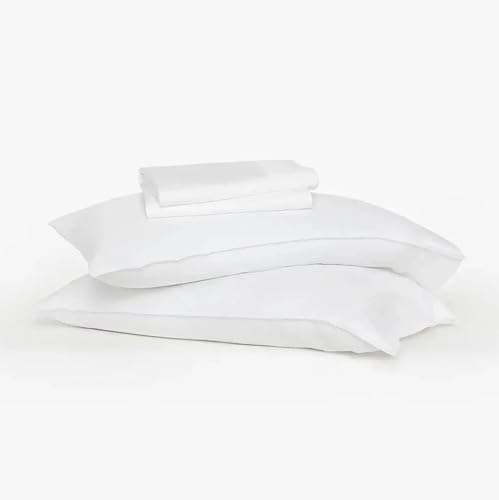
Buffy Breeze Sheet Set
Made from eucalyptus lyocell with a sateen weave for a silky feel that still breathes. Owners say it's noticeably cooler than cotton and helps with night sweats. The 300 thread count balances softness and airflow.
Where it shines
- Made from 100% TENCEL lyocell from sustainably farmed Austrian Eucalyptus.
- Includes fitted sheet, flat sheet & two pillowcases
- Dyed exclusively with plant-based botanic dye ingredients. Research-backed to remove exces
- OEKO-TEX tested for harmful substances, naturally hypoallergenic and sustainably made.
- Extra-deep fitted sheet to fit all mattresses. Four extra Elastic Corner Anchor Bands for
Where it falls short
- Sateen weave may trap more heat than percale for some
- Higher price
- Can pill over time

L.L.Bean 280-Thread Count Pima Cotton Percale Sheet Set
Pima cotton percale at a moderate price point. Verified owners mention it's 'cool and crisp' and holds up well to washing. The 280 thread count is ideal for breathability without being too thin.
Where it shines
- COOLING PERCALE FOR WARM SLEEPERS , Our 415 thread count percale weave creates a naturally
- QUEEN SHEET SET WITH SECURE DEEP POCKET FIT , Includes 1 fitted sheet (60" x 80"), 1 flat
- 100% PERUVIAN PIMA COTTON , HYPOALLERGENIC & CHEMICAL-FREE , Pima cotton's extra-long fibe
- CRAFTED IN PERU BY A FAMILY-OWNED BRAND , Proudly made in Peru by our family-owned company
- MACHINE WASHABLE , PERFECT FOR DORMS, GUEST ROOMS & EVERYDAY USE , Machine wash cold, tumb
Where it falls short
- Some find it too thin
- Limited color palette
- May shrink slightly

Sleep Number True Temp Sheet Set
Uses a proprietary phase-change material (PCM) to absorb and release heat. Owners say it stays cool to the touch and helps with temperature swings. The 400 thread count cotton sateen feels soft but may be less breathable than percale.
Where it shines
- Active temperature regulation via PCM
- Soft, luxurious feel
- Good for couples with different temperature preferences
Where it falls short
- Expensive
- Some reports of pilling
- Sateen weave can feel warm for some
Before you buy
Material Matters
Natural fibers like cotton and lyocell are more breathable than synthetics. TENCEL Lyocell (eucalyptus) is top for moisture wicking. Pima or long-staple cotton percale offers a crisp, cool feel. Avoid microfiber for summer.
Weave and Thread Count
Percale weave (one-over-one-under) is lighter and more breathable than sateen. Thread count between 200-400 is ideal; higher counts can trap heat. Lower thread counts (e.g., 270) are often cooler.
Weight (GSM)
Lighter weight sheets (under 150 GSM) feel airier. Heavier sheets may be softer but can retain heat. Check product specs for GSM if available.
Verified Owner Feedback
Focus on reviews from hot sleepers or humid climates. Look for repeated mentions of 'cool,' 'breathable,' or 'no sweating.' Beware of one-off complaints about pilling or shrinkage.
The wrap-up
For summer 2026, the best cooling sheets balance material (lyocell or long-staple cotton percale), weave (percale preferred), and thread count (200-400). Verified owner reviews consistently highlight moisture wicking and airflow over marketing claims.
Quick answers
TENCEL Lyocell (eucalyptus) is widely praised for moisture wicking and breathability. Long-staple cotton percale is also excellent for airflow. Avoid polyester blends.
No. Higher thread counts (above 400) can reduce airflow. For summer, aim for 200-400 with a percale weave.
Yes, based on verified owner reviews. Materials like lyocell and percale allow more airflow and wick moisture, helping you stay dry and cool.
Weekly washing is recommended to maintain breathability. Use cold water and avoid fabric softeners that can clog fibers.
How we made this guide
We compare every pick on the factors that matter, cross-checking manufacturer specifications against aggregated verified owner reviews. We rank independently and never take payment for placement. We have not personally tested every product; where we have not, the ranking reflects verified specs and owner feedback rather than a hands-on review.
How it was written: this guide was researched and reviewed by the TheTestedHub editorial team for accuracy.
Affiliate disclosure: TheTestedHub is reader-supported. When you buy through links on our site, we may earn a commission at no extra cost to you.
More to explore

Tired of Scratchy Sheets? Try These Crisp
5 Crisp Cool Cotton Sheets That Stay Breathable

How to Choose a Cool Sheet For Hot Sleeper
Cool Crisp Percale Sheet: Which Set Wins?

Cotton Quilt Comparison: 5 Top Options

Stop Waking Up Sweaty: The Best Cotton Sheets

Get That Boutique Hotel Feel: Crisp Hotel Sheet