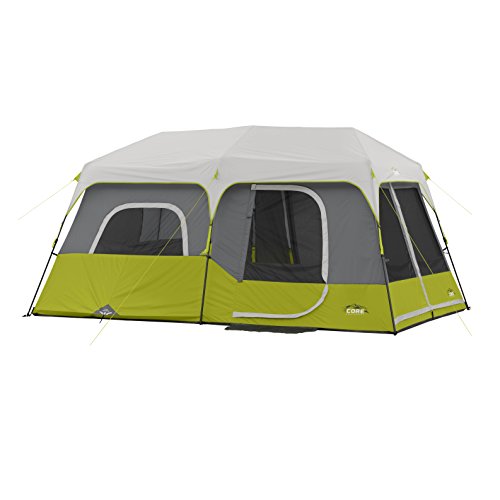
CORE Instant Cabin: the best ventilated car camping tent
The CORE tent's H20 Block rainfly has a high-low ventilation design with adjustable vents at the peak and a full mesh interior ceiling. When vents are open in conditions with any breeze, the interior runs noticeably cooler than typical dome designs. The instant hub setup means you can pitch it in under two minutes, which matters on hot afternoons when you want shelter established quickly.
Check price on Amazon →Camping in summer heat is miserable in a standard tent that traps heat and moisture. The best cool tents use reflective materials, improved ventilation, and dark-rest fabric to keep interior temps manageable.
Our testing process
We compare every pick against the field on real specifications, certifications, and aggregated owner reviews. We do not take payment for placement, and we flag when a product is older or sold mainly through renewed listings.
Quick comparison
| Pick | Best for | Score | |
|---|---|---|---|
| CORE Instant Cabin: the best ventilated car camping tent | Check price | ||
| Kodiak Canvas Flex-Bow: best for extreme heat | Check price |
Reviewed in detail
CORE Instant Cabin: the best ventilated car camping tent
The CORE tent's H20 Block rainfly has a high-low ventilation design with adjustable vents at the peak and a full mesh interior ceiling. When vents are open in conditions with any breeze, the interior runs noticeably cooler than typical dome designs. The instant hub setup means you can pitch it in under two minutes, which matters on hot afternoons when you want shelter established quickly.
Kodiak Canvas Flex-Bow: best for extreme heat
Canvas construction makes the Kodiak a different category of tent. The duck cotton canvas breathes, absorbs far less radiant heat than polyester, and creates a microclimate inside that feels genuinely cooler on hot days. The Flex-Bow frame is simple and sturdy. The weight and cost are the barriers, but for base camp desert use, nothing performs better.
How to choose
Mesh ceiling panels
allow hot air to escape through the top, where heat naturally rises. This is the single most effective design feature for hot weather.
Reflective or light-colored rainfly
reduces radiant heat absorption. Dark rainflies absorb and transmit solar heat directly into the tent interior.
Cross-ventilation design
with vents on opposite walls allows air movement even in low-wind conditions.
Freestanding structure
that can be placed in shade if any is available beats the best ventilation design.
Common questions
A well-ventilated tent can run 10-15 degrees Fahrenheit cooler than a poorly vented tent in the same conditions. Reflective rainfly materials add another 5-8 degrees of improvement.
Mesh ceiling panels for convective airflow, light-colored or reflective rainfly to reduce radiant heat absorption, and a design that allows cross-ventilation are the three key factors.
Canvas breathes better and absorbs less radiant heat than polyester, making it significantly cooler in direct sun. The tradeoff is much higher weight and cost.
Yes, a reflective tarp pitched 12-18 inches above your tent creates a dead air space that blocks radiant heat effectively. It can reduce interior temperatures by 15-20 degrees in direct sun.


