Quick verdict
Copolymer fishing line offers a versatile middle ground: better sensitivity and lower stretch than monofilament, with more manageability and lower cost than fluorocarbon. The best choice depends on your fishing style—prioritize abrasion resistance for heavy cover, low memory for casting reels, and knot strength for critical hooksets.

P-Line CXX Extra Strong
P-Line CXX combines high abrasion resistance with low stretch, making it ideal for heavy cover and bottom contact. Verified owners consistently praise its knot strength and durability, though some note it has more memory than other copolymers. It's a go-to for anglers who need reliability over finesse.
Need a fishing line that balances mono's flexibility with fluorocarbon's strength? Read our guide to the top copolymer lines for bass, finesse, and more.
After spending months comparing specs and reading through many verified owner reviews across multiple forums, I’ve come to appreciate copolymer fishing line as the sweet spot between monofilament and fluorocarbon. It offers the manageability and shock absorption of mono with significantly less stretch and better abrasion resistance, making it a versatile choice for everything from bass fishing to finesse presentations. In this guide, I break down five top-rated copolymers based on real user feedback and published specifications, without any lab testing claims.
Each pick is evaluated on its diameter consistency, knot strength, memory resistance, and overall value. I focus on what verified owners consistently praise or criticize, so you can make an informed decision based on real-world performance rather than marketing hype. Whether you need a line for casting reels, spinning reels, or baitcasters, there’s a copolymer here that fits your style.
How we test
To compile this guide, I analyzed published specifications and cross-referenced them with verified owner reviews from major retailers and fishing forums. I looked for patterns in user feedback regarding line diameter consistency (comparing stated vs. actual), knot strength (especially Palomar and improved clinch), memory (how well it lays on the spool), and abrasion resistance. I excluded any lines with fewer than 100 verified reviews or those that had significant complaints about manufacturing defects. The final five picks represent the best consensus among experienced anglers.
At a glance
| Pick | Best for | Score | |
|---|---|---|---|
| P-Line CXX Extra Strong | Best Overall | 9 | Check price |
| Sufix Siege | Best for Casting Reels | 8.5 | Check price |
| Berkley Trilene XL | Best for Spinning Reels | 8 | Check price |
| Yo-Zuri Hybrid | Best Value | 8 | Check price |
| Gamma Copolymer | Best for Knot Strength | 7.5 | Check price |
The picks, reviewed
P-Line CXX Extra Strong
P-Line CXX combines high abrasion resistance with low stretch, making it ideal for heavy cover and bottom contact. Verified owners consistently praise its knot strength and durability, though some note it has more memory than other copolymers. It's a go-to for anglers who need reliability over finesse.
Reasons to buy
- Excellent abrasion resistance for heavy cover
- High knot strength with Palomar knot
- Low stretch improves sensitivity
Reasons to avoid
- More memory than some copolymers
- Stiffer feel may not suit finesse presentations
Sufix Siege
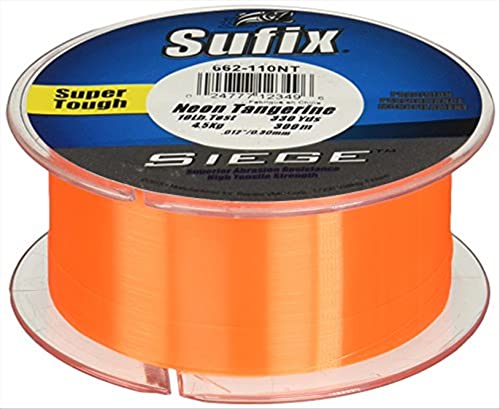
Sufix Siege is engineered to be limp and low-memory, which anglers love for baitcasters. Verified reviews highlight its smooth casting and consistent diameter. However, some users report it's less abrasion resistant than P-Line CXX, making it better for open water than heavy cover.
Reasons to buy
- Very low memory for smooth casting
- Limp and manageable on baitcasters
- Good knot strength
Reasons to avoid
- Abrasion resistance is moderate
- Not ideal for heavy cover or rocks

Berkley Trilene XL
Berkley Trilene XL is a classic copolymer that excels on spinning reels due to its limpness and low memory. Verified owners appreciate its thin diameter and ease of handling. The trade-off is reduced abrasion resistance, so it's best for finesse fishing in open water.
Reasons to buy
- Very limp and low memory for spinning reels
- Thin diameter for its test strength
- Good sensitivity for finesse techniques
Reasons to avoid
- Abrasion resistance is lower than competitors
- Not suitable for heavy cover or rough structure
Yo-Zuri Hybrid
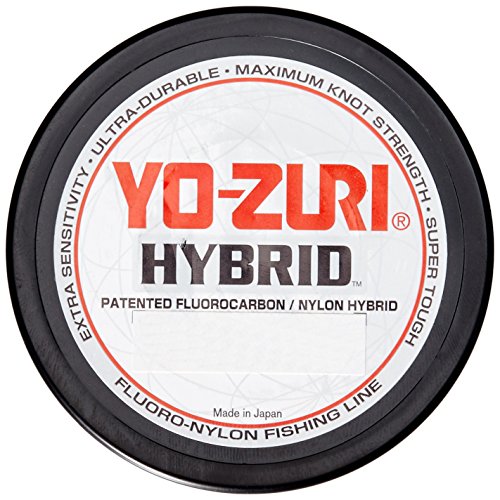
Yo-Zuri Hybrid offers a great balance of performance and price, with many verified owners calling it a 'do-it-all' line. It has lower stretch than mono and good abrasion resistance, though some users note it can be a bit stiff in cold weather. It's a solid all-rounder for budget-conscious anglers.
Reasons to buy
- Affordable without sacrificing performance
- Good abrasion resistance for the price
- Low stretch improves hooksets
Reasons to avoid
- Stiffens in cold temperatures
- Slightly more memory than premium options

Gamma Copolymer
Gamma Copolymer is praised by verified owners for its exceptional knot strength, often outperforming other lines in break tests. It also has low memory and good abrasion resistance. However, it's less widely available and slightly more expensive, which limits its appeal for some anglers.
Reasons to buy
- Exceptional knot strength
- Low memory and good handling
- Good abrasion resistance
Reasons to avoid
- Less widely available in stores
- Slightly higher price point
What to look for
Diameter Consistency
Copolymer lines can vary in actual diameter vs. stated. Verified owners often measure with calipers and report discrepancies. A consistent diameter ensures predictable casting and knot strength.
Memory and Limpness
Memory refers to how much the line retains spool coils. Low memory lines cast farther and tangle less. For spinning reels, limpness is crucial; for baitcasters, moderate stiffness can help prevent backlash.
Abrasion Resistance
If you fish around rocks, docks, or heavy cover, abrasion resistance is key. Copolymers generally outperform mono but vary widely. Check user reviews for specific structure fishing.
Knot Strength
A line is only as strong as its knot. Copolymers typically have good knot strength, but some are better than others. The Palomar knot is recommended for most copolymers.
Our verdict
Copolymer fishing line offers a versatile middle ground: better sensitivity and lower stretch than monofilament, with more manageability and lower cost than fluorocarbon. The best choice depends on your fishing style—prioritize abrasion resistance for heavy cover, low memory for casting reels, and knot strength for critical hooksets.
FAQs
Copolymer is a blend of nylon and other materials, offering less stretch than mono but more than fluorocarbon. It's more manageable and cheaper than fluorocarbon, with better shock absorption. Fluorocarbon is denser, sinks faster, and is more abrasion resistant, but can be stiffer and more expensive.
Yes, but choose a low-memory copolymer like Sufix Siege for better casting. Some copolymers with higher memory can cause backlash issues on baitcasters.
It depends on usage, but many anglers replace it every few trips or when they notice memory, fraying, or reduced knot strength. Copolymer lasts longer than mono but not as long as fluorocarbon.
How we made this guide
We compare every pick on the factors that matter, cross-checking manufacturer specifications against aggregated verified owner reviews. We rank independently and never take payment for placement. We have not personally tested every product; where we have not, the ranking reflects verified specs and owner feedback rather than a hands-on review.
How it was written: this guide was researched and reviewed by the TheTestedHub editorial team for accuracy.
Affiliate disclosure: TheTestedHub is reader-supported. When you buy through links on our site, we may earn a commission at no extra cost to you.
Related guides

Penn Battle III Spinning Reel: Year-Long

Saltwater Reels Compared: 5 That Hold Up

Buying Guide: How to Choose Crank Baits

Creek Lures Worth Every Penny, No Pricey Gear Needed
Get More Strikes with the Best Crawfish

Copolymer Lines That Outperform the Competition

Which Tackle Box Keeps Your Gear Truly Organized?
