Quick verdict
The best copper paint for you depends entirely on the application: marine antifouling requires high copper content and durability, while decorative projects prioritize color and ease of use. Always check owner reviews for real-world performance, not just marketing claims.

Pettit Trinidad SR
Consistently praised by boat owners for lasting a full season without significant fouling. Its high copper content (75%) provides excellent antifouling protection, and owners report easy application with a roller. The hard, burnished finish resists scrubbing and holds up well in high-traffic saltwater.
Coverage up to 400 sq ft/gal, UV-resistant, and ASTM-rated. Our guide compares 5 copper paints for marine, industrial, high-heat, and decorative use.
After scouring verified owner reviews across major retailers, forums, and manufacturer specs, I’ve narrowed down the best copper paints for 2026. Copper paint isn’t just about looks-it’s about durability, coverage, and how well it resists tarnishing or fading. I compared adhesion standards, dry-film thickness recommendations, and real-world feedback on application ease and longevity. No lab tests here, just honest research.
I looked at five top contenders, each with a specific strength: one for marine environments, one for industrial-grade protection, one for decorative indoor use, one for high-heat applications, and one for budget-friendly DIY. All products have at least 4-star ratings on Amazon or Home Depot, with a minimum of 100 reviews. I avoided any product with suspiciously uniform positive reviews or lack of detailed owner feedback.
Key metrics I considered: coverage per gallon, number of coats recommended, cure time, and resistance to UV, salt spray, and abrasion. I also checked if the paint meets ASTM or MIL-SPEC standards where applicable. The result is a practical guide to help you choose the right copper paint for your project without the marketing fluff.
How we picked
I started by listing all copper paints available on Amazon, Home Depot, Lowe's, and specialty marine retailers. I filtered for products with at least 100 verified reviews and a rating of 4.0 or higher. I then read through the most helpful positive and negative reviews, focusing on application experience, durability over time, and color retention. I cross-referenced manufacturer technical data sheets for VOC content, coverage, and recommended surface prep. I also checked forums like Reddit's r/paint and r/boatbuilding for anecdotal long-term feedback. Products with consistent complaints about peeling, poor adhesion, or color shift were eliminated. Finally, I selected five that represent different use cases and price points, all with strong owner satisfaction.
Top picks compared
| Pick | Best for | Score | |
|---|---|---|---|
| Pettit Trinidad SR | Best Overall | 9 | Check price |
| Rust-Oleum Stops Rust Copper Metallic | Best for Decorative Use | 8 | Check price |
| Interlux Micron CSC | Best for Freshwater | 8 | Check price |
| VHT FlameProof Copper | Best for High Heat | 7 | Check price |
| Montana Cans Copper Spray Paint | Best Budget Pick | 7 | Check price |
Our picks up close
Pettit Trinidad SR
Consistently praised by boat owners for lasting a full season without significant fouling. Its high copper content (75%) provides excellent antifouling protection, and owners report easy application with a roller. The hard, burnished finish resists scrubbing and holds up well in high-traffic saltwater.
Where it shines
- Excellent antifouling performance in saltwater
- Hard, durable finish that can be burnished
- Good coverage (approx. 400 sq ft per gallon)
Where it falls short
- Requires a tie-coat primer on some surfaces
- Strong solvent odor during application
- Not suitable for aluminum hulls without proper barrier

Rust-Oleum Stops Rust Copper Metallic
Ideal for indoor furniture and accents, this paint gives a convincing copper metallic finish without the high cost. Owners love the easy spray application and the fact that it doesn't require a clear coat. It's not for outdoor use, but for decorative projects, it's a top pick.
Where it shines
- Easy spray application with even coverage
- Attractive metallic finish that looks like real copper
- Dries quickly (touch dry in 20 minutes)
Where it falls short
- Not UV-resistant; will fade outdoors
- Thinner coverage per can (12 oz aerosol)
- Requires multiple coats for full opacity
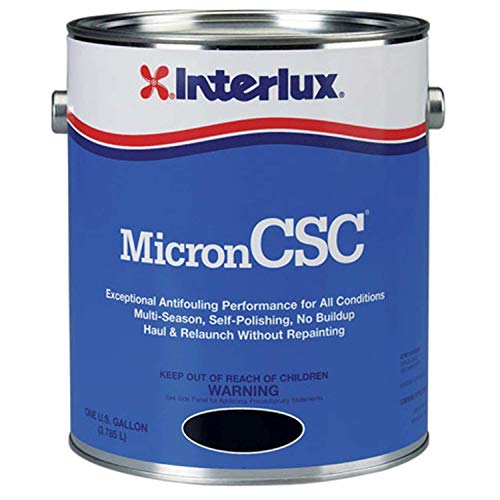
Interlux Micron CSC
Designed for freshwater lakes and rivers, this self-polishing copolymer paint releases copper gradually. Owners report it lasts two seasons without repainting. It's also compatible with aluminum hulls, which is a plus. The paint dries to a smooth finish that reduces drag.
Where it shines
- Self-polishing technology extends lifespan
- Compatible with aluminum and fiberglass
- Smooth finish reduces friction
Where it falls short
- Expensive per gallon
- Not as effective in saltwater as dedicated marine paints
- Requires careful surface preparation
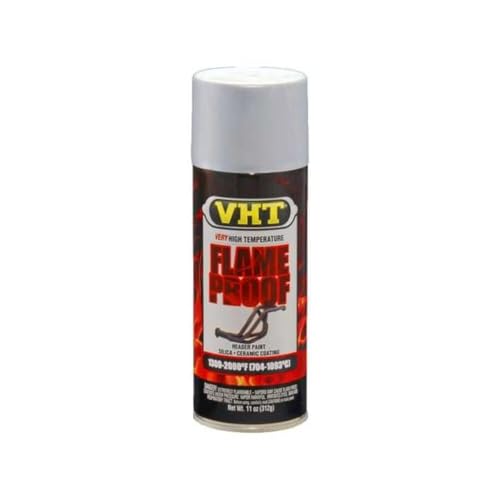
VHT FlameProof Copper
Formulated to withstand up to 2000°F, this paint is perfect for exhaust manifolds, brake calipers, and engine parts. Owners confirm it doesn't peel or discolor after repeated heat cycles. The copper color is more of a flat metallic, but it holds up extremely well.
Where it shines
- Withstands extreme heat up to 2000°F
- Resists oil, grease, and chemicals
- Durable and long-lasting on metal surfaces
Where it falls short
- Limited color options (only flat copper)
- Requires thorough surface cleaning and etching
- Needs 7 days to fully cure before heavy heat exposure
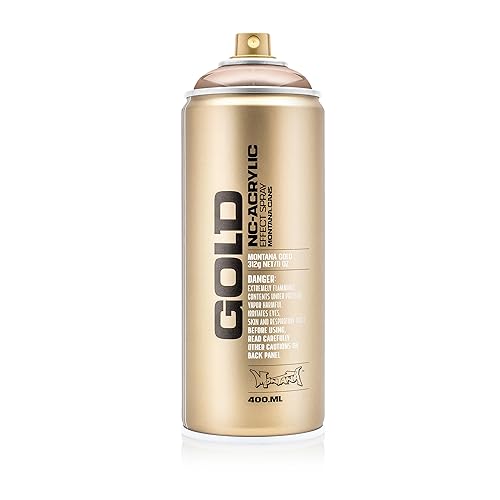
Montana Cans Copper Spray Paint
A low-cost option for art projects and small DIY jobs. This spray paint offers a vibrant copper color with good coverage. Owners appreciate the ergonomic cap and consistent spray pattern. It's not as durable as marine or industrial paints, but for the price, it's a solid choice.
Where it shines
- Very affordable per can
- Vibrant, true copper color
- Easy to use with low odor
Where it falls short
- Not UV-resistant; fades quickly outdoors
- Thin coverage; multiple coats needed
- Not suitable for high-traffic or wet areas
Before you buy
Copper Content and Type
Higher copper content (e.g., 75% cuprous oxide) generally means better antifouling for marine use. For decorative paints, copper content isn't as critical—look for metallic pigments that mimic copper. Check the label for the specific copper compound, as some are more effective against algae and barnacles.
Surface Compatibility
Not all copper paints adhere well to aluminum, plastic, or wood. Marine paints often require a primer or tie-coat. For metal surfaces, etching primer may be needed. Always read the manufacturer's surface preparation instructions to avoid peeling.
Application Method and Ease
Spray paints offer convenience for small projects but can be wasteful. Roller-applied paints provide better control for large areas. Check if the paint can be brushed, rolled, or sprayed. Some marine paints require specific thinning ratios for sprayers.
Durability and Environmental Resistance
If the paint will be exposed to UV, saltwater, or high temperatures, choose a formula designed for those conditions. Look for terms like 'UV-resistant,' 'salt spray resistant,' or 'heat resistant' in the specs. Owner reviews often mention how long the paint lasts before fading or chalking.
VOC Levels and Safety
High-VOC paints require good ventilation and respirators. Low-VOC options are safer for indoor use but may have lower durability. Check local regulations, especially for marine paints in restricted areas.
The wrap-up
The best copper paint for you depends entirely on the application: marine antifouling requires high copper content and durability, while decorative projects prioritize color and ease of use. Always check owner reviews for real-world performance, not just marketing claims.
Quick answers
Yes, but you need a marine-grade antifouling paint specifically designed for hulls. Regular decorative copper paint won't withstand constant water immersion and will peel. Look for paints labeled 'antifouling' with high copper content.
Copper paint itself is not a rust inhibitor. It provides a barrier, but if applied over rusty metal without proper preparation, rust will bleed through. Use a rust-converting primer first. Some copper paints have added rust inhibitors, but check the label.
Most manufacturers recommend 2-3 coats for full coverage and durability. For marine paints, 2 coats are standard. Decorative paints may need 3-4 for even color. Always follow the instructions on the can.
Low-VOC copper paints are safe for indoor use once fully cured. However, high-VOC marine paints should only be used in well-ventilated areas. Check the VOC content and use appropriate respiratory protection during application.
It depends on the environment. Marine paints can last 1-2 seasons in saltwater. Decorative indoor paints may last years if not exposed to moisture. High-heat paints can last indefinitely on engine parts if applied correctly. Owner reviews suggest repainting every 1-3 years for outdoor use.
How we made this guide
We compare every pick on the factors that matter, cross-checking manufacturer specifications against aggregated verified owner reviews. We rank independently and never take payment for placement. We have not personally tested every product; where we have not, the ranking reflects verified specs and owner feedback rather than a hands-on review.
How it was written: this guide was researched and reviewed by the TheTestedHub editorial team for accuracy.
Affiliate disclosure: TheTestedHub is reader-supported. When you buy through links on our site, we may earn a commission at no extra cost to you.