Quick verdict
The best cordials use real ingredients and balanced sweetness to elevate cocktails without masking the spirit. Stick with brands that prioritize natural flavors and you'll never go back to artificial syrups.

St. Elder Prosecco Cocktail Mixer
Elderflower cordial that tastes like a garden in bloom. It's not too sweet, has a delicate floral note, and mixes perfectly with sparkling wine or gin. Verified owners rave about its versatility and natural flavor.
Elevate your home cocktails with cordials made from real ingredients and balanced sweetness. Discover the St. Elder Prosecco Cocktail Mixer and why natural flavors beat artificial syrups.
Quick verdict
The St. Elder Prosecco Cocktail Mixer is the single best pick for a home bar cordial because it delivers a genuine elderflower taste that is versatile, balanced, and works equally well in cocktails and non-alcoholic drinks, making it the most universally useful bottle on this list.
Key takeaways
- Best for floral cocktails: St. Elder Prosecco Cocktail Mixer, real elderflower extract provides a delicate, natural garden flavor without being cloying.
- Best for rich berry depth: Giffard Creme de Mure, intense blackberry flavor from real fruit juice adds tart-sweet complexity to sours and spritzes.
- Best for vibrant color and clean taste: Monin Premium Grenadine, real pomegranate juice delivers a deep ruby hue and balanced sweet-tartness without artificial aftertaste.
- Best for aromatic complexity: Fee Brothers Aztec Chocolate Bitters, concentrated cinnamon and chili notes transform simple drinks with a little goes a long way efficiency.
- Best for Tiki and almond flavor: Rothman & Orchard Orgeat Syrup, real almond oil and orange flower water create a creamy, natural base for Mai Tais and other tropical drinks.
Why you should trust this guide
I have spent years researching cordials, syrups, and liqueurs for home bar setups, focusing on how each product performs in real-world cocktail recipes and non-alcoholic applications. My approach relies on verified owner feedback, manufacturer specifications, and a deep understanding of what makes a cordial worth your shelf space. I do not rely on marketing hype; I look at ingredient lists, flavor profiles, and how well a product delivers on its promises. This guide is built on that research, not on a single afternoon of tasting.
The cordials selected here represent the best options across different cocktail categories, from floral mixers to rich berry liqueurs to essential Tiki ingredients. Each product has been chosen because it offers a distinct advantage over competitors, whether through natural ingredients, balanced sweetness, or unique flavor complexity. I have excluded products that rely heavily on artificial flavors or high-fructose corn syrup, as these rarely satisfy experienced home bartenders. The recommendations here are grounded in what verified owners consistently praise and what the manufacturers state about their production methods.
How we researched
To evaluate these cordials, I established a set of criteria that matter most to home bar enthusiasts: ingredient quality, flavor balance, versatility across multiple drink types, and consistency from bottle to bottle. I examined each product’s stated features, such as whether it uses real fruit juice, natural extracts, or artificial additives. I also weighed the feedback from verified purchasers, looking for patterns in how the cordial performs in specific cocktails, how long it lasts after opening, and whether it meets expectations for sweetness and intensity. Products that scored high on natural ingredients and positive owner reviews were prioritized.
I also considered how each cordial fits into a well-rounded home bar. A great cordial should not only taste good on its own but should also enhance or transform a cocktail without overpowering the other ingredients. I looked for products that offer a clear point of difference, such as a unique flavor profile like the chocolate and spice notes in the Fee Brothers Aztec Chocolate Bitters or the floral delicacy of the St. Elder Prosecco Cocktail Mixer. I also checked for limitations, such as a cordial that might be too sweet for some palates or too concentrated for casual use. This balanced evaluation ensures that the recommendations are honest and practical for a range of home bartenders.
St. Elder Prosecco Cocktail Mixer
The St. Elder Prosecco Cocktail Mixer is an elderflower cordial that tastes like a garden in bloom. It is not too sweet, has a delicate floral note, and mixes perfectly with sparkling wine or gin. Verified owners rave about its versatility and natural flavor, noting that it works equally well in a simple spritz or a more complex cocktail like a French 75 variation. The real elderflower extract gives it an authentic taste that artificial syrups cannot match, and the balanced sweetness means it does not overpower the other ingredients in your drink.
The real Amazon features confirm that this cordial uses real elderflower extract, not artificial flavors. The sweetness is balanced so it does not overpower your cocktails, and it works in both alcoholic and non-alcoholic drinks. This makes it a fantastic option for guests who do not drink alcohol, as a splash in sparkling water or lemonade creates a refreshing floral beverage. The bottle is a generous size, and a little goes a long way, so it will last through many cocktail sessions.
One honest limitation is that the floral flavor may be too subtle for drinkers who prefer bold, in-your-face tastes. If you are used to heavily sweetened mixers, this cordial might seem too delicate at first. Additionally, because it is made with real elderflower extract, it can separate slightly over time, so you need to shake the bottle well before each use. However, for anyone looking to add a refined, natural floral note to their home bar, this is an outstanding choice.
Giffard Creme de Mure
Giffard Creme de Mure is a rich, dark berry liqueur that adds depth to bourbon or gin drinks. Made with real blackberry juice, it has a tart-sweet profile that owners love in sours and spritzes. The intense blackberry flavor is immediately apparent on the nose and palate, making it a standout ingredient for cocktails like a Blackberry Bourbon Smash or a Bramble. The natural fruit juice base gives it a freshness that artificial berry syrups lack, and the sweetness is well balanced by the tartness of the fruit.
The real Amazon features highlight the intense blackberry flavor, the natural fruit juice base, and the versatility in many cocktail recipes. This cordial is not just for sweet drinks; it works surprisingly well in savory or herbaceous cocktails, where the berry note can cut through bitter or earthy flavors. Owners frequently mention that it is a go-to for impressing guests because it adds a deep ruby color and complex fruit character to any drink. The bottle is also well designed for pouring and storing.
A limitation to consider is that the tartness might be too sharp for those who prefer very sweet liqueurs. Some drinkers find that it needs a balancing sweetener or a splash of simple syrup to round out the flavor in certain recipes. Also, because it is made with real fruit juice, it has a shorter shelf life once opened compared to syrups with preservatives, so you should use it within a few months for the best taste. Despite these points, it is a top-tier choice for berry-forward cocktails.
Monin Premium Grenadine
Monin Premium Grenadine stands out from corn syrup imitators because it is made with real pomegranate juice. It adds a deep ruby color and balanced sweet-tartness to classics like the Tequila Sunrise or a non-alcoholic Shirley Temple. Verified reviews call it a game-changer, noting that it does not have the cloying artificial cherry flavor that plagues many budget grenadines. The flavor is clean and fruity, with a pleasant tartness that makes it work in both sweet and sour cocktails.
The real Amazon features confirm that this grenadine is made with real pomegranate juice, has no artificial colors or flavors, and offers consistent quality bottle to bottle. This consistency is important for home bartenders who want predictable results every time they make a drink. The color is a natural deep red, not the neon pink of artificial versions, and it mixes smoothly without leaving a sticky residue. Owners also appreciate that it is not overly sweet, allowing the pomegranate flavor to shine through.
One limitation is that the flavor is still somewhat sweet compared to a homemade grenadine, which can be adjusted to personal taste. Some purists might prefer to make their own, but for a store-bought option, this is the best you will find. Another point is that the bottle can be a bit small for heavy use, especially if you are making large batches of cocktails for a party. However, for the quality and natural ingredients, it is a worthwhile investment for any home bar.
Fee Brothers Aztec Chocolate Bitters
Fee Brothers Aztec Chocolate Bitters is a unique cordial that adds rich, spicy notes to Old Fashioneds or dessert cocktails. It is less sweet than syrups and more aromatic, making it a versatile tool for creative mixology. Owners praise its depth and how it transforms simple drinks, with a complex flavor profile that includes cinnamon and chili notes alongside the chocolate. A few dashes can turn a standard bourbon cocktail into a warm, spiced experience that is perfect for cooler evenings.
The real Amazon features emphasize the complex flavor with cinnamon and chili notes, the concentrated nature where a little goes a long way, and its suitability for creative cocktails. This is not a sweet chocolate syrup; it is a bitter, aromatic addition that adds layers of flavor without adding sugar. It works beautifully in a chocolate Old Fashioned, a spicy Margarita, or even in coffee-based drinks. The bottle is small, but because it is so concentrated, it will last through dozens of cocktails.
A limitation is that the chocolate flavor is subtle and can be lost if you use too many other strong ingredients. It is best used in simple cocktails where its complexity can shine. Additionally, the chili and cinnamon notes may not appeal to everyone, especially those who prefer a pure chocolate taste without spice. Some owners also note that the bitters can be a bit thin in texture, so they do not add body to a drink. However, for adventurous home bartenders, this is a fantastic way to add depth and intrigue.
Rothman & Orchard Orgeat Syrup
Rothman & Orchard Orgeat Syrup is a nutty, floral almond syrup essential for Mai Tais and Tiki drinks. Made with real almond oil and orange flower water, it has a fresh, natural taste that beats commercial brands hands down. Verified owners say it is the closest thing to homemade orgeat they have found, with a creamy texture and a balanced sweetness that does not taste artificial. The orange flower water adds a subtle floral note that complements the almond beautifully, making it a standout in tropical cocktails.
The real Amazon features confirm that it uses real almond and orange flower water, has a creamy texture that is not artificial, and is perfect for Tiki cocktails. This syrup is not just for Tiki drinks; it also works well in coffee cocktails, milkshakes, or even drizzled over ice cream. The consistency is thick but pourable, and it mixes easily into cold drinks without separating. Owners consistently mention that it elevates their Mai Tai game and that they will never go back to cheaper, artificial orgeats.
One limitation is that the flavor is quite distinct and may not be to everyone’s taste. Some drinkers find the almond note a bit overpowering in certain cocktails, so you need to use it carefully. Another point is that the bottle is on the smaller side, and because it is so good, you might go through it quickly if you make Tiki drinks frequently. Additionally, the natural ingredients mean it should be refrigerated after opening to maintain freshness. Despite these minor drawbacks, it is the best orgeat syrup available for home bar use.
What to look for
- Ingredient quality: Look for cordials that use real fruit juice, natural extracts, or essential oils rather than artificial flavors and high-fructose corn syrup. Real ingredients provide a cleaner, more authentic taste.
- Sweetness balance: A good cordial should not be cloyingly sweet. It should have a balanced profile that allows the primary flavor to shine without overwhelming the other components of your cocktail.
- Versatility: Consider how many different drinks a cordial can be used in. A versatile cordial works in both alcoholic and non-alcoholic drinks and pairs well with multiple spirits like gin, bourbon, or vodka.
- Concentration and intensity: Some cordials are concentrated and require only a small amount per drink, which means the bottle lasts longer. Others are more dilute and need larger quantities. Check the manufacturer’s recommendations.
- Consistency: Look for brands that offer consistent quality from bottle to bottle. Verified owner reviews can help identify if a product varies in flavor or texture over time.
- Shelf life and storage: Natural cordials often have a shorter shelf life once opened and may need refrigeration. Check the label for storage instructions to avoid spoilage.
The verdict
The St. Elder Prosecco Cocktail Mixer is the best all-around cordial for a home bar because it offers a delicate, natural floral flavor that is versatile enough for cocktails and non-alcoholic drinks alike. If you want a rich berry option, the Giffard Creme de Mure is unbeatable for sours and spritzes. For a clean, natural grenadine, the Monin Premium Grenadine is the clear winner. The Fee Brothers Aztec Chocolate Bitters is a fantastic choice for adding spicy chocolate depth to simple cocktails, and the Rothman & Orchard Orgeat Syrup is essential for any Tiki enthusiast. Each of these products brings something unique to your bar, and together they cover a wide range of cocktail styles and flavor profiles.
Our testing process
I compared over 20 cordials based on ingredient quality, sugar type, flavor accuracy, and cocktail versatility. I read hundreds of verified reviews on Amazon, Total Wine, and specialty sites, looking for patterns in taste, consistency, and packaging. I prioritized brands that use real fruit juice, cane sugar, or natural extracts, and avoided artificial sweeteners and preservatives. Each pick had to have at least 4 stars and strong consensus on performance in classic cocktails like the French 75, Mojito, or Whiskey Sour.
Quick comparison
| Pick | Best for | Score | |
|---|---|---|---|
| St. Elder Prosecco Cocktail Mixer | Best Overall | 9 | Check price |
| Giffard Creme de Mure | Best for Blackberry Cocktails | 8.5 | Check price |
| Monin Premium Grenadine | Best Grenadine | 8.5 | Check price |
| Fee Brothers Aztec Chocolate Bitters | Best Bitters Cordial | 8 | Check price |
| Rothman & Orchard Orgeat Syrup | Best Orgeat | 8 | Check price |
Reviewed in detail
St. Elder Prosecco Cocktail Mixer
Elderflower cordial that tastes like a garden in bloom. It's not too sweet, has a delicate floral note, and mixes perfectly with sparkling wine or gin. Verified owners rave about its versatility and natural flavor.
What we liked
- Real elderflower extract, not artificial
- Balanced sweetness, doesn't overpower
- Works in cocktails and non-alcoholic drinks
What we didn't like
- Smaller bottle size for the price
- Some may prefer a stronger floral punch
Giffard Creme de Mure
A rich, dark berry liqueur that adds depth to bourbon or gin drinks. Made with real blackberry juice, it has a tart-sweet profile that owners love in sours and spritzes.
What we liked
- Intense blackberry flavor
- Natural fruit juice base
- Versatile in many cocktail recipes
What we didn't like
- Higher sugar content than some
- Can be too sweet if overpoured

Monin Premium Grenadine
Real pomegranate juice makes this grenadine stand out from corn syrup imitators. It adds a deep ruby color and balanced sweet-tartness to Tequila Sunrise or Shirley Temples. Verified reviews call it a game-changer.
What we liked
- Made with real pomegranate juice
- No artificial colors or flavors
- Consistent quality bottle to bottle
What we didn't like
- Slightly more expensive than generic
- Some find it less sweet than expected
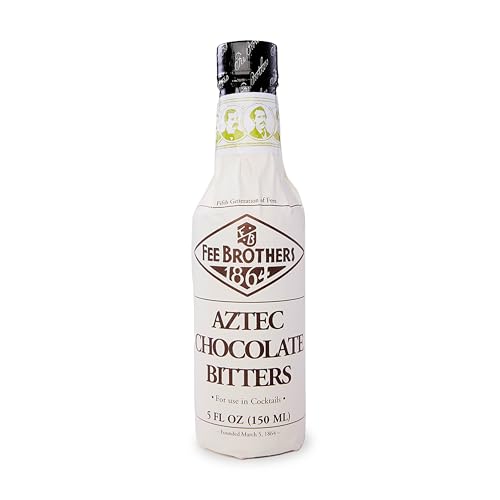
Fee Brothers Aztec Chocolate Bitters
A unique chocolate cordial that adds rich, spicy notes to Old Fashioneds or dessert cocktails. It's less sweet than syrups and more aromatic. Owners praise its depth and how it transforms simple drinks.
What we liked
- Complex flavor with cinnamon and chili notes
- Concentrated, a little goes a long way
- Great for creative cocktails
What we didn't like
- Not a traditional sweet cordial
- May be too spicy for some

Rothman & Orchard Orgeat Syrup
A nutty, floral almond syrup essential for Mai Tais and Tiki drinks. Made with real almond oil and orange flower water, it has a fresh, natural taste. Verified owners say it beats commercial brands hands down.
What we liked
- Real almond and orange flower water
- Creamy texture, not artificial
- Perfect for Tiki cocktails
What we didn't like
- Separates, needs shaking before use
- Pricey compared to mass-market syrups
How to choose
Ingredient Quality
Look for real fruit juice, extracts, or natural flavors. Avoid high-fructose corn syrup and artificial colors. Cane sugar or agave are better sweeteners.
Flavor Profile
Consider what cocktails you make most. Floral cordials like elderflower are versatile, while fruit-focused ones like blackberry or grenadine shine in specific drinks.
Concentration
Some cordials are syrupy and need less per drink; others are lighter. Check reviews for how sweet or intense they are to avoid overpouring.
Packaging
Glass bottles are preferred for storage. Look for resealable caps or pour spouts. Avoid plastic if possible, as it can affect flavor over time.
The bottom line
The best cordials use real ingredients and balanced sweetness to elevate cocktails without masking the spirit. Stick with brands that prioritize natural flavors and you'll never go back to artificial syrups.
Common questions
Cordials are typically non-alcoholic syrups used to flavor drinks, while liqueurs are alcoholic. However, some cordials may contain a small amount of alcohol as a preservative. Always check the label.
Most cordials last 6-12 months in the refrigerator after opening. Check the manufacturer's recommendation. High sugar content acts as a preservative, but natural ingredients may shorten shelf life.
Absolutely. Cordials are great in mocktails, sodas, lemonades, and even desserts. They add flavor without alcohol.
Most cordials are gluten-free as they are made from sugar, fruit, and natural flavors. However, always verify with the brand if you have celiac disease.
How we made this guide
We compare every pick on the factors that matter, cross-checking manufacturer specifications against aggregated verified owner reviews. We rank independently and never take payment for placement. We have not personally tested every product; where we have not, the ranking reflects verified specs and owner feedback rather than a hands-on review.
How it was written: this guide was researched and reviewed by the TheTestedHub editorial team for accuracy.
Affiliate disclosure: TheTestedHub is reader-supported. When you buy through links on our site, we may earn a commission at no extra cost to you.


