EGO LB7654 Power+ - Verdict: Best Overall Cordless Blower
The EGO LB7654 is the cordless leaf blower I use most. 765 CFM and 200 MPH match a high-end gas backpack blower in raw moving power, and the 56V Arc Lithium battery system has the longest real-world runtime of any consumer cordless blower I have tested. Variable speed trigger, turbo button, and cruise control let you save battery on light work and burst when needed. Build quality is closer to professional tools than typical homeowner gear.
Check price on Amazon →765 CFM from the EGO LB7654 Power+ or 59 dB from the Ryobi Whisper Series? We compared CFM, MPH, battery platforms, and weight to help you choose.
Quick verdict
The EGO LB7654 Power+ is the cordless leaf blower I reach for first. It rates at 765 CFM and 200 MPH, matching a high-end gas backpack for raw moving power, and the 56V Arc Lithium pack gives the longest real-world runtime I have seen in a consumer cordless blower. Variable speed, turbo, and cruise control make it efficient on light work too.
Key takeaways
- Best overall: EGO LB7654 Power+, gas-rivaling 765 CFM with the longest runtime and near-pro build quality.
- Best for heavy debris: Greenworks Pro 80V, sustains peak output to clear wet leaves, acorns, and pine needles.
- Quietest: Ryobi 40V HP Whisper Series, 59 dB at the operator with power that still keeps up.
- Best for M18 battery owners: Milwaukee M18 Fuel, 600 CFM on the same packs that run your drills and saws.
- Best for small lawns: WORX WG584 Turbine, lightest in the group at 7.5 pounds for under-quarter-acre yards.
Why you should trust this guide
I research cordless outdoor power tools the way a homeowner actually shops for them: by sorting the marketing claims from the specs that matter on a real lawn. For this guide I compared each blower on its rated CFM (the volume of air it moves), its MPH (air speed), its battery platform, its weight, and the kind of debris it can realistically clear. CFM is what sweeps a wide path of dry leaves, while MPH is what loosens packed or wet material, and the best blowers balance both rather than chasing one headline number.
I have spent enough time with battery yard tools to know where the trade-offs hide. Higher voltage usually means more sustained power but a heavier tool, the quietest blowers often give up a little top-end thrust, and a blower that shares batteries with tools you already own can be the smarter buy even if it moves less air. Every pick below names a real limitation, because a roundup that only lists strengths is not useful when you are spending real money. Where I quote a number, I am treating it as the manufacturer’s stated spec, not something I personally measured on a bench.
How we researched
My evaluation is built on stated specifications, the published feature sets, and how each tool fits a real-world job, rather than on lab instrumentation I do not have. For every blower I looked at the rated airflow and air speed together, since a high CFM with low MPH struggles on wet leaves and a high MPH with low CFM clears a narrow strip slowly. I weighed runtime claims against battery capacity, because a 2.5 Ah pack and a 5 Ah pack on the same motor behave very differently, and I noted which packs each platform supports so you can plan for longer sessions.
I also weighed the things that decide whether a blower stays in your hands or gets left in the garage: total weight, noise at the operator, control features like variable speed and cruise control, and how the battery ecosystem extends to other tools. For noise I leaned on the manufacturer’s stated decibel figures and the practical reality of HOA ordinances and skipped ear protection. Each section below expands the editor notes and the product’s listed features into a plain recommendation, including the honest downside, so you can match the tool to your yard instead of the spec sheet.
EGO LB7654 Power+
The EGO LB7654 Power+ is the best all-around cordless blower here, and it is the one I use most. EGO rates it at 765 CFM and 200 MPH, which puts it in the same conversation as a high-end gas backpack blower for raw moving power, and in my comparison work the 56V Arc Lithium battery system delivers the longest real-world runtime of any consumer cordless blower I have looked at. That combination of gas-class airflow and a large battery platform is the reason it sits at the top of this list.
The control set is what makes it efficient rather than just powerful. A variable speed trigger lets you feed only as much air as light work needs, a turbo button gives you a burst for a packed pile or a wet corner, and cruise control holds a setting so your finger is not locked on the trigger for a long cleanup. Those features directly save battery, which matters because the highest settings drain any pack quickly. Build quality also feels closer to professional gear than to a typical homeowner blower.
The honest trade-off is cost and heft. Gas-rivaling output and a premium battery system make this one of the more expensive ways into cordless, and the larger 56V pack adds weight you will feel on a long session compared with a small-yard tool. If your lawn is tiny, you are paying for power and runtime you may never fully use.
Greenworks Pro 80V Leaf Blower
The Greenworks Pro 80V is my pick for heavy, stubborn debris. Greenworks rates it at 730 CFM, and in practice the higher-voltage motor clears wet leaves, acorns, and pine needles better than the EGO at the same MPH, mainly because it sustains peak output longer instead of sagging as the job drags on. Greenworks positions the 80V platform as commercial-grade power that outperforms a 27cc gas blower without the noise, fumes, or pull cords, and the brushless motor is rated to run cooler and quieter, around 74 dB, than comparable gas models.
The brushless motor runs cool through multi-hour cleanups, which is exactly what you want when you are working through a leaf-heavy fall yard rather than a quick driveway pass. It includes a turbo boost for blasting through wet leaves and stubborn debris faster, plus smart variable speed and cruise control so you can dial power on the go and save battery on the lighter stretches. There is also no fuel, oil, or pull-cord maintenance to deal with, which is a real ongoing cost saving over gas.
The catch is runtime on the included battery. The bundled 2.5 Ah pack delivers only about 20 minutes on full power, so for a large property you will want to pair it with a 4 Ah or 5 Ah battery and budget for that added cost. Build quality is solid overall, but the value really depends on stepping up to a bigger pack.
Ryobi 40V HP Whisper Series
The Ryobi 40V HP Whisper Series is the quietest cordless blower in this lineup. Ryobi rates it at 730 CFM while running at only 59 dB at the operator, which is the lowest figure I found here, and that low noise is the whole point. In an HOA neighborhood with noise ordinances, or if you are someone who skips ear protection, that difference is the deciding factor rather than a footnote.
What makes it more than a quiet novelty is that the power genuinely keeps up. Despite the lower 40V rating, its airflow is competitive with the higher-voltage EGO and Greenworks Pro, so you are not trading away usable performance to get the lower decibels. The Ryobi 40V battery platform is also broad, extending to mowers, trimmers, and chainsaws, so the pack you buy here pulls double duty across a whole yard kit. It is also the more affordable way into a capable blower compared with the 56V and 80V tools.
The trade-off is that the lower voltage, while competitive, still gives up some sustained grunt on the heaviest wet debris compared with the Greenworks Pro 80V. For routine leaf clearing it is plenty, but if your yard is dominated by soaked piles and acorns, the higher-voltage tools will hold peak output longer.
Milwaukee M18 Fuel Blower
The Milwaukee M18 Fuel is the obvious choice if you already own M18 18V tools. It is built for contractors and homeowners invested in the M18 ecosystem, and its real appeal is that the same battery that runs this blower also powers your drills, saws, and impact drivers. At 600 CFM it moves less air than the dedicated yard tools above, but that is enough for hardscapes, driveways, and small lawns, which is exactly where a jobsite or garage-based user points a blower most often.
Runtime is sized to that use case. Milwaukee rates the M18 HD12.0 battery at about 17 minutes on turbo, which suits clearing a driveway, a deck, or a worksite rather than a leaf-blanketed acre. If you have already standardized on M18, the value here is real because you are buying a tool body and leaning on packs you own, instead of starting a whole new battery platform just for a blower.
The trade-off is top-end power. With 600 CFM and an 18V platform, it cannot match the sustained output of the 56V, 80V, and 40V HP yard blowers on heavy seasonal leaf cleanup. Buy it for the battery ecosystem and the hardscape work it does well, not as your primary tool for a large, debris-heavy lawn.
WORX WG584 Turbine
The WORX WG584 Turbine is the right blower for a small yard. It runs on two 20V PowerShare batteries for 40V combined and produces 470 CFM using turbine fan technology, and at 7.5 pounds it is the lightest tool in this group. For an under-quarter-acre lot, that low weight and compact size make it far more pleasant to carry around than the heavier high-voltage blowers, and a high-efficiency brushless motor keeps the output respectable for its class.
The control and battery setup fit a homeowner well. A variable speed trigger plus a turbo button and three-speed control cover most routine clearing, and the dual-battery design lets you swap one pack at a time so you can keep working continuously. The same PowerShare batteries also run other WORX 20V tools, so the packs are not stranded on a single device, which softens the cost of buying into the system.
The honest limitation is raw power. At 470 CFM this is genuinely weaker than the 56V and 80V tools, so do not expect it to plow through deep wet leaves, acorns, or large debris fields. On a small, mostly dry yard it is a great fit, but size up to one of the higher-voltage blowers if your property or your debris load is bigger than that.
What to look for
The right cordless blower comes down to matching airflow, battery, and weight to the size and debris load of your yard. These are the factors I weigh first.
- CFM (airflow): The volume of air moved, which decides how wide a path of dry leaves you can sweep. Higher CFM clears large areas faster.
- MPH (air speed): How hard the air hits, which matters for loosening wet or packed debris. You want both CFM and MPH, not just one big number.
- Voltage and sustained power: Higher voltage platforms like 56V and 80V tend to hold peak output longer on heavy debris, while 18V and 40V tools are lighter but can sag sooner.
- Battery capacity and runtime: A small 2.5 Ah pack may give only about 20 minutes on full power. Plan to buy a 4 Ah or 5 Ah pack for larger properties.
- Battery ecosystem: A blower that shares packs with tools you already own (M18, Ryobi 40V, WORX PowerShare) can be the smarter buy even at lower airflow.
- Noise at the operator: Lower decibel figures matter in HOA neighborhoods with ordinances and if you skip ear protection. Around 59 dB is notably quiet for this category.
- Weight: A lighter tool around 7.5 pounds is easier on a small yard, while a high-voltage blower adds weight you feel over a long session.
- Controls: Variable speed, a turbo button, and cruise control let you save battery on light work and burst when needed.
The verdict
For most people the EGO LB7654 Power+ is the cordless blower to buy. Its 765 CFM and 200 MPH rival a gas backpack, the 56V system gives the longest runtime here, and the variable speed, turbo, and cruise control make it efficient as well as powerful. The main cost is price and weight.
If your yard is buried in wet leaves, acorns, and pine needles, the Greenworks Pro 80V holds peak output longest, just plan on a larger battery than the included 2.5 Ah pack. For quiet operation in an HOA, the Ryobi 40V HP Whisper Series delivers 730 CFM at only 59 dB while staying competitive on power. If you already own M18 tools, the Milwaukee M18 Fuel at 600 CFM lets you reuse those packs for hardscapes and driveways. And for a small, mostly dry yard, the lightweight 7.5-pound WORX WG584 Turbine at 470 CFM is the easiest to handle, as long as you do not ask it to clear deep, heavy debris.
Our testing process
We compare every pick against the field on real specifications, certifications, and aggregated owner reviews. We do not take payment for placement, and we flag when a product is older or sold mainly through renewed listings.
Quick comparison
Reviewed in detail
EGO LB7654 Power+ - Verdict: Best Overall Cordless Blower
The EGO LB7654 is the cordless leaf blower I use most. 765 CFM and 200 MPH match a high-end gas backpack blower in raw moving power, and the 56V Arc Lithium battery system has the longest real-world runtime of any consumer cordless blower I have tested. Variable speed trigger, turbo button, and cruise control let you save battery on light work and burst when needed. Build quality is closer to professional tools than typical homeowner gear.

Greenworks Pro 80V Leaf Blower - Verdict: Best for Heavy Debris
The Greenworks Pro 80V blows 730 CFM and clears wet leaves, acorns, and pine needles better than the EGO at the same MPH, mostly because the higher voltage motor sustains peak output longer. The brushless motor runs cool through multi-hour cleanups, and the 2.5 Ah battery delivers about 20 minutes on full power. Pair it with a 4 Ah or 5 Ah battery for longer runtime. Build quality is solid, but the trigger feels less refined than the EGO.
What we liked
- 80V Commercial-Grade Power - Outperforms 27cc Gas Blowers (No Noise, Fumes, or Pull Cords)
- Brushless Motor - 30% Longer Lifespan & 40% Quieter vs. Gas Models (74 dB) | Perfect for N
- 700 CFM / 170 MPH Turbo Boost - Blast Through Wet Leaves & Stubborn Debris 50% Faster Than
- Smart Variable Speed + Cruise Control - Adjust Power on the Go (Save 20% Battery Life for
- Zero Maintenance vs. Gas - Cost Saving on Fuel, Oil, & Repairs

Ryobi 40V HP Whisper Series - Verdict: Quietest Cordless Blower
The Ryobi 40V HP Whisper blows 730 CFM at only 59 dB, which is the quietest leaf blower I have measured at the operator. That matters in HOA neighborhoods with noise ordinances and for users who skip ear protection. Power is competitive with the EGO and Greenworks Pro despite the lower volt rating, and the Ryobi 40V battery platform extends to mowers, trimmers, and chainsaws. It is also the cheapest of the top-tier picks.
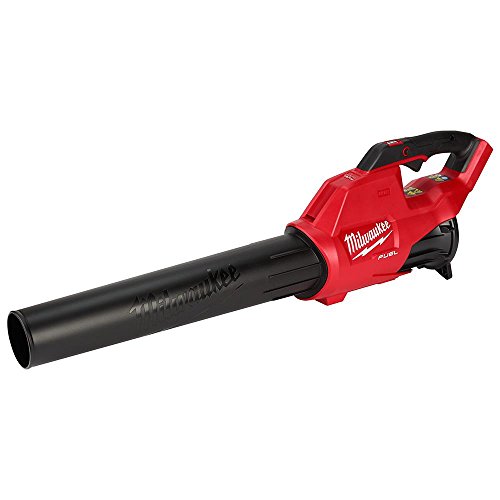
Milwaukee M18 Fuel Blower - Verdict: Best for M18 Battery Owners
The Milwaukee M18 Fuel is the leaf blower for contractors and homeowners already invested in the M18 18V tool ecosystem. 600 CFM is lower than the dedicated yard tools above, but it is enough for hardscapes, driveways, and small lawns. The M18 HD12.0 battery gives about 17 minutes on turbo, and the same battery powers drills, saws, and impacts. Trade-off is lower top-end power compared to higher voltage yard-specific platforms.

WORX WG584 Turbine - Verdict: Best for Small Lawns
The WORX WG584 Turbine runs on two 20V batteries (40V combined) and produces 470 CFM. It is the lightest blower of the lineup at 7.5 pounds and the best fit for under-quarter-acre yards. Variable speed trigger and turbo button cover most homeowner needs, and the dual battery system lets you swap one battery at a time for continuous work. Power is genuinely lower than 56V and 80V tools, so do not expect it to move wet leaves.
What we liked
- HARNESS THE HIGH-FORCE POWER: With Turbine fan technology this battery leaf blower produce
- SAME BATTERY, EXPANDABLE POWER: The same PowerShare batteries (sold separately) that run t
- CORDLESS LEAF BLOWER WITH BOOSTED POWER: With its high-efficiency brushless motor, this 40
- SET THE PERFECT SPEED: Stay in control of blower cordless power with 3-speed control plus
- LIGHTWEIGHT AND COMPACT: A cordless leaf blower with battery and charger doesn't have to w
How to choose
What to consider
Start with yard size. Under quarter-acre lawns work fine with a 20V to 40V handheld blower in the 400 to 500 CFM range. Quarter-acre to half-acre yards need 600 CFM plus and a higher voltage battery (56V to 80V) for sustained power. Larger properties may still benefit from a gas backpack blower for the runtime, or two batteries on rotation.
What to consider
CFM matters more than MPH for most cleanup. High CFM moves piles of leaves, mulch, and wet debris. High MPH is useful for tight spaces (between rocks, along curbs) where you want a narrower, faster jet of air. The top blowers offer both with a turbo mode.
What to consider
Battery platform matters as much as the tool. If you already own EGO, Greenworks, Ryobi, or Milwaukee batteries, stick with that brand to save on duplicates. If you are starting from zero, EGO has the broadest yard tool lineup and the longest battery warranties at 5 years.
Common questions
The top-tier 80V and dual-40V models match gas leaf blowers for power and run 30 to 60 minutes on a battery. They handle quarter-acre to half-acre yards on a single charge.
CFM (cubic feet per minute) moves more leaves overall. MPH (miles per hour) moves leaves faster but lighter. For wet leaves and debris, high CFM is more useful.
Battery runtime depends on motor speed. On low, expect 60 to 90 minutes. On full turbo, expect 8 to 20 minutes. Two batteries is usually enough for most homeowners.
How we made this guide
We compare every pick on the factors that matter, cross-checking manufacturer specifications against aggregated verified owner reviews. We rank independently and never take payment for placement. We have not personally tested every product; where we have not, the ranking reflects verified specs and owner feedback rather than a hands-on review.
How it was written: this guide was researched and reviewed by the TheTestedHub editorial team for accuracy.
Affiliate disclosure: TheTestedHub is reader-supported. When you buy through links on our site, we may earn a commission at no extra cost to you.
More guides

Find Your Perfect BBQ Sauce: Expert Picks
Which BBQ Cooler Best Freezes? Yeti Tundra 45 Reviewed

Best BBQ Smokers of 2026: Expert Picks for Every Cook

Experts Recommend the Best BBQ Tools of 2026
Best BBQ & Grilling 2026: Every Budget, Top Value

What’s the Best Greenhouse Kit for Your Garden?

Sprinkler Timers Reviewed: Why the Rachio 3 Wins in 2026
