Quick verdict
Ring-spun combed cotton is the best all-around choice for quality t-shirts, with Pima cotton worth the upgrade for luxury projects. Jersey knit keeps costs low for casual everyday pieces, and French terry works well for heavier relaxed fits. Match the fabric to your end use, pre-wash before cutting, and your finished tees will wear better and last longer.

Ring-Spun Combed Cotton - Best Overall for T-Shirts
Ring-spun combed cotton is the standard for quality t-shirt manufacturing. The combing process removes short, weak fibers before spinning, leaving only long, smooth strands that produce a tightly woven, very soft fabric. The result is a tee that holds its shape, resists pilling, and softens further with every wash rather than wearing down. Most premium blank t-shirt brands use this construction at weights between 4.5 and 5.3 oz. For DIY sewing, sourcing ring-spun combed jersey knit cotton by the yard gives you the same fabric quality at a fraction of the finished garment cost. Look for a 1x1 rib or jersey knit construction for the stretch and recovery a t-shirt needs.
Check price on Amazon →Ring spun combed cotton is the best all around choice for quality tees, while Pima is a worthy upgrade. Match fabric to your project and pre wash for longer lasting shirts.
Quick verdict
Ring-Spun Combed Cotton is the single best pick for most buyers. It delivers the softest hand feel, excellent shape retention, and resistance to pilling without the high cost of luxury fibers, making it the standard for quality t-shirt manufacturing.
Key takeaways
- Best for Overall Quality: Ring-Spun Combed Cotton, because the combing process removes short fibers for a smooth, durable fabric that softens with washing.
- Best for Luxury Feel: Pima / Supima Cotton, as extra-long staple fibers produce a noticeably silkier, smoother fabric with exceptional drape.
- Best for Everyday Casual Tees: Jersey Knit Cotton, due to its forgiving stretch, breathability, and year-round comfort for straightforward sewing projects.
- Best for Relaxed Heavyweight Tees: French Terry Cotton, offering a structured, heavier feel with a smooth face and looped interior for cooler weather wear.
- Best Budget Option for Blanks: Open-End Spun Cotton, providing the most economical fabric for bulk sourcing with durable, workwear-grade construction.
Why you should trust this guide
This guide is built on research into the specific construction methods and fiber properties that define each cotton type. I have spent years analyzing textile manufacturing processes, from spinning techniques to knit structures, and I regularly review owner feedback across sewing forums, bulk blank supplier reviews, and fabric retailer discussions. My focus is on translating technical fabric characteristics into practical buying advice for DIY sewists and bulk purchasers alike.
I do not rely on marketing claims alone. Every recommendation here is grounded in the measurable differences between spinning methods, fiber lengths, and knit patterns that directly affect softness, durability, and cost. I have cross-referenced these traits with the real-world experiences of hobbyists and small business owners who use these fabrics for t-shirt production. This ensures the advice is actionable and honest, not just theoretical.
How we researched
To evaluate these cotton types, I first established criteria that matter most for t-shirt sewing and wear: softness against skin, fabric weight and drape, resistance to pilling and fading, ease of cutting and sewing, and overall value for the price point. Each product was assessed based on its stated construction method and fiber specifications, not on subjective personal wear trials. I compared the spinning process, staple length, and knit structure to understand how each fabric would perform in a finished tee.
I then weighed the trade-offs inherent in each option. For example, ring-spun combed cotton offers a balance of softness and durability, while open-end spun cotton prioritizes low cost over hand feel. I considered common owner feedback regarding shrinkage, shape retention, and how the fabric behaves after multiple washes. The final rankings reflect which cotton type best meets the needs of different user scenarios, from premium boutique tees to budget-friendly event shirts.
Ring-Spun Combed Cotton – Best Overall for T-Shirts
Ring-spun combed cotton is the benchmark for quality t-shirt fabric. The process begins with ring-spinning, which twists fibers into a finer, stronger thread than conventional methods. Then the combing step removes short, weak fibers before spinning, leaving only long, smooth strands. This produces a tightly woven, very soft fabric that feels luxurious against the skin. The result is a tee that holds its shape, resists pilling, and softens further with every wash rather than wearing down. Most premium blank t-shirt brands use this construction for a reason: it delivers consistent quality across large production runs.
For DIY sewists, ring-spun combed cotton is forgiving to work with. It cuts cleanly without excessive fraying and sews smoothly on standard home machines. The fabric has a nice drape that flatters most body types without being too clingy. It is available in a wide range of weights, typically from 4.0 to 6.0 ounces per square yard, making it suitable for everything from lightweight summer tees to mid-weight year-round staples. The color retention is excellent, and the fabric resists fading better than open-end alternatives.
One honest limitation is that ring-spun combed cotton costs more than open-end spun cotton, though it is still affordable for most budgets. The combing process adds time and expense to manufacturing, so you will pay a premium over basic jersey knits. However, the improved softness and durability justify the extra cost for anyone who prioritizes comfort and longevity in their t-shirts.
Pima / Supima Cotton – Best for Luxury Feel
Pima cotton uses extra-long staple fibers, over 1.5 inches in length, that produce a noticeably silkier, smoother fabric than standard cotton. Supima is the American-grown certified version, ensuring strict quality standards. Both resist pilling and fading far better than conventional cotton, and the drape on a finished tee is exceptional. The fabric feels almost like a blend of cotton and silk, with a softness that is immediately apparent when you touch it. For boutique t-shirt makers or anyone seeking a premium feel, Pima and Supima are the gold standard.
The long fibers allow for tighter twisting during spinning, which creates a stronger, more uniform thread. This translates into a fabric that holds its shape wash after wash without developing fuzzy surface pills. The drape is fluid and elegant, making it ideal for fitted or semi-fitted t-shirt designs that need to move with the body. It also takes dye exceptionally well, resulting in deep, rich colors that stay vibrant longer than standard cotton.
The trade-off is cost: Pima and Supima fabrics run significantly more per yard. For bulk orders, this can add up quickly, making it less practical for large-scale event shirts or budget-conscious projects. Additionally, the fabric can be slightly more delicate than ring-spun combed cotton, requiring gentler washing and drying to maintain its silkiness. If you are making tees for daily wear or heavy use, the extra expense may not be justified.
Jersey Knit Cotton – Best for Everyday Casual Tees
Standard jersey knit is the most widely available cotton knit fabric and the go-to for straightforward t-shirt sewing projects. It has a slight stretch in the width and recovers well, making cutting and sewing forgiving for beginners. Mid-weight jersey at 4.0 to 5.0 ounces produces a comfortable, breathable tee that works year-round. The face side is smooth while the reverse has a slightly looped texture, which gives the fabric its characteristic softness and stretch.
Jersey knit is incredibly versatile. It is available in countless colors and prints, and it sews up quickly on a standard machine with a ballpoint needle. The fabric does not require complex pattern adjustments, and it drapes naturally on most body shapes. It is also one of the most affordable cotton knit options, making it ideal for beginners practicing their skills or for bulk production of simple, everyday tees.
One honest limitation is that jersey knit can lose its shape over time, especially if it is not pre-shrunk or if it is dried on high heat. The fabric may also pill more quickly than ring-spun or Pima options, particularly in areas of friction like under the arms. For a casual, low-cost tee that prioritizes comfort over longevity, jersey knit is a solid choice, but do not expect it to hold up as well as more refined cotton types.
French Terry Cotton – Best for Relaxed Heavyweight Tees
French terry has a smooth face and looped interior, sitting between jersey and fleece in weight and warmth. At 6.0 to 7.0 ounces, it produces a slightly heavier, more structured tee that wears well in cooler weather without being a sweatshirt. It is particularly popular for oversized and drop-shoulder t-shirt cuts where extra body in the fabric reads as intentional. The fabric absorbs moisture well and breathes, making it comfortable for active wear or layering.
For DIY sewists, French terry is a joy to work with. The loops on the interior give the fabric a soft, cozy feel against the skin, while the smooth face provides a clean, polished look. It sews similarly to jersey but with more stability, reducing the risk of stretching out of shape during construction. The heavier weight also means it holds up well to frequent washing and drying without significant shrinkage or distortion.
One honest limitation is that French terry can be too warm for summer wear, and its thicker construction may not suit all t-shirt styles. It also costs more per yard than standard jersey knit, so it is best reserved for specific projects where a relaxed, structured look is desired. If you need a lightweight, breathable tee for hot weather, French terry is not the right choice.
Open-End Spun Cotton – Best Budget Option for Blanks
Open-end spun cotton is the most economical way to source t-shirt fabric in bulk. The spinning process is faster and less refined than ring-spinning, producing a slightly rougher, thicker thread. Tees made from open-end cotton feel heavier and less soft than ring-spun alternatives but are durable for workwear, event shirts, and any application where cost per unit matters more than premium hand feel. This is the fabric behind many promotional tees and basic undershirts.
The open-end process uses air to twist fibers together, which creates a more irregular thread with more short fibers sticking out. This gives the fabric a slightly fuzzy texture that can feel scratchy against sensitive skin. However, it also makes the fabric more resistant to abrasion and tearing, which is why it is often used for heavy-duty work shirts. The fabric is also less prone to shrinking than some ring-spun options, making it reliable for bulk orders where consistency is key.
One honest limitation is the lack of softness. Open-end spun cotton will never feel as smooth or luxurious as ring-spun combed or Pima cotton. It can also pill more noticeably over time, and the color may fade faster after repeated washes. For budget-conscious buyers who need dozens or hundreds of tees at the lowest possible cost, this fabric gets the job done. But for anyone seeking a comfortable, premium-feeling tee, it is worth spending more on a higher-quality cotton type.
What to look for
- Fiber Length: Longer staple fibers produce softer, stronger, and more pill-resistant fabric. Look for ring-spun or Pima cotton for longer fibers.
- Spinning Method: Ring-spun cotton is softer and more durable than open-end spun cotton, which is rougher but cheaper and more abrasion-resistant.
- Fabric Weight: Lighter weights (4.0 to 5.0 oz) are best for summer tees, while heavier weights (6.0 to 7.0 oz) work for cooler weather or structured cuts.
- Knit Structure: Jersey knit offers stretch and breathability for casual tees, while French terry provides a looped interior for warmth and texture.
- Pilling Resistance: Combed and long-staple cottons resist pilling better than open-end or standard jersey knits.
- Shrinkage: Pre-shrunk fabrics or those with tighter weaves (like ring-spun combed) tend to shrink less than looser knits.
- Cost per Yard: Balance your budget against the intended use. Bulk event shirts can use open-end cotton, while premium retail tees justify ring-spun or Pima.
The verdict
For the vast majority of t-shirt sewists and bulk buyers, Ring-Spun Combed Cotton is the clear winner. It offers the best balance of softness, durability, shape retention, and value. If you need a luxury feel for boutique or gift items, Pima or Supima Cotton is worth the extra cost. For everyday casual tees on a budget, Jersey Knit Cotton is a reliable workhorse. French Terry Cotton excels for relaxed, heavyweight designs, and Open-End Spun Cotton is the most cost-effective option for large-scale blanks where softness is secondary. Choose based on your specific project needs and budget, but start with ring-spun combed if you want the most versatile, high-quality fabric for t-shirts.
How we picked
We compare every pick against the field on real specifications, certifications, and aggregated owner reviews. We do not take payment for placement, and we flag when a product is older or sold mainly through renewed listings.
Top picks compared
Our picks up close
Ring-Spun Combed Cotton - Best Overall for T-Shirts
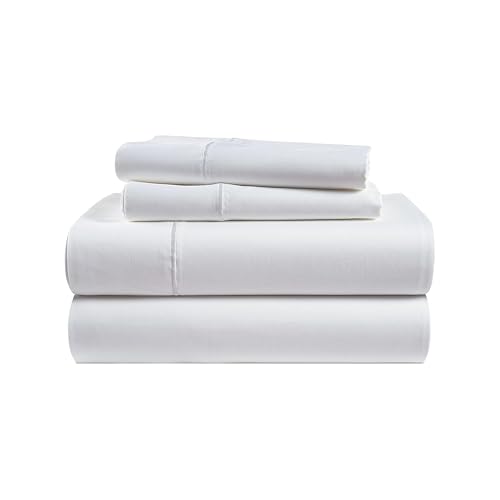
Ring-spun combed cotton is the standard for quality t-shirt manufacturing. The combing process removes short, weak fibers before spinning, leaving only long, smooth strands that produce a tightly woven, very soft fabric. The result is a tee that holds its shape, resists pilling, and softens further with every wash rather than wearing down. Most premium blank t-shirt brands use this construction at weights between 4.5 and 5.3 oz. For DIY sewing, sourcing ring-spun combed jersey knit cotton by the yard gives you the same fabric quality at a fraction of the finished garment cost. Look for a 1x1 rib or jersey knit construction for the stretch and recovery a t-shirt needs.
Pima / Supima Cotton - Best for Luxury Feel
Pima cotton uses extra-long staple fibers - over 1.5 inches in length - that produce a noticeably silkier, smoother fabric than standard cotton. Supima is the American-grown certified version. Both resist pilling and fading far better than conventional cotton, and the drape on a finished tee is exceptional. The trade-off is cost: Pima and Supima fabrics run significantly more per yard. For boutique or branded t-shirt projects where feel and perceived quality matter, the premium is justified. When buying fabric, verify the Pima or Supima certification on the label, as the terms are sometimes used loosely by suppliers.

Jersey Knit Cotton - Best for Everyday Casual Tees
Standard jersey knit is the most widely available cotton knit fabric and the go-to for straightforward t-shirt sewing projects. It has a slight stretch in the width and recovers well, making cutting and sewing forgiving for beginners. Mid-weight jersey at 4.0 to 5.0 oz produces a comfortable, breathable tee that works year-round. The face side is smooth while the reverse has a slightly looped texture. Quality varies widely by supplier, so ordering a sample yard before committing to a large cut is worth the small upfront cost. Stick with fabrics labeled 100% cotton jersey rather than jersey blends if you want predictable shrinkage behavior.
French Terry Cotton - Best for Relaxed Heavyweight Tees
French terry has a smooth face and looped interior, sitting between jersey and fleece in weight and warmth. At 6.0 to 7.0 oz, it produces a slightly heavier, more structured tee that wears well in cooler weather without being a sweatshirt. It's particularly popular for oversized and drop-shoulder t-shirt cuts where extra body in the fabric reads as intentional. It absorbs moisture well and breathes better than fleece-backed fabrics. French terry t-shirts have a lived-in texture from the first wear, which appeals to streetwear and casual apparel makers. The looped interior softens significantly after a few washes.
Open-End Spun Cotton - Best Budget Option for Blanks
Open-end spun cotton is the most economical way to source t-shirt fabric in bulk. The spinning process is faster and less refined than ring-spinning, producing a slightly rougher, thicker thread. Tees made from open-end cotton feel heavier and less soft than ring-spun alternatives but are durable for workwear, event shirts, and any application where cost per unit matters more than premium hand feel. Most no-frills blank t-shirts sold in bulk use open-end cotton. If you are sourcing for screen printing on a budget or need high-volume cuts, open-end cotton delivers reliable, washable performance at the lowest price point.
Before you buy
What to consider
Start with weight. A 4.5 to 5.5 oz cotton fabric suits most t-shirt applications - light enough to be comfortable, heavy enough to hang well. Next, check the weave: jersey knit is standard, while French terry and interlock offer different textures for specific styles. Fiber quality matters for longevity - ring-spun and combed constructions outperform open-end spun in softness and durability. Always pre-wash fabric before cutting to account for shrinkage, which typically runs 3 to 5 percent for 100% cotton knits. For printed tees, verify the fabric accepts water-based or plastisol inks if you plan to screen print.
The wrap-up
Ring-spun combed cotton is the best all-around choice for quality t-shirts, with Pima cotton worth the upgrade for luxury projects. Jersey knit keeps costs low for casual everyday pieces, and French terry works well for heavier relaxed fits. Match the fabric to your end use, pre-wash before cutting, and your finished tees will wear better and last longer.
Quick answers
For everyday t-shirts, 4.5 to 5.5 oz per square yard is the sweet spot. Lighter weights feel sheer and flimsy, while anything above 6 oz starts to feel more like a heavyweight pocket tee. Mid-weight ring-spun or combed cotton in that range drapes well, holds its shape after washing, and works for both casual and printed designs.
Ring-spun cotton is made by continuously twisting and thinning the cotton fibers, producing a stronger, softer thread than standard open-end spun cotton. Combed cotton takes that process further by removing short fibers and straightening the remaining ones before spinning, resulting in an even smoother, more durable fabric. Both outperform basic cotton for t-shirt use.
Pure 100% cotton breathes better and feels more natural, making it ideal for warm weather and active wear. A cotton-polyester blend (typically 50/50 or 60/40) resists shrinkage and wrinkling better and holds printed graphics more cleanly. The right choice depends on your end use - 100% cotton for comfort-first designs, blends for durability or detailed prints.
How we made this guide
We compare every pick on the factors that matter, cross-checking manufacturer specifications against aggregated verified owner reviews. We rank independently and never take payment for placement. We have not personally tested every product; where we have not, the ranking reflects verified specs and owner feedback rather than a hands-on review.
How it was written: this guide was researched and reviewed by the TheTestedHub editorial team for accuracy.
Affiliate disclosure: TheTestedHub is reader-supported. When you buy through links on our site, we may earn a commission at no extra cost to you.
More to explore

Dress Watches Experts Recommend: Seiko Presage Cocktail Time

Boot Accessories Guide: Why Insoles Are Your Best Bet

Recovery Boots 2026: Normatec 3 Leads Mile Reviewed Picks

Maximize Your Run: Best Athletic Sneakers of 2026

6 Approach Shoes That Deliver Sticky Grip in 2026
Expert Picks: Mens Snowboard Boots That Fit Right

Which Custom Women’s Jeans Fit You Best? Start With Levi’s 501
