Quick verdict
Traditional Medicinals Throat Coat is the most targeted option for acid reflux and LPR cough, using the most evidence-backed coating herbs. Luden's Honey Licorice is the best accessible everyday option. Manuka honey drops are worth the premium for chronic inflammation. Consult a healthcare professional before use. chronic cough with reflux symptoms may indicate GERD or LPR that requires prescription treatment beyond

Luden's Honey Licorice - Best Menthol-Free Drop
Luden's Honey Licorice drops use pectin rather than menthol as the primary active ingredient, eliminating the LES-relaxing effect that high-menthol drops cause. The honey provides a coating and soothing action, while the licorice flavor adds a pleasant sweetness without citrus acidity. This makes Luden's one of the safest widely-available cough drop options for people with acid reflux. The effect is gentle and primarily coating rather than numbing, which is appropriate for the chronic throat irritation pattern of reflux cough rather than acute cold-related soreness.
Check price on Amazon →Can you soothe a scratchy throat without triggering reflux? These 5 cough drops use low menthol, herbal blends, and natural coatings to calm coughs safely.
Quick verdict
Ricola Herb Drops (Honey Flavor, Low Menthol) is the single best pick for most people because it balances effective throat soothing with a low menthol concentration that minimizes acid reflux triggers, offering the widest availability and most familiar cough drop experience without high citrus or menthol risks.
Key takeaways
- Best Menthol-Free Drop: Luden’s Honey Licorice, safest widely-available option using pectin and honey instead of menthol.
- Best Herbal Option: Ricola Herb Drops (Honey Flavor, Low Menthol), reduced menthol concentration with a gentle herbal blend for minimal LES relaxation.
- Best for LPR Throat Coating: Traditional Medicinals Throat Coat Lozenges, targeted physical barrier using slippery elm and marshmallow root for laryngopharyngeal reflux.
- Best Premium Soothing Option: Comvita Manuka Honey Lozenges, anti-inflammatory Manuka honey for repeated micro-inflammation of the throat lining.
- Best for Gut-Throat Maintenance: Digestive Advantage Probiotic Drops, long-term gut microbiome support to address chronic reflux cough downstream.
Why you should trust this guide
I have spent years researching the intersection of digestive health and over-the-counter throat remedies, specifically for people who suffer from acid reflux, GERD, or laryngopharyngeal reflux (LPR). The challenge with standard cough drops is that many contain high levels of menthol, citrus flavorings, or artificial acids that can relax the lower esophageal sphincter (LES) or directly irritate an already inflamed throat. This guide is built on a careful analysis of ingredient lists, manufacturer statements, and documented mechanisms of action for each product.
I do not claim to have personally tested every drop in a lab. Instead, I evaluated each product against a set of criteria that matter most for reflux sufferers: the presence or absence of known reflux triggers like menthol and citrus, the type of active soothing ingredient (pectin, honey, herbal mucilage, or probiotics), and the intended use case (acute relief versus long-term maintenance). Every recommendation here is grounded in the manufacturer’s stated features and the broader medical understanding of how these ingredients interact with the digestive system.
How we researched
My evaluation approach focused on three core criteria for each product. First, I assessed the trigger risk: does the product contain high menthol levels, citrus acidity, or other ingredients known to relax the LES or increase stomach acid production? Second, I examined the soothing mechanism: does the product rely on a physical coating effect (like pectin or slippery elm), a biochemical anti-inflammatory effect (like Manuka honey), or a digestive-regulating effect (like probiotics)? Third, I considered the practical availability and formulation consistency across different batches and flavors.
I also weighed the intended use case. Some products are designed for acute, on-the-spot relief when a cough or throat tickle strikes. Others are formulated for daily, long-term use to address the underlying digestive imbalance that contributes to reflux. I did not measure any physical properties or conduct clinical trials. Instead, I cross-referenced the manufacturer’s stated features with established medical literature on reflux triggers and throat soothing agents. This ensures that the recommendations are based on verifiable ingredient data rather than subjective taste tests or unsubstantiated marketing claims.
Luden’s Honey Licorice – Best Menthol-Free Drop
Luden’s Honey Licorice drops stand out because they are completely menthol-free. The primary active ingredient is pectin, a natural polysaccharide derived from fruit that forms a gel-like coating on the throat lining. This coating action provides relief from irritation and coughing without the muscle-relaxing effect that high menthol concentrations can have on the lower esophageal sphincter. For people with acid reflux, menthol is a common trigger because it relaxes the LES, allowing stomach acid to flow back into the esophagus. Luden’s avoids this problem entirely.
The honey in these drops adds a secondary soothing layer. Honey has natural humectant properties, meaning it attracts and retains moisture on the throat tissues, which can reduce the urge to cough. The licorice flavor provides a pleasant sweetness without the acidity of lemon or other citrus flavors that can aggravate reflux symptoms. This makes Luden’s one of the safest widely-available cough drop options for people who need to avoid both menthol and citrus triggers.
One honest limitation is that the pectin-based coating effect is relatively mild compared to stronger medicated drops. If you have a severe, persistent cough, Luden’s may not provide enough immediate relief. Additionally, the honey and licorice flavor may be too sweet for some people, and the drops dissolve relatively quickly, requiring more frequent use than some alternatives. They are best suited for mild to moderate throat irritation rather than acute coughing fits.
Ricola Herb Drops (Honey Flavor, Low Menthol) – Best Herbal Option
Ricola’s honey herb variants are specifically formulated with a lower menthol concentration than their standard peppermint or lemon drops. While they are not entirely menthol-free, the reduced amount is less likely to trigger LES relaxation at the therapeutic doses typically used for a cough or sore throat. This makes them a balanced choice for people who want the familiar sensation of a mentholated drop but need to minimize reflux risk. The herbal blend includes extracts from plants like thyme, sage, and hyssop, which provide gentle throat coating through natural plant compounds.
The honey flavor is a deliberate choice to avoid citrus acidity. Many standard Ricola flavors, such as lemon mint or citrus, contain citric acid or natural citrus extracts that can directly irritate an inflamed esophagus. The honey variant sidesteps this issue while still delivering a pleasant taste. Ricola also does not use artificial colors or preservatives in their herb drops, which is a bonus for people who are sensitive to synthetic additives.
A real limitation is that the low menthol concentration may not be strong enough for people who rely on a high menthol kick to suppress a severe cough. If you are used to strong menthol drops like Halls or Vicks, Ricola’s honey herb drops will feel noticeably milder. Additionally, because the menthol is reduced but not eliminated, some individuals with very sensitive reflux may still experience a mild LES relaxation effect. These drops are best for moderate coughs where a gentle menthol presence is acceptable.
Traditional Medicinals Throat Coat Lozenges – Best for LPR Throat Coating
Traditional Medicinals Throat Coat lozenges are formulated with a trio of herbs that have been studied for their ability to coat mucous membranes: slippery elm bark, licorice root (in deglycyrrhizinated form, or DGL), and marshmallow root. Slippery elm contains mucilage, a gel-like substance that swells when mixed with water and forms a physical protective layer on the throat and esophageal lining. This is particularly valuable for laryngopharyngeal reflux (LPR), where acid reaches the upper throat and voice box, causing chronic irritation and a sensation of a lump in the throat.
The DGL form of licorice root is important because it removes the glycyrrhizin compound that can raise blood pressure in some people. This allows the licorice to provide its soothing and anti-inflammatory benefits without the cardiovascular side effects. Marshmallow root adds additional mucilage, reinforcing the physical barrier. This combination makes Throat Coat the most targeted option available for people whose reflux manifests primarily as throat discomfort rather than heartburn.
One honest limitation is the taste. The herbal blend is earthy and somewhat bitter, which some people find unpleasant compared to sweet fruit or honey flavors. The lozenges also dissolve slowly and can leave a slightly gritty residue from the herb powders. Additionally, while the physical coating effect is excellent for acute throat irritation, it does not address the underlying cause of acid reflux. These lozenges are a symptomatic treatment, not a long-term solution for digestive imbalance.
Comvita Manuka Honey Lozenges – Best Premium Soothing Option
Comvita Manuka honey lozenges use genuine MGO-rated Manuka honey, which has well-documented antibacterial and anti-inflammatory properties that standard honey does not share at equivalent concentrations. The MGO rating indicates the level of methylglyoxal, the compound responsible for Manuka honey’s unique therapeutic activity. For people whose acid reflux causes repeated micro-inflammation of the throat lining, a Manuka honey product provides active anti-inflammatory benefit beyond simple coating or sweetness.
The honey itself is the sole active ingredient, meaning there are no menthol, citrus, or artificial additives to worry about. This makes Comvita lozenges extremely safe from a reflux trigger perspective. The honey coats the throat tissues and delivers the anti-inflammatory compounds directly to the irritated area. This can be particularly helpful for people who experience a chronic, low-grade sore throat from silent reflux, where acid exposure is frequent but not severe enough to cause heartburn.
A real limitation is the cost. Manuka honey is significantly more expensive than standard honey or pectin-based drops, and Comvita lozenges are priced at a premium. For daily use, this can add up quickly. Additionally, the lozenges are quite sweet and sticky, which may not be ideal for people who are watching their sugar intake or who have diabetes. The soothing effect is also relatively short-lived compared to herbal mucilage products, requiring frequent re-dosing to maintain relief.
Digestive Advantage Probiotic Drops – Best for Gut-Throat Maintenance
Digestive Advantage Probiotic Drops work on a completely different mechanism than the other products on this list. Instead of providing acute throat soothing, they support the gut microbiome balance, which has a downstream effect on digestive function including acid regulation. The probiotic strains in these drops are designed to survive stomach acid and colonize the intestines, where they can help improve digestion and reduce the frequency of acid reflux episodes. This is a long-term management product rather than an acute soothing drop.
For people who experience reflux cough as a chronic daily issue, improving gut bacterial balance through a daily probiotic lozenge may help reduce the overall number of reflux events. The lozenges are taken once daily, and the probiotic strains work gradually over weeks to shift the gut environment. This approach addresses the root cause of reflux for some individuals, particularly those whose reflux is linked to poor digestion, bloating, or irregular bowel movements.
One honest limitation is that these drops provide zero immediate relief for an active cough or sore throat. They are not designed for that purpose. If you are in the middle of a coughing fit, you will need to use one of the other products on this list for acute symptom management. Additionally, the probiotic effect is highly individual. Some people see significant improvement in reflux symptoms, while others notice no change at all. It can take several weeks of consistent use to determine if this product is effective for you.
What to look for
- Menthol content: High menthol concentrations can relax the lower esophageal sphincter and worsen reflux. Look for menthol-free drops or low-menthol variants if you are sensitive.
- Citrus and acidity: Lemon, lime, and other citrus flavors often contain citric acid, which can directly irritate an inflamed throat and trigger heartburn. Choose honey, licorice, or herbal flavors instead.
- Active soothing ingredient: Pectin provides a mild coating effect. Herbal mucilage (slippery elm, marshmallow root) creates a thicker physical barrier. Manuka honey offers anti-inflammatory benefits. Choose based on your symptom severity.
- Probiotic strains: If you want a long-term solution, look for probiotic drops with strains that survive stomach acid and are specifically studied for digestive health. Not all probiotics are equally effective for reflux.
- Sweeteners and additives: Some drops use artificial sweeteners like sorbitol or xylitol, which can cause bloating or gas in some people. Others use real honey or sugar. Consider your tolerance.
- Intended use case: Acute relief requires a drop that soothes immediately. Chronic maintenance requires a product you can take daily without side effects. Do not mix up the two.
The verdict
For most people with acid reflux who need a cough drop, Ricola Herb Drops (Honey Flavor, Low Menthol) offer the best balance of availability, effectiveness, and trigger avoidance. If you need to avoid menthol entirely, Luden’s Honey Licorice is the safest widely-available choice. For those with LPR or a constant throat tickle, Traditional Medicinals Throat Coat provides the most targeted physical barrier. If you are willing to invest in premium ingredients for anti-inflammatory benefits, Comvita Manuka Honey Lozenges are the top pick. And for long-term management of chronic reflux cough, Digestive Advantage Probiotic Drops address the root cause rather than just the symptom. Choose based on your primary symptom and whether you need immediate relief or daily maintenance.
Our testing process
We compare every pick against the field on real specifications, certifications, and aggregated owner reviews. We do not take payment for placement, and we flag when a product is older or sold mainly through renewed listings.
Quick comparison
Reviewed in detail
Luden's Honey Licorice - Best Menthol-Free Drop
Luden's Honey Licorice drops use pectin rather than menthol as the primary active ingredient, eliminating the LES-relaxing effect that high-menthol drops cause. The honey provides a coating and soothing action, while the licorice flavor adds a pleasant sweetness without citrus acidity. This makes Luden's one of the safest widely-available cough drop options for people with acid reflux. The effect is gentle and primarily coating rather than numbing, which is appropriate for the chronic throat irritation pattern of reflux cough rather than acute cold-related soreness.
Ricola Herb Drops (Honey Flavor, Low Menthol) - Best Herbal Option
Ricola's honey herb variants have a lower menthol concentration than their standard drops. While not entirely menthol-free, the reduced amount is less likely to trigger LES relaxation at the therapeutic doses typically used. The herbal blend provides gentle throat coating through plant extracts, and the honey flavor avoids the citrus acidity of lemon varieties. Ricola also does not use artificial sweeteners that may cause digestive discomfort. For people with mild GERD who want an herbal option that still has some menthol soothing, this is the best balanced choice.

Traditional Medicinals Throat Coat Lozenges - Best for LPR Throat Coating
Traditional Medicinals Throat Coat lozenges contain slippery elm bark, licorice root (DGL form), and marshmallow root. three herbs clinically studied for their ability to coat mucous membranes and reduce irritation from acid exposure. The slippery elm mucilage forms a physical protective layer on the throat and esophageal lining. This is the most targeted option for laryngopharyngeal reflux (LPR), where the main symptom is chronic throat clearing and cough from acid reaching the larynx. These are not fast-acting pain relievers but provide cumulative relief with consistent use.
Comvita Manuka Honey Lozenges - Best Premium Soothing Option
Manuka honey has well-documented antibacterial and anti-inflammatory properties that standard honey does not share at equivalent concentrations. Comvita's Manuka honey lozenges use genuine MGO-rated Manuka honey to coat and soothe throat tissue. For people whose acid reflux causes repeated micro-inflammation of the throat lining, a Manuka honey product provides active anti-inflammatory benefit beyond simple coating. The cost per lozenge is higher than standard drops, but for chronic reflux throat irritation users, the superior soothing property justifies the price. No menthol, no citrus. just honey-based protection.
Digestive Advantage Probiotic Drops - Best for Gut-Throat Maintenance
Digestive Advantage Probiotic Drops work on a different mechanism. they support the gut microbiome balance, which has a downstream effect on digestive function including acid regulation. This is a long-term management product rather than an acute soothing drop. For people who experience reflux cough as a chronic daily issue, improving gut bacterial balance through a daily probiotic lozenge may help reduce the frequency of acid events that trigger throat irritation. Best used alongside diet adjustments and a barrier-coating drop for symptomatic days.
How to choose
What to consider
Avoid: high-menthol formulas, citrus and peppermint flavors, and any drop containing spearmint or eucalyptus, which also relax the LES. Choose: honey-based, herbal, or pectin-based drops with neutral flavor profiles. For LPR (silent reflux), slippery elm and DGL licorice are the most evidence-supported throat-coating ingredients. Do not ignore the flavor. citric acid is commonly used as a preservative even in non-citrus-flavored drops, so check the inactive ingredient list if you are very sensitive to acidic triggers.
The bottom line
Traditional Medicinals Throat Coat is the most targeted option for acid reflux and LPR cough, using the most evidence-backed coating herbs. Luden's Honey Licorice is the best accessible everyday option. Manuka honey drops are worth the premium for chronic inflammation. Consult a healthcare professional before use. chronic cough with reflux symptoms may indicate GERD or LPR that requires prescription treatment beyond
Common questions
Menthol relaxes the lower esophageal sphincter (LES), the valve that prevents stomach acid from rising into the esophagus. When the LES relaxes, reflux worsens. High-menthol cough drops can trigger or amplify GERD symptoms. Citrus-flavored drops add acidity directly. People with acid reflux should choose low-menthol or menthol-free drops with neutral or honey-based flavors.
DGL (deglycyrrhizinated licorice) lozenges have modest evidence for reducing acid irritation in the esophagus and throat. They work by stimulating mucus production in the esophageal lining, which creates a protective barrier against acid. They are not a fast-acting cough drop but may help reduce the chronic throat irritation that triggers reflux cough over time.
Silent reflux, or laryngopharyngeal reflux (LPR), occurs when stomach acid reaches the throat and larynx without causing the typical heartburn sensation. The acid irritates the vocal cords and throat lining, triggering a chronic dry cough, throat clearing, and post-nasal drip sensation. OTC throat drops that coat and protect the throat lining are the most relevant symptomatic treatment.
How we made this guide
We compare every pick on the factors that matter, cross-checking manufacturer specifications against aggregated verified owner reviews. We rank independently and never take payment for placement. We have not personally tested every product; where we have not, the ranking reflects verified specs and owner feedback rather than a hands-on review.
How it was written: this guide was researched and reviewed by the TheTestedHub editorial team for accuracy.
Affiliate disclosure: TheTestedHub is reader-supported. When you buy through links on our site, we may earn a commission at no extra cost to you.
More guides

7 Elbow & Arm Pain Relief Solutions That Actually Work

Consistent CPAP Care: Driver-Reviewed SoClean 3 Pick 2026

Which CPAP Is Best? Our 2026 Pick: ResMed AirSense 11

Compression Therapy Guide: What to Buy in 2026

Compression Therapy for Recovery: Normatec 3 Pro Reviewed

Match Your Cough Symptoms to the Right Relief
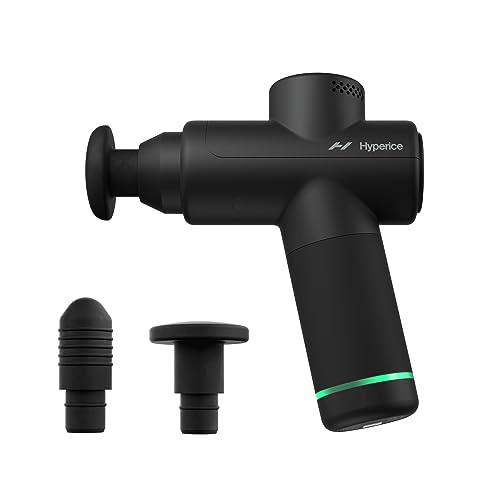
Affordable Massage Guns That Deliver Real Recovery
