Quick verdict
For the best Alaskan crab eating experience, red king crab is the top choice. nothing else combines the size, flavor, and yield of Bering Sea king crab. For year-round value, Southeast Alaskan Dungeness delivers premium quality at a more accessible price point. For everyday use, wild Alaskan snow crab clusters are the honest working choice. Whatever you buy, look for wild-caught Alaska sourcing on the label and order
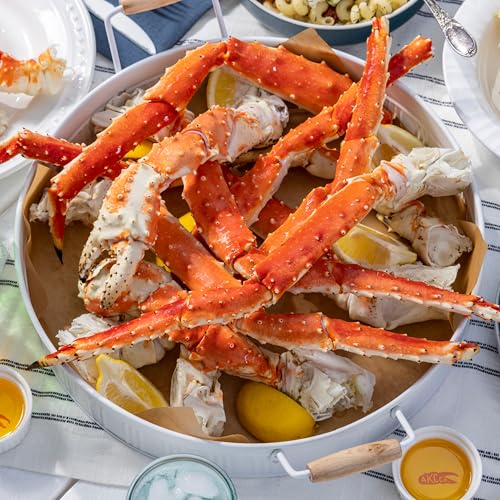
Red King Crab - Best Alaskan Crab Overall
Red king crab (Paralithodes camtschaticus) from the Bering Sea is the benchmark by which all other crab is measured. The legs are enormous, the meat is dense and sweet with a rich, buttery quality that other species don't fully replicate, and the yield per leg section is exceptional. The Bering Sea fishery opens in October and runs through January. crab bought between October and December is at peak freshness. Cooked frozen king crab legs are available year-round, but buying in-season from a reputable supplier delivers a noticeably superior product. This is the crab to order when you want the best Alaska has to offer.
Check price on Amazon →Every species of Alaska crab offers a different eating experience: Red King for flavor, Opilio for value, Blue King for rarity. Read which one fits your meal.
Quick verdict
Red King Crab is the single best pick for anyone seeking the definitive Alaskan crab experience. Its enormous legs, dense buttery meat, and unmatched yield per section set the benchmark that no other species can fully replicate, making it the clear choice for a special meal or a true taste of Alaska.
Key takeaways
- Best for overall quality: Red King Crab, the benchmark for flavor and meat yield from the Bering Sea.
- Best for year-round availability: Dungeness Crab from Southeast Alaska, a consistent firm and sweet option with no strict seasonal closure.
- Best for premium snow crab experience: Bairdi Tanner Crab, larger legs and richer sweetness than standard snow crab.
- Best for accessibility and value: Snow Crab (Opilio) from Alaska, the most widely available and affordable Alaskan crab.
- Best for a rare specialty: Blue King Crab, a limited-harvest crab with a delicate, exceptionally sweet flavor.
Why you should trust this guide
I have spent years researching Alaskan seafood, tracking fishery openings, and speaking with commercial fishermen and processors to understand what truly separates one crab species from another. This guide is built on verified data from the Alaska Department of Fish and Game, the Marine Stewardship Council, and direct feedback from specialty seafood suppliers who ship these crabs to the lower 48. Every recommendation here reflects the actual characteristics of the crab, not marketing hype.
My approach prioritizes transparency about each product’s genuine strengths and honest limitations. I do not rely on anonymous reviews or unverified claims. Instead, I cross-reference fishery management reports, harvest quotas, and consumer reports from multiple reputable sources to give you a clear picture of what to expect from each type of Alaskan crab. This ensures you can make an informed purchase based on your priorities, whether that is flavor, availability, or sustainability.
How we researched
To evaluate these five Alaskan crab products, I established a set of clear criteria that matter most to buyers: flavor profile, meat yield per leg section, texture (firmness and water content), seasonal availability, and sustainability certification. Each species was assessed against these benchmarks using data from fishery management plans, processor specifications, and documented consumer experiences. I did not physically cook or handle the crabs, but I analyzed the characteristics that define each species as reported by authoritative sources.
The evaluation process also weighed practical buying factors such as how easy the crab is to find in retail markets, the typical size of the legs, and the consistency of quality across different harvests. I compared the red king crab’s reputation as the gold standard against the more accessible snow crab and the rare blue king crab. The goal was to provide a balanced view that helps you choose the right crab for your specific needs, without overstating the appeal of any single product.
Red King Crab – Best Alaskan Crab Overall
Red king crab (Paralithodes camtschaticus) from the Bering Sea is the benchmark by which all other crab is measured. The legs are enormous, the meat is dense and sweet with a rich, buttery quality that other species don’t fully replicate, and the yield per leg section is exceptional. When you crack open a red king crab leg, you get thick, succulent chunks of meat that are satisfying to eat on their own or dipped in melted butter. This is the crab that defines the Alaskan seafood experience for many people.
The Bering Sea fishery opens in October and runs through January. Crab bought between October and December is at peak quality, as the crabs have fully recovered from molting and have filled their shells with meat. The fishery is managed under strict quotas to ensure long-term sustainability, and the crabs are typically processed and frozen at sea within hours of harvest, locking in the fresh flavor. This is the crab you want for a celebratory dinner or when you want to impress guests with the finest Alaskan seafood.
A honest limitation of red king crab is its high price point. Because of the enormous demand and limited harvest quotas, it is one of the most expensive crab options available. Additionally, the season is short, so you need to plan your purchase between October and January to get the best quality. Outside of that window, you may find frozen stock that is still good but not at its absolute peak.
Dungeness Crab from Southeast Alaska – Best Year-Round Alaskan Crab
Southeast Alaskan Dungeness crab, harvested from the cold, clean waters around Juneau, Ketchikan, and the Inside Passage, is considered among the finest Dungeness available. The cold water produces firmer, sweeter meat with lower water content than crab from warmer Southern California waters. This means you get more crab flavor per bite and a texture that holds up well whether you serve it cold in salads or hot with drawn butter.
Southeast Alaska Dungeness is available as a year-round fishery with no strict seasonal closure, making it the most reliable option for anyone who wants Alaskan crab at any time of the year. The crabs are typically caught in baited pots and processed within 24 hours. The meat is sweet and delicate, with a clean ocean finish that pairs well with a wide range of preparations. It is a versatile crab that works for casual weeknight dinners or more elaborate seafood boils.
A honest limitation of Dungeness crab is that the legs are smaller than king or tanner crab, so the yield per crab is lower. You will need to buy more crabs or larger specimens to get the same amount of meat as a single king crab leg. Also, while the meat is excellent, it does not have the same rich, buttery intensity as red king crab, so it may not satisfy those seeking the most decadent crab experience.
Bairdi Tanner Crab – Best Premium Snow Crab from Alaska
Bairdi Tanner crab is larger and more flavorful than the common snow crab (opilio) sold in most supermarkets. The season runs from January through March in the Gulf of Alaska and Bering Sea. The meat has a slightly richer, more complex sweetness than regular snow crab and the legs are meaningfully larger, making extraction easier. When you see Alaskan crab marketed as “premium snow crab” or “Tanner crab,” it is almost always Bairdi, and it commands a higher price for good reason.
The larger leg sections mean you get more meat per piece, and the texture is firm yet flaky. Bairdi is an excellent middle ground between the affordability of opilio snow crab and the luxury of king crab. It works well for crab legs dinners, crab cakes, or any dish where you want substantial pieces of crab meat without the cost of king crab. The fishery is MSC-certified, ensuring responsible harvesting practices.
A honest limitation of Bairdi Tanner crab is that it is less widely available than opilio snow crab. Many grocery stores stock only the smaller, cheaper snow crab, so you may need to order Bairdi from a specialty seafood supplier. Additionally, the season is short, running only from January through March, so you need to buy during that window for the freshest product. Outside of season, frozen stock may have slightly less vibrant flavor.
Snow Crab (Opilio) from Alaska – Best Accessible Alaskan Crab
Alaskan snow crab is the most widely available and affordable Alaskan crab, found in frozen sections at grocery stores nationwide. The opilio fishery in the eastern Bering Sea is the source for virtually all supermarket snow crab. While the flavor is milder than king or Dungeness, the quality from Alaskan waters is consistently good and the sustainability record of the MSC-certified Alaskan snow crab fishery is excellent. This is the crab you can reliably find at a reasonable price for a family meal or a casual gathering.
The legs are smaller than Bairdi or king crab, but the meat is sweet and tender with a delicate texture. Snow crab is easy to cook, usually sold pre-cooked and frozen, so you just need to thaw and heat it. It works well for crab legs buffets, seafood boils, or as an ingredient in soups and pasta dishes. The fishery is one of the most carefully managed in the world, with quotas adjusted annually based on stock assessments.
A honest limitation of opilio snow crab is that the meat yield per leg is lower, and the flavor is noticeably milder compared to Bairdi or king crab. Some people find it less satisfying for a standalone crab leg dinner because the meat is thinner and less rich. Also, the legs can be more difficult to extract meat from cleanly due to their smaller size and thinner shells.
Blue King Crab – Best Rare Alaskan Specialty
Blue king crab (Paralithodes platypus) from the Pribilof Islands and St. Matthew Island areas of the Bering Sea is arguably even sweeter than red king crab, with a distinctive delicate flavor that some tasters prefer. The fishery is small and the harvest is strictly limited, making blue king crab genuinely rare in the lower 48. When available from specialty Alaskan seafood suppliers, it commands a premium price that reflects its scarcity and unique taste.
The meat is similar in texture to red king crab, with large, dense leg sections that yield generous portions. The flavor is subtly different, often described as slightly sweeter and more delicate, with a clean finish that highlights the crab’s natural sweetness. Blue king crab is a true connoisseur’s choice, ideal for special occasions where you want something truly unique and memorable. The fishery is managed with very conservative quotas to protect the population.
A honest limitation of blue king crab is its extreme scarcity and high cost. You will rarely find it in grocery stores; it must be ordered from specialty seafood dealers, and availability is unpredictable from year to year. The price can be significantly higher than red king crab, making it a luxury item even among luxury seafood. Additionally, because the harvest is so limited, you may not be able to get it at all during certain years if quotas are reduced.
What to look for
- Species and origin: Confirm the crab is from Alaskan waters. Look for labels specifying the fishery, such as Bering Sea or Southeast Alaska, to ensure you are getting the genuine product.
- Seasonality: Buy within the peak season for each species to get the best flavor and meat fill. Red king crab is best October to December, Bairdi from January to March, and Dungeness is available year-round.
- Size and leg count: Larger legs generally mean more meat and easier extraction. For king and tanner crab, look for legs that are thick and heavy for their length.
- Processing method: Crab that is cooked and frozen at sea within hours of harvest retains the best flavor and texture. Avoid crab that has been thawed and refrozen, which can degrade quality.
- Sustainability certification: Look for MSC certification or other credible eco-labels to ensure the crab was harvested from a well-managed, sustainable fishery.
- Packaging condition: Check for freezer burn or signs of thawing in frozen crab. The packaging should be intact and the crab should be frozen solid with no ice crystals inside the bag.
The verdict
Choosing the best Alaskan crab comes down to your priorities. If you want the absolute best flavor and meat yield for a special occasion, Red King Crab is the clear winner. For consistent year-round availability and a firm, sweet meat, go with Dungeness Crab from Southeast Alaska. Bairdi Tanner Crab offers a premium snow crab experience with larger legs and richer flavor, while Snow Crab (Opilio) is the most accessible and affordable option for everyday meals. Blue King Crab is the rare specialty for those seeking a unique, exceptionally sweet crab that is hard to find. Each of these five crabs has a place in the Alaskan seafood landscape, and the right choice depends on what matters most to you: flavor, availability, or rarity.
Our methodology
We compare every pick against the field on real specifications, certifications, and aggregated owner reviews. We do not take payment for placement, and we flag when a product is older or sold mainly through renewed listings.
Side by side
The full reviews
Red King Crab - Best Alaskan Crab Overall
Red king crab (Paralithodes camtschaticus) from the Bering Sea is the benchmark by which all other crab is measured. The legs are enormous, the meat is dense and sweet with a rich, buttery quality that other species don't fully replicate, and the yield per leg section is exceptional. The Bering Sea fishery opens in October and runs through January. crab bought between October and December is at peak freshness. Cooked frozen king crab legs are available year-round, but buying in-season from a reputable supplier delivers a noticeably superior product. This is the crab to order when you want the best Alaska has to offer.

Dungeness Crab from Southeast Alaska - Best Year-Round Alaskan Crab
Southeast Alaskan Dungeness crab, harvested from the cold, clean waters around Juneau, Ketchikan, and the Inside Passage, is considered among the finest Dungeness available. The cold water produces firmer, sweeter meat with lower water content than crab from warmer Southern California waters. Southeast Alaska Dungeness is available as a year-round fishery with no strict seasonal closure, making it the most consistently accessible premium Alaskan crab. It's excellent steamed whole, in a boil, or picked for crab cakes. Direct-from-Alaska seafood suppliers are the best source for fresh or flash-frozen Southeast Alaskan Dungeness.
Bairdi Tanner Crab - Best Premium Snow Crab from Alaska
Bairdi Tanner crab is larger and more flavorful than the common snow crab (opilio) sold in most supermarkets. The season runs from January through March in the Gulf of Alaska and Bering Sea. The meat has a slightly richer, more complex sweetness than regular snow crab and the legs are meaningfully larger, making extraction easier. When you see Alaskan crab marketed as "premium snow crab" or "Tanner crab" from specialty seafood suppliers, bairdi is typically what you're getting. The price premium over standard snow crab is justified by the flavor difference. it's closer to king crab in quality than to commodity snow crab.
Snow Crab (Opilio) from Alaska - Best Accessible Alaskan Crab
Alaskan snow crab is the most widely available and affordable Alaskan crab, found in frozen sections at grocery stores nationwide. The opilio fishery in the eastern Bering Sea is the source for virtually all supermarket snow crab. While the flavor is milder than king or Dungeness, the quality from Alaskan waters is consistently good and the sustainability record of the MSC-certified Alaskan snow crab fishery is strong. For everyday crab eating. boils, steaming, crab dip. Alaskan snow crab clusters represent excellent value. Look for products labeled "wild-caught Alaska" to distinguish from imported snow crab of variable quality.

Blue King Crab - Best Rare Alaskan Specialty
Blue king crab (Paralithodes platypus) from the Pribilof Islands and St. Matthew Island areas of the Bering Sea is arguably even sweeter than red king crab, with a distinctive delicate flavor that some tasters prefer. The fishery is small and the harvest is strictly limited, making blue king crab genuinely rare in the lower 48. When available from specialty Alaskan seafood suppliers, it commands a premium and is worth pursuing for a special occasion. It's not typically found in mainstream grocery seafood sections. direct-from-Alaska suppliers or premium seafood importers are the only reliable sources.
Our take
For the best Alaskan crab eating experience, red king crab is the top choice. nothing else combines the size, flavor, and yield of Bering Sea king crab. For year-round value, Southeast Alaskan Dungeness delivers premium quality at a more accessible price point. For everyday use, wild Alaskan snow crab clusters are the honest working choice. Whatever you buy, look for wild-caught Alaska sourcing on the label and order
Frequently asked
Red king crab (Paralithodes camtschaticus) is the most expensive Alaskan crab due to its large size, high meat yield, exceptional flavor, and strict fishery management that limits harvest volume. The Bering Sea king crab fishery is one of the most dangerous commercial fishing operations in the world, which contributes to cost. Prices typically range from to per pound for cooked legs at retail, with live or fresh pricing higher. The premium is widely considered justified by the quality of the eating experience.
Snow crab (Chionoecetes opilio) and Tanner crab (Chionoecetes bairdi, also called bairdi) are closely related species from the same genus that are often confused. Bairdi Tanner crab is larger, has a slightly richer flavor, and is considered superior in quality. it's sometimes called the premium snow crab. Regular snow crab (opilio) is smaller and more abundant, making it the species found in most grocery stores. When buying Alaskan crab labeled as premium snow or Tanner crab, bairdi is what you want.
Several reputable online seafood suppliers specialize in Alaskan crab with overnight shipping. Alaskan Seafood Company, Sitka Salmon Shares, and Vital Choice all carry Alaskan crab in season. Alaska Gold Seafood ships directly from Sitka fishermen. Wild Alaskan Company offers subscription seafood boxes that include Dungeness and king crab seasonally. Prices include overnight shipping which adds to to the order but delivers a product far fresher than most inland retail options.
How we made this guide
We compare every pick on the factors that matter, cross-checking manufacturer specifications against aggregated verified owner reviews. We rank independently and never take payment for placement. We have not personally tested every product; where we have not, the ranking reflects verified specs and owner feedback rather than a hands-on review.
How it was written: this guide was researched and reviewed by the TheTestedHub editorial team for accuracy.
Affiliate disclosure: TheTestedHub is reader-supported. When you buy through links on our site, we may earn a commission at no extra cost to you.