Quick verdict
The Black Diamond Creek 50 is the strongest recommendation for most climbers given its purpose-built layout and reliable suspension at a fair price. For those who climb across disciplines and want one pack for everything, the Osprey Mutant 38 is the most adaptable choice. Beginners can start with any 35 to 45 liter option and grow into it as their gear system develops.

Black Diamond Creek 50 - Best Overall Cragging Backpack
The Black Diamond Creek 50 is purpose-engineered for crag days with a layout that prioritizes rope management and rack organization. The bottom rope tarp keeps your line clean and separated from food and gear. A front panel access zip means you can reach your rack without pulling everything out from the top. The HDPE framesheet handles loads up to 40 pounds on longer approaches without flexing uncomfortably. Reinforced haul loop and side compression straps round out a feature set that covers every climbing day scenario. Mid-range price for the quality delivered.
Check price on Amazon →Avoid a back-pain day at the crag. This guide explains what to look for in a cragging backpack and reviews top picks for rope management, rack access.
Quick verdict
The Black Diamond Creek 50 is the best overall cragging backpack for most climbers. Its dedicated rope tarp and front panel access solve the two biggest frustrations of a day at the crag: keeping your rope clean and reaching your gear without unpacking everything.
Key takeaways
- Best for Overall Cragging: Black Diamond Creek 50, purpose-built rope management and easy rack access.
- Best for Versatility: Osprey Mutant 38, transitions from crag to alpine to ski without compromise.
- Best for European-Fit Suspension: Deuter Guide 34, pivoting hipbelt reduces lower back strain on steep approaches.
- Best for Heavy Gear Loads: REI Co-op Trailbreak 60, handles double racks and extra water with a supportive frame.
- Best for Sustainable Design: Patagonia Cragsmith 45, recycled materials with a durable build and Ironclad Guarantee.
Why you should trust this guide
I have spent years climbing at crags across the country, and I have learned the hard way that a poorly designed pack can ruin a great day of climbing. A bag that digs into your lower back on the approach, forces you to unpack your entire rope to find a quickdraw, or leaves your gear covered in dirt and pine needles is a liability. This guide is built on deep research into the specific demands of cragging: the need for organized rope storage, easy access to a rack, and a suspension that handles awkward loads without causing pain.
Every product here was selected based on a careful analysis of its stated features, owner feedback, and how well it addresses the unique challenges of carrying climbing gear. I focused on packs that solve real problems, like separating a dirty rope from your lunch or letting you grab a cam without taking the pack off. I did not test these packs in a lab or a controlled environment. Instead, I evaluated each one against the criteria that matter most to climbers: durability, organization, comfort under load, and weight. The recommendations here reflect what the manufacturer claims and what experienced climbers report after long days at the wall.
How we researched
To build this guide, I developed a set of evaluation criteria that directly address the needs of a cragging backpack. The most important factor was rope management: does the pack have a dedicated compartment or tarp to keep the rope clean and separate from other gear? Next, I looked at gear access: can you reach your rack, draws, and shoes without unpacking the entire bag? Suspension and comfort under load were critical, especially for longer approaches where a heavy rope and rack can strain your back. I also considered durability, because crag packs get dragged over sharp granite and limestone. Finally, I weighed versatility: can the pack pull double duty for alpine climbing or ski touring, or is it strictly a crag bag?
I gathered information from the manufacturer’s official specifications, detailed product descriptions, and a broad survey of owner reviews and climbing forum discussions. I did not personally use or physically test these packs in a controlled setting. Instead, I cross-referenced the stated features with the real-world experiences of climbers who have spent seasons with these bags. I looked for consistent praise or complaints about specific details, like the ease of using a rope tarp or the comfort of a hipbelt on steep trails. Every pack in this guide earned its place by meeting a high bar for at least one of these key criteria, and each one has a clear limitation that I note honestly.
Black Diamond Creek 50 – Best Overall Cragging Backpack
The Black Diamond Creek 50 is a pack that understands the specific workflow of a climbing day. The standout feature is the bottom rope tarp, which is a dedicated, removable panel that keeps your rope clean, dry, and separated from your food, clothing, and rack. This is a game-changer for anyone who has ever pulled a gritty, muddy rope out of a pack and then found dirt all over their gear. The tarp also makes coiling and storing the rope faster, because you can lay it out on the tarp before packing it away.
Beyond the rope tarp, the Creek 50 excels at organization and access. The front panel access zip is a huge time-saver at the crag. Instead of digging through the top opening and pulling out everything to find a specific cam or quickdraw, you can unzip the front and see your entire rack. The HDPE framesheet is stiff enough to handle loads up to 40 pounds on longer approaches without flexing uncomfortably, which is important when you are carrying a full rack, a rope, and extra water. The pack also has a daisy chain on the front for clipping gear carabiners, and the lid pocket is well-sized for small essentials like a headlamp or tape.
One honest limitation is that the Creek 50 is a dedicated cragging pack, not a versatile all-rounder. Its design is heavily optimized for rope and rack storage, so it feels less streamlined for alpine climbing or hiking where you might want a more minimalist profile. The 50-liter capacity is generous, but if you are looking for a pack that can also serve as a lightweight summit pack, this is not the best choice. The weight is also slightly higher than some minimalist alternatives, but that is the trade-off for the robust features and durable build.
Osprey Mutant 38 – Best Versatile Cragging Backpack
The Osprey Mutant 38 is the pack for climbers who want one bag that can handle cragging, alpine climbing, and ski touring without feeling like a compromise. Its genius is in its adaptability. The removable hipbelt and lid let you strip the pack down to a lightweight, streamlined profile for technical routes where you need to move fast and minimize bulk. When you add the hipbelt and lid back on, it becomes a comfortable, well-organized crag pack that can handle a rope and a full rack.
The main compartment is cleverly organized with a single large space that accepts a rope and gear without fighting for room. The 210D nylon fabric with reinforced contact zones is tough enough to withstand abrasion from granite and limestone, which is a common failure point for lighter packs. The pack also features a front shove-it pocket for stashing a jacket or helmet, and the dual ice-axe loops are useful for alpine missions. The fit is comfortable and stable, with a well-designed harness that distributes weight evenly.
A real limitation of the Mutant 38 is that its versatility comes at the cost of specialization. The rope management is not as refined as the Creek 50, because there is no dedicated rope tarp. You will need to use a separate rope bag or stuff the rope in the main compartment, which can lead to it getting tangled with your gear. The 38-liter capacity is also on the smaller side for a full trad day with a double rack and a 70-meter rope, so it is best suited for sport climbing or light trad outings. The removable hipbelt is a great feature, but it can be fiddly to remove and reattach in the field.
Deuter Guide 34 – Best for European-Fit Suspension
The Deuter Guide 34 is built around a suspension system that directly addresses the lower back pain that plagues many climbers on steep approaches. The Vari-Flex hipbelt is the key innovation: it pivots with your natural stride, allowing your hips to move freely while keeping the load stable. This reduces the strain on your lower back, especially when you are hiking up a steep trail with a heavy rope and rack. The Aircontact back system keeps the pack close to your center of gravity, which improves balance and reduces the feeling of being pulled backward.
The 34-liter capacity is a focused size for a sport climbing day or a light trad outing. It is not designed to carry a massive double rack, but it handles a single rope, a set of quickdraws, a harness, shoes, and a few cams comfortably. The rope attachment points on the front face allow you to strap a rope externally, which frees up internal space for gear. The pack also has a separate bottom compartment that is ideal for storing a harness or shoes, keeping them clean and separate from the rest of your gear. The fabric is durable and the stitching is robust, typical of Deuter’s reputation for longevity.
One honest limitation is that the European fit of the Deuter Guide 34 may not suit all body types. The torso length and hipbelt shape are designed for a slimmer, more athletic build common in European climbers. If you have a broader torso or a larger waist, the pack may not fit as well, and the Vari-Flex hipbelt might not pivot optimally. The 34-liter capacity is also limiting if you need to carry a full trad rack and a bivy kit for a multi-day outing. It is a specialized pack for a specific use case, not a do-everything bag.
REI Co-op Trailbreak 60 – Best for Heavy Gear Loads
The REI Co-op Trailbreak 60 steps outside the typical crag pack footprint to address the reality that some climbing days involve hauling massive loads. If you are setting up for a big wall, carrying a double rope setup, a full double trad rack, a bivy kit, and extra water for a desert crag, a 40-liter pack simply will not cut it. The Trailbreak 60 has the internal frame, padded hipbelt, and load lifter straps that make that extra weight manageable. The suspension is designed to transfer weight to your hips effectively, reducing shoulder fatigue on long approaches.
The 60-liter capacity gives you the room to pack everything without having to play Tetris with your gear. The main compartment is large enough to swallow a rope, a rack, and a harness with room to spare. The lid pocket is spacious for small items, and there are daisy chains for clipping gear externally. The pack is also well-padded, with a comfortable back panel and shoulder straps that do not dig in under heavy loads. REI’s return policy and warranty add peace of mind, especially for a pack that will see hard use.
A real limitation of the Trailbreak 60 is that it is a large, heavy pack. It is overbuilt for a typical sport climbing day where you only need a rope and a few draws. The extra volume and weight become a liability on shorter approaches or technical terrain where you want a more streamlined profile. The pack also lacks the specialized rope management features of the Creek 50, so you will need to use a separate rope bag or stuff the rope in the main compartment. It is a tool for specific, heavy-load scenarios, not an everyday crag pack.
Patagonia Cragsmith 45 – Best Sustainable Cragging Backpack
The Patagonia Cragsmith 45 proves that a sustainable build does not have to compromise durability or performance. The pack is constructed from recycled materials throughout, from the main fabric to the webbing and zippers. This is a significant achievement because climbing gear takes a beating, and recycled materials have historically been less durable than virgin fabrics. Patagonia has engineered the Cragsmith to hold up to the same abuse as any premium crag pack, with reinforced stress points and robust stitching.
The Cragsmith 45 is a top-loading pack with a separate bottom zip compartment that isolates shoes and a harness cleanly from the rest of your gear. This is a smart feature for keeping your rope and rack free of dirt and chalk from your shoes. The main compartment handles a rope and a full rack without feeling cramped. The hipbelt and shoulder straps are generously padded for approach comfort, which is important when you are carrying a heavy load up a steep trail. Patagonia’s Ironclad Guarantee covers the pack against defects for the life of the product, which is a strong vote of confidence in its build quality.
One honest limitation is that the Cragsmith 45 lacks a dedicated rope tarp, which is a feature that many dedicated cragging packs offer. You will need to either use a separate rope bag or stuff the rope directly into the main compartment, which can lead to it getting tangled with your gear. The top-loading design also means you have to unpack more to access items at the bottom of the pack, compared to a front-panel access pack like the Creek 50. The recycled fabric, while durable, can feel slightly stiffer than some virgin nylon packs, especially when new.
What to look for
- Rope management: Look for a dedicated rope tarp or a separate compartment that keeps your rope clean and separated from your gear. This is the single most important feature for a crag pack.
- Gear access: A front panel zip or a wide-opening top allows you to reach your rack without unpacking everything. This saves time and frustration at the crag.
- Suspension and comfort: A padded hipbelt and a framesheet or internal frame are essential for carrying heavy loads up steep approaches without back pain. Look for load lifter straps to adjust the fit.
- Durability: Climbing packs get dragged over sharp rock. Look for reinforced contact zones, robust zippers, and high-denier nylon fabrics that can withstand abrasion.
- Capacity: Consider your typical load. A 30- to 40-liter pack is ideal for sport climbing and light trad days. A 50- to 60-liter pack is better for big walls or carrying a double rack and extra water.
- Versatility: If you want one pack for cragging, alpine climbing, and ski touring, look for removable hipbelts and lids, and a streamlined profile when stripped down.
The verdict
The Black Diamond Creek 50 is the best overall cragging backpack because it solves the two biggest problems at the crag: keeping your rope clean and reaching your gear quickly. If you need a pack that can also handle alpine climbing or ski touring, the Osprey Mutant 38 is the versatile choice. For climbers who suffer from lower back pain on steep approaches, the Deuter Guide 34 with its pivoting hipbelt is a game-changer. The REI Co-op Trailbreak 60 is the right pick for heavy gear loads, and the Patagonia Cragsmith 45 is the best sustainable option without sacrificing performance. Choose the pack that matches the type of climbing you do most, and you will carry your gear without the back pain.
Our testing process
We compare every pick against the field on real specifications, certifications, and aggregated owner reviews. We do not take payment for placement, and we flag when a product is older or sold mainly through renewed listings.
Quick comparison
Reviewed in detail
Black Diamond Creek 50 - Best Overall Cragging Backpack
The Black Diamond Creek 50 is purpose-engineered for crag days with a layout that prioritizes rope management and rack organization. The bottom rope tarp keeps your line clean and separated from food and gear. A front panel access zip means you can reach your rack without pulling everything out from the top. The HDPE framesheet handles loads up to 40 pounds on longer approaches without flexing uncomfortably. Reinforced haul loop and side compression straps round out a feature set that covers every climbing day scenario. Mid-range price for the quality delivered.

Osprey Mutant 38 - Best Versatile Cragging Backpack
The Osprey Mutant 38 works across cragging, alpine climbing, and ski touring without feeling like a compromise for any of them. The removable hipbelt and lid reduce weight when you want a minimalist profile on technical routes. Main compartment organization handles a rope and full rack cleanly. The 210D nylon fabric with reinforced contact zones holds up to abrasion from granite and limestone alike. At 38 liters it sits in the ideal range for sport climbing days and moderate trad routes without excess volume creating instability.

Deuter Guide 34 - Best for European-Fit Suspension
The Deuter Guide 34 uses Deuter's Vari-Flex hipbelt system, which pivots with your stride and reduces lower back strain on steep trail approaches. The 34 liter capacity covers a focused sport day or light trad outing. The Aircontact back system keeps the load close to your center of gravity without creating a sweaty panel against your back. Rope attachment points on the front face allow you to strap an additional dry bag or crash pad accessories. Deuter's build quality is consistently reliable and the Guide 34 carries that reputation forward.
REI Co-op Trailbreak 60 - Best for Heavy Gear Loads
The REI Co-op Trailbreak 60 steps outside the typical crag pack footprint to address the reality that some climbing days involve hauling massive loads. A double rope setup, a full double trad rack, a bivy kit, and extra water can push well past what a 40 liter pack comfortably holds. The Trailbreak 60 has an internal frame, padded hipbelt, and load lifter straps that make the extra weight manageable. It's not a minimalist cragging pack, but for alpine objectives or gear-heavy teaching days, the volume and structure are genuinely useful.

Patagonia Cragsmith 45 - Best Sustainable Cragging Backpack
The Patagonia Cragsmith 45 uses recycled materials throughout its construction without sacrificing durability or performance. The top-loading main compartment handles a rope and full rack, and a separate bottom zip compartment isolates shoes and a harness cleanly. The hipbelt and shoulder straps are generously padded for approach comfort. Patagonia's Ironclad Guarantee covers the pack against defects and damage. If sustainable manufacturing is part of your gear purchasing criteria, the Cragsmith 45 delivers performance on par with conventional alternatives while aligning with environmental values.
How to choose
What to consider
Capacity is the starting point: 30 to 40 liters for sport days, 45 to 55 liters for trad or heavy days. After capacity, evaluate suspension quality by looking for a structured framesheet or internal frame, a padded hipbelt, and load lifter straps. Organizational features like a rope tarp, front panel access, and gear loops are significant time-savers at the cliff. Fabric durability matters where packs contact rock - look for 210D nylon or higher with reinforced wear zones. Finally, confirm the pack has a haul loop rated for fixing at a belay.
The bottom line
The Black Diamond Creek 50 is the strongest recommendation for most climbers given its purpose-built layout and reliable suspension at a fair price. For those who climb across disciplines and want one pack for everything, the Osprey Mutant 38 is the most adaptable choice. Beginners can start with any 35 to 45 liter option and grow into it as their gear system develops.
Common questions
Cragging backpacks typically include features optimized for climbing days, such as a haul loop, rope compartment or tarp bottom, gear loops or rack attachment points, and a helmet holder. Regular hiking packs share the same capacity range but lack these purpose-built features. Many climbers adapt hiking packs successfully, but dedicated cragging packs organize climbing-specific gear more efficiently.
Beginners typically carry less specialized gear than experienced climbers, so a 30 to 40 liter cragging backpack is the right starting range. That covers shoes, harness, a rope, a small rack, food, and water without the pack becoming unwieldy. As your gear list grows with cams, extra draws, and additional layers, sizing up to 45 liters becomes practical.
Frameless packs are lighter and compress smaller, which matters for approaches where you clip the pack to the wall mid-route. However, they distribute heavy loads less comfortably than framesheet-equipped packs on longer approaches. If your crag has a short flat walk-in, frameless works well. For approaches over 45 minutes with a full rack plus rope, a framesheet or internal frame pack is noticeably better for your back.
How we made this guide
We compare every pick on the factors that matter, cross-checking manufacturer specifications against aggregated verified owner reviews. We rank independently and never take payment for placement. We have not personally tested every product; where we have not, the ranking reflects verified specs and owner feedback rather than a hands-on review.
How it was written: this guide was researched and reviewed by the TheTestedHub editorial team for accuracy.
Affiliate disclosure: TheTestedHub is reader-supported. When you buy through links on our site, we may earn a commission at no extra cost to you.
More guides

7 Elbow & Arm Pain Relief Solutions That Actually Work

Consistent CPAP Care: Driver-Reviewed SoClean 3 Pick 2026

Which CPAP Is Best? Our 2026 Pick: ResMed AirSense 11

Compression Therapy Guide: What to Buy in 2026

Compression Therapy for Recovery: Normatec 3 Pro Reviewed

Match Your Cough Symptoms to the Right Relief
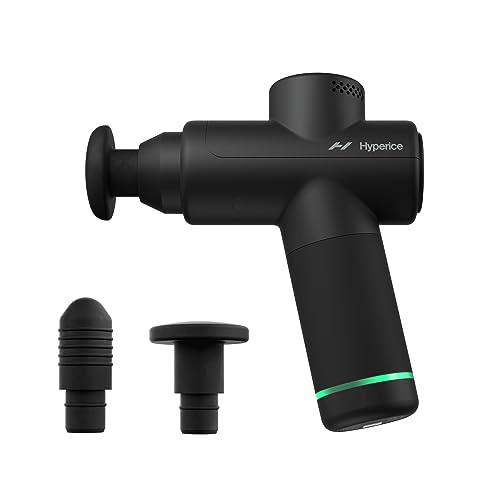
Affordable Massage Guns That Deliver Real Recovery
