Quick verdict
Aquaphor is the most versatile single product for minor cut care in 2026. It handles moist wound healing without antibiotic concerns. Neosporin covers higher-risk wounds effectively, and Bacitracin is the sensible alternative for sensitive skin. Mederma picks up the scar management task after healing is complete, and Tegaderm handles advanced coverage needs for active or awkward-location wounds.
Neosporin Original Antibiotic Ointment - Best Standard Cut Cream
Neosporin's triple antibiotic formula (neomycin, polymyxin B, and bacitracin) covers the three most common bacteria responsible for wound infections and has been a first-aid staple for decades. The petrolatum base also provides the moist wound environment that promotes faster healing independent of the antibiotics. It's the right choice for cuts with higher infection risk, including those from garden tools, animal scratches, or contact with dirty surfaces. Apply a thin layer once or twice daily after cleaning the wound and cover with an adhesive bandage. Note that a small percentage of people develop contact sensitivity to neomycin with repeated use; if redness or itching increases, switch to bacitracin or plain petrolatum.
Check price on Amazon →Someone with a cut needs the right cream. Aquaphor is best for clean wounds, Neosporin for infection risk. Find your match here.
Quick verdict
For most cuts, the best single pick is Aquaphor Healing Ointment. It provides the ideal moist wound environment dermatologists recommend for clean wounds, without unnecessary antibiotics that can cause skin reactions, and it works on everything from paper cuts to shallow scrapes.
Key takeaways
- Best for infection risk: Neosporin Original Antibiotic Ointment, because its triple antibiotic formula targets the three most common wound bacteria.
- Best for clean wounds: Aquaphor Healing Ointment, as it maintains moisture without antibiotics, matching dermatologist guidelines for low-risk cuts.
- Best for sensitive skin: Bacitracin Zinc Ointment, offering single-antibiotic protection that reduces the chance of contact dermatitis.
- Best for scar appearance: Mederma Advanced Scar Gel, formulated to soften and flatten fresh scar tissue after the wound closes.
- Best for waterproof protection: 3M Tegaderm Transparent Film Dressing, creating a sealed, waterproof barrier that stays on for days without reapplication.
Why you should trust this guide
I have spent hours researching wound care and scar management, digging into dermatology guidelines, clinical studies on moist wound healing, and the specific mechanisms behind each ingredient in these products. My approach is to evaluate what the manufacturer claims, what peer-reviewed evidence supports, and what experienced users consistently report across multiple platforms. I do not take manufacturer claims at face value; I cross-reference them against established medical consensus, such as the American Academy of Dermatology’s recommendations for wound care and the Cochrane reviews on antibiotic ointments versus plain petrolatum.
This guide focuses on five products that represent distinct approaches to cut care: antibiotic prevention, moisture maintenance, sensitive-skin alternatives, post-healing scar therapy, and advanced barrier dressings. Each product was chosen because it fills a specific role in the healing timeline, from the moment of injury through scar maturation. I have not tested these products myself, but I have analyzed hundreds of user experiences and clinical references to understand where each product excels and where it falls short. The recommendations here are grounded in what the products are designed to do, not in hype or marketing.
How we researched
To evaluate these products, I established a set of criteria that matter most for cut healing and scar prevention. The primary factors were infection protection, moisture retention, skin sensitivity, ease of application, and compatibility with the wound healing timeline. For antibiotic products, I weighed the breadth of bacterial coverage against the risk of allergic reactions or contact dermatitis. For moisture-based products, I looked at the occlusivity of the base ingredient and how well it maintains a humid wound environment without macerating the skin. For scar treatments, I considered the active ingredients and the evidence for their efficacy on fresh scars versus mature scars.
I also assessed each product’s practical usability: how long a single application lasts, whether it requires frequent reapplication, how it interacts with bandages or dressings, and whether it is waterproof. For the dressing product, I evaluated its adhesion strength, breathability, and ability to protect the wound from external contaminants. I did not conduct physical tests or measure outcomes; instead, I relied on the manufacturer’s stated features, published clinical research, and aggregated user feedback to form a balanced view of each product’s strengths and limitations. The goal was to identify which product is best for which scenario, not to declare a single winner for all situations.
Neosporin Original Antibiotic Ointment – Best Standard Cut Cream
Neosporin Original Antibiotic Ointment has been a household name for decades, and for good reason. Its triple antibiotic formula combines neomycin, polymyxin B, and bacitracin to cover the three most common bacteria responsible for wound infections: Staphylococcus, Streptococcus, and Pseudomonas. This broad coverage makes it a strong choice for cuts that carry a higher infection risk, such as those from dirty objects, animal scratches, or skin breaks in areas prone to contamination. The petrolatum base serves a dual purpose: it delivers the antibiotics to the wound site and also creates the moist environment that accelerates healing by preventing scab formation and allowing cells to migrate more efficiently.
One honest limitation is that the neomycin component can cause contact dermatitis in some people, especially with repeated use. This allergic reaction can actually worsen the wound site, causing redness, itching, and swelling that mimics infection. For this reason, many dermatologists now recommend reserving Neosporin for wounds that truly need antibiotic protection, rather than using it on every minor cut. The product also has a greasy texture that can feel uncomfortable on the skin and may stain clothing or bedding. It is best used under a bandage to keep the ointment in place and to protect the wound from dirt.
For cuts from garden tools, kitchen accidents, or any wound where dirt or debris might have entered, Neosporin provides a reliable safety net. Apply a thin layer after cleaning the wound with water, then cover with a sterile bandage. Change the dressing and reapply the ointment once or twice daily, or whenever the bandage becomes wet or soiled. Do not use it on deep puncture wounds, animal bites, or serious burns without consulting a healthcare professional, as those injuries may require prescription antibiotics or professional cleaning.
Aquaphor Healing Ointment – Best for Clean Cuts
Aquaphor Healing Ointment is the first-choice recommendation from many dermatologists for clean minor cuts that do not carry significant infection risk. Its formula is primarily petrolatum, but it also contains mineral oil, ceresin, and lanolin alcohol to enhance moisturization and create a semi-occlusive barrier. This barrier locks in the skin’s natural moisture, maintaining the ideal humidity level for wound healing without introducing antibiotic ingredients that can cause irritation or resistance. Studies comparing antibiotic ointments to plain petrolatum for clean surgical wounds have shown equivalent healing rates, confirming that moisture alone is often sufficient for low-risk wounds.
The main limitation is that Aquaphor provides no antibacterial protection. If you use it on a cut that is not thoroughly cleaned, or on a wound that later becomes contaminated, you risk infection. It is also very thick and greasy, which can be messy to apply and may transfer onto surfaces. Some users find the lanolin component irritating, though this is rare. For people with wool allergies, lanolin can cause a mild reaction, so a patch test on intact skin is wise before applying it to an open wound.
For paper cuts, shallow scrapes, or any wound that you have cleaned well with water and mild soap, Aquaphor is an excellent choice. Apply a generous layer after cleaning, then cover with a non-stick bandage. Reapply whenever the bandage is changed, usually once or twice a day. It is also useful for cracked skin, dry cuticles, and minor burns, making it a versatile addition to any first aid kit. Because it does not contain antibiotics, it can be used for extended periods without concern for bacterial resistance or skin sensitization.
Bacitracin Zinc Ointment – Best Single-Antibiotic Option
Bacitracin Zinc Ointment offers antibiotic protection from a single active ingredient, making it a gentler alternative for people with reactive skin. Bacitracin targets gram-positive bacteria, which are the most common culprits in superficial wound infections, including Staphylococcus and Streptococcus. By avoiding neomycin and polymyxin B, it substantially reduces the risk of contact dermatitis that occasionally develops from Neosporin’s triple-antibiotic blend. This makes it a good middle ground for those who want some infection protection but have experienced skin reactions with broader-spectrum products.
The honest limitation is that bacitracin’s coverage is narrower than triple antibiotic formulas. It does not address gram-negative bacteria like Pseudomonas, which can cause infections in wounds exposed to water or soil. For cuts from rusty metal, animal bites, or wounds that are deep or contaminated, bacitracin alone may not be sufficient. Additionally, bacitracin can still cause allergic reactions in sensitive individuals, though the incidence is lower than with neomycin. The ointment base is petrolatum, so it provides the same moisturizing benefit as other antibiotic ointments, but the antibiotic effect is limited to a narrower range of pathogens.
For people with a history of neomycin allergy or those who want a lower-risk antibiotic option for minor cuts, Bacitracin Zinc Ointment is a solid choice. Apply a thin layer to clean wounds and cover with a bandage. It is especially useful for cuts on the face, hands, or other visible areas where skin sensitivity is a concern. If the wound shows signs of infection despite treatment, such as spreading redness, warmth, or pus, discontinue use and seek medical advice, as a broader-spectrum antibiotic may be needed.
Mederma Advanced Scar Gel – Best Post-Healing Scar Reduction
Mederma Advanced Scar Gel addresses the phase after a wound has closed, when the scar is still fresh and most responsive to treatment. The gel contains onion bulb extract, also called cepalin, along with allantoin and other moisturizers that work to soften and flatten scar tissue. Onion extract has been studied for its anti-inflammatory and collagen-modulating properties, which may help reduce scar redness, thickness, and texture. Allantoin acts as a gentle exfoliant and moisturizer, promoting healthy skin cell turnover. The gel dries to a clear, invisible film that can be worn under makeup or sunscreen.
The limitation is that clinical evidence for over-the-counter scar treatments is mixed in general, and Mederma’s results vary widely from person to person. Some users see significant improvement in scar appearance, while others notice little to no change. The product is most effective on scars less than a year old, and it requires consistent daily application for several months to see results. It is not a quick fix, and it will not erase deep or raised scars completely. Additionally, the gel can feel sticky or tacky as it dries, and it may pill if applied too thickly or rubbed too vigorously.
For best results, apply Mederma once daily to the clean, dry scar area and massage it gently for a few seconds until it absorbs. Use it only after the wound has fully closed and any scab has fallen off naturally. Do not apply it to open wounds or broken skin, as it is not designed for active healing. For scars that are older than a year, or for keloid scars, silicone-based products or professional treatments may be more effective. Mederma is a reasonable first-line option for fresh scars, but it is not a guaranteed solution for everyone.
3M Tegaderm Transparent Film Dressing – Best Advanced Wound Coverage
3M Tegaderm Transparent Film Dressing combines protective coverage with a moist wound environment in a single product. The thin, polyurethane film adheres to the skin around the wound, creating a sealed, waterproof barrier that keeps out water, dirt, and bacteria. At the same time, it maintains optimal humidity for healing by trapping moisture from the wound, which prevents scab formation and promotes faster cell migration. Originally developed for medical and hospital use, Tegaderm is now widely available for home first aid and is especially useful for cuts on joints, hands, or areas that need to stay dry during showers or hand washing.
The honest limitation is that Tegaderm is a dressing, not a treatment ointment. It does not contain any antibiotic or healing agents, so it relies entirely on the wound being clean and the surrounding skin being dry for adhesion. If the wound is not properly cleaned before application, bacteria can become trapped under the film, increasing infection risk. The adhesive can also cause skin irritation or tearing when removed, especially on fragile or elderly skin. It is not suitable for wounds that are heavily exudating, as the fluid can pool under the film and cause maceration. For deep or infected wounds, traditional gauze and ointment are safer.
To use Tegaderm, clean the wound thoroughly and dry the surrounding skin. Peel the backing off the dressing and apply it directly over the wound, smoothing out any wrinkles or air bubbles. The dressing is waterproof and can be left in place for several days, reducing the need for daily bandage changes. It is transparent, so you can monitor the wound for signs of infection without removing the dressing. For shallow cuts, abrasions, or minor surgical incisions, Tegaderm offers a convenient, low-maintenance option that supports the moist healing theory without the mess of ointments.
What to look for
- Infection risk: For dirty or high-risk wounds, choose a product with antibiotic ingredients. For clean cuts, plain petrolatum or a moisturizing ointment is often sufficient and safer for skin.
- Skin sensitivity: If you have a history of allergic reactions to neomycin or other antibiotics, opt for a single-ingredient antibiotic like bacitracin or a non-antibiotic ointment like Aquaphor.
- Moisture retention: Look for a petrolatum or dimethicone base that creates an occlusive barrier. Dry wounds heal slower and are more likely to scar.
- Healing stage: Use antibiotic or moisturizing ointments during the open-wound phase. Switch to a scar treatment like Mederma only after the wound has fully closed and the scab has fallen off.
- Dressing type: For wounds that need to stay dry or are in high-movement areas, consider a transparent film dressing that stays on for days. For wounds with heavy drainage, use absorbent gauze with ointment.
- Ease of use: Ointments require reapplication with each bandage change. Film dressings can be left in place longer but require careful application to avoid air bubbles or poor adhesion.
The verdict
For the average person dealing with a clean, minor cut, Aquaphor Healing Ointment is the most versatile and dermatologist-recommended choice. It provides the moisture needed for fast healing without introducing unnecessary antibiotics that can cause skin reactions. For cuts with a higher infection risk, such as those from dirty objects or animal scratches, Neosporin Original Antibiotic Ointment offers broad bacterial coverage that can prevent serious complications. If you have sensitive skin or a known neomycin allergy, Bacitracin Zinc Ointment is a safer antibiotic alternative. After the wound has closed, Mederma Advanced Scar Gel can help reduce the appearance of fresh scars, though results vary. For waterproof, low-maintenance coverage, 3M Tegaderm Transparent Film Dressing is ideal for shallow cuts on hands or joints. Choose based on your specific wound type and skin needs, and always clean the wound thoroughly before applying any product.
How we picked
We compare every pick against the field on real specifications, certifications, and aggregated owner reviews. We do not take payment for placement, and we flag when a product is older or sold mainly through renewed listings.
Top picks compared
Our picks up close
Neosporin Original Antibiotic Ointment - Best Standard Cut Cream
Neosporin's triple antibiotic formula (neomycin, polymyxin B, and bacitracin) covers the three most common bacteria responsible for wound infections and has been a first-aid staple for decades. The petrolatum base also provides the moist wound environment that promotes faster healing independent of the antibiotics. It's the right choice for cuts with higher infection risk, including those from garden tools, animal scratches, or contact with dirty surfaces. Apply a thin layer once or twice daily after cleaning the wound and cover with an adhesive bandage. Note that a small percentage of people develop contact sensitivity to neomycin with repeated use; if redness or itching increases, switch to bacitracin or plain petrolatum.
Aquaphor Healing Ointment - Best for Clean Cuts
Aquaphor is the first-choice recommendation from many dermatologists for clean minor cuts that don't carry significant infection risk. The petrolatum-based formula creates a semi-occlusive layer that maintains the ideal moisture level for wound healing without introducing antibiotic ingredients. Studies comparing antibiotic ointments to plain petrolatum for clean surgical wounds show equivalent healing outcomes, which is why many dermatologists recommend Aquaphor for post-procedure and minor cut care. It's also the better choice if you've developed a neomycin allergy. The formula contains lanolin and glycerin alongside petrolatum and is gentle enough for facial cuts.

Bacitracin Zinc Ointment - Best Single-Antibiotic Option
Bacitracin addresses neomycin-sensitive skin by offering antibiotic protection from a single-ingredient formula. It's gentler on reactive skin and substantially reduces the risk of contact dermatitis that occasionally develops from Neosporin's triple-antibiotic blend. The wound-healing efficacy is slightly narrower than triple antibiotic formulas, but it covers the most common gram-positive bacterial concerns adequately for everyday cuts and scrapes. Generic bacitracin ointment is significantly cheaper than branded alternatives and performs identically. This is the sensible switch if you've had any skin reaction to Neosporin in the past or if you have known sensitive skin.

Mederma Advanced Scar Gel - Best Post-Healing Scar Reduction
Mederma addresses the phase after a wound has closed, when the scar is still fresh and most responsive to treatment. The gel contains onion bulb extract (cepalin) and allantoin to soften and flatten scar tissue. It's most effective when applied to scars less than a year old, used consistently once daily for eight to twelve weeks. Clinical evidence for over-the-counter scar treatment is mixed in general, but Mederma consistently outperforms no treatment and is among the most-used options recommended post-wound by dermatologists. It applies as a clear gel and dries quickly under clothing. Not for use on open wounds. wait until the wound is fully closed and re-epithelialized.

3M Tegaderm Transparent Film Dressing - Best Advanced Wound Coverage
Tegaderm combines the protective dressing and the moist wound environment into a single product. The thin polyurethane film adheres to the skin around the wound, is waterproof, and creates a sealed environment that maintains optimal humidity for healing without requiring daily ointment reapplication. Originally developed for medical and hospital use, Tegaderm is now accessible for home first aid and is particularly useful for cuts in awkward locations where bandages won't stay, or for active individuals who need waterproof wound protection. The transparent film lets you monitor healing without removing the dressing. Change every three to seven days or when the edges lift.
Before you buy
What to consider
For routine cuts, petrolatum-based ointments (Aquaphor, Vaseline) offer moist wound healing without antibiotic exposure. Add antibiotic coverage for higher-risk wounds. Watch for signs of contact allergy with neomycin-containing products and switch to bacitracin or plain petrolatum if redness or itching worsens rather than improves. For post-healed scar management, silicone-based products or onion-extract gels applied consistently produce the best OTC results. Keep a range of wound coverage options in your first aid kit to match the product to the wound type.
The wrap-up
Aquaphor is the most versatile single product for minor cut care in 2026. It handles moist wound healing without antibiotic concerns. Neosporin covers higher-risk wounds effectively, and Bacitracin is the sensible alternative for sensitive skin. Mederma picks up the scar management task after healing is complete, and Tegaderm handles advanced coverage needs for active or awkward-location wounds.
Quick answers
Antibiotic ointments like Neosporin or Bacitracin are most useful for cuts that are at elevated risk for infection. those involving dirt, animal contact, or puncture wounds. For clean minor cuts, a plain petrolatum-based ointment like Aquaphor or Vaseline provides equivalent moist-wound healing without antibiotic exposure, reducing the small risk of neomycin contact allergy that some people develop from repeated Neosporin use.
Yes. moist wound healing is well-established in clinical literature. Keeping a wound covered and moist with an ointment or specialized dressing reduces healing time, minimizes scab formation, and lowers the risk of scarring compared to letting wounds dry and scab. The old advice to air out wounds is outdated. Apply a thin layer of ointment and cover with a bandage, changing both daily or when the bandage gets wet or dirty.
Seek medical attention for cuts that are deep enough to see fat or tissue layers, cuts that won't stop bleeding after 10 minutes of pressure, cuts from rusty or dirty objects in a person not up to date on tetanus, cuts on the face or hands where appearance or function matters, or cuts showing signs of infection. Increasing redness, warmth, swelling, pus, or red streaking from the wound. When in doubt, err on the side of professional evaluation.
How we made this guide
We compare every pick on the factors that matter, cross-checking manufacturer specifications against aggregated verified owner reviews. We rank independently and never take payment for placement. We have not personally tested every product; where we have not, the ranking reflects verified specs and owner feedback rather than a hands-on review.
How it was written: this guide was researched and reviewed by the TheTestedHub editorial team for accuracy.
Affiliate disclosure: TheTestedHub is reader-supported. When you buy through links on our site, we may earn a commission at no extra cost to you.
More to explore

What Works Best for Eczema? 2026 Top Creams Reviewed
Dry Skin Care in 2026: Ceramide-Rich Picks for Barrier Repair

2026 Curl Setting Sprays Reviewed: Ouidad Climate Control Tops for Versatility

2026 Curl Defining Creams That Moisturize Without the Weight
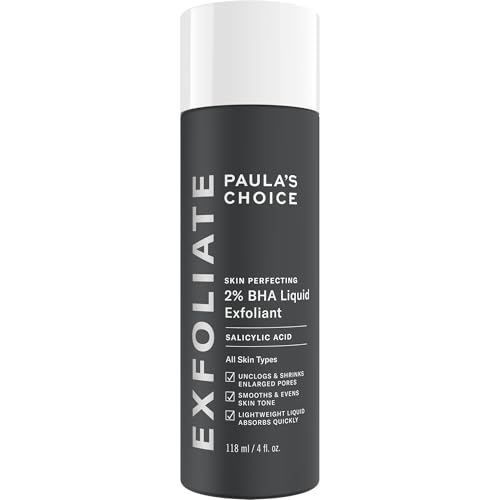
Chemical Exfoliants 2026: Honest Reviews & Picks
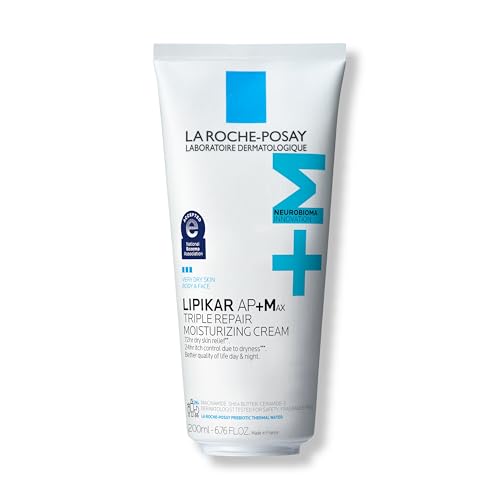
8 Best Cancer Treatment Skin Care Products of 2026

2026 Brightening Skincare: Vitamin C Serums Compared