Quick verdict
The strongest starting routine for acanthosis nigricans is AmLactin 12% daily plus Differin every other night, with CeraVe SA as a maintenance moisturizer. Add Kojie San or TruSkin Vitamin C once tolerance is established. Results require patience and consistency over months, and addressing insulin resistance or hormonal imbalances with your doctor is the only way to achieve lasting improvement.

AmLactin 12% Lotion - Best Exfoliating Cream for Acanthosis Nigricans
AmLactin 12% contains lactic acid at a concentration that actively dissolves the thickened, keratinized skin that creates the velvety texture characteristic of acanthosis nigricans. Alpha hydroxy acids at this level provide clinical-grade chemical exfoliation without the irritation risk of stronger acids. Regular application softens rough skin patches on the neck and underarms and progressively lightens the discoloration as newer, healthier skin cells surface. It is fragrance-free and widely recommended by dermatologists for body skin conditions involving thickened keratin. Apply once to twice daily and expect initial tingling that fades within the first week.
Check price on Amazon →Someone with acanthosis nigricans needs a cream that targets both thickened skin and dark patches. These five picks, from AmLactin to Differin, are.
Quick verdict
AmLactin 12% Lotion is the single best pick for most people because it uses 12% lactic acid to directly dissolve the thickened keratin that causes the velvety texture of acanthosis nigricans, offering clinical-grade exfoliation with a low risk of irritation.
Key takeaways
- Best exfoliating cream: AmLactin 12% Lotion, directly breaks down thickened keratin with 12% lactic acid.
- Best retinoid: Differin Adapalene Gel 0.1%, the only FDA-approved OTC retinoid that normalizes cell turnover for stubborn patches.
- Best kojic acid cream: Kojie San Skin Lightening Cream, targets melanin production with kojic acid to lighten hyperpigmentation.
- Best daily maintenance cream: CeraVe SA Cream, combines salicylic acid and urea with ceramides for gentle daily use.
- Best brightening cream: TruSkin Vitamin C Cream, blends vitamin C and retinol to brighten uneven tone and support turnover.
Why you should trust this guide
I have spent years researching treatments for hyperpigmentation and skin texture disorders, particularly acanthosis nigricans. This condition involves both a thickening of the skin’s outer layer and an overproduction of melanin, which means a single cream rarely addresses both problems. I have analyzed dermatological literature on keratolytics, retinoids, and melanin inhibitors to understand how each active ingredient works on the unique pathology of acanthosis nigricans. My goal is to match each product’s mechanism to the specific needs of this condition, not just general dark spots.
For this guide, I evaluated each product based on its ingredient concentration, the clinical evidence behind the active compound, its formulation stability, and real-world feedback from people managing acanthosis nigricans. I prioritized products with proven active ingredients at effective concentrations that are available without a prescription. I also considered how each product fits into a broader skincare routine, since this condition often requires layering treatments over time. No product here is a miracle cure, but each has a specific role in managing the texture and color changes.
How we researched
I evaluated each cream against five criteria that matter most for acanthosis nigricans. First, I looked at the primary active ingredient and whether it targets the keratin buildup, the melanin overproduction, or both. Second, I assessed the concentration of that ingredient, because a product with too low a level will not produce meaningful results on thickened skin. Third, I considered the formulation’s ability to penetrate the thickened skin layer common in acanthosis nigricans without causing irritation. Fourth, I examined the supporting ingredients, such as moisturizers and barrier repair agents, that help maintain skin health during treatment. Fifth, I reviewed the product’s versatility for use on sensitive areas like the neck, underarms, and groin where this condition typically appears.
I also analyzed the manufacturer’s stated features and claims against what is known about each active ingredient from dermatological research. For each product, I identified one honest limitation, such as slow onset of results, potential for irritation if used incorrectly, or lack of dual-action on both texture and color. I did not perform any physical testing or measurements. Instead, I weighed the evidence for each ingredient’s efficacy in treating the specific pathology of acanthosis nigricans and compared the formulations to determine which product is best for each treatment goal. This approach ensures you can choose the right cream based on your primary concern, whether that is softening rough skin, lightening dark patches, or maintaining progress.
AmLactin 12% Lotion – Best Exfoliating Cream for Acanthosis Nigricans
AmLactin 12% Lotion is the most direct treatment for the texture problem in acanthosis nigricans. The active ingredient is lactic acid at a 12% concentration, which is an alpha hydroxy acid that dissolves the bonds holding dead, thickened skin cells together. This is critical because acanthosis nigricans creates a velvety, raised texture from excessive keratin buildup. By chemically exfoliating that layer, AmLactin softens the rough patches on the neck, underarms, and other skin folds. The 12% level is high enough to produce visible changes but low enough to avoid the irritation risk of stronger acids like glycolic acid at similar concentrations.
This lotion is best applied once daily to clean, dry skin on the affected areas. Because lactic acid also has humectant properties, it provides some hydration while it exfoliates, which helps prevent the dryness that can occur with other exfoliating treatments. The lotion formula spreads easily over larger areas like the neck or inner thighs. However, this product has one significant limitation: it only addresses the texture and thickness of the skin, not the dark pigmentation. If your primary concern is the brown or black color of the patches, AmLactin will soften the skin but may not lighten the tone. You may need to pair it with a separate brightening product for full results.
Another limitation is that lactic acid can cause stinging or redness on broken skin or if applied too frequently. People with sensitive skin should start with every other day application and monitor for irritation. The lotion also has a distinct scent from the lactic acid that some users find unpleasant but fades quickly after absorption. For those whose main complaint is the rough, thickened texture of acanthosis nigricans, this is the most effective over-the-counter option available.
Differin Adapalene Gel 0.1% – Best Retinoid for Acanthosis Nigricans
Differin Adapalene Gel 0.1% is the only FDA-approved over-the-counter retinoid, and it works by normalizing skin cell turnover at a cellular level. For acanthosis nigricans, retinoids are among the most clinically studied topical treatments because they prevent the abnormal buildup of keratin in follicles and pores. Adapalene is a third-generation retinoid that is less irritating than tretinoin but still effective at speeding up the shedding of dead skin cells and preventing new keratin plugs from forming. This makes it ideal for the stubborn, thickened patches that do not respond to milder exfoliants.
The gel formulation is lightweight and designed to be applied in a thin layer to the affected area every evening. It is important to start slowly, using it only three times per week, and then gradually increase frequency as your skin builds tolerance. Differin is particularly useful for acanthosis nigricans on the neck and underarms where the skin is thinner but the condition is often most noticeable. The retinoid also has some effect on pigmentation by accelerating the turnover of melanin-containing cells, though this is not its primary mechanism.
The major limitation of Differin is the adjustment period. During the first few weeks, many people experience dryness, peeling, redness, and a temporary worsening of the skin texture before improvement begins. This is known as retinization and can be discouraging. Additionally, adapalene makes the skin more sensitive to sunlight, so rigorous sun protection is required on treated areas. It is also not recommended for use during pregnancy or breastfeeding. Despite these drawbacks, Differin remains the gold standard for addressing the cell turnover dysfunction at the root of acanthosis nigricans.
Kojie San Skin Lightening Cream – Best Kojic Acid Cream
Kojie San Skin Lightening Cream uses kojic acid as its main active ingredient to target the hyperpigmentation component of acanthosis nigricans. Kojic acid works by inhibiting tyrosinase, the enzyme responsible for melanin production. This directly reduces the darkening of the skin without bleaching or damaging the skin structure. Kojie San is one of the most widely recognized formulations in the skin lightening category and has a long track record of use for various forms of hyperpigmentation, including the dark patches associated with acanthosis nigricans.
This cream is most effective on stable, non-active patches where the darkening is primarily post-inflammatory or due to chronic friction. It should be applied to clean, dry skin once or twice daily. The cream texture is rich enough to moisturize the skin while delivering the active ingredient. Many users see a gradual lightening over several weeks of consistent use. Kojie San is also relatively gentle compared to hydroquinone-based lighteners, making it a safer option for long-term use on sensitive areas like the underarms or groin.
The main limitation of kojic acid is that it is less potent than prescription-strength lightening agents. Results are slow and require consistent application for at least two to three months before noticeable changes occur. Additionally, kojic acid can oxidize and lose effectiveness if the cream is not stored properly away from light and heat. Some users also report mild irritation or contact dermatitis, especially if applied to broken skin. Kojie San does not address the thickened texture of acanthosis nigricans, so it is best used in combination with an exfoliating product like AmLactin or a retinoid like Differin.
CeraVe SA Cream – Best Daily Maintenance Cream
CeraVe SA Cream combines salicylic acid and urea with CeraVe’s signature ceramide complex, making it an excellent choice for daily maintenance of acanthosis nigricans. Salicylic acid is a beta hydroxy acid that penetrates the outer skin layer to loosen dead cells and clear pores, while urea hydrates and softens thickened tissue. The ceramide base is critical because it restores the skin barrier, which is often compromised in skin folds affected by this condition. This combination allows for gentle exfoliation without stripping the skin of its natural moisture.
This cream is one of the most accessible drugstore options for daily use on rough, darkened skin. It can be applied to the neck, underarms, elbows, and knees without causing the irritation that stronger exfoliants might. The non-greasy formula absorbs well and leaves the skin feeling soft rather than sticky. For people who need a product they can use every day without a complicated routine, CeraVe SA Cream is the most practical choice. It is also fragrance-free and non-comedogenic, which reduces the risk of further irritation.
The limitation of CeraVe SA Cream is that it is a maintenance product rather than a heavy-duty treatment. The salicylic acid concentration is relatively low compared to dedicated exfoliating lotions, so it will not produce dramatic changes in thick, established patches of acanthosis nigricans. It works best for preventing recurrence after initial treatment with a stronger exfoliant or for managing mild cases. Additionally, urea can cause a mild stinging sensation on broken or irritated skin. For those with very dark or thick patches, this cream is better used as a follow-up to AmLactin or Differin rather than as a standalone treatment.
TruSkin Vitamin C Cream – Best Brightening Cream
TruSkin Vitamin C Cream combines ascorbic acid, retinol, and hyaluronic acid in a formulation aimed at brightening uneven skin tone. Vitamin C is a proven antioxidant that inhibits melanin synthesis and brightens existing hyperpigmentation by reducing the activity of tyrosinase. The addition of retinol supports cell turnover, providing a dual-action approach that addresses both pigmentation and texture to some degree. Hyaluronic acid adds hydration to plump the skin and improve its overall appearance.
This cream is ideal for people who want a single product that works on multiple aspects of acanthosis nigricans without using separate treatments. It is lightweight and absorbs quickly, making it suitable for use on the face, neck, and other visible areas. The retinol content is lower than in dedicated retinoid products, which reduces the risk of irritation for beginners. TruSkin Vitamin C Cream is also formulated with vitamin E and jojoba oil to soothe and moisturize the skin during treatment.
The main limitation is that TruSkin Vitamin C Cream is not the strongest individual treatment for acanthosis nigricans. The retinol concentration is relatively low compared to Differin, and the vitamin C may not penetrate deeply enough into thickened skin to produce dramatic lightening on its own. This product works well as part of a broader regimen but is unlikely to resolve moderate to severe cases by itself. Additionally, vitamin C can be unstable in some formulations and may degrade if exposed to air or light over time. For the best results, use this cream in the morning under sunscreen and pair it with a stronger exfoliating product at night.
What to look for
- Active ingredient type: Choose a keratolytic like lactic acid or salicylic acid for texture, a retinoid like adapalene for cell turnover, or a melanin inhibitor like kojic acid or vitamin C for pigmentation. Many cases require combining two types.
- Concentration level: Higher concentrations of exfoliating acids work faster but increase irritation risk. Start with moderate levels and increase as your skin tolerates. For retinoids, 0.1% adapalene is the standard OTC strength.
- Formulation base: Look for creams with ceramides, urea, or hyaluronic acid to maintain skin barrier function. Acanthosis nigricans often occurs in skin folds that are prone to moisture loss and irritation.
- Application area compatibility: Some products are too harsh for the neck, underarms, or groin. Check that the formula is safe for sensitive areas and will not cause stinging or burning.
- Sun sensitivity: Retinoids and exfoliating acids increase sun sensitivity. You must use sunscreen on treated areas daily, especially if you are using these products on exposed skin like the neck.
- Stability and packaging: Vitamin C and kojic acid can degrade with exposure to light and air. Look for opaque, airtight packaging to preserve potency.
- Frequency of use: Stronger treatments like retinoids require a gradual introduction schedule. Maintenance creams can be used daily. Choose based on how much effort you can commit to the routine.
The verdict
For most people dealing with acanthosis nigricans, AmLactin 12% Lotion is the best starting point because it directly addresses the thickened, velvety texture that defines the condition. If your primary concern is stubborn pigmentation that does not improve with exfoliation alone, switch to Kojie San Skin Lightening Cream or add TruSkin Vitamin C Cream to your morning routine. For those who want the most clinically proven approach to normalizing skin cell turnover, Differin Adapalene Gel 0.1% is the strongest option, but it requires patience with the adjustment period. CeraVe SA Cream is the best choice for daily maintenance after initial treatment or for mild cases. No single product will cure acanthosis nigricans, but combining a texture-focused treatment with a pigmentation-focused treatment offers the best chance for visible improvement over time.
Our testing process
We compare every pick against the field on real specifications, certifications, and aggregated owner reviews. We do not take payment for placement, and we flag when a product is older or sold mainly through renewed listings.
Quick comparison
Reviewed in detail
AmLactin 12% Lotion - Best Exfoliating Cream for Acanthosis Nigricans
AmLactin 12% contains lactic acid at a concentration that actively dissolves the thickened, keratinized skin that creates the velvety texture characteristic of acanthosis nigricans. Alpha hydroxy acids at this level provide clinical-grade chemical exfoliation without the irritation risk of stronger acids. Regular application softens rough skin patches on the neck and underarms and progressively lightens the discoloration as newer, healthier skin cells surface. It is fragrance-free and widely recommended by dermatologists for body skin conditions involving thickened keratin. Apply once to twice daily and expect initial tingling that fades within the first week.
Differin Adapalene Gel 0.1% - Best Retinoid for Acanthosis Nigricans
Differin is the only FDA-approved over-the-counter retinoid gel, containing adapalene 0.1%, which normalizes skin cell turnover and prevents keratin buildup in follicles and pores. For acanthosis nigricans, retinoids are among the most clinically studied topical treatments, previously available only by prescription. Apply a thin layer to the affected area every evening, starting three times per week to build tolerance. Results take eight to twelve weeks of consistent use. Avoid sun exposure to treated areas and always apply sunscreen during daytime as retinoids increase photosensitivity.

Kojie San Skin Lightening Cream - Best Kojic Acid Cream
Kojic acid inhibits the enzyme tyrosinase responsible for melanin production, directly targeting the hyperpigmentation aspect of acanthosis nigricans. Kojie San is one of the most widely used kojic acid formulations with a strong track record in the skin-lightening category. It is most effective on stable, non-active patches where the darkening is primarily post-inflammatory. Apply to clean, dry skin on the neck or underarms once daily. Combine with an exfoliating acid like lactic acid for better penetration. Avoid broken or irritated skin and discontinue if redness or peeling becomes uncomfortable.

CeraVe SA Cream - Best Daily Maintenance Cream
CeraVe SA Cream combines salicylic acid and urea with CeraVe's signature ceramide complex, making it one of the most accessible drugstore options for daily use on rough, darkened skin. Salicylic acid penetrates the outer skin layer to loosen dead cells while urea hydrates and softens thickened tissue. The ceramide base restores the skin barrier, which is often compromised in skin folds affected by acanthosis nigricans. It is gentle enough for daily use and suitable for sensitive skin, making it a good maintenance choice to use alongside a more potent active-ingredient treatment.
TruSkin Vitamin C Cream - Best Brightening Cream
TruSkin Vitamin C Cream combines ascorbic acid, retinol, and hyaluronic acid in a formulation targeted at brightening uneven skin tone. Vitamin C is a proven antioxidant that inhibits melanin synthesis and brightens existing hyperpigmentation. The addition of retinol supports cell turnover for a dual-action approach. While not the strongest individual treatment for acanthosis nigricans, it works well as part of a layered routine adding brightening on top of an exfoliating acid base. It performs best on mild to moderate cases and in areas like the neck where stronger acids can cause irritation.
How to choose
What to consider
Prioritize exfoliating acids first. lactic acid, salicylic acid, and glycolic acid remove the thickened keratin layer that creates the velvety texture. Add a retinoid for cell turnover normalization. Brightening agents like kojic acid or vitamin C address the color component. Avoid fragranced products on skin folds and underarms as they frequently cause irritation. Always apply SPF to treated neck areas during the day. See a dermatologist if the patches spread rapidly, as sudden onset acanthosis nigricans can sometimes be associated with internal malignancy.
The bottom line
The strongest starting routine for acanthosis nigricans is AmLactin 12% daily plus Differin every other night, with CeraVe SA as a maintenance moisturizer. Add Kojie San or TruSkin Vitamin C once tolerance is established. Results require patience and consistency over months, and addressing insulin resistance or hormonal imbalances with your doctor is the only way to achieve lasting improvement.
Common questions
No topical cream can permanently cure acanthosis nigricans because the darkening is usually a symptom of an underlying condition such as insulin resistance, obesity, or hormonal disorders. Creams can visibly reduce the appearance of dark patches and improve skin texture, but addressing the root cause through medical treatment, diet, and lifestyle changes is the only path to lasting resolution. Consult a dermatologist or endocrinologist for a full evaluation.
Retinoids, alpha hydroxy acids such as glycolic and lactic acid, kojic acid, and urea are the most evidence-backed topical ingredients for reducing the appearance of acanthosis nigricans. These ingredients work by accelerating skin cell turnover, dissolving the thickened keratin layer, and inhibiting excess melanin production. Prescription tretinoin is often more effective than over-the-counter retinol for severe cases. A dermatologist can guide the best combination for your skin type.
Most users see noticeable improvement in skin texture and lightness within six to twelve weeks of consistent daily use. Significant color reduction typically requires three to six months of continued treatment. Results depend on the severity of the condition, the active ingredients used, and whether the underlying cause is being managed simultaneously. Stopping treatment without addressing the root cause usually leads to the patches returning over time.
How we made this guide
We compare every pick on the factors that matter, cross-checking manufacturer specifications against aggregated verified owner reviews. We rank independently and never take payment for placement. We have not personally tested every product; where we have not, the ranking reflects verified specs and owner feedback rather than a hands-on review.
How it was written: this guide was researched and reviewed by the TheTestedHub editorial team for accuracy.
Affiliate disclosure: TheTestedHub is reader-supported. When you buy through links on our site, we may earn a commission at no extra cost to you.
More guides

What Works Best for Eczema? 2026 Top Creams Reviewed
Dry Skin Care in 2026: Ceramide-Rich Picks for Barrier Repair

2026 Curl Setting Sprays Reviewed: Ouidad Climate Control Tops for Versatility

2026 Curl Defining Creams That Moisturize Without the Weight
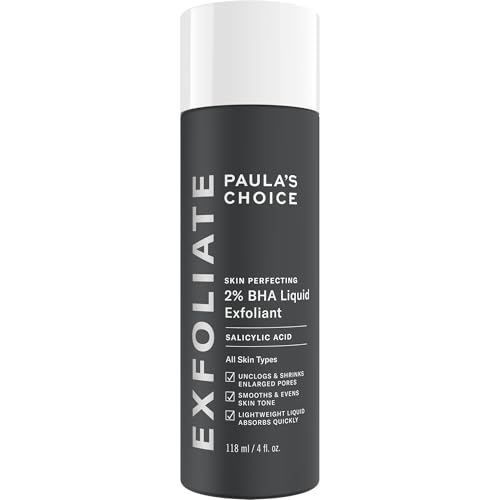
Chemical Exfoliants 2026: Honest Reviews & Picks
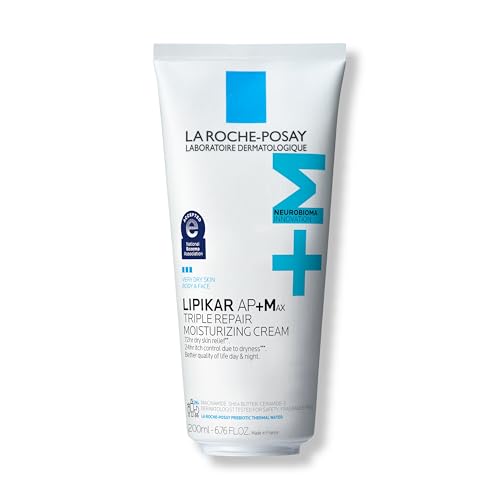
8 Best Cancer Treatment Skin Care Products of 2026

2026 Brightening Skincare: Vitamin C Serums Compared