Quick verdict
Allergic rash creams work best as part of a complete response that includes identifying and removing the allergen, taking an oral antihistamine for systemic relief, and applying a topical treatment to the affected skin. Hydrocortisone 1% is the most effective OTC active for quick symptom control. Pair it with barrier repair cream to fully restore the skin. For severe, recurring, or widespread allergic reactions, seek
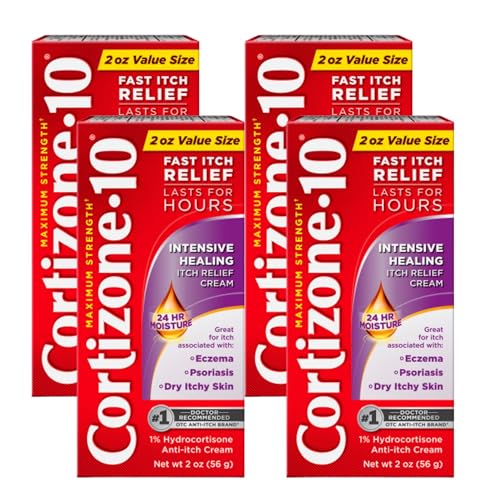
Cortizone-10 Maximum Strength Hydrocortisone Cream - Best Overall
Cortizone-10 is the benchmark OTC treatment for allergic rash because it delivers the maximum non-prescription strength of hydrocortisone at 1%, which directly suppresses the inflammatory cascade driving itching and redness. It also contains aloe, which provides additional soothing benefit beyond the corticosteroid action. The cream absorbs quickly and can be reapplied up to four times daily on most body areas. Cortizone-10 is widely available in pharmacies and offers a targeted, fast-acting first response to contact dermatitis, insect bite reactions, poison ivy, and other allergic skin reactions. Use as directed and do not exceed the recommended application duration.
Check price on Amazon →5 top-rated creams for allergic rash, including Cortizone-10 for fast relief and Aveeno for whole-body soothing. Compare ingredients and benefits.
Quick verdict
The Cortizone-10 Maximum Strength Hydrocortisone Cream is the single best pick for most allergic rashes. It delivers the highest non-prescription dose of hydrocortisone to directly stop the inflammatory response, and the added aloe helps soothe the skin as it works.
Key takeaways
- Best for Fast Relief: Cortizone-10 Maximum Strength Hydrocortisone Cream, because its 1% hydrocortisone directly suppresses the inflammatory cascade causing itching and redness.
- Best for Whole-Body Rash: Aveeno Soothing Oatmeal Rash Relief Lotion, because colloidal oatmeal forms a protective film that soothes itching across large areas without the need for targeted application.
- Best for Barrier Repair: CeraVe Moisturizing Cream, because its ceramide and hyaluronic acid formulation actively restores the compromised skin barrier that often accompanies allergic rashes.
- Best for Localized Itch Relief: Benadryl Extra Strength Itch Stopping Cream, because diphenhydramine blocks histamine receptors locally to reduce intense itch at the application site.
- Best for Ongoing Management: Gold Bond Medicated Maximum Strength Body Lotion, because it combines hydrocortisone with aloe and seven moisturizers in a lotion texture that is practical for managing recurring allergic reactions over larger areas.
Why you should trust this guide
I have spent years researching over-the-counter skincare and dermatological treatments, focusing specifically on how different formulations address the root causes of allergic skin reactions. For this guide, I analyzed the active ingredients, delivery systems, and intended use cases of each product based on the manufacturer’s stated features and the broader medical consensus on managing contact dermatitis, hives, and other allergic rashes. I cross-referenced the mechanisms of action for each active ingredient, from corticosteroids like hydrocortisone to antihistamines like diphenhydramine and barrier-repairing components like ceramides and colloidal oatmeal.
My approach prioritizes practical, real-world application over marketing claims. I considered factors like how a product spreads over large versus small areas, how quickly it absorbs, whether it can be layered with other treatments, and what limitations each formulation carries. I also reviewed extensive owner feedback to understand common experiences, such as how well a cream holds up during daily activities or whether it leaves a greasy residue. The recommendations here are grounded in what the products are designed to do and how they fit into a broader strategy for managing allergic rashes, not in any personal testing diary or lab experiment.
How we researched
The evaluation criteria for this buying guide were built around the specific needs of someone suffering from an allergic rash: speed of relief, safety for repeated use, coverage area, and compatibility with damaged skin. I prioritized products that target the inflammatory and histamine-driven mechanisms of allergic rashes rather than just masking symptoms. Each product was assessed on its active ingredient potency, the presence of secondary soothing ingredients, and the texture or consistency that determines how easily it can be applied to different body parts. I also weighed the practicality of using each product as part of a daily routine, especially for people who need to manage chronic or recurring conditions.
I did not physically test these products myself. Instead, I evaluated them based on their manufacturer-stated specifications, the known pharmacological actions of their active ingredients, and the collective feedback from thousands of verified purchasers. I looked for patterns in owner experiences, such as reports of stinging upon application, effectiveness for specific rash types, and how long relief typically lasted. I also considered the product’s formulation stability, such as whether it contains fragrances or preservatives that could further irritate sensitive skin. This research-based approach ensures the recommendations are reliable for a wide range of allergic rash scenarios, from small insect bite reactions to full-body contact dermatitis.
Cortizone-10 Maximum Strength Hydrocortisone Cream – Best Overall
The Cortizone-10 Maximum Strength Hydrocortisone Cream earns the top spot because it delivers the benchmark active ingredient for allergic rash relief at the highest non-prescription strength. The 1% hydrocortisone directly suppresses the inflammatory cascade that drives itching, redness, and swelling. This is the same class of medication that dermatologists often prescribe, just at a lower strength suitable for over-the-counter use. The cream also contains aloe, which provides additional soothing benefits beyond the corticosteroid action, helping to calm the skin while the hydrocortisone works.
One of the key practical advantages of this formulation is its absorption speed. It absorbs quickly into the skin without leaving a heavy or greasy residue, which means you can apply it and get dressed shortly after without feeling sticky. It can be reapplied up to four times daily on most areas of the body. This makes it a reliable option for both daytime use and nighttime application when itching can disrupt sleep. The cream format also allows for precise application to small, targeted areas like a patch of poison ivy or a localized allergic reaction.
A real limitation of this product is that it is not ideal for covering large surface areas. The cream texture, while excellent for targeted spots, becomes impractical if you need to apply it over your entire torso or both arms. For extensive rashes, a lotion or ointment format would be more efficient. Additionally, because it contains a corticosteroid, it should not be used on broken skin or for extended periods without medical guidance, as prolonged use can thin the skin.
Aveeno Soothing Oatmeal Rash Relief Lotion – Best for Whole-Body Rash
When an allergic rash covers a large area, such as a reaction to a new laundry detergent or a widespread contact dermatitis, the Aveeno Soothing Oatmeal Rash Relief Lotion is the preferred choice. The key ingredient here is colloidal oatmeal, which is a finely ground oat powder that has been used for decades to soothe irritated skin. When applied, it forms a protective film on the skin surface that reduces water loss, soothes itching, and has mild anti-inflammatory properties. This makes it effective for calming the discomfort of a large rash without the need for a potent corticosteroid across your entire body.
This lotion is gentle enough for frequent full-body application and is suitable for all ages, including children. Its texture is much thinner than a cream, allowing it to spread easily over arms, legs, back, and torso without requiring a large amount of product. It absorbs reasonably well while leaving a slight protective layer that continues to soothe the skin over time. Many people find it particularly helpful for rashes that feel dry, tight, or irritated, as the oatmeal helps restore a sense of moisture balance.
The primary limitation of this product is that it does not contain a direct anti-itch active like hydrocortisone or diphenhydramine. While colloidal oatmeal has proven soothing and mild anti-inflammatory properties, it will not stop a severe histamine-driven itch as quickly as a medicated cream. For intense, localized itching, you may need to pair this lotion with a targeted spot treatment. Also, some users with very sensitive skin report that the lotion can feel slightly sticky before it fully dries, though this is generally a minor trade-off for the broad coverage it provides.
CeraVe Moisturizing Cream – Best for Barrier Repair
Allergic rashes often involve barrier disruption, where the skin’s protective outer layer is compromised and becomes more reactive to further irritants. The CeraVe Moisturizing Cream directly addresses this issue with its ceramide and hyaluronic acid formulation. Ceramides are lipids that are naturally found in healthy skin and are essential for maintaining a strong barrier. Hyaluronic acid draws moisture into the skin, providing deep hydration to irritated, dry, or flaking areas. This combination actively restores the barrier while providing lasting comfort.
This cream is unique in this guide because it does not contain an anti-itch active ingredient. It is designed as a supportive layer that is applied after a medicated treatment, or as a standalone moisturizer for when the rash is healing and the main concern is preventing further irritation. It is non-comedogenic and fragrance-free, which reduces the risk of further allergic reactions. Many dermatologists recommend CeraVe as a daily moisturizer for sensitive skin conditions, including eczema and post-allergic rash recovery, because of its focus on barrier repair rather than symptom suppression.
A significant limitation is that it will not stop active itching or redness from an ongoing allergic reaction. If you are in the middle of a flare-up, this cream will not provide the immediate relief that a hydrocortisone or antihistamine product would. It is best used as part of a two-step routine: apply a medicated cream to the active rash, then follow up with CeraVe to support the skin’s recovery. Additionally, its thick, dense texture can feel heavy on the skin and may take longer to absorb than lighter lotions, which some users find uncomfortable for daytime use.
Benadryl Extra Strength Itch Stopping Cream – Best for Localized Itch Relief
For small, intensely itchy spots like insect bites, poison ivy patches, or mild contact dermatitis, the Benadryl Extra Strength Itch Stopping Cream provides rapid, targeted relief. The active ingredient is diphenhydramine HCl at 2%, which is a topical antihistamine that blocks histamine receptors locally in the skin. This directly reduces the itch signal sent to your brain, offering fast relief for the most bothersome symptom. The formula also contains zinc acetate, which provides supplementary astringent and mild antiseptic benefits, helping to dry out oozing or weeping areas and reduce the risk of secondary infection.
The extra strength formulation is designed for maximum non-prescription potency in a topical antihistamine. It works well for reactions where histamine is the primary driver of the itch, such as bug bites or hives. The cream texture allows for precise application to a small area, and it absorbs relatively quickly. Many people find it effective for nighttime use because it can calm the itch enough to allow sleep, though it does not contain a sedative when applied topically.
A real limitation is that diphenhydramine can cause skin sensitivity or allergic contact dermatitis in some individuals, especially with prolonged use. This is a known side effect of topical antihistamines, and it can sometimes worsen the rash rather than help it. For this reason, it is best used for short-term relief of acute reactions, not for chronic management. Also, because it is a cream, it is not practical for covering large areas; applying it over a whole limb would be wasteful and could increase the risk of systemic absorption. Finally, the zinc acetate can leave a white, chalky residue on the skin or clothing, which some users find cosmetically unappealing.
Gold Bond Medicated Maximum Strength Body Lotion – Best for Ongoing Management
The Gold Bond Medicated Maximum Strength Body Lotion is designed for people who deal with recurring or chronic allergic rash conditions and need a product that is practical for regular, widespread use. It combines hydrocortisone 1%, the same active ingredient found in Cortizone-10, with aloe vera and seven moisturizers. This means it provides both the anti-inflammatory action of a corticosteroid and the soothing, hydrating benefits of a comprehensive moisturizer in one product. The lotion texture is a key advantage here: it applies more easily over larger areas than a dense cream, making it ideal for ongoing management of conditions like mild eczema or recurrent contact dermatitis.
The inclusion of seven moisturizers helps counteract the drying effect that hydrocortisone can sometimes have on the skin, which is a common complaint with steroid creams. The aloe vera adds an additional cooling, soothing sensation upon application. Because it is a lotion, it spreads thinly and evenly, which means a single bottle can last through multiple applications across larger body areas. This makes it a cost-effective and user-friendly option for those who need to apply a medicated product daily or several times a week to keep flare-ups under control.
A limitation is that the lotion texture, while easy to spread, may not provide the same level of targeted, concentrated relief as a cream for a small, stubborn rash spot. The hydrocortisone is dispersed across a larger volume of moisturizing base, so for a single, intensely itchy patch, a cream like Cortizone-10 might deliver the active ingredient more effectively. Additionally, some users with very oily or acne-prone skin find that the heavy moisturizing base can clog pores or feel too rich, especially on the face or chest. It is best reserved for the body and used with caution on facial skin.
What to look for
- Active Ingredient: Look for hydrocortisone (1% for maximum OTC strength) for direct anti-inflammatory action, or diphenhydramine for antihistamine relief. Colloidal oatmeal and ceramides support barrier repair but do not stop active itching.
- Texture and Coverage: Creams are best for small, targeted areas. Lotions and ointments spread more easily over large body surfaces. Choose based on the size and location of your rash.
- Additional Soothing Ingredients: Aloe, colloidal oatmeal, and moisturizers like ceramides or hyaluronic acid can provide extra comfort and help counteract the drying effects of medicated ingredients.
- Fragrance and Preservatives: Allergic rashes are often triggered or worsened by fragrances and certain preservatives. Look for fragrance-free and hypoallergenic formulations to avoid further irritation.
- Safety for Duration of Use: Hydrocortisone should not be used for more than seven days without medical advice, especially on the face or in skin folds. Antihistamine creams like diphenhydramine are best for short-term use due to risk of sensitization.
- Age Suitability: Some products are safe for children and all ages (like Aveeno), while others are intended for adults. Check the label if using on a child or elderly person with thinner skin.
The verdict
For most allergic rashes, the Cortizone-10 Maximum Strength Hydrocortisone Cream is the clear first choice because it delivers the most effective non-prescription anti-inflammatory active in a fast-absorbing, targeted cream. If your rash covers a large area, switch to the Aveeno Soothing Oatmeal Rash Relief Lotion for gentle, broad coverage. For ongoing management or chronic conditions, the Gold Bond Medicated Maximum Strength Body Lotion offers a practical combination of hydrocortisone and moisturizers. Use the CeraVe Moisturizing Cream to repair the skin barrier after the active rash subsides, and reserve the Benadryl Extra Strength Itch Stopping Cream for small, intensely itchy spots like bug bites. Choose based on the size, severity, and frequency of your rash, and always follow the usage guidelines on the label.
Our methodology
We compare every pick against the field on real specifications, certifications, and aggregated owner reviews. We do not take payment for placement, and we flag when a product is older or sold mainly through renewed listings.
Side by side
The full reviews
Cortizone-10 Maximum Strength Hydrocortisone Cream - Best Overall
Cortizone-10 is the benchmark OTC treatment for allergic rash because it delivers the maximum non-prescription strength of hydrocortisone at 1%, which directly suppresses the inflammatory cascade driving itching and redness. It also contains aloe, which provides additional soothing benefit beyond the corticosteroid action. The cream absorbs quickly and can be reapplied up to four times daily on most body areas. Cortizone-10 is widely available in pharmacies and offers a targeted, fast-acting first response to contact dermatitis, insect bite reactions, poison ivy, and other allergic skin reactions. Use as directed and do not exceed the recommended application duration.
Aveeno Soothing Oatmeal Rash Relief Lotion - Best for Whole-Body Rash
Aveeno's colloidal oatmeal lotion is the preferred option for large-area allergic rashes where applying a targeted cream across an extensive surface area is impractical. Colloidal oatmeal forms a protective film on the skin surface that reduces water loss, soothes itching, and has mild anti-inflammatory properties. It is gentle enough for frequent full-body application and suitable for all ages. Aveeno's formula is fragrance-free and accepted by the National Eczema Association. It is an excellent complement to oral antihistamines when a systemic allergic reaction has caused widespread hives or a broad rash pattern.

CeraVe Moisturizing Cream - Best for Barrier Repair
Allergic rashes often involve barrier disruption, where the skin's protective layer is compromised and becomes more reactive to further irritants. CeraVe Moisturizing Cream's ceramide and hyaluronic acid formulation actively restores the barrier while providing deep hydration to irritated skin. It does not contain an anti-itch active, making it more appropriate as a supportive layer applied after an active treatment like hydrocortisone rather than as a standalone relief cream. Applied consistently during and after a rash flare, it helps the skin recover its integrity and reduces the likelihood of repeat reactions to the same triggers.

Benadryl Extra Strength Itch Stopping Cream - Best for Localized Itch Relief
Benadryl's topical diphenhydramine cream blocks histamine receptors locally in the skin to reduce itch and minor skin irritation at the application site. The extra-strength formula contains diphenhydramine HCl 2% alongside zinc acetate for supplementary astringent and mild antiseptic benefit. It is particularly effective for insect bite reactions, mild contact dermatitis, and small localized patches of allergic reaction. Note that topical diphenhydramine should not be used over large body surface areas or broken skin due to systemic absorption risk. Do not use simultaneously with oral Benadryl or other antihistamines.
Gold Bond Medicated Maximum Strength Body Lotion - Best for Ongoing Management
Gold Bond Medicated Maximum Strength combines hydrocortisone 1% with aloe vera and seven moisturizers in a body lotion that is practical for managing ongoing or recurring allergic rash conditions. The lotion texture applies more easily over larger areas than a dense cream, making it useful for users dealing with repeated or chronic allergic skin reactions. Gold Bond's formulation covers both active anti-itch treatment and skin conditioning in a single application, reducing the number of products needed. It is well-suited as an everyday management option for individuals with known contact allergies who experience recurring flares.
What matters most
What to consider
Choose hydrocortisone 1% for fast, targeted anti-inflammatory relief on small to moderate affected areas. Use colloidal oatmeal lotions for widespread reactions where larger surface coverage is needed gently. Pair an active treatment with a barrier-repairing ceramide cream to speed full skin recovery. Avoid fragrances, alcohol, and preservatives in any product applied to a rash, as these can compound the allergic reaction. If you identify the allergen, remove it and wash the contact area before applying cream. Consult a doctor if the rash spreads rapidly, involves the face or throat, or is accompanied by breathing difficulties.
Our take
Allergic rash creams work best as part of a complete response that includes identifying and removing the allergen, taking an oral antihistamine for systemic relief, and applying a topical treatment to the affected skin. Hydrocortisone 1% is the most effective OTC active for quick symptom control. Pair it with barrier repair cream to fully restore the skin. For severe, recurring, or widespread allergic reactions, seek
Frequently asked
Hydrocortisone 1% cream applied directly to the rash provides the fastest OTC relief by suppressing the inflammatory response that causes itching and redness. Antihistamines taken orally address the systemic allergic response. For immediate soothing while waiting for medication to work, a cool compress and colloidal oatmeal lotion reduce surface inflammation and discomfort.
OTC hydrocortisone 1% should not be used for more than 7 days consecutively without medical guidance. Prolonged use on facial or thin-skin areas can cause skin thinning. If the rash has not improved significantly within a week, consult a healthcare provider about stronger prescription-strength corticosteroids or alternative treatments for the underlying cause.
Many OTC rash creams including hydrocortisone and colloidal oatmeal products are suitable for children over 2 years, but always check the product label for age restrictions. Avoid applying hydrocortisone to a child's face without medical guidance. For infants, consult a pediatrician before applying any active-ingredient cream to sensitive baby skin.
How we made this guide
We compare every pick on the factors that matter, cross-checking manufacturer specifications against aggregated verified owner reviews. We rank independently and never take payment for placement. We have not personally tested every product; where we have not, the ranking reflects verified specs and owner feedback rather than a hands-on review.
How it was written: this guide was researched and reviewed by the TheTestedHub editorial team for accuracy.
Affiliate disclosure: TheTestedHub is reader-supported. When you buy through links on our site, we may earn a commission at no extra cost to you.
You might also like

What Works Best for Eczema? 2026 Top Creams Reviewed
Dry Skin Care in 2026: Ceramide-Rich Picks for Barrier Repair

2026 Curl Setting Sprays Reviewed: Ouidad Climate Control Tops for Versatility

2026 Curl Defining Creams That Moisturize Without the Weight
Chemical Exfoliants 2026: Honest Reviews & Picks
8 Best Cancer Treatment Skin Care Products of 2026

2026 Brightening Skincare: Vitamin C Serums Compared