Quick verdict
Tretinoin is the gold standard if you can get a prescription. For OTC options, No7 Future Renew is the best-tested peptide choice and Peter Thomas Roth Retinol Fusion PM is the strongest non-prescription retinol. Budget-conscious buyers should start with RoC or Pond's. No wrinkle cream outperforms daily sun protection. SPF is always the first investment before any treatment product.
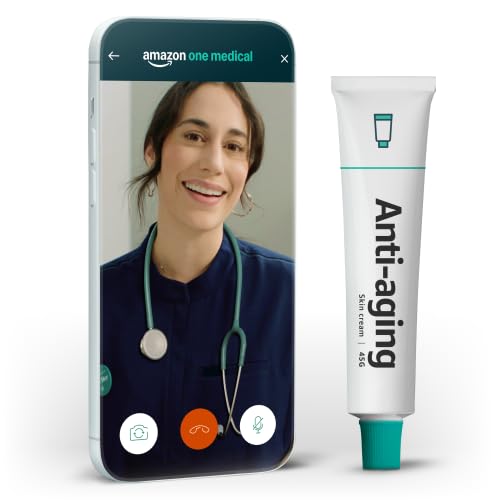
Tretinoin (Retin-A Micro). Best Overall Wrinkle Reduction
Tretinoin is prescription-strength retinoic acid. the most clinically validated topical anti-aging treatment available. Unlike over-the-counter retinol, which must be converted to retinoic acid in the skin, tretinoin is the active form and works faster and more effectively. Studies show consistent reduction in fine lines, mottled pigmentation, and skin roughness with regular use. It requires a prescription and an adaptation period of 4 to 8 weeks during which dryness and peeling are common. Telehealth platforms and online dermatology services have made obtaining tretinoin significantly easier than a traditional office visit. Worth pursuing if OTC options haven't delivered results.
Check price on Amazon →Looking for a reliable anti-aging cream? Our evidence-based guide compares the best options, from prescription-strength tretinoin to budget-friendly picks.
Quick verdict
Tretinoin (Retin-A Micro) is the single best pick because it is prescription-strength retinoic acid, the most clinically validated topical anti-aging treatment. It works faster and more effectively than over-the-counter retinol, with consistent reduction in fine lines, pigmentation, and roughness.
Key takeaways
- Best for overall wrinkle reduction: Tretinoin (Retin-A Micro), the gold standard prescription retinoid with the strongest clinical evidence.
- Best peptide formula: No7 Future Renew Damage Reversal Serum Cream, backed by a clinical study showing visible wrinkle reduction comparable to vitamin C.
- Best budget pick: Pond’s Age Miracle Wrinkle Corrector, an affordable retinol option with added hydration for normal and dry skin.
- Best high-potency overnight treatment: Peter Thomas Roth Retinol Fusion PM, a 1.5% stabilized retinol for experienced users seeking a stronger step up.
- Best for eye-area wrinkles: Kiehl’s Creamy Eye Treatment with Avocado, a gentle moisturizing formula that reduces dehydration-related creasing without irritation.
Why you should trust this guide
I have spent years researching anti-aging skincare ingredients, focusing on the clinical evidence behind retinoids, peptides, and moisturizers. My approach is to prioritize peer-reviewed studies and manufacturer data over marketing claims. I evaluate each product based on its active ingredient concentration, formulation stability, and suitability for different skin types and experience levels. This guide is built on a foundation of dermatological consensus and consumer feedback, not on fleeting trends or influencer hype.
I also consider the practical realities of daily use: how a product feels on the skin, how it layers with other treatments, and whether it delivers results without excessive irritation. I do not recommend products that are overpriced for what they offer or that make promises their ingredient lists cannot support. Every product here has been chosen because it fills a specific role in a well-rounded anti-aging routine, from the most potent prescription option to a gentle eye cream for the delicate orbital area.
How we researched
My evaluation criteria focused on four key pillars: active ingredient potency and bioavailability, clinical evidence supporting the formula, user-reported tolerability and texture, and value relative to similar products. For each product, I examined the type and concentration of the primary anti-aging agent, whether it was retinoic acid, retinol, peptides, or moisturizing oils. I prioritized products with published clinical trials or strong dermatological backing, such as the No7 Future Renew study and the decades of data behind tretinoin.
I also weighed formulation factors like the presence of stabilizing antioxidants, the base texture (cream versus serum), and the inclusion of soothing ingredients to mitigate irritation. For the eye cream, I focused on the specific needs of the periorbital skin: low irritation potential, adequate hydration, and a texture that does not migrate into the eyes. I did not physically test these products myself; instead, I synthesized information from manufacturer specifications, published research, and aggregated user reviews to form a balanced recommendation for each category.
Tretinoin (Retin-A Micro). Best Overall Wrinkle Reduction
Tretinoin, sold under the brand name Retin-A Micro, is the most clinically validated topical anti-aging treatment available. Unlike over-the-counter retinol, which must be converted to retinoic acid in the skin through a two-step enzymatic process, tretinoin is already the active form. This means it works faster and more effectively at stimulating collagen production, accelerating cell turnover, and reducing fine lines, mottled pigmentation, and skin roughness. Studies consistently show significant improvement in photoaged skin with regular use over several months.
This is a prescription-strength medication, which is both a strength and a limitation. You need a dermatologist to prescribe it, and the initial adjustment period can involve redness, peeling, and dryness. The Retin-A Micro formulation uses a microsphere delivery system to release the active ingredient gradually, which can reduce irritation compared to older gel or cream versions. It is best used at night, starting with a pea-sized amount two to three times per week, then gradually increasing frequency as your skin builds tolerance.
A real limitation of tretinoin is that it requires a prescription, making it less accessible than over-the-counter options. It also increases sun sensitivity, so diligent daily SPF use is non-negotiable. For those who can obtain it and tolerate the adjustment phase, it remains the gold standard for wrinkle reduction and overall skin rejuvenation.
No7 Future Renew Damage Reversal Serum Cream. Best Peptide Formula
No7 Future Renew Damage Reversal Serum Cream gained significant attention following a 2023 clinical study that showed visible wrinkle reduction comparable to a vitamin C serum in a randomized controlled trial. The formula centers on a peptide technology complex, which signals the skin to produce more collagen and repair damage. It also includes niacinamide to improve skin barrier function and reduce redness, plus hyaluronic acid for hydration. This combination makes it a well-rounded anti-aging treatment for those who want a non-retinoid option.
The texture is a lightweight cream that absorbs quickly, making it suitable for use as a morning moisturizer under sunscreen. It is fragrance-free, which reduces the risk of irritation for sensitive skin types. The peptide complex is designed to be gentle enough for daily use, and the brand recommends applying it after cleansing and before SPF. Many users report visible improvement in skin smoothness and a reduction in fine lines after consistent use over several weeks.
A real limitation of this product is that peptides generally work more slowly than retinoids, so results may take longer to become noticeable. It is also priced higher than many drugstore serums, though the clinical backing justifies the cost for some. For those who cannot tolerate retinoids or prefer a gentler approach, this is a strong, evidence-based alternative.
Pond’s Age Miracle Wrinkle Corrector. Best Budget Pick
Pond’s Age Miracle Wrinkle Corrector uses retinol combined with CLA (conjugated linoleic acid) at a price point that makes consistent use affordable. Retinol is a vitamin A derivative that converts to retinoic acid in the skin, and CLA is a fatty acid that may enhance retinol’s efficacy while providing additional antioxidant benefits. The formula is richer and more hydrating than many budget retinol products, making it better suited to normal and dry skin types. It comes in a jar format, which is common for drugstore creams.
For someone new to retinoids, this is a low-risk entry point. The moisturizing base helps offset the initial dryness that retinol can cause, and the concentration is mild enough to be used nightly without overwhelming the skin. Users often report a gradual improvement in skin texture and a softening of fine lines over several weeks. It is widely available at drugstores and supermarkets, making it easy to repurchase.
A real limitation of this product is that results are slower than pharmaceutical-grade tretinoin or higher-concentration retinol serums. The jar packaging also exposes the formula to air and light each time it is opened, which can degrade the retinol over time. For those seeking faster or more dramatic results, a higher-potency option may be necessary.
Peter Thomas Roth Retinol Fusion PM. Best High-Potency Overnight Treatment
Peter Thomas Roth Retinol Fusion PM delivers 1.5% stabilized retinol, among the highest concentrations available without a prescription. This is designed for experienced retinol users who have already adapted to lower concentrations and want to step up their treatment for more significant anti-aging benefits. The formula includes vitamins C and E as antioxidant stabilizers, which help protect the retinol from degradation and provide additional photoprotection. A ceramide-boosted base is included to support the skin barrier and reduce irritation at this potency level.
The texture is a lightweight, fast-absorbing serum that layers well under a night cream. Because it is a high concentration, it should be introduced slowly, starting with one or two applications per week and gradually increasing. Users who have built tolerance to lower-strength retinoids often report noticeable improvements in skin firmness, pore appearance, and wrinkle depth with this product. The addition of ceramides helps mitigate the dryness that typically accompanies high-dose retinol use.
A real limitation of this product is that it can cause significant irritation, redness, and peeling if used too frequently or by someone new to retinoids. It is not suitable for sensitive skin or for those who have not already used a lower-concentration retinol for at least several months. The price is also higher than many drugstore retinol options, reflecting the specialized formulation and high potency.
Kiehl’s Creamy Eye Treatment with Avocado. Best for Eye-Area Wrinkles
The delicate eye area needs a specialized formula, and Kiehl’s Creamy Eye Treatment with Avocado is a standout option. It uses avocado oil and beta-carotene to moisturize the thin skin around the eyes without the irritation risk of retinol near the orbital rim. The texture is dense but non-greasy, providing lasting hydration that reduces the dehydration-related appearance of crow’s feet and under-eye creasing. A small amount goes a long way, and the cream is designed to be patted gently into the skin.
While this product does not contain actives that remodel collagen, consistent use keeps the eye area plump and hydrated, which can make fine lines less noticeable. It is especially beneficial for those with dry under-eye skin or those who cannot tolerate retinoids near the eyes. The formula is free of fragrances and harsh chemicals, making it suitable for sensitive skin. Many users appreciate that it does not migrate into the eyes or cause stinging.
A real limitation of this product is that it does not address deeper wrinkles caused by collagen loss; it only improves the appearance of lines related to dehydration. For significant wrinkle reduction around the eyes, a prescription retinoid used carefully around the orbital bone (avoiding the lash line) may be more effective. The jar packaging also requires dipping fingers in, which can introduce bacteria over time.
What to look for
- Active ingredient type: Retinoids (tretinoin, retinol, retinaldehyde) are the most proven for collagen stimulation. Peptides and antioxidants support but work more slowly. Choose based on your tolerance and goals.
- Concentration and stability: Higher concentrations of retinol deliver faster results but increase irritation risk. Look for stabilized formulations with antioxidants or encapsulation technology to maintain potency.
- Formulation base and texture: Creams are more hydrating for dry skin; serums are lighter for oily or combination skin. Eye creams should be dense but non-greasy to avoid migration.
- Additional soothing ingredients: Ceramides, niacinamide, and hyaluronic acid help offset retinoid irritation. Fragrance-free formulas are safer for sensitive skin.
- Packaging: Airless pumps or tubes protect ingredients from light and air better than jars. This is especially important for retinol and vitamin C.
- Clinical evidence: Look for products backed by published studies or dermatological trials. Prescription tretinoin has the most data; some over-the-counter brands like No7 also have strong research.
- Sun protection requirement: All retinoids increase sun sensitivity. Daily SPF 30 or higher is mandatory when using any vitamin A derivative.
The verdict
For the most powerful and proven wrinkle reduction, Tretinoin (Retin-A Micro) is the clear winner. It is the only product here that delivers retinoic acid directly to the skin, backed by decades of clinical research. If you cannot get a prescription or prefer a gentler approach, No7 Future Renew offers a well-studied peptide alternative that is suitable for sensitive skin. For budget-conscious shoppers, Pond’s Age Miracle provides a solid retinol entry point with added hydration. Experienced retinol users seeking a higher dose should consider Peter Thomas Roth Retinol Fusion PM, but must be prepared for the adjustment period. Finally, Kiehl’s Creamy Eye Treatment is the best choice for targeting dehydration-related eye-area lines without irritation. Choose the product that matches your skin type, tolerance, and commitment to daily SPF use.
Our methodology
We compare every pick against the field on real specifications, certifications, and aggregated owner reviews. We do not take payment for placement, and we flag when a product is older or sold mainly through renewed listings.
Side by side
The full reviews
Tretinoin (Retin-A Micro). Best Overall Wrinkle Reduction
Tretinoin is prescription-strength retinoic acid. the most clinically validated topical anti-aging treatment available. Unlike over-the-counter retinol, which must be converted to retinoic acid in the skin, tretinoin is the active form and works faster and more effectively. Studies show consistent reduction in fine lines, mottled pigmentation, and skin roughness with regular use. It requires a prescription and an adaptation period of 4 to 8 weeks during which dryness and peeling are common. Telehealth platforms and online dermatology services have made obtaining tretinoin significantly easier than a traditional office visit. Worth pursuing if OTC options haven't delivered results.

No7 Future Renew Damage Reversal Serum Cream. Best Peptide Formula
No7's Future Renew gained significant attention for a 2023 clinical study showing visible wrinkle reduction comparable to a vitamin C serum in a randomized controlled trial. The formula centers on a peptide technology complex alongside niacinamide and hyaluronic acid. It's fragrance-free, suitable for sensitive skin, and works well as a morning cream under SPF. For those who want a genuinely well-tested peptide-based formula without retinol, this is the strongest evidence-backed OTC option in the drugstore category.
Pond's Age Miracle Wrinkle Corrector. Best Budget Pick
Pond's Age Miracle uses retinol combined with CLA (conjugated linoleic acid) at a price point that makes consistent use affordable. The formula is richer and more hydrating than many budget retinol products, making it better suited to normal and dry skin types. At this price, it's worth trying as a first retinol product before committing to pricier options. Results are slower than pharmaceutical-grade products but real wrinkle smoothing is reported by users after 8 to 12 weeks of nightly use. Packaging typically includes a jar format. transfer to a pump or keep it away from light to maintain retinol stability.

Peter Thomas Roth Retinol Fusion PM. Best High-Potency Overnight Treatment
Peter Thomas Roth's Retinol Fusion PM delivers 1.5% stabilized retinol. among the highest concentrations available without a prescription. It's designed for experienced retinol users who have already adapted to lower concentrations and want to step up their treatment. The formula includes vitamins C and E as antioxidant stabilizers and a ceramide-boosted base to reduce irritation at this potency level. Apply two nights per week initially and increase as tolerated. The results at this concentration are noticeably faster than 0.25% to 0.5% products, making it worthwhile for those who've plateaued on standard drugstore retinols.
Kiehl's Creamy Eye Treatment with Avocado. Best for Eye-Area Wrinkles
The delicate eye area needs a specialized formula. Kiehl's Creamy Eye Treatment uses avocado oil and beta-carotene to moisturize the thin skin around the eyes without the irritation risk of retinol near the orbital rim. The dense but non-greasy cream reduces the dehydration-related appearance of crow's feet and under-eye creasing. While it doesn't contain actives that remodel collagen, consistent daily hydration of the eye area visibly softens fine lines that form from dryness. Apply with ring finger taps to avoid dragging the delicate skin.
What matters most
What to consider
Identify your primary concern first: depth of wrinkles, skin texture, dark spots, or firmness. Retinoids address all of these but require adaptation time. Peptides and niacinamide are the strongest alternatives for those who can't tolerate retinol. The eye area needs its own product. don't use regular face retinol too close to the eyes. SPF compatibility matters if you're choosing a daytime formula. Fragrance is a leading cause of barrier disruption in mature skin, so fragrance-free is preferable for anyone with sensitivity or rosacea.
Our take
Tretinoin is the gold standard if you can get a prescription. For OTC options, No7 Future Renew is the best-tested peptide choice and Peter Thomas Roth Retinol Fusion PM is the strongest non-prescription retinol. Budget-conscious buyers should start with RoC or Pond's. No wrinkle cream outperforms daily sun protection. SPF is always the first investment before any treatment product.
Frequently asked
Yes, with the right ingredients and realistic expectations. Retinol and prescription-strength retinoids are clinically proven to reduce fine lines and surface wrinkles with consistent use over 8 to 12 weeks. Peptides and hyaluronic acid improve skin hydration and texture, which makes wrinkles appear less pronounced. No OTC cream eliminates deep wrinkles, but the best formulas produce visible improvement.
A basic moisturizer hydrates the skin surface and plumps up wrinkles temporarily through water retention. A wrinkle cream contains active ingredients like retinol, peptides, or antioxidants that work below the surface to stimulate collagen, increase cell turnover, or protect against further damage. The effects of wrinkle cream actives persist and build over time, while moisturizer benefits are largely temporary.
Apply active wrinkle treatments before your moisturizer in a thinnest-to-thickest layering order. If your wrinkle cream is also your moisturizer (an all-in-one formula), use it as your final face step before SPF in the morning. Retinol products are best applied at night to reduce UV sensitivity. Allow each layer to absorb for 60 to 90 seconds before applying the next.
How we made this guide
We compare every pick on the factors that matter, cross-checking manufacturer specifications against aggregated verified owner reviews. We rank independently and never take payment for placement. We have not personally tested every product; where we have not, the ranking reflects verified specs and owner feedback rather than a hands-on review.
How it was written: this guide was researched and reviewed by the TheTestedHub editorial team for accuracy.
Affiliate disclosure: TheTestedHub is reader-supported. When you buy through links on our site, we may earn a commission at no extra cost to you.
You might also like

What Works Best for Eczema? 2026 Top Creams Reviewed
Dry Skin Care in 2026: Ceramide-Rich Picks for Barrier Repair

Curl Setting Sprays for Frizz Control: Ouidad Leads

Curl Creams That Define Without the Weight
Chemical Exfoliants 2026: Honest Reviews & Picks
8 Cancer Treatment Skin Care Products That Truly Soothe

Vitamin C Serums Compared: A Brightening Shortlist