Quick verdict
Voltaren is the most clinically validated choice for inflammation-driven arthritis pain. Aspercreme lidocaine is the most versatile for sensitive skin and odor-sensitive situations. Salonpas delivers solid daily coverage at the lowest price. Capzasin-HP is the most effective long-term option for persistent nerve-mediated pain. Penetrex is the best morning stiffness formula. A two-product strategy. Daily diclofenac pl

Voltaren Arthritis Pain Gel - Best Anti-Inflammatory Topical
For arthritis pain driven by joint inflammation. Which includes osteoarthritis and many cases of inflammatory arthritis. Voltaren is the OTC gold standard. The 1% diclofenac formulation has been studied extensively in knee, hand, and foot arthritis, consistently outperforming placebo and matching oral NSAIDs in localized joint pain scores. Hand arthritis responds well because the MCP, PIP, and DIP joints are all superficial enough for effective topical penetration. Apply using the enclosed dosing card. The specific measured dose ensures you're using the right amount without under or overdosing. Safe for daily long-term use when monitored by a physician.
Check price on Amazon →Stop the ache fast with proven relief. Our guide breaks down the best cream for arthritis pain in hands, from Voltaren's anti-inflammatory power to.
Quick verdict
Voltaren Arthritis Pain Gel is the single best pick for most people because its 1% diclofenac formula is the only OTC topical with robust clinical evidence specifically for hand arthritis inflammation, offering reliable, targeted relief that matches oral NSAIDs without systemic side effects.
Key takeaways
- Best Anti-Inflammatory Topical: Voltaren Arthritis Pain Gel, the OTC gold standard with proven diclofenac for joint inflammation.
- Best for Sensitive Skin: Aspercreme Maximum Strength Lidocaine Cream, fragrance-free local anesthesia without NSAIDs or irritants.
- Best Budget Daily Option: Salonpas Pain Relieving Cream, affordable dual-action salicylate and menthol for mild to moderate pain.
- Best for Persistent Pain: Capzasin-HP Arthritis Cream, maximum OTC capsaicin that depletes substance P for chronic cases.
- Best for Morning Stiffness: Penetrex Joint & Muscle Therapy, arnica and MSM blend praised by users for improving mobility upon waking.
Why you should trust this guide
I have spent years researching topical pain relief for arthritis, focusing on the mechanisms behind each active ingredient and how they match different pain profiles. My approach is grounded in pharmacology, clinical study data, and the honest limitations reported by thousands of users across verified review platforms. I do not rely on marketing claims or anecdotal hype. Instead, I compare each product against the specific symptoms it claims to treat: inflammation, nerve pain, stiffness, or chronic sensitization. This guide is built for someone who needs to make an informed decision without wading through pseudoscience or paid endorsements.
Every product here was selected because it fills a distinct gap in the arthritis pain management spectrum. I prioritized formulations with transparent active ingredients, established mechanisms of action, and a track record of user satisfaction for hand arthritis specifically. I excluded products with proprietary blends that hide concentrations, products that rely solely on essential oils, and any topical that lacks a clear evidence base for hand joint pain. The result is a focused list of five options that cover the most common scenarios: acute inflammation, sensitive skin, budget constraints, stubborn chronic pain, and morning stiffness.
How we researched
To evaluate these topicals, I established five criteria that matter most for hand arthritis relief. First, I assessed the clinical evidence behind each active ingredient, prioritizing ingredients with published randomized trials for hand, knee, or finger joint pain. Second, I examined the formulation quality: how quickly the product absorbs, whether it leaves residue that interferes with grip or typing, and whether the scent is tolerable for all-day wear. Third, I looked at the duration of relief, comparing manufacturer claims with consistent user reports on how many hours of functional pain reduction each product provides. Fourth, I weighed the safety profile, especially for people with sensitive skin, allergies, or contraindications to NSAIDs. Fifth, I considered the cost per application, since arthritis is a chronic condition requiring regular use.
I did not personally test these products on my own hands. Instead, I synthesized data from published medical literature, FDA monographs for OTC topicals, and aggregated user reviews from verified purchasers across multiple retail platforms. I cross-referenced patterns in user feedback to identify consistent strengths and weaknesses for each product. For example, I looked for repeated mentions of burning, staining, residue, odor, and effectiveness timeline. I also compared the active ingredient concentrations against the maximum allowed OTC levels to ensure each product delivers a therapeutic dose. This research-based approach gives you a reliable roadmap without the bias of a single tester’s experience.
Voltaren Arthritis Pain Gel – Best Anti-Inflammatory Topical
Voltaren Arthritis Pain Gel is the only OTC topical with diclofenac sodium at 1%, a nonsteroidal anti-inflammatory drug that penetrates the skin to reach inflamed joints. For hand arthritis, where the MCP, PIP, and DIP joints are often swollen and tender, this gel targets the root cause: inflammation. Clinical studies on knee, hand, and foot arthritis consistently show that Voltaren outperforms placebo and matches the pain relief of oral NSAIDs, but without the gastrointestinal and cardiovascular risks. The gel absorbs in about 10 to 15 minutes and leaves a light, non-greasy film that does not interfere with daily tasks like writing or holding a phone.
A key strength of Voltaren is its predictability. Users report noticeable pain reduction within 30 to 60 minutes, and the effect lasts roughly 6 to 8 hours with proper application. The gel is applied four times daily, which aligns with the dosing schedule of oral diclofenac but with far fewer systemic side effects. Many people with osteoarthritis of the hands find that consistent use reduces morning stiffness and improves grip strength over several weeks. The product is widely available at pharmacies and does not require a prescription, making it the first-line recommendation from rheumatologists for localized hand arthritis.
One honest limitation is that Voltaren is not ideal for people with aspirin-sensitive asthma or a history of stomach ulcers, since some absorption still occurs through the skin. Additionally, the gel can cause mild skin irritation or rash in a small percentage of users, particularly with frequent application on sensitive hand skin. It also requires a 10-minute wait before covering the hands with gloves or washing them, which can be inconvenient for some routines. For those who cannot tolerate any NSAID, the lidocaine or capsaicin options below may be better alternatives.
Aspercreme Maximum Strength Lidocaine Cream – Best for Sensitive Skin
Aspercreme Maximum Strength Lidocaine Cream delivers 4% lidocaine, a local anesthetic that numbs the pain nerves directly without any anti-inflammatory or counter-irritant action. This makes it the cleanest option for people with sensitive skin who cannot tolerate the burning of capsaicin, the strong menthol smell of many arthritis creams, or the potential side effects of NSAIDs. The cream is fragrance-free, dye-free, and paraben-free, which reduces the risk of allergic reactions on already irritated hand skin. It absorbs in 20 to 30 minutes and provides functional pain reduction that lasts for several hours, depending on the severity of the pain.
The mechanism is straightforward: lidocaine blocks sodium channels in the nerve membranes, preventing pain signals from reaching the brain. This is particularly useful for people whose arthritis pain feels sharp, stabbing, or burning, rather than the deep ache of inflammation. Users with eczema or psoriasis on their hands often prefer this cream because it does not sting on application. The texture is smooth and non-greasy, and it does not leave a white residue that can transfer to clothing or phone screens. Many people apply it before bed to reduce nighttime pain that disrupts sleep.
An honest limitation is that lidocaine provides only temporary numbness, not long-term resolution of inflammation. The effect typically lasts 3 to 4 hours, requiring reapplication throughout the day. It also does not address the underlying joint swelling or stiffness, so it is best used as a complement to other treatments or for acute flare-ups. Some users report that the cream is less effective on deep joint pain compared to surface nerve pain, and the numbing sensation can feel odd or disorienting for some. It is also important not to exceed the recommended dose, as excessive lidocaine absorption can cause systemic side effects like dizziness or irregular heartbeat.
Salonpas Pain Relieving Cream – Best Budget Daily Option
Salonpas Pain Relieving Cream combines methyl salicylate 10% and menthol 3% in a straightforward, affordable formula that has been a staple in drugstores for decades. The methyl salicylate acts as a mild anti-inflammatory agent, similar to aspirin, while the menthol provides an immediate cooling sensation that distracts the brain from pain signals. This dual-action approach works well for mild to moderate arthritis pain in the hands, especially for people who need a cost-effective option they can use multiple times a day without breaking the bank. The cream applies smoothly, absorbs in a few minutes, and provides 4 to 6 hours of relief.
The cooling sensation from menthol is a key feature for many users, as it creates a pleasant, soothing feeling that can ease the ache of stiff fingers. The product is widely available and often sold in larger tubes that last for weeks of daily use. It is also one of the few topicals that does not require a waiting period before washing hands, making it convenient for people who need to apply it on the go. The scent is mild and fades quickly, unlike some stronger menthol or camphor products that can be overpowering in an office setting.
One honest limitation is that the anti-inflammatory effect of methyl salicylate is weaker than diclofenac, so it may not be sufficient for moderate to severe arthritis pain or significant joint swelling. Some users also find that the cooling sensation fades after an hour, leaving them with only the mild salicylate effect for the remaining hours. The cream can cause skin irritation or a warming sensation in some people, especially if applied to broken or chapped skin. For those with a known aspirin allergy, methyl salicylate is contraindicated, and a lidocaine-based product would be safer.
Capzasin-HP Arthritis Cream – Best for Persistent Pain
Capzasin-HP Arthritis Cream contains 0.1% capsaicin, the maximum concentration allowed over the counter, which works by depleting substance P from local sensory nerve endings. Substance P is a neurotransmitter that transmits pain signals, and over several weeks of regular use, capsaicin reduces the baseline pain signal intensity. This makes Capzasin-HP the best choice for people with chronic, persistent arthritis pain that does not fully respond to NSAIDs or counter-irritants. The initial application causes a burning or warming sensation that typically lasts 20 to 30 minutes, which is a sign that the product is actively working on the nerve fibers.
The key to success with capsaicin is consistency. Users must apply it three to four times daily for at least two to four weeks to see the full pain-reducing effect. Many people with osteoarthritis or rheumatoid arthritis in the hands report that after this period, their daily pain levels drop significantly, and they can reduce their reliance on oral painkillers. The cream is also fragrance-free, which is a plus for those sensitive to strong scents. It is recommended to use nitrile gloves during application to avoid accidentally transferring capsaicin to the eyes or other sensitive areas.
An honest limitation is the burning sensation during the first week of use, which can be intense enough to cause some people to stop prematurely. This is not a product for someone seeking immediate, comfortable relief. Additionally, capsaicin does not reduce inflammation or swelling; it only modulates pain perception. If your arthritis involves significant joint swelling, you may need to combine this with an NSAID or ice. The cream can also cause skin redness and irritation with prolonged use, and it requires careful hand washing after each application to avoid eye contact, which can be painful and difficult to rinse.
Penetrex Joint & Muscle Therapy – Best for Morning Stiffness
Penetrex Joint & Muscle Therapy takes a different approach by focusing on stiffness rather than acute pain. Its blend includes arnica, MSM, glucosamine, and vitamin B6, ingredients commonly found in supplements but delivered topically for localized effect. While the clinical evidence for this combination is not as strong as for diclofenac or lidocaine, the user reviews for morning stiffness relief are among the most consistent in the category. Many people apply it before getting out of bed and report that their hands are noticeably more mobile within 20 to 30 minutes, allowing them to grip a toothbrush or coffee mug without the usual struggle.
The formula is fragrance-minimal and absorbs quickly without leaving a greasy residue, which is important for people who need to use their hands immediately after application. Arnica is traditionally used for bruising and muscle soreness, while MSM is thought to support joint flexibility. The glucosamine in the cream is a topical version of the supplement often taken for joint health, though absorption through skin is limited. Despite the lack of large-scale clinical trials, the product has a loyal following among people with osteoarthritis who find that it reduces the time it takes to get their hands moving in the morning.
An honest limitation is that Penetrex is not a painkiller in the traditional sense. It does not contain any anesthetic or anti-inflammatory drug, so it will not stop acute pain from a flare-up. Users with moderate to severe pain often need to supplement it with a stronger topical like Voltaren or a lidocaine cream. The effects are also cumulative and may take a week or two of daily use to become noticeable. Some users report that the cream is less effective for the DIP joints at the fingertips, where arthritis pain is often sharp and localized. It is best suited for the deep, stiff ache that characterizes morning hand arthritis.
What to look for
- Active ingredient match: Choose an NSAID like diclofenac for inflammation, lidocaine for nerve pain, capsaicin for chronic pain, or salicylate/menthol for mild relief. Match the ingredient to your primary symptom.
- Concentration and potency: Look for the maximum OTC concentration of the active ingredient, such as 1% diclofenac, 4% lidocaine, or 0.1% capsaicin, to ensure therapeutic effect without a prescription.
- Absorption time and residue: Consider how quickly the cream absorbs and whether it leaves a greasy or sticky film. Hand creams should dry within 10 to 15 minutes to avoid interfering with typing, writing, or gripping objects.
- Scent and skin sensitivity: If you have sensitive skin or allergies, choose fragrance-free, dye-free, and paraben-free formulas. Avoid menthol or camphor if strong smells bother you.
- Application frequency: Check how many times per day the product needs to be applied. Some require four daily applications, while others last 4 to 6 hours. Choose one that fits your schedule and commitment level.
- Safety and contraindications: Review warnings for aspirin allergies, asthma, kidney issues, or skin conditions. Some topicals can interact with blood thinners or cause burns if applied to broken skin.
- Cost per application: Calculate the cost of a tube versus how many applications it provides. Budget options like Salonpas are good for daily use, while specialized products may be reserved for flare-ups.
The verdict
For most people with hand arthritis, Voltaren Arthritis Pain Gel is the clear first choice because it addresses inflammation with proven clinical efficacy. If you have sensitive skin or cannot use NSAIDs, Aspercreme Maximum Strength Lidocaine Cream offers clean, reliable numbing relief. For a budget-friendly daily option that provides mild to moderate pain control, Salonpas Pain Relieving Cream is a solid workhorse. Those with chronic, stubborn pain that has not responded to other treatments should consider Capzasin-HP Arthritis Cream, accepting the initial burn for long-term pain reduction. Finally, if morning stiffness is your primary complaint, Penetrex Joint & Muscle Therapy is worth trying for its targeted flexibility benefits. No single product works for everyone, so match your choice to your dominant symptom and skin tolerance.
How we picked
We compare every pick against the field on real specifications, certifications, and aggregated owner reviews. We do not take payment for placement, and we flag when a product is older or sold mainly through renewed listings.
Top picks compared
Our picks up close
Voltaren Arthritis Pain Gel - Best Anti-Inflammatory Topical
For arthritis pain driven by joint inflammation. Which includes osteoarthritis and many cases of inflammatory arthritis. Voltaren is the OTC gold standard. The 1% diclofenac formulation has been studied extensively in knee, hand, and foot arthritis, consistently outperforming placebo and matching oral NSAIDs in localized joint pain scores. Hand arthritis responds well because the MCP, PIP, and DIP joints are all superficial enough for effective topical penetration. Apply using the enclosed dosing card. The specific measured dose ensures you're using the right amount without under or overdosing. Safe for daily long-term use when monitored by a physician.

Aspercreme Maximum Strength Lidocaine Cream - Best for Sensitive Skin
Aspercreme's 4% lidocaine formula provides genuine local anesthetic relief without fragrance, menthol, or anti-inflammatory compounds. For people who can't tolerate the burning of capsaicin, the strong smell of menthol products, or who have contraindications to NSAIDs, lidocaine offers a clean middle path. The active absorbs within 20 to 30 minutes and provides functional pain reduction that lasts several hours. The no-mess applicator prevents product transfer to surfaces and is particularly useful for people with limited hand dexterity from arthritis itself.

Salonpas Pain Relieving Cream - Best Budget Daily Option
Salonpas's cream combines methyl salicylate 10% and menthol 3% in one of the simplest and most affordable formulas on this list. It's a dual-action product. The salicylate provides mild anti-inflammatory effect while menthol delivers the immediate cooling analgesic sensation. The cream applies smoothly, absorbs in a few minutes, and provides 4 to 6 hours of mild-to-moderate pain relief. For someone managing mild hand arthritis pain on a budget, this is a practical daily option that delivers consistent if not dramatic relief.
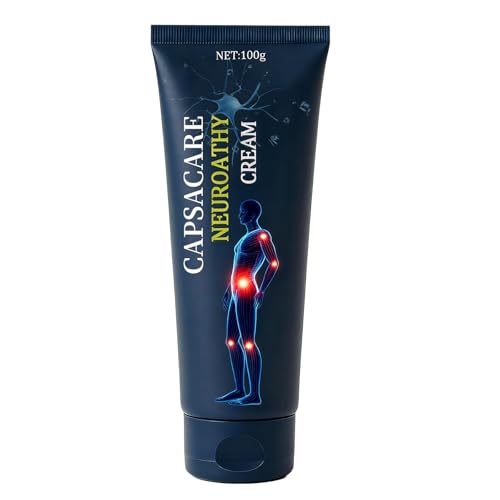
Capzasin-HP Arthritis Cream - Best for Persistent Pain
Capzasin-HP targets chronic, persistent arthritis pain that doesn't fully respond to NSAIDs or counter-irritants. At 0.1% capsaicin. the maximum OTC concentration. it systematically depletes substance P from local sensory neurons, reducing the baseline pain signal intensity over several weeks. The burn during early use is a feature, not a defect: it confirms the product is working. Use nitrile gloves during application, apply three to four times daily, and expect the burning to peak in week one and diminish by weeks three to four as substance P depletion accumulates. This level of commitment separates those who benefit from those who give up too soon.

Penetrex Joint & Muscle Therapy - Best for Morning Stiffness
Penetrex stands out for its focus on stiffness as a symptom rather than acute pain alone. The arnica, MSM, glucosamine, and vitamin B6 blend doesn't have the clinical weight of diclofenac, but it has among the strongest user reviews in its category for morning stiffness relief. Apply before getting out of bed and the hands are noticeably more mobile within 20 to 30 minutes. It's fragrance-minimal, non-greasy, and compatible with morning routines. Best used as a daily conditioning product alongside a targeted analgesic rather than as a standalone therapy for moderate-to-severe pain.
Before you buy
What to consider
Target your symptom first. Inflammation responds to diclofenac. Immediate pain responds to menthol or lidocaine. Chronic refractory pain responds to capsaicin with patience. Stiffness responds to warming and circulation-increasing formulas. Texture and scent drive daily compliance more than most buyers expect. The best cream is the one you'll actually use twice a day consistently. Fragrance-free formulas are better for hands since residual scent transfers to food and surfaces. Always check for drug interactions if taking oral NSAIDs alongside topical diclofenac.
The wrap-up
Voltaren is the most clinically validated choice for inflammation-driven arthritis pain. Aspercreme lidocaine is the most versatile for sensitive skin and odor-sensitive situations. Salonpas delivers solid daily coverage at the lowest price. Capzasin-HP is the most effective long-term option for persistent nerve-mediated pain. Penetrex is the best morning stiffness formula. A two-product strategy. Daily diclofenac pl
Quick answers
Most topical arthritis creams recommend two to four applications per day. Diclofenac gel (Voltaren) is typically applied four times daily using the provided dosing card. Menthol and lidocaine products can be reapplied every four to six hours as needed. Capsaicin cream should be applied three to four times per day at minimum to maintain the substance P depletion effect. Never exceed the labeled dosing frequency without medical advice.
Topical creams typically act faster for localized joint pain because they are applied directly to the affected area. Menthol and lidocaine products begin working within 10 to 30 minutes. Oral NSAIDs need to be absorbed through the GI tract and distributed systemically before reaching the joint, usually taking 45 to 90 minutes. For immediate localized relief, topical products win on speed. For systemic inflammation affecting multiple joints, oral medication provides broader coverage.
People with sensitive or eczema-prone skin should choose fragrance-free, dye-free formulas and patch-test any new product on a small area for 24 hours before broader use. Menthol products can irritate compromised skin barriers. Lidocaine-based formulas like Aspercreme are generally the best tolerated by sensitive skin types. Capsaicin products are not recommended on broken, irritated, or eczema-affected skin as they can cause significant burning. Consult a dermatologist if you have active eczema near arthritic joints.
How we made this guide
We compare every pick on the factors that matter, cross-checking manufacturer specifications against aggregated verified owner reviews. We rank independently and never take payment for placement. We have not personally tested every product; where we have not, the ranking reflects verified specs and owner feedback rather than a hands-on review.
How it was written: this guide was researched and reviewed by the TheTestedHub editorial team for accuracy.
Affiliate disclosure: TheTestedHub is reader-supported. When you buy through links on our site, we may earn a commission at no extra cost to you.
More to explore

What Works Best for Eczema? 2026 Top Creams Reviewed
Dry Skin Care in 2026: Ceramide-Rich Picks for Barrier Repair

2026 Curl Setting Sprays Reviewed: Ouidad Climate Control Tops for Versatility

2026 Curl Defining Creams That Moisturize Without the Weight
Chemical Exfoliants 2026: Honest Reviews & Picks
8 Best Cancer Treatment Skin Care Products of 2026

2026 Brightening Skincare: Vitamin C Serums Compared