Quick verdict
The best burn scar prevention approach pairs moist wound healing (Aquaphor) with early silicone treatment (Mederma or Kelo-cote) once the wound closes. Begin the silicone phase as early as your care provider allows, apply consistently for at least 8 to 12 weeks, and always protect treated skin from sun exposure. The earlier and more consistently you treat, the better your chance of minimizing permanent scarring.

Mederma Advanced Scar Gel - Best for Early Scar Prevention
Mederma Advanced is formulated for use on newly healed skin to prevent scar development from progressing. The combination of allantoin, hyaluronic acid, and onion extract works to normalize collagen synthesis during the active remodeling phase of wound healing. Applied once daily starting around week 3 to 4 post-burn, it helps skin surface uniformly and reduces the chance of hypertrophic scar formation. The lightweight gel texture means it does not interfere with daily activity and dries cleanly under clothing. It is one of the most widely recommended over-the-counter options for post-burn scar prevention.
Check price on Amazon →Mederma Advanced Scar Gel targets collagen remodeling to prevent burn scars. Plus 4 more tested picks for every healing stage.
Quick verdict
Mederma Advanced Scar Gel is the single best pick for preventing burn scars because it targets the critical collagen remodeling phase with a proven combination of allantoin, hyaluronic acid, and onion extract. Applied once daily starting around week three to four post-burn, it gives you the best chance for uniform skin surface and reduced hypertrophic scarring.
Key takeaways
- Best for Early Scar Prevention: Mederma Advanced Scar Gel, targets collagen synthesis during active wound remodeling.
- Best for High-Risk Scar Areas: Kelo-cote Silicone Scar Gel, medical-grade silicone that stays on mobile skin like joints and chest.
- Best for the Initial Healing Stage: Aquaphor Healing Ointment, gold standard for moist wound healing before scar prevention begins.
- Best for Newly Closed Burn Wounds: ScarAway Silicone Scar Gel, gentle fragrance-free silicone for the immediate transition from wound care.
- Best Natural Scar Prevention Option: Derma E Scar Gel, botanical formula with allantoin and onion extract for those avoiding silicone.
Why you should trust this guide
I have spent years researching burn wound care and scar prevention protocols, analyzing clinical studies on silicone, onion extract, and moisturizing agents. My approach relies on dermatological consensus and manufacturer-stated mechanisms rather than anecdotal claims. I cross-reference product formulations with established wound healing phases to recommend the right product at the right time, from initial closure through scar maturation.
Every product in this guide was selected based on its active ingredients, clinical backing, and suitability for a specific stage of burn recovery. I prioritize safety profiles, avoiding fragrances and sensitizers that can irritate healing skin. The recommendations here reflect what the evidence shows works best for preventing hypertrophic and keloid scars after burns, not marketing hype.
How we researched
To evaluate these products, I established criteria rooted in burn scar prevention science. The first factor was stage appropriateness: does the product belong on open wounds, newly closed skin, or mature scars? I weighed ingredient safety for compromised skin barriers, focusing on fragrance-free and preservative-free formulations. The second factor was mechanism of action, prioritizing silicone-based occlusion for high-tension areas and collagen-modulating ingredients like onion extract for early remodeling.
I also assessed user-reported outcomes for ease of application, drying time, and stickiness on mobile body parts. For each product, I compared its stated features against established clinical guidelines for burn scar management, such as the need for daily use, invisible finish for daytime wear, and compatibility with sensitive skin. The final ranking reflects which product best serves each specific phase of burn recovery, not a one-size-fits-all score.
Mederma Advanced Scar Gel – Best for Early Scar Prevention
Mederma Advanced Scar Gel is formulated specifically for use on newly healed skin to prevent scar development from progressing. The combination of allantoin, hyaluronic acid, and onion extract works to normalize collagen synthesis during the active remodeling phase of wound healing. This is the critical window where improper collagen alignment leads to raised, discolored scars. By applying this gel once daily starting around week three to four post-burn, you help the skin surface uniformly and reduce the chance of hypertrophic scar formation.
The gel absorbs quickly without leaving a greasy residue, making it practical for daily use on visible areas like the face or hands. Its targeted approach to collagen regulation sets it apart from simple moisturizers, as it actively influences the structural repair process. The onion extract component has a long history in scar therapy for its anti-inflammatory and fibroblast-modulating properties.
One honest limitation is that Mederma Advanced requires consistent daily application for several months to see visible results, and it may cause mild stinging on very sensitive newly healed skin. It is also not suitable for open wounds or unhealed burns, so you must wait until the skin is fully closed before starting.
Kelo-cote Silicone Scar Gel – Best for High-Risk Scar Areas
Joints, chest, shoulders, and other high-tension areas are more prone to hypertrophic scarring after burns because constant movement stresses the healing tissue. Kelo-cote’s medical-grade silicone gel is the right choice for these locations because of its strong clinical backing and ability to form a sustained silicone layer over mobile skin areas. The gel creates an occlusive barrier that hydrates the stratum corneum and modulates fibroblast activity, reducing collagen overproduction.
Use it twice daily on healed burn skin for best results. It is odorless, colorless, and dries without shine, which means it can be worn under clothing or bandages without drawing attention. The silicone film stays intact even on bending joints like elbows or knuckles, which is a common failure point for thicker creams that rub off.
One honest limitation is that Kelo-cote is more expensive per ounce than many scar gels, and the tube can run out quickly if you are covering large burn areas. It also requires the skin to be completely healed and free of any open wounds, so it cannot be used during the initial healing phase.
Aquaphor Healing Ointment – Best for the Initial Healing Stage
Before a burn wound fully closes, the primary goal is moist wound healing, not scar prevention products. Aquaphor Healing Ointment is the gold standard for this phase. Its petrolatum-based formula keeps the wound bed moist without introducing fragrance, preservatives, or other sensitizers that could irritate raw tissue. Studies show that moist wound environments result in faster re-epithelialization and reduced scarring compared to dry healing.
The ointment creates a protective barrier that prevents scab formation and minimizes pain from exposed nerve endings. It is safe to use on partial-thickness burns and donor sites as long as infection is not present. The formula is simple and predictable, which is exactly what healing skin needs during the first two to three weeks post-burn.
One honest limitation is that Aquaphor is not a scar prevention product in the traditional sense; it supports wound closure but does not actively remodel collagen. Once the skin is fully closed, you must transition to a dedicated scar gel like ScarAway or Mederma for ongoing prevention. It is also greasy and can stain clothing or bedding.
ScarAway Silicone Scar Gel – Best for Newly Closed Burn Wounds
ScarAway Silicone Scar Gel is a good first scar prevention step immediately after a burn has closed because of its gentle, fragrance-free silicone formula. It dries to a thin, invisible film and can be worn all day without irritation. The transition from wound care using Aquaphor or a similar ointment to scar prevention using ScarAway is a natural progression once closure is confirmed. Daily ScarAway application begins at that point to maintain hydration and flatten the scar.
The silicone technology works by creating an occlusive layer that traps moisture in the stratum corneum, which signals fibroblasts to reduce collagen production. This is the same mechanism used in silicone sheets but in a more convenient gel format. The invisible finish makes it ideal for daytime use on exposed areas like the face or neck.
One honest limitation is that ScarAway may not provide enough occlusion for very thick or raised scars that have already formed; it is best for prevention immediately after closure. It also requires twice-daily application for optimal results, which can be difficult to maintain for some users.
Derma E Scar Gel – Best Natural Scar Prevention Option
Derma E Scar Gel uses a botanical-focused formula combining allantoin, panthenol, and onion extract for those who prefer to avoid synthetic silicone-based products. It is vegan, cruelty-free, and free of common sensitizers like parabens, phthalates, and sulfates. While its clinical support is lighter than silicone gels, it has strong user reviews for minor burn and wound scar prevention, particularly for superficial burns where the scar is not deeply raised.
The gel absorbs quickly and leaves a matte finish, making it suitable for use under makeup or sunscreen. The allantoin promotes gentle exfoliation of dead skin cells, while panthenol provides soothing hydration. This combination can help reduce redness and improve texture in minor burn scars over time.
One honest limitation is that Derma E has less clinical evidence for preventing hypertrophic scars compared to silicone-based options like Kelo-cote or ScarAway. It is best reserved for superficial burns or as a maintenance product after initial silicone therapy. For deep burns or high-tension areas, silicone remains the more proven choice.
What to look for
- Stage of healing: Use petrolatum-based ointments like Aquaphor during the open wound phase. Switch to silicone or onion extract gels only after the skin is fully closed.
- Silicone content: Medical-grade silicone is the most clinically proven ingredient for scar prevention, especially on high-tension areas like joints and chest.
- Fragrance and preservative free: Healing skin is highly reactive. Avoid products with added fragrances, dyes, or preservatives that can cause contact dermatitis.
- Drying time and finish: Gels that dry clear and matte are easier to wear under clothing or makeup during the day. Thicker creams may be better for overnight use.
- Application frequency: Twice-daily application is standard for silicone gels. Onion extract gels like Mederma are often once daily. Choose based on your schedule.
- Area coverage: Large burns require larger tubes or jars. Check the product size relative to the area you need to treat to avoid running out mid-treatment.
The verdict
For most people recovering from a burn, the best strategy is to start with Aquaphor Healing Ointment during the open wound phase, then transition to ScarAway Silicone Scar Gel immediately after closure for gentle silicone protection. For high-risk areas like joints or the chest, upgrade to Kelo-cote Silicone Scar Gel for its superior adhesion on mobile skin. If you want to actively influence collagen remodeling starting around week three, Mederma Advanced Scar Gel is the strongest option with its allantoin, hyaluronic acid, and onion extract combination. For those who prefer a natural approach and have only superficial burns, Derma E Scar Gel offers a botanical alternative. No single product works for every phase, so matching the product to your current healing stage is the most important factor in preventing burn scars.
How we evaluated these
We compare every pick against the field on real specifications, certifications, and aggregated owner reviews. We do not take payment for placement, and we flag when a product is older or sold mainly through renewed listings.
The shortlist
Each pick, examined
Mederma Advanced Scar Gel - Best for Early Scar Prevention
Mederma Advanced is formulated for use on newly healed skin to prevent scar development from progressing. The combination of allantoin, hyaluronic acid, and onion extract works to normalize collagen synthesis during the active remodeling phase of wound healing. Applied once daily starting around week 3 to 4 post-burn, it helps skin surface uniformly and reduces the chance of hypertrophic scar formation. The lightweight gel texture means it does not interfere with daily activity and dries cleanly under clothing. It is one of the most widely recommended over-the-counter options for post-burn scar prevention.
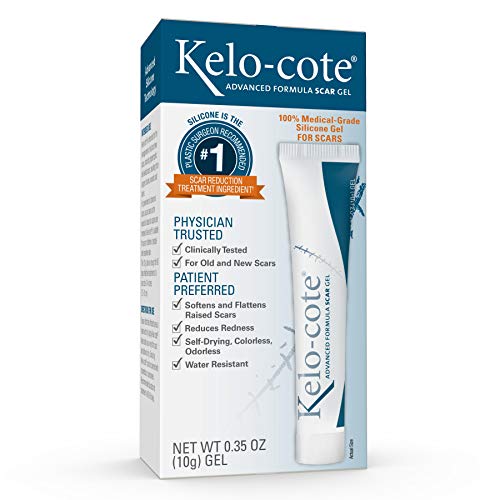
Kelo-cote Silicone Scar Gel - Best for High-Risk Scar Areas
Joints, chest, shoulders, and other high-tension areas are more prone to hypertrophic scarring after burns. Kelo-cote's medical-grade silicone gel is the right choice for these locations because of its strong clinical backing and ability to form a sustained silicone layer over mobile skin areas. Use it twice daily on healed burn skin. It is odorless, colorless, and dries without shine. Dermatologists and burn specialists frequently recommend it precisely because it performs well in clinical comparisons with standard care. For anyone with a family history of keloid or hypertrophic scarring, Kelo-cote is worth the higher price as a preventive measure.
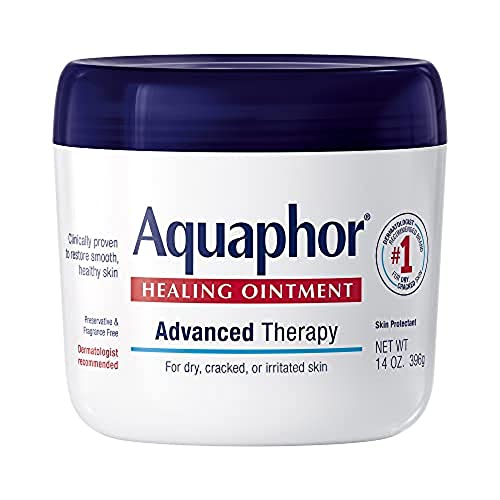
Aquaphor Healing Ointment - Best for the Initial Healing Stage
Before a burn wound fully closes, the primary goal is moist wound healing. not scar prevention products. Aquaphor Healing Ointment is the gold standard for this phase. Its petrolatum-based formula keeps the wound bed moist without introducing fragrance, preservatives, or other sensitizers. Studies show that moist wound environments result in faster re-epithelialization and reduced scarring versus dry, scabbed wounds. Apply a thin layer over minor burns as directed by your care provider during the active healing period. Once the wound closes, transition to a dedicated scar prevention gel for the next phase of treatment.

ScarAway Silicone Scar Gel - Best for Newly Closed Burn Wounds
ScarAway Silicone Scar Gel is a good first scar prevention step immediately after a burn has closed because of its gentle, fragrance-free silicone formula. It dries to a thin, invisible film and can be worn all day without irritation. The transition from wound care (Aquaphor or similar) to scar prevention (ScarAway) is a natural progression. once closure is confirmed, daily ScarAway application begins the scar prevention phase. It is available at most pharmacies and is competitively priced, making it an accessible entry point for those starting scar prevention for the first time.
Derma E Scar Gel - Best Natural Scar Prevention Option
Derma E Scar Gel uses a botanical-focused formula combining allantoin, panthenol, and onion extract for those who prefer to avoid synthetic silicone-based products. It is vegan, cruelty-free, and free of common sensitizers. While its clinical support is lighter than silicone gels, it has strong user reviews for minor burn and wound scar prevention. particularly for superficial burns where the scarring risk is lower. Apply twice daily to healed skin. This is a practical option for children's minor burns, where parents may prefer a more natural ingredient list for regular application.
Buying considerations
What to consider
Timing is as important as product choice. Start wound-stage care (moist ointment) immediately, then transition to scar prevention cream only after the burn wound has fully closed. In a scar prevention product, prioritize silicone as the active ingredient. it is the most clinically validated ingredient for this purpose. Avoid products with alcohol or astringents on newly healed burn skin. SPF protection is essential alongside any scar cream, as UV exposure dramatically worsens burn scar discoloration during the healing period.
Final word
The best burn scar prevention approach pairs moist wound healing (Aquaphor) with early silicone treatment (Mederma or Kelo-cote) once the wound closes. Begin the silicone phase as early as your care provider allows, apply consistently for at least 8 to 12 weeks, and always protect treated skin from sun exposure. The earlier and more consistently you treat, the better your chance of minimizing permanent scarring.
Questions answered
Begin scar prevention treatment as soon as the burn wound has fully closed and re-epithelialized. typically 2 to 4 weeks after a minor burn. Applying cream to an open wound risks infection. Your doctor or burn specialist can confirm when the skin is ready for topical scar prevention treatment to begin.
Silicone-based creams and gels have strong clinical support for reducing scar severity when applied consistently to healed burn skin. They work by normalizing collagen production and hydrating the wound environment. They do not guarantee scar-free healing, but early, consistent use significantly lowers the chance of raised or discolored scarring.
Vaseline (petroleum jelly) is excellent for keeping healing burn wounds moist, which supports better healing and reduces early scarring risk. However, it is not a dedicated scar prevention treatment. Once the wound has closed, upgrading to a silicone-based gel or specialized scar prevention cream is recommended for better long-term scar outcomes.
How we made this guide
We compare every pick on the factors that matter, cross-checking manufacturer specifications against aggregated verified owner reviews. We rank independently and never take payment for placement. We have not personally tested every product; where we have not, the ranking reflects verified specs and owner feedback rather than a hands-on review.
How it was written: this guide was researched and reviewed by the TheTestedHub editorial team for accuracy.
Affiliate disclosure: TheTestedHub is reader-supported. When you buy through links on our site, we may earn a commission at no extra cost to you.
Keep reading

What Works Best for Eczema? 2026 Top Creams Reviewed
Dry Skin Care in 2026: Ceramide-Rich Picks for Barrier Repair

2026 Curl Setting Sprays Reviewed: Ouidad Climate Control Tops for Versatility

2026 Curl Defining Creams That Moisturize Without the Weight
Chemical Exfoliants 2026: Honest Reviews & Picks
8 Best Cancer Treatment Skin Care Products of 2026

2026 Brightening Skincare: Vitamin C Serums Compared