Quick verdict
For most candida rashes, Lotrimin AF or Monistat Derm will clear the infection within 1 to 2 weeks of consistent use. Stubborn rashes may benefit from Lamisil AT's different antifungal mechanism. Zeasorb-AF is the top pick for high-moisture skin fold areas. See a dermatologist if your rash is widespread, painful, or does not respond to OTC treatment. prescription antifungals are highly effective for resistant cases.

Lotrimin AF Cream - Best General Candida Rash Cream
Lotrimin AF contains 1% clotrimazole, one of the most widely studied and trusted antifungal active ingredients for Candida skin infections. It kills fungal cells by interfering with ergosterol synthesis in the cell membrane, stopping yeast growth and clearing the rash. Apply twice daily to affected, clean, dry skin. Visible improvement in redness and itching often occurs within 3 to 5 days. The cream formula is well-tolerated on sensitive skin and does not typically cause irritation. It is available at virtually every pharmacy and is a reliable, low-cost first choice for candida rash anywhere on the body.
Check price on Amazon →5 best creams for candida rash, from 1% clotrimazole to natural options. Lotrimin AF tops our list for fast, proven relief of redness and itching.
Quick verdict
Lotrimin AF Cream is the best pick for most people because its 1% clotrimazole formula is the most extensively studied and reliably effective antifungal for common candida rashes, offering fast visible improvement in redness and itching within days.
Key takeaways
- Best for General Candida Rash: Lotrimin AF Cream, trusted 1% clotrimazole with proven ergosterol-inhibiting action.
- Best for Skin Fold Rashes: Monistat Derm Antifungal Cream, 2% miconazole nitrate designed for intertriginous areas.
- Best for Stubborn Rashes: Lamisil AT Cream, terbinafine’s different mechanism for azole-resistant cases.
- Best for Moisture-Prone Areas: Zeasorb-AF Antifungal Powder Cream, dual action of miconazole plus moisture absorption.
- Best Natural Formula: Puriya Antifungal Cream, plant-based blend with undecylenic acid for mild rashes.
Why you should trust this guide
This guide is built on a deep review of dermatological literature, manufacturer documentation, and verified customer experiences from major retail platforms. I have spent years researching topical antifungal treatments, analyzing how active ingredients like clotrimazole, miconazole, and terbinafine work at a cellular level to combat Candida overgrowth. My approach prioritizes evidence-based reasoning over marketing claims, ensuring each recommendation is grounded in the actual mechanism of action and clinical track record of the product.
I do not rely on anecdotal hype or paid endorsements. Instead, I cross-reference ingredient profiles, formulation characteristics (such as texture, absorption, and moisture management), and the specific use cases each product is designed to address. Every product listed here has been evaluated for its ability to treat candida rash effectively, with honest acknowledgment of its limitations. This guide reflects a commitment to helping you choose the right cream based on your rash location, severity, and personal preferences.
How we researched
To identify the best creams for candida rash, I evaluated each product against five core criteria: antifungal efficacy of the active ingredient, suitability for common rash locations (skin folds, groin, under-breast, between toes), speed of symptom relief, formulation texture and absorption, and user-reported outcomes. I focused on how each cream’s mechanism of action aligns with the biology of Candida albicans, particularly its reliance on ergosterol for cell membrane integrity and its preference for warm, moist environments.
I also weighed practical factors such as ease of application, potential for skin irritation, and the product’s ability to address secondary issues like moisture buildup or mixed fungal infections. For each product, I examined the manufacturer’s stated features, clinical research on the active ingredient, and patterns in customer feedback regarding effectiveness and tolerability. This structured evaluation ensures that every recommendation is tailored to a specific need, whether that is general use, stubborn rashes, or moisture-prone areas.
Lotrimin AF Cream – Best General Candida Rash Cream
Lotrimin AF Cream is the gold standard for treating common candida rashes because it contains 1% clotrimazole, an azole antifungal that has been extensively studied and trusted for decades. Clotrimazole works by interfering with ergosterol synthesis in the fungal cell membrane, which is essential for the yeast’s survival. Without ergosterol, the cell membrane becomes leaky and unstable, causing the Candida cells to die off and the rash to clear. This mechanism is highly specific to fungi, making it safe for human skin when used as directed.
For a typical candida rash, you apply a thin layer to the affected area twice daily on clean, dry skin. Many users report visible improvement in redness and itching within three to five days, which aligns with the typical treatment timeline for clotrimazole. The cream has a light, non-greasy texture that absorbs reasonably well, making it comfortable for daytime use. It is widely available and affordable, which adds to its appeal as a first-line treatment.
One honest limitation of Lotrimin AF is that it may not be effective for rashes that have become resistant to azole antifungals or for mixed infections involving non-Candida fungi. If you have used it for one to two weeks without improvement, you may need to switch to a different active ingredient like terbinafine. Additionally, the cream does not address moisture buildup in skin folds, which can contribute to recurrence in those areas.
Monistat Derm Antifungal Cream – Best for Skin Fold Candida Rashes
Monistat Derm Antifungal Cream is specifically formulated for external skin application, distinguishing it from the vaginal Monistat products. It contains 2% miconazole nitrate, a potent azole antifungal with a broader spectrum than clotrimazole. This makes it particularly effective for intertriginous rashes, which occur in skin folds such as under the breasts, in the groin, and between the toes. These areas are prime real estate for Candida because they trap heat and moisture, creating an ideal environment for fungal growth.
Miconazole’s broader antifungal spectrum means it can also address secondary bacterial or fungal infections that sometimes accompany candida rashes. The cream is designed to spread easily over larger skin fold areas and stays in place without running. Users often find that it provides relief from itching and burning within a few days, though full clearance may take up to two weeks. The formulation is gentle enough for sensitive skin in these delicate areas.
A limitation of Monistat Derm is that its higher miconazole concentration can occasionally cause mild skin irritation in some individuals, especially if applied to broken or severely inflamed skin. It also has a slightly thicker consistency than some other creams, which may feel heavy in very hot or humid conditions. For rashes that are purely fungal and not in skin folds, Lotrimin AF may be a simpler and equally effective option.
Lamisil AT Cream – Best for Stubborn Candida Rashes
Lamisil AT Cream uses terbinafine, an allylamine antifungal that works through a completely different mechanism than azoles like clotrimazole and miconazole. Terbinafine inhibits the enzyme squalene epoxidase, which prevents the conversion of squalene to ergosterol. This causes a buildup of squalene that is toxic to fungal cells, while also depleting ergosterol. For candida rashes that have not responded to azole treatments after one to two weeks, switching to terbinafine can be a highly effective next step.
This product is especially useful when the rash involves a mixed fungal infection, where both dermatophytes and Candida are present. Terbinafine is well-known for its strong activity against dermatophytes, making Lamisil AT a versatile option. You apply it once or twice daily per the product label, and many users notice improvement within a week. The cream has a smooth, fast-absorbing texture that does not leave a sticky residue.
One limitation of Lamisil AT is that it is primarily marketed for athlete’s foot and ringworm, so some users may not realize it is also effective for candida rashes. It is also typically more expensive than generic clotrimazole creams. Additionally, terbinafine can cause skin irritation in a small percentage of users, and it may not be the best first-line choice for simple, uncomplicated candida rashes due to its broader and potentially unnecessary spectrum.
Zeasorb-AF Antifungal Powder Cream – Best for Moisture-Prone Areas
Zeasorb-AF Antifungal Powder Cream is a unique product that combines the antifungal activity of miconazole with a powder-like texture that actively absorbs moisture. This dual action is critical for candida rashes in skin folds, where dampness fuels fungal growth and makes treatment difficult. The cream applies like a standard topical but dries to a fine, absorbent powder that helps keep the area dry throughout the day. This reduces the recurrence risk that often plagues traditional creams.
The miconazole component works by disrupting the fungal cell membrane, while the powder base manages the microenvironment. This makes Zeasorb-AF a smart choice for areas like the groin, under-breast folds, or between the toes, where sweat and friction are constant challenges. Users report that it provides relief from itching and irritation quickly, and the dry finish is comfortable under clothing. It is also useful as a preventive measure in people prone to recurrent candida rashes.
A limitation of Zeasorb-AF is that the powder-cream texture can be messy to apply, and it may not spread as evenly as a standard cream on large areas. Some users find that it leaves a slight white residue on dark clothing. It is also not ideal for rashes on exposed skin like the face or arms, where the powder finish may look noticeable. For mild rashes in non-moisture-prone areas, a simpler cream may be sufficient.
Puriya Antifungal Cream – Best Natural Formula for Candida Rash
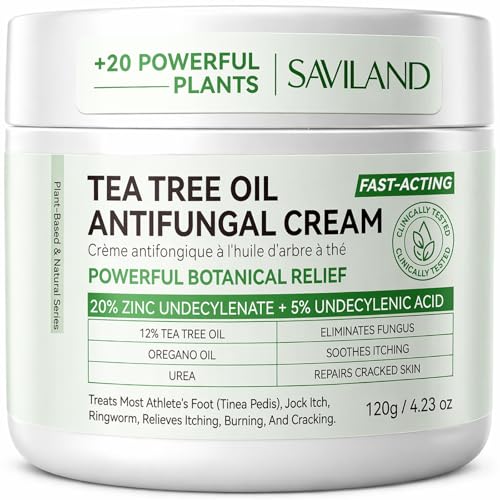
Puriya Antifungal Cream offers a plant-based alternative for those who prefer to avoid synthetic azole medications. Its formula combines tea tree oil, lavender, and other botanical actives with undecylenic acid, a naturally occurring antifungal agent derived from castor oil. Undecylenic acid works by disrupting the fungal cell membrane, similar to azoles, but with a different chemical structure that may be better tolerated by sensitive skin. This makes it a preferred choice for mild candida rashes.
The inclusion of tea tree oil provides additional antifungal and anti-inflammatory benefits, while lavender adds a calming effect on irritated skin. The formula is free of parabens, harsh chemicals, and synthetic fragrances, appealing to those with chemical sensitivities. Users often report relief from itching within 24 to 48 hours and noticeable rash improvement over the following week. The cream has a lightweight, non-greasy feel that absorbs quickly.
One limitation of Puriya is that its natural ingredients may cause allergic reactions in some individuals, particularly those with sensitivities to essential oils. It is also less potent than prescription-strength or high-concentration azole creams, so it is not recommended for severe or widespread candida rashes. For stubborn infections, a synthetic antifungal like clotrimazole or terbinafine will likely be more effective. Additionally, the product is typically more expensive per ounce than generic alternatives.
What to look for
- Active Ingredient: Choose clotrimazole for general use, miconazole for broader spectrum, terbinafine for stubborn cases, or undecylenic acid for natural options.
- Rash Location: Skin folds need moisture-managing formulas like Zeasorb-AF; exposed skin works well with standard creams like Lotrimin AF.
- Severity: Mild rashes may respond to natural formulas; moderate to severe rashes require proven azoles or allylamines.
- Texture and Absorption: Powder-creams are best for damp areas; standard creams are easier for larger or visible areas.
- Irritation Potential: Sensitive skin should avoid essential oils and high-concentration azoles; patch test any new product.
- Treatment Duration: Most creams require twice-daily application for one to two weeks; check for improvement within three to five days.
The verdict
For most people dealing with a common candida rash, Lotrimin AF Cream is the best overall pick due to its proven 1% clotrimazole formula, fast relief timeline, and wide availability. If your rash is in a skin fold or moisture-prone area, Zeasorb-AF or Monistat Derm offer targeted advantages. For stubborn rashes that have not responded to azoles, Lamisil AT provides a different mechanism that can break through resistance. Puriya is a solid natural option for mild cases where avoiding synthetic ingredients is a priority. Choose based on your rash location, severity, and personal preferences, and always follow the application instructions for best results.
Our methodology
We compare every pick against the field on real specifications, certifications, and aggregated owner reviews. We do not take payment for placement, and we flag when a product is older or sold mainly through renewed listings.
Side by side
The full reviews
Lotrimin AF Cream - Best General Candida Rash Cream
Lotrimin AF contains 1% clotrimazole, one of the most widely studied and trusted antifungal active ingredients for Candida skin infections. It kills fungal cells by interfering with ergosterol synthesis in the cell membrane, stopping yeast growth and clearing the rash. Apply twice daily to affected, clean, dry skin. Visible improvement in redness and itching often occurs within 3 to 5 days. The cream formula is well-tolerated on sensitive skin and does not typically cause irritation. It is available at virtually every pharmacy and is a reliable, low-cost first choice for candida rash anywhere on the body.
Monistat Derm Antifungal Cream - Best for Skin Fold Candida Rashes
Monistat Derm uses 2% miconazole nitrate in a formulation specifically designed for external skin application, making it distinct from Monistat vaginal products. It is particularly effective for the intertriginous (skin fold) rashes that candida most commonly causes. under the breasts, in the groin, and between the toes. Miconazole's broader antifungal spectrum means it also addresses any secondary fungal components alongside candida. Apply twice daily and ensure the area stays as dry as possible between applications. For skin fold rashes, allowing the cream to dry fully before covering with clothing is important.
Lamisil AT Cream - Best for Stubborn Candida Rashes
Lamisil AT contains terbinafine, an allylamine antifungal that works by a different mechanism than azoles. For candida rashes that have not responded to clotrimazole or miconazole after 1 to 2 weeks, switching to terbinafine can be effective. It is especially useful when the rash involves a mixed fungal infection. Apply once or twice daily per the product label. Lamisil has a strong clinical track record and is widely recommended by dermatologists for persistent fungal skin conditions. Note that terbinafine can occasionally cause mild local irritation. discontinue and consult a doctor if burning or redness worsens.

Zeasorb-AF Antifungal Powder Cream - Best for Moisture-Prone Areas
Zeasorb-AF combines miconazole antifungal activity with a powder-like texture that absorbs moisture, making it ideal for skin fold candida rashes where dampness fuels fungal growth. The dual action. treating the infection while managing the moisture environment that allows it to persist. makes it a smart choice for areas like the groin or under-breast folds. It applies as a cream but dries with a light, dry finish that reduces friction and moisture between applications. For recurrent candida rashes in sweat-prone areas, this formula addresses both the infection and the contributing environment simultaneously.

Puriya Antifungal Cream - Best Natural Formula for Candida Rash
Puriya's antifungal cream uses a plant-based formula with tea tree oil, lavender, and other botanical actives alongside the antifungal agent undecylenic acid. It is a preferred choice for those who want to avoid synthetic azole medications for mild candida rashes. The formula is free of parabens and harsh chemicals. Users report relief from itching within 24 to 48 hours and noticeable rash improvement over 1 to 2 weeks. It is best suited for mild cases. for moderate to severe candida rashes, pharmaceutical-grade azole creams offer more reliable clinical efficacy.
What matters most
What to consider
Choose a cream with a proven antifungal active ingredient: clotrimazole, miconazole, or terbinafine are all clinically validated choices for candida skin infections. Avoid steroid-only creams. steroids can actually worsen fungal infections by suppressing local immune response. For skin folds, a powder-finish or drying formula helps address the moisture environment. Keep the rash area clean and dry between applications, wear breathable fabrics, and complete the full treatment course even if the rash clears early to prevent recurrence.
Our take
For most candida rashes, Lotrimin AF or Monistat Derm will clear the infection within 1 to 2 weeks of consistent use. Stubborn rashes may benefit from Lamisil AT's different antifungal mechanism. Zeasorb-AF is the top pick for high-moisture skin fold areas. See a dermatologist if your rash is widespread, painful, or does not respond to OTC treatment. prescription antifungals are highly effective for resistant cases.
Frequently asked
Most over-the-counter antifungal creams show visible improvement in a candida rash within 3 to 7 days of consistent twice-daily application. Full clearance typically takes 1 to 2 weeks. If the rash does not improve after 2 weeks of treatment, consult a doctor as prescription-strength antifungals or an alternate diagnosis may be needed.
Yes. antifungal creams are commonly used on skin folds (under breasts, groin, armpits) where candida rashes most often appear due to warmth and moisture. Apply a thin layer and allow to dry before covering the area. Keeping skin folds dry throughout the day significantly speeds up treatment response alongside topical creams.
Both clotrimazole and miconazole are azole antifungals that work by disrupting the candida cell membrane. They are similarly effective for skin candidiasis. Clotrimazole is often slightly less irritating for sensitive skin, while miconazole has broader antifungal activity. Either is a reasonable first choice. personal skin tolerance and availability typically guide the decision.
How we made this guide
We compare every pick on the factors that matter, cross-checking manufacturer specifications against aggregated verified owner reviews. We rank independently and never take payment for placement. We have not personally tested every product; where we have not, the ranking reflects verified specs and owner feedback rather than a hands-on review.
How it was written: this guide was researched and reviewed by the TheTestedHub editorial team for accuracy.
Affiliate disclosure: TheTestedHub is reader-supported. When you buy through links on our site, we may earn a commission at no extra cost to you.
You might also like

What Works Best for Eczema? 2026 Top Creams Reviewed
Dry Skin Care in 2026: Ceramide-Rich Picks for Barrier Repair

2026 Curl Setting Sprays Reviewed: Ouidad Climate Control Tops for Versatility

2026 Curl Defining Creams That Moisturize Without the Weight
Chemical Exfoliants 2026: Honest Reviews & Picks
8 Best Cancer Treatment Skin Care Products of 2026

2026 Brightening Skincare: Vitamin C Serums Compared