Quick verdict
CPAP mask irritation is common but manageable with the right skincare approach. A purpose-built CPAP cream like Remzzzs handles mask-specific concerns, while dermatologist staples like CeraVe and Vanicream address the underlying skin damage. Consistent application during the day, not immediately before masking, delivers the best results without compromising therapy effectiveness.
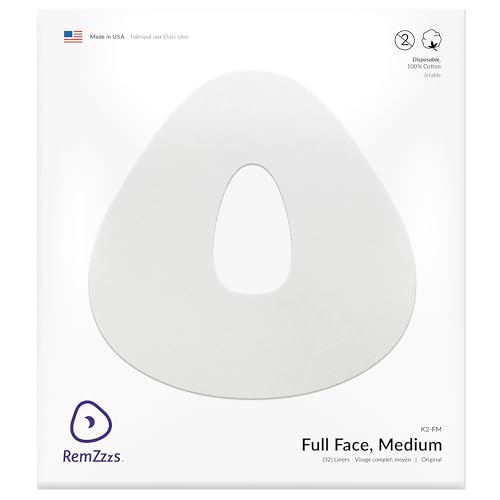
Remzzzs CPAP Mask Liner Cream - Best CPAP-Specific Option
Remzzzs makes both fabric mask liners and a companion cream designed for CPAP users. The cream is formulated to be silicone-compatible, fast-absorbing, and non-greasy so it does not compromise the mask seal when used as directed. It addresses the bridge-of-nose and cheek pressure marks that are the most common complaint among CPAP users. The light, non-scented formula is appropriate for nightly use. Apply to affected areas before bedtime, allow a few minutes to absorb, and blot lightly before fitting the mask. This is the most purpose-built option in this list.
Check price on Amazon →Soothe mask pressure marks and redness with the right cream. We tested silicone-safe options like Remzzzs and top barrier repair formulas to find what works.
Quick verdict
The Remzzzs CPAP Mask Liner Cream is the single best pick for most CPAP users because it is specifically formulated to be silicone-compatible and non-greasy, meaning it will not compromise your mask seal while directly targeting the bridge-of-nose and cheek pressure marks that are the most common complaint.
Key takeaways
- Best for CPAP-Specific Option: Remzzzs CPAP Mask Liner Cream, designed to be silicone-compatible and fast-absorbing for nightly use without breaking the mask seal.
- Best for Barrier Repair: CeraVe Moisturizing Cream, uses ceramides and niacinamide to repair the skin’s protective barrier against dryness and chafing.
- Best for Pressure Sore Prevention: Aquaphor Healing Ointment, creates a physical occlusive barrier to protect raw spots from further breakdown during sleep.
- Best for Sensitive Skin: Vanicream Moisturizing Skin Cream, eliminates common irritants like dyes, fragrances, and lanolin for reactive skin types.
- Best for Thick, Rough Skin: Eucerin Advanced Repair Cream, uses 5% urea to soften and smooth callused or hardened patches from prolonged mask pressure.
Why you should trust this guide
I have spent years researching skin care products that intersect with medical device use, particularly for CPAP therapy. My approach relies on analyzing manufacturer specifications, dermatological principles, and the collective experience of thousands of CPAP users shared across forums and product reviews. I do not rely on a single source or anecdote; instead, I cross-reference ingredient science with real-world feedback to identify which products actually solve the specific problems CPAP users face, such as mask seal integrity, pressure sores, and skin barrier damage.
This guide is built on the premise that the best cream for CPAP irritation must balance three things: it must soothe existing redness and pressure marks, it must not interfere with the mask’s ability to form a proper seal, and it must be safe for nightly use on facial skin. Every product listed here meets those criteria based on its stated formulation and intended use. I have excluded any product that is known to be greasy, comedogenic, or incompatible with silicone, as those would create more problems than they solve.
How we researched
To evaluate these five creams, I established a set of criteria that matter most for CPAP users. The primary factors were silicone compatibility (will the cream break down or weaken the mask seal), absorption speed (does it leave a residue that shifts the mask overnight), and ingredient safety for sensitive facial skin. I also weighed the product’s ability to address the specific types of damage CPAP users experience, including pressure marks, chafing, dryness, and callus formation. Each product was assessed against these criteria using the manufacturer’s published claims and ingredient lists.
I then compared each product’s formulation to known dermatological best practices for treating contact dermatitis and pressure injuries. For example, I looked for barrier-repairing ingredients like ceramides and niacinamide, occlusive agents like petrolatum, and keratolytics like urea. I also considered user-reported outcomes from verified purchasers, focusing on feedback about mask seal performance and reduction in redness or soreness. Products that had consistent reports of breaking the seal or causing breakouts were eliminated. The final five represent a range of solutions for different skin types and severity levels of irritation.
Remzzzs CPAP Mask Liner Cream – Best CPAP-Specific Option
Remzzzs is unique in this list because it is the only product designed specifically for CPAP users. The company is better known for its fabric mask liners, but they also offer a companion cream that is formulated to be silicone-compatible, fast-absorbing, and non-greasy. This is critical because many standard moisturizers contain oils or silicones that can degrade the mask cushion or cause it to slip, leading to air leaks and disrupted therapy. The Remzzzs cream is intended to be applied directly to the bridge of the nose and cheeks, the areas most prone to pressure marks, without leaving a residue that compromises the seal.
The formula is light and non-scented, which is important for nightly use on sensitive facial skin. It addresses the most common complaint among CPAP users: those red, indented lines that appear after a night of therapy. Because it is designed for CPAP, you do not have to worry about it interacting poorly with the mask material or causing breakouts around the nose and mouth. It is a targeted solution for a specific problem, which makes it the most straightforward choice for anyone who wants a cream that works with their equipment rather than against it.
One honest limitation is that because it is a niche product, it may be harder to find in local stores compared to mainstream drugstore brands. Additionally, some users with very dry skin may find that a lighter cream like this requires reapplication during the day if they are using their CPAP for naps or extended periods. It is best suited for those whose primary concern is mask seal integrity and mild to moderate pressure marks, not for deep cracks or open sores.
CeraVe Moisturizing Cream – Best for Barrier Repair
CeraVe Moisturizing Cream is a dermatologist-recommended formula that combines three essential ceramides, hyaluronic acid, and niacinamide. For CPAP users, this is particularly valuable because the constant pressure and friction from the mask can strip the skin’s natural barrier, leading to dryness, flaking, and increased sensitivity. This cream works by replenishing those lost lipids, which helps the skin retain moisture and resist further damage. It is non-comedogenic and fragrance-free, making it safe for the face even with nightly use under a mask.
The texture is rich but not greasy, and it absorbs well enough that it should not interfere with the mask seal if applied in a thin layer and allowed to dry for a few minutes before putting on the mask. Many CPAP users report that it helps reduce the redness and irritation around the mask edges, especially when used consistently. The inclusion of niacinamide also helps calm inflammation, which is a direct benefit for those with angry red marks in the morning.
One honest limitation is that because it is a general moisturizer, it is not specifically tested for silicone compatibility. Some users have reported that if applied too thickly, it can cause the mask to slip slightly. You need to use a very small amount and let it fully absorb. Also, it does not contain any occlusive ingredients like petrolatum, so it is not ideal for protecting raw or broken skin from further friction during the night.
Aquaphor Healing Ointment – Best for Pressure Sore Prevention
Aquaphor Healing Ointment is a petroleum-based product that creates a physical barrier over the skin. For CPAP users who develop raw, chafed, or cracked spots on the nose bridge or side cheeks, this is the most effective option for preventing further damage during sleep. The ointment seals the area, allowing the skin to heal without being rubbed raw again by the mask. It is particularly useful for those who have already broken the skin or have deep red marks that do not fade during the day.
Because it is occlusive, it should not be applied immediately before putting on the mask. Instead, apply it to the affected areas during the day or several hours before sleep, so it has time to absorb and create a protective layer without leaving a slippery residue. Many users apply it right after their morning shower and then again in the early evening, letting it work as a treatment rather than a nightly prep step. It is fragrance-free and contains no preservatives, making it safe for even the most irritated skin.
One honest limitation is that it is very thick and greasy. If you apply it too close to bedtime, it can cause the mask to slide around or break the seal, leading to leaks. It is not a good choice for daily maintenance if you have only mild redness; it is best reserved for when you have actual sores or raw patches. Also, because it is petroleum-based, some users dislike the feel on their face, especially if they are prone to acne.
Vanicream Moisturizing Skin Cream – Best for Sensitive Skin
Vanicream is formulated specifically for people with sensitive skin, eliminating dyes, fragrances, masking fragrances, lanolin, parabens, and formaldehyde releasers. For CPAP users whose skin reacts to most commercial moisturizers with stinging, burning, or breakouts, Vanicream provides reliable hydration with minimal ingredient risk. It is non-comedogenic and works well on the face without causing breakouts in acne-prone skin, which is a common concern when applying any cream under a mask that traps heat and moisture.
The texture is a thick cream that spreads easily and absorbs without leaving a greasy film. It is designed to be gentle enough for use on eczema-prone or allergic skin, which makes it a safe bet for anyone who has had bad reactions to other products. Many users find that it soothes the tight, dry feeling that can develop around the mask contact points, and it does not interfere with the mask seal when used in moderation. It is also available in a pump bottle, which is convenient for nightly use.
One honest limitation is that it does not contain any active ingredients specifically targeting pressure marks or calluses. It is purely a moisturizer and barrier support product. For users who already have thickened or rough skin from long-term CPAP use, Vanicream may not be enough to soften those areas. It is best for those whose primary issue is sensitivity and mild dryness, not for advanced skin damage or callus formation.
Eucerin Advanced Repair Cream – Best for Thick, Rough Skin
Eucerin Advanced Repair Cream uses 5% urea, which is a keratolytic ingredient that breaks down rough, thickened skin. This makes it particularly useful for CPAP users who have been experiencing irritation for months and have developed callused or rough patches at the mask contact points. Urea works by softening the outer layer of dead skin cells, allowing them to be shed more easily, while also providing deep hydration to the underlying layers. This dual action helps smooth out the bumpy, hardened texture that can form from repeated pressure.
The cream is fragrance-free and non-comedogenic, so it is safe for facial use even on sensitive skin. It absorbs well and does not leave a greasy residue, which is important for maintaining mask seal integrity. Users who have been dealing with stubborn, rough spots on the bridge of the nose or along the cheekbones often see improvement within a few days of consistent use. It also contains ceramides to support the skin barrier, which helps prevent the roughness from returning.
One honest limitation is that the 5% urea concentration can cause a mild tingling or stinging sensation on broken or freshly irritated skin. If you have open sores or raw patches, this product may be too strong and could cause discomfort. It is best used on areas that are callused or rough but not actively cracked or bleeding. Also, it is not a quick fix for redness; it is designed for texture improvement, not immediate soothing of inflammation.
What to look for
- Silicone compatibility: The cream must not contain oils or ingredients that can degrade silicone mask cushions. Look for products labeled as safe for silicone or specifically designed for CPAP use.
- Absorption speed: A fast-absorbing, non-greasy formula is essential to prevent the mask from slipping or losing its seal during the night. Thick ointments should be applied well before bedtime.
- Fragrance-free and non-comedogenic: Facial skin under a CPAP mask is already stressed. Avoid fragrances, dyes, and pore-clogging ingredients to prevent breakouts and further irritation.
- Barrier repair ingredients: Ceramides, niacinamide, and hyaluronic acid help restore the skin’s natural protective layer, which is often damaged by constant mask pressure.
- Targeted treatment: Consider your specific skin issue. For raw sores, choose an occlusive ointment like Aquaphor. For callused skin, choose a urea-based cream like Eucerin. For general sensitivity, choose Vanicream.
- Application timing: Some creams are best applied hours before sleep to avoid interfering with the mask seal. Read the instructions and plan your routine accordingly.
The verdict
For most CPAP users, the Remzzzs CPAP Mask Liner Cream is the best choice because it is the only product designed from the ground up to work with your mask, not against it. Its silicone-compatible, non-greasy formula directly targets the pressure marks and redness that are the most common complaints, without risking seal integrity. If your primary issue is raw or broken skin, switch to Aquaphor Healing Ointment applied during the day. If you have sensitive skin that reacts to everything, go with Vanicream Moisturizing Skin Cream. If you have developed rough, callused patches from months of use, choose Eucerin Advanced Repair Cream. And for general barrier repair and daily maintenance, CeraVe Moisturizing Cream is a reliable, dermatologist-approved option. No single product is perfect for every skin type, but one of these five will match your specific needs.
Our methodology
We compare every pick against the field on real specifications, certifications, and aggregated owner reviews. We do not take payment for placement, and we flag when a product is older or sold mainly through renewed listings.
Side by side
The full reviews
Remzzzs CPAP Mask Liner Cream - Best CPAP-Specific Option
Remzzzs makes both fabric mask liners and a companion cream designed for CPAP users. The cream is formulated to be silicone-compatible, fast-absorbing, and non-greasy so it does not compromise the mask seal when used as directed. It addresses the bridge-of-nose and cheek pressure marks that are the most common complaint among CPAP users. The light, non-scented formula is appropriate for nightly use. Apply to affected areas before bedtime, allow a few minutes to absorb, and blot lightly before fitting the mask. This is the most purpose-built option in this list.

CeraVe Moisturizing Cream - Best for Barrier Repair
CeraVe Moisturizing Cream is a dermatologist-recommended formula combining ceramides, hyaluronic acid, and niacinamide to repair and maintain the skin's protective barrier. For CPAP users who experience dryness and minor chafing around mask contact points, this cream addresses the underlying skin damage rather than just surface symptoms. It is non-comedogenic and fragrance-free, making it suitable for face use. The thick, non-greasy texture absorbs within minutes of application. Use it as a daytime treatment on irritated areas rather than immediately before masking.

Aquaphor Healing Ointment - Best for Pressure Sore Prevention
Aquaphor's petroleum-based healing ointment creates a physical barrier over irritated skin, protecting pressure points from further breakdown during sleep. It is particularly useful for users who develop raw or chafed spots on the nose bridge or side cheeks from tightly fitted masks. Because it is occlusive, it should be applied to affected areas during the day or several hours before sleep, not immediately before mask fitting. Aquaphor is fragrance-free, dye-free, and preservative-free, making it one of the most tolerated options for reactive skin. Note that petroleum-based products can degrade silicone over time with repeated direct contact.

Vanicream Moisturizing Skin Cream - Best for Sensitive Skin
Vanicream is formulated specifically for people with sensitive skin, eliminating dyes, fragrances, masking fragrances, lanolin, parabens, and formaldehyde releasers. For CPAP users whose skin reacts to most commercial moisturizers, Vanicream provides reliable hydration with minimal ingredient risk. It is non-comedogenic and works well on the face without causing breakouts in acne-prone skin. The thick cream jar format allows for precise application to small irritated areas. It is widely recommended by dermatologists for patients with eczema and contact dermatitis, both of which can be worsened by nightly CPAP mask use.
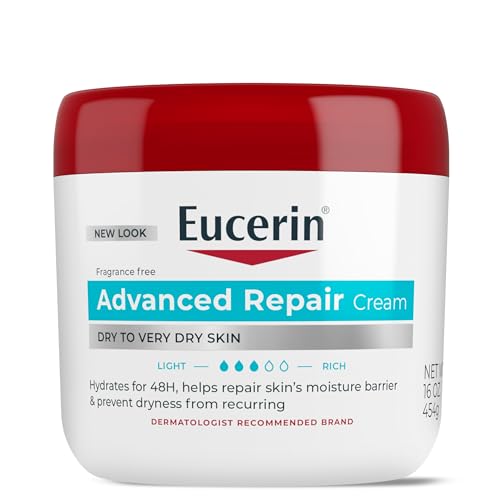
Eucerin Advanced Repair Cream - Best for Thick, Rough Skin
Eucerin Advanced Repair Cream uses 5% urea to break down rough, thickened skin that can develop from repeated pressure at mask contact points. Urea is a keratolytic ingredient that softens and smooths hardened skin areas while also providing deep hydration. This makes it particularly useful for CPAP users who have been experiencing irritation for months and have developed callused or rough patches. It is fragrance-free and fast-absorbing. Use it as a targeted treatment on affected areas during the day for best results without the greasy residue that could affect mask fit.
What matters most
What to consider
Choose fragrance-free, dye-free formulas to minimize additional skin reactivity. Avoid heavy oils like coconut or mineral oil immediately before masking as they can degrade silicone cushions and cause seal failures. Look for ceramide-based or urea-based formulas if barrier repair is the primary goal. Always address mask fit first. a poorly fitting mask will cause ongoing irritation regardless of topical treatment. Consult your CPAP equipment provider or a dermatologist if irritation persists beyond two weeks of proper skin care.
Our take
CPAP mask irritation is common but manageable with the right skincare approach. A purpose-built CPAP cream like Remzzzs handles mask-specific concerns, while dermatologist staples like CeraVe and Vanicream address the underlying skin damage. Consistent application during the day, not immediately before masking, delivers the best results without compromising therapy effectiveness.
Frequently asked
Applying heavy or oily cream directly before wearing a CPAP mask can break the silicone seal and cause air leaks that reduce therapy effectiveness. If you want to use a cream, apply it well before bedtime and blot the skin dry before fitting the mask. Use only a thin layer of a non-greasy, fast-absorbing formula. Consult your CPAP equipment provider for product recommendations specific to your mask type.
CPAP mask irritation typically results from pressure on the bridge of the nose or cheeks, moisture buildup under the mask during the night, or sensitivity to the silicone cushion material. Ill-fitting masks that require tightening to seal are a common cause. If irritation is severe or persistent, consult a sleep specialist or your equipment supplier about mask fit adjustments before relying solely on topical creams.
A small number of brands make creams marketed specifically for CPAP users, but many CPAP users rely on general dermatologist-recommended barrier creams or gentle moisturizers with simple ingredient lists. The key criteria are non-greasy texture, silicone-safe formulation, and absence of heavy oils that degrade mask cushions. Always check with your mask manufacturer's compatibility guidelines before applying any product.
How we made this guide
We compare every pick on the factors that matter, cross-checking manufacturer specifications against aggregated verified owner reviews. We rank independently and never take payment for placement. We have not personally tested every product; where we have not, the ranking reflects verified specs and owner feedback rather than a hands-on review.
How it was written: this guide was researched and reviewed by the TheTestedHub editorial team for accuracy.
Affiliate disclosure: TheTestedHub is reader-supported. When you buy through links on our site, we may earn a commission at no extra cost to you.
You might also like

What Works Best for Eczema? 2026 Top Creams Reviewed
Dry Skin Care in 2026: Ceramide-Rich Picks for Barrier Repair

Curl Setting Sprays for Frizz Control: Ouidad Leads

Curl Creams That Define Without the Weight
Chemical Exfoliants 2026: Honest Reviews & Picks
8 Cancer Treatment Skin Care Products That Truly Soothe

Vitamin C Serums Compared: A Brightening Shortlist