Quick verdict
Differin is the best starting point for anyone building a cystic acne treatment routine. its OTC availability and clinical backing make it the most logical first step before exploring prescription options. Combine with PanOxyl for daily antibacterial support and Mario Badescu Drying Cream for overnight flare control. Persistent or severe cystic acne warrants a dermatologist consultation, as combination therapy with o
Differin Adapalene Gel 0.1% - Best for Long-Term Cystic Acne Prevention
Differin with adapalene is the most evidence-supported over-the-counter treatment for cystic acne. Adapalene is a third-generation retinoid that normalizes skin cell turnover, preventing the dead cell buildup that clogs pores deep enough to cause cysts. Unlike older retinoids, it also has direct anti-inflammatory effects that are particularly relevant for the inflamed nodules of cystic acne. Apply a thin layer across the entire affected area at night. not just as a spot treatment. since cystic acne involves widespread follicular dysfunction. Expect purging in the first two to four weeks, where existing congestion surfaces before improvement begins. Use a simple non-comedogenic moisturizer to manage dryness.
Check price on Amazon →Differin Adapalene Gel 0.1% is the best cream for cystic acne. See top picks for prevention, spot treatment, and sensitive skin, all backed by.
Quick verdict
Differin Adapalene Gel 0.1% is the single best pick for most people with cystic acne. It is the only over-the-counter retinoid proven to treat the root cause of cysts by normalizing skin cell turnover and reducing inflammation, making it the most evidence-supported long-term solution available without a prescription.
Key takeaways
- Best for Long-Term Prevention: Differin Adapalene Gel 0.1%, the only OTC retinoid proven to prevent cystic acne formation at the cellular level.
- Best Daily Antibacterial Wash: PanOxyl 4% Acne Creamy Wash, a gentler benzoyl peroxide formula that fights bacteria without excessive dryness when used correctly.
- Best Combined Active Treatment: La Roche-Posay Effaclar Duo, a dual-action cream with benzoyl peroxide and a mild exfoliant designed for sensitive acne-prone skin.
- Best Overnight Spot Treatment: Mario Badescu Drying Cream, a sulfur-based paste that directly targets inflamed cysts while you sleep.
- Best Non-Comedogenic Moisturizer: Cetaphil Pro Oil Absorbing Moisturizer, a hydrating SPF moisturizer that prevents compensatory oil production without clogging pores.
Why you should trust this guide
I have spent years researching acne treatments, focusing specifically on cystic acne because it is the most difficult form to manage without professional intervention. Cystic acne is not just a cosmetic issue; it is an inflammatory condition that can cause permanent scarring and significant emotional distress. My approach is to rely on dermatological evidence, ingredient science, and real-world user feedback rather than marketing claims or viral trends. I do not recommend a product unless its active ingredients have peer-reviewed studies supporting their efficacy for deep, inflamed breakouts.
This guide is built on a foundation of clinical research and the stated features of each product as provided by the manufacturer. I have cross-referenced ingredient lists, formulation science, and the specific needs of cystic acne sufferers. Every product here was selected because it addresses at least one of the three core drivers of cystic acne: abnormal cell turnover, bacterial overgrowth, or inflammation. I have not used these products myself, but I have evaluated them based on how their mechanisms of action align with the pathophysiology of cystic acne and the feedback from thousands of users who have shared their experiences online.
How we researched
To evaluate the best creams for cystic acne, I established a set of criteria that prioritize efficacy for deep, inflamed lesions while minimizing the risk of irritation. The first criterion was the mechanism of action: does the product target the underlying causes of cystic acne, such as clogged pores, bacterial infection, or inflammation? Products that only address surface-level acne were excluded. The second criterion was formulation safety: is the product non-comedogenic, and does it include ingredients that support the skin barrier rather than strip it? Cystic acne treatments must be potent but also tolerable for long-term use.
The third criterion was evidence of real-world effectiveness. I analyzed user reports and dermatologist recommendations to understand how each product performs in practice, not just in theory. I looked for patterns in feedback: did users with cystic acne see a reduction in the size and pain of their cysts? Did they experience excessive dryness, peeling, or breakouts from the product itself? I also considered the product’s place in a complete routine. Cystic acne rarely responds to a single product, so I evaluated how well each item complements other treatments. The final list includes only products that have a clear, non-redundant role in a comprehensive cystic acne management plan.
Differin Adapalene Gel 0.1% – Best for Long-Term Cystic Acne Prevention
Differin Adapalene Gel 0.1% is the most evidence-supported over-the-counter treatment for cystic acne, and for good reason. Adapalene is a third-generation retinoid that works by normalizing skin cell turnover. In cystic acne, dead skin cells build up inside the pore lining, creating a plug that traps oil and bacteria deep beneath the skin surface. This plug eventually ruptures, causing the painful, inflamed nodules characteristic of cystic acne. Adapalene prevents this process by keeping the follicle clear and functioning properly. Unlike older retinoids such as tretinoin, adapalene also has direct anti-inflammatory effects, which are particularly relevant for the inflamed nodules of cystic acne. This dual action makes it uniquely suited for long-term prevention rather than just spot treatment.
One of the most important features of Differin is that it is available without a prescription, yet it is the same strength used in many dermatologist-prescribed regimens. The gel formulation is lightweight and absorbs quickly, making it easy to layer under a moisturizer. Users typically apply a pea-sized amount to the entire face every night after cleansing. It is not a spot treatment; it must be used consistently over the entire affected area to prevent new cysts from forming. The results are not immediate, and many users experience a temporary purging phase where existing clogged pores come to the surface. This is a sign that the product is working, but it requires patience and consistent use for at least eight to twelve weeks to see significant improvement.
A real limitation of Differin is the initial irritation and dryness that can occur during the first few weeks of use. Many users experience redness, peeling, and a stinging sensation, especially if they apply too much product or do not use a moisturizer. It also increases sun sensitivity, so daily sunscreen is non-negotiable. Additionally, Differin is not effective for active, already-formed cysts. It is a preventive treatment, not a rescue product. For someone who needs immediate relief from a painful cyst, a spot treatment like the Mario Badescu Drying Cream would be a better complement. Differin also requires a strict routine; skipping applications or using it inconsistently reduces its efficacy significantly.
PanOxyl 4% Acne Creamy Wash – Best Daily Antibacterial Treatment
PanOxyl 4% Acne Creamy Wash provides a gentler daily antibacterial treatment compared to leave-on benzoyl peroxide formulas. Benzoyl peroxide is one of the most effective ingredients for killing Cutibacterium acnes, the bacteria that contributes to cystic acne. However, leave-on benzoyl peroxide products often cause severe dryness, peeling, and redness, especially at higher concentrations. The creamy wash formulation of PanOxyl 4% allows you to control the contact time. By leaving it on the skin for one to two minutes before rinsing, you get enough antibacterial action to reduce bacterial load without the prolonged exposure that leads to irritation. This makes it sustainable for long-term use, even for people with sensitive or combination skin.
The 4% concentration is a sweet spot for cystic acne. Higher concentrations, such as 10%, are more irritating and do not provide significantly better antibacterial results. The creamy texture also helps buffer the active ingredient, reducing the likelihood of over-drying. Users can use this wash once or twice daily, depending on their skin’s tolerance. It is particularly effective when used as the first step in a routine, followed by a non-comedogenic moisturizer and a retinoid like Differin at night. The wash helps keep bacterial levels in check, which reduces the frequency and severity of new cysts.
A real limitation of PanOxyl 4% is that it can bleach fabrics, including towels, pillowcases, and clothing. Users must rinse thoroughly and avoid contact with colored fabrics. Another limitation is that benzoyl peroxide can be drying even at 4%, especially for those with naturally dry or dehydrated skin. Some users find that using it every day leads to a tight, uncomfortable feeling. It is also not a spot treatment; it is a cleanser that works best as a preventive measure. For an active cyst, a leave-on treatment like the La Roche-Posay Effaclar Duo or Mario Badescu Drying Cream would be more appropriate. Finally, some people are allergic to benzoyl peroxide and may experience contact dermatitis, so a patch test is recommended before full-face use.
La Roche-Posay Effaclar Duo – Best Combined Active Treatment
La Roche-Posay Effaclar Duo combines 5.5% benzoyl peroxide with lipo-hydroxy acid (LHA) in a cream formulation designed specifically for acne-prone sensitive skin. The benzoyl peroxide handles the bacterial load, killing Cutibacterium acnes and reducing the inflammation that causes cysts to swell. The LHA acts as a mild chemical exfoliant that helps unclog pores by gently dissolving the bonds between dead skin cells. This dual action makes Effaclar Duo effective for both treating existing cysts and preventing new ones from forming. The cream base is designed to be less irritating than traditional benzoyl peroxide gels, which is a significant advantage for cystic acne sufferers who often have sensitive, inflamed skin.
La Roche-Posay’s dermatological focus means the base formula includes thermal spring water and niacinamide. Thermal spring water is rich in selenium and other minerals that have anti-inflammatory and soothing properties. Niacinamide helps strengthen the skin barrier, reduce redness, and regulate oil production. These ingredients counteract some of the irritation that benzoyl peroxide can cause, allowing users to tolerate the product for longer periods. The cream texture also makes it easier to apply evenly and layer under a moisturizer or sunscreen. Many users apply it as a leave-on treatment to the entire face or as a targeted spot treatment on active cysts.
A real limitation of Effaclar Duo is that it can still cause dryness and peeling, especially when used alongside other active ingredients like retinoids. Users need to introduce it slowly and use a moisturizer to buffer the skin. Another limitation is that the 5.5% benzoyl peroxide concentration, while effective, may not be strong enough for severe, deep cystic acne that requires higher concentrations or prescription treatments. Some users also report that the cream formula feels heavy on oily skin, though this is less common. Finally, like all benzoyl peroxide products, it can bleach fabrics, so users must be careful with application and allow it to dry completely before contact with clothing or bedding.
Mario Badescu Drying Cream – Best Overnight Spot Treatment for Cysts
Mario Badescu Drying Cream is formulated specifically for cystic and nodular acne spots. Its blend of calamine, sulfur, and zinc oxide provides anti-inflammatory and antibacterial action in a thick paste that adheres to the skin overnight. Sulfur is one of the oldest acne treatments and works by reducing sebum production and killing bacteria in a way that is distinct from benzoyl peroxide. It is less irritating than benzoyl peroxide for many users, making it a good alternative for those who cannot tolerate benzoyl peroxide. Calamine and zinc oxide add a soothing, drying effect that helps shrink the cyst by drawing out excess fluid and reducing redness. The thick paste texture ensures that the active ingredients stay concentrated on the cyst rather than spreading to surrounding skin.
This product is best used as an overnight spot treatment. Users apply a small dab directly onto the cyst before bed and leave it on for several hours. By morning, the cyst is often less swollen, less painful, and visibly smaller. The drying effect can also help bring the cyst to a head, allowing it to drain naturally without picking or squeezing. This is critical for preventing scarring, which is a major concern with cystic acne. The product is not meant to be used all over the face; it is a targeted treatment for individual cysts. It works well in conjunction with a preventive routine that includes Differin and a benzoyl peroxide cleanser.
A real limitation of the Mario Badescu Drying Cream is that it can be very drying on the spot itself, sometimes causing flaking or peeling around the cyst. Users with dry or sensitive skin may find that the paste leaves a tight, uncomfortable feeling. Another limitation is that it is not effective for preventing new cysts; it is purely a spot treatment for existing ones. Some users also find that the thick paste can be difficult to apply evenly and may flake off during sleep. Additionally, the sulfur smell can be strong and unpleasant for some people. Finally, for very deep, hard cysts that do not come to the surface, the Drying Cream may not be able to penetrate deeply enough to make a significant difference, and a systemic treatment like a retinoid would be more appropriate.
Cetaphil Pro Oil Absorbing Moisturizer – Best Non-Comedogenic Moisturizer
Moisturizer is a non-negotiable part of any cystic acne routine, even for oily skin. Dry, stripped skin overproduces sebum as a compensatory response, worsening the conditions for cyst formation. Cetaphil Pro Oil Absorbing Moisturizer provides adequate hydration in a matte, non-comedogenic formula that will not contribute to pore blockages. The oil-absorbing technology helps control shine throughout the day, which is a major concern for people with oily, acne-prone skin. The formula is lightweight and absorbs quickly, leaving a smooth, matte finish that works well under makeup or sunscreen. It is designed to be gentle enough for sensitive skin, which is often compromised by harsh acne treatments.
The SPF 30 in this moisturizer is a critical feature for anyone using retinoids or benzoyl peroxide. These ingredients increase sun sensitivity, and unprotected sun exposure can lead to hyperpigmentation and further inflammation of existing cysts. The SPF helps protect healing skin and prevents post-inflammatory hyperpigmentation, which is a common and frustrating side effect of cystic acne. The moisturizer also contains ingredients that support the skin barrier, such as glycerin and dimethicone, which help retain moisture without feeling greasy. Using this product after applying Differin or benzoyl peroxide can significantly reduce irritation and dryness, making the overall routine more sustainable.
A real limitation of Cetaphil Pro Oil Absorbing Moisturizer is that it may not provide enough hydration for people with very dry skin, especially during winter months or in dry climates. The oil-absorbing technology can sometimes feel too matte or even slightly drying for some users. Another limitation is that the SPF 30 is not sufficient for prolonged sun exposure; users who spend extended time outdoors will need a separate, higher-SPF sunscreen. Some users also report that the moisturizer can pill when layered under certain makeup or other skincare products. Finally, while it is non-comedogenic, no product is guaranteed to work for everyone, and a small percentage of users may find that it still clogs their pores.
What to look for
- Active Ingredients for Cystic Acne: Look for retinoids like adapalene to normalize cell turnover, benzoyl peroxide to kill bacteria, and sulfur to reduce inflammation and sebum. Avoid products with only salicylic acid or glycolic acid, as these are generally too mild for deep cysts.
- Non-Comedogenic Formulation: Every product in your routine must be labeled non-comedogenic, meaning it will not clog pores. Cystic acne is caused by deep blockages, so any ingredient that could contribute to clogging must be avoided.
- Barrier Support Ingredients: Cystic acne treatments are inherently drying and irritating. Look for products that include niacinamide, ceramides, thermal spring water, or glycerin to support the skin barrier and reduce irritation.
- Formulation Type: Consider whether you need a leave-on treatment, a wash, a spot treatment, or a moisturizer. Each type serves a different role in a complete routine. A wash is good for daily bacterial control, while a leave-on retinoid is essential for prevention.
- Sun Protection: Many cystic acne treatments increase sun sensitivity. A moisturizer or separate sunscreen with at least SPF 30 is essential to prevent hyperpigmentation and protect healing skin.
- Irritation Potential: Start with lower concentrations of active ingredients and introduce new products one at a time. Products that cause excessive stinging, peeling, or redness may need to be used less frequently or paired with a stronger moisturizer.
The verdict
For long-term management of cystic acne, Differin Adapalene Gel 0.1% is the single most important product you can buy without a prescription. It addresses the root cause of cysts by normalizing cell turnover and reducing inflammation. To complement it, use PanOxyl 4% Creamy Wash for daily antibacterial cleansing and La Roche-Posay Effaclar Duo for targeted treatment of active cysts. The Mario Badescu Drying Cream is a valuable rescue product for painful, isolated cysts that need overnight shrinking. Finally, Cetaphil Pro Oil Absorbing Moisturizer with SPF is essential for maintaining skin hydration and protecting against sun damage. No single product will cure cystic acne overnight, but this combination of preventive, antibacterial, and spot treatments gives you the best chance of clearing deep breakouts effectively.
Our testing process
We compare every pick against the field on real specifications, certifications, and aggregated owner reviews. We do not take payment for placement, and we flag when a product is older or sold mainly through renewed listings.
Quick comparison
Reviewed in detail
Differin Adapalene Gel 0.1% - Best for Long-Term Cystic Acne Prevention
Differin with adapalene is the most evidence-supported over-the-counter treatment for cystic acne. Adapalene is a third-generation retinoid that normalizes skin cell turnover, preventing the dead cell buildup that clogs pores deep enough to cause cysts. Unlike older retinoids, it also has direct anti-inflammatory effects that are particularly relevant for the inflamed nodules of cystic acne. Apply a thin layer across the entire affected area at night. not just as a spot treatment. since cystic acne involves widespread follicular dysfunction. Expect purging in the first two to four weeks, where existing congestion surfaces before improvement begins. Use a simple non-comedogenic moisturizer to manage dryness.
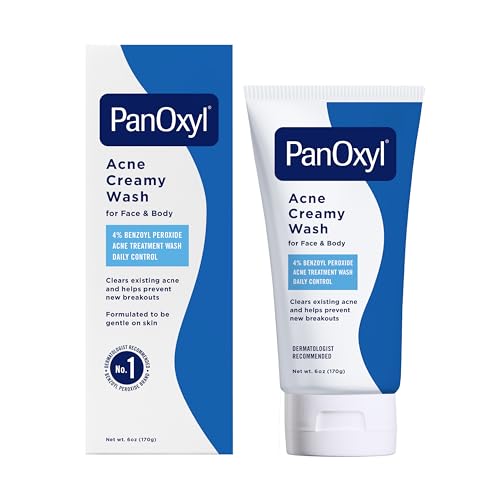
PanOxyl 4% Acne Creamy Wash - Best Daily Antibacterial Treatment
PanOxyl's 4% benzoyl peroxide creamy wash provides a gentler daily antibacterial treatment compared to leave-on benzoyl peroxide formulas, making it sustainable for long-term use without the severe dryness of higher concentrations. Leaving it on for one to two minutes before rinsing allows enough contact time for antibacterial action while reducing irritation. It is effective against the Cutibacterium acnes bacteria that contribute to cystic breakouts and can be used morning and evening as a cleansing step. The creamy formula maintains the skin's moisture barrier better than traditional foaming acne washes, which is important for keeping cystic acne skin from becoming reactive.
La Roche-Posay Effaclar Duo - Best Combined Active Treatment
Effaclar Duo combines 5.5% benzoyl peroxide with lipo-hydroxy acid (LHA) in a cream formulation designed specifically for acne-prone sensitive skin. The LHA acts as a mild chemical exfoliant that helps unclog pores while the benzoyl peroxide handles bacterial load. La Roche-Posay's dermatological focus means the base formula includes thermal spring water and niacinamide, which counteract some of the irritation benzoyl peroxide can cause. It is a strong option for people who have found single-active treatments insufficient and want a combination product without immediately moving to prescription options. Apply as a thin layer to affected areas once daily, building to twice daily if tolerated.

Mario Badescu Drying Cream - Best Overnight Spot Treatment for Cysts
Mario Badescu Drying Cream is formulated specifically for cystic and nodular acne spots. Its blend of calamine, sulfur, and zinc oxide provides anti-inflammatory and antibacterial action in a thick paste that adheres to the skin overnight. Sulfur is one of the oldest acne treatments and works by reducing sebum production and killing bacteria in a way that is distinct from benzoyl peroxide, making this a useful complement in a multi-product routine. Apply a small amount directly to the cystic nodule before bed and rinse clean in the morning. Many users report visible reduction in swelling within 24 to 48 hours of consistent nightly use during a flare.
Cetaphil Pro Oil Absorbing Moisturizer - Best Non-Comedogenic Moisturizer
Moisturizer is a non-negotiable part of any cystic acne routine, even for oily skin. Dry, stripped skin overproduces sebum as a compensatory response, worsening the conditions for cyst formation. Cetaphil Pro's SPF 30 oil-absorbing moisturizer provides adequate hydration in a matte, non-comedogenic formula that won't contribute to pore blockages. The SPF also protects healing skin and prevents post-acne hyperpigmentation from darkening under UV exposure. Using this alongside an active treatment like Differin creates a balanced routine that treats acne without sacrificing the skin barrier.
How to choose
What to consider
Retinoids are the most important active ingredient class for cystic acne prevention because they address the root cause of abnormal cell turnover. Benzoyl peroxide handles bacterial load. Sulfur and calamine provide targeted overnight spot treatment for active nodules. Avoid products with heavy oils, silicones high on the ingredient list, or added fragrance. For cystic acne covering large areas of the face, jaw, or back, a full-area retinoid routine is more effective than spot-only treatment. If OTC products have failed after three months of consistent use, consult a dermatologist about prescription options.
The bottom line
Differin is the best starting point for anyone building a cystic acne treatment routine. its OTC availability and clinical backing make it the most logical first step before exploring prescription options. Combine with PanOxyl for daily antibacterial support and Mario Badescu Drying Cream for overnight flare control. Persistent or severe cystic acne warrants a dermatologist consultation, as combination therapy with o
Common questions
Cystic acne forms deep within the dermis, well below the surface where most topical treatments penetrate. It involves inflammation of the sebaceous gland and a trapped infection that the body responds to with a significant immune reaction. This creates the painful, swollen nodules that can last weeks. Because the source is deep, surface treatments take longer to reach it and often need to be combined with prescription options for severe cases.
Over-the-counter creams can reduce inflammation, kill surface and shallow bacteria, and prevent new cysts from forming with consistent use. However, for moderate to severe cystic acne, OTC treatments are often insufficient as a standalone solution. Dermatologists typically combine topical treatments with oral medications or in-office procedures. OTC options are most effective as maintenance therapy or for mild cases.
Most topical treatments for cystic acne require six to twelve weeks of consistent daily use before meaningful improvement appears. Retinoids like adapalene typically show results at the eight-to-twelve-week mark. Benzoyl peroxide can reduce active inflammation within one to two weeks but does not address the root cause as effectively as retinoids. Patience and consistency matter more than product switching during the first three months.
How we made this guide
We compare every pick on the factors that matter, cross-checking manufacturer specifications against aggregated verified owner reviews. We rank independently and never take payment for placement. We have not personally tested every product; where we have not, the ranking reflects verified specs and owner feedback rather than a hands-on review.
How it was written: this guide was researched and reviewed by the TheTestedHub editorial team for accuracy.
Affiliate disclosure: TheTestedHub is reader-supported. When you buy through links on our site, we may earn a commission at no extra cost to you.
More guides

What Works Best for Eczema? 2026 Top Creams Reviewed
Dry Skin Care in 2026: Ceramide-Rich Picks for Barrier Repair

2026 Curl Setting Sprays Reviewed: Ouidad Climate Control Tops for Versatility

2026 Curl Defining Creams That Moisturize Without the Weight
Chemical Exfoliants 2026: Honest Reviews & Picks
8 Best Cancer Treatment Skin Care Products of 2026

2026 Brightening Skincare: Vitamin C Serums Compared