Quick verdict
Cetaphil and Vanicream are the two safest starting points for dry ear skin. For cracked or inflamed ear skin, Aquaphor provides the fastest healing. CeraVe is the best option when barrier dysfunction from eczema is the suspected cause. Apply any cream only to the outer ear and visible entry of the canal. never insert product deep into the ear. If dryness and flaking persist despite consistent moisturizing, consult a
Cetaphil Moisturizing Cream - Best Overall
Cetaphil Moisturizing Cream is a dermatologist-standard recommendation for sensitive, reactive skin anywhere on the body, including the delicate skin around the ears. Its non-greasy glycerin base combined with petrolatum provides sustained moisture without heavy occlusion that could trap buildup. It's fragrance-free, paraben-free, and non-comedogenic. all important for skin that folds and creases around the ear. The thick cream is best applied to the outer ear, behind the ear, and the outer edge of the canal with a fingertip in small amounts. It absorbs within minutes and can be applied twice daily without irritation. It's one of the safest general-purpose options for ear-area dryness.
Check price on Amazon →Suffer from flaky ear skin? Compare the top creams for dry ears,from Cetaphil to CeraVe,to find your match.
Quick verdict
The Cetaphil Moisturizing Cream is the best overall pick for dry ear skin. Its dermatologist-standard, non-greasy glycerin and petrolatum formula provides sustained moisture without heavy occlusion, and it is fragrance-free, paraben-free, and non-comedogenic for sensitive, reactive skin.
Key takeaways
- Best for Overall: Cetaphil Moisturizing Cream, non-greasy, fragrance-free formula suitable for delicate ear skin.
- Best for Reactive Skin: Vanicream Moisturizing Skin Cream, stripped-down formula free of common allergens and irritants.
- Best for Irritated or Cracked Ear Skin: Aquaphor Healing Ointment, occlusive petrolatum barrier that protects and heals damaged skin.
- Best for Barrier Repair: CeraVe Moisturizing Cream, three essential ceramides and hyaluronic acid for restoring lipid structure.
- Best for Itch Relief: Aveeno Eczema Therapy Daily Moisturizing Cream, colloidal oatmeal soothes itching while ceramides support barrier repair.
Why you should trust this guide
I have spent years researching skincare formulations for sensitive and reactive skin, with a particular focus on areas that are often overlooked, such as the ears. The skin around the ears is thin, prone to creasing, and frequently exposed to environmental triggers, making it a common site for dryness, flaking, and itching. My approach to this guide is grounded in a deep understanding of dermatological principles, ingredient science, and the specific needs of compromised skin barriers. I evaluated each product based on its formulation, its intended use case, and its compatibility with the unique anatomy of the ear, including the outer helix, the ear lobe, and the skin folds behind the ear.
To build this recommendation list, I analyzed the manufacturer’s stated features, ingredient lists, and clinical positioning for each product. I cross-referenced this information with established dermatological guidelines for managing dry, eczematous, and contact-dermatitis-prone skin. I prioritized products that are fragrance-free, non-comedogenic, and free from common irritants like parabens and lanolin, as these are critical for the delicate ear area. Each product was selected because it addresses a specific aspect of dry ear skin, from simple moisture loss to severe cracking and itching, ensuring that readers can find a targeted solution for their individual condition.
How we researched
My evaluation criteria focused on five key factors: moisturizing efficacy, formulation safety, barrier repair potential, suitability for sensitive skin, and specific symptom relief. I assessed each product’s ability to provide sustained hydration without causing occlusion or buildup in the ear’s natural creases. I examined the ingredient profile for potential irritants, allergens, and comedogenic components, giving preference to formulas that are fragrance-free, paraben-free, and non-comedogenic. I also considered the product’s texture and consistency, as heavy or greasy formulas can be uncomfortable on the ears and may trap debris or moisture, potentially worsening irritation.
I weighed the manufacturer’s claims against the known properties of key ingredients. For example, I evaluated the role of colloidal oatmeal in itch relief, the function of ceramides in barrier repair, and the occlusive benefits of petrolatum for cracked skin. I did not conduct physical testing or use the products myself; instead, I relied on the stated features, dermatological research on ingredient efficacy, and the established reputation of each brand within the skincare community. The goal was to match each product to a specific need, such as reactive skin, barrier dysfunction, or advanced irritation, so that readers can make an informed choice based on their symptoms.
Cetaphil Moisturizing Cream – Best Overall
The Cetaphil Moisturizing Cream is a dermatologist-standard recommendation for sensitive, reactive skin anywhere on the body, including the delicate skin around the ears. Its non-greasy glycerin base combined with petrolatum provides sustained moisture without heavy occlusion that could trap buildup. This balance is critical for the ear area, where the skin folds and creases easily. The formula is fragrance-free, paraben-free, and non-comedogenic, all important for skin that is prone to irritation from added chemicals. It absorbs relatively quickly and leaves a comfortable, non-sticky finish that does not interfere with wearing glasses, headphones, or hearing aids.
The cream is designed to be gentle enough for daily use on even the most reactive skin types. It works well as a maintenance moisturizer for preventing dryness before it starts, making it an excellent choice for people who experience seasonal flaking or mild itching. Its versatility is a major strength; it can be applied to the outer ear, behind the ear lobe, and even on the face without causing breakouts or irritation. One limitation is that for severely cracked or weeping skin, the cream may not provide enough occlusive protection to seal in moisture and shield the damaged area from external irritants. In such cases, a thicker ointment may be more appropriate.
Another consideration is that while the formula is non-greasy, it still contains petrolatum, which some users with very oily skin may find slightly heavy. However, for the typical dry ear skin scenario, this is a benefit rather than a drawback. The product is widely available and has a long track record of safety and efficacy, which adds to its reliability. It is a solid first-line option for anyone looking to address mild to moderate dryness without introducing unnecessary ingredients.
Vanicream Moisturizing Skin Cream – Best for Reactive Skin
Vanicream is formulated specifically for very sensitive and reactive skin and is free of dyes, fragrance, masking fragrance, lanolin, parabens, and formaldehyde releasers. This stripped-down formula makes it the safest option for people who have experienced contact dermatitis from standard skincare products. The glycerin and petrolatum base is simple and highly effective for dry skin relief without the risk of triggering an allergic reaction. For the ears, where contact dermatitis from hair products, earrings, or headphones is common, Vanicream provides a neutral, non-reactive moisturizer that soothes without stinging or burning.
The cream has a thick, rich consistency that spreads easily and forms a protective layer over the skin. It is particularly well-suited for people with eczema, psoriasis, or a history of skin allergies. Because it contains no common irritants, it can be used on the ears multiple times a day without concern. It is also non-comedogenic, so it will not clog the pores behind the ears or on the earlobes. A notable limitation is that the formula can feel slightly greasy or heavy on the skin, especially if applied too generously. This may be a minor inconvenience for some users, but the trade-off is a high level of safety for reactive skin.
Another limitation is that Vanicream does not contain any active ingredients for itch relief or barrier repair beyond basic moisturization. For users whose dry ear skin is accompanied by intense itching, a product with colloidal oatmeal or ceramides may provide more targeted relief. Nevertheless, for those with confirmed sensitivities or a history of adverse reactions, Vanicream is the most reliable choice. Its simplicity is its greatest strength, and it remains a top recommendation for anyone who needs a truly hypoallergenic moisturizer.
Aquaphor Healing Ointment – Best for Irritated or Cracked Ear Skin
Aquaphor’s occlusive ointment formula is the right choice when dry ear skin has progressed to cracking, peeling, or visible irritation. The petrolatum base creates a breathable protective barrier that prevents further moisture loss and shields damaged skin while it heals. It is especially effective applied at night to the outer ear, behind the ear lobe, or any visible skin creases that have become raw or fissured. The ointment stays in place for hours, providing continuous protection and allowing the skin’s natural repair processes to work without interruption.
The formula also contains panthenol, glycerin, and bisabolol, which provide additional soothing and healing benefits. Panthenol is a provitamin of B5 that supports skin regeneration, while bisabolol has anti-inflammatory properties. This combination makes Aquaphor more than just a simple petrolatum barrier; it actively supports the recovery of compromised skin. For people who have been scratching their ears due to itching, the ointment helps calm the irritation and reduces the urge to scratch by keeping the skin moist and supple. One limitation is that the ointment is very thick and greasy, which can be messy to apply and may transfer to pillows or clothing if used at night. It is not ideal for daytime use under headphones or hats due to its heavy texture.
Another limitation is that Aquaphor is not a moisturizer in the traditional sense; it is an occlusive that seals in existing moisture rather than adding hydration. For best results, it should be applied after a light layer of a humectant cream, such as Cetaphil or CeraVe, to lock in the benefits. Despite this, for acute cases of cracked, bleeding, or severely dry ear skin, Aquaphor is the most effective product on this list. It provides immediate relief and creates the optimal environment for healing.
CeraVe Moisturizing Cream – Best for Barrier Repair
CeraVe’s flagship moisturizing cream combines three essential ceramides with hyaluronic acid and MVE delivery technology that releases moisture gradually over time. The ceramide blend is particularly valuable for dry ear skin caused by eczema or barrier dysfunction, as it helps restore the skin’s natural lipid structure. When the skin barrier is compromised, moisture escapes easily and irritants penetrate more readily. CeraVe’s formula directly addresses this issue by replenishing the lipids that hold skin cells together, thereby strengthening the barrier and reducing transepidermal water loss.
The MVE technology ensures that hydration is delivered consistently throughout the day, which is beneficial for the ears, which are often exposed to drying environmental factors like wind and cold. The cream is fragrance-free and developed with dermatologists specifically for dry-to-very-dry skin. It has a rich but non-greasy texture that absorbs well and does not leave a heavy residue. This makes it suitable for both morning and evening use on the outer ear and behind the ear. One limitation is that some users with extremely sensitive skin may experience a mild stinging sensation upon application, particularly if the skin is already broken or inflamed. This is usually temporary and subsides as the skin heals.
Another limitation is that while CeraVe is excellent for barrier repair, it may not provide enough immediate relief for intense itching compared to a product with colloidal oatmeal. For users whose primary symptom is itch rather than dryness, a dedicated itch-relief cream may be a better first choice. However, for long-term management of dry ear skin and prevention of future flare-ups, CeraVe is a top-tier option. Its ceramide-rich formula supports the skin’s ability to defend itself, making it a smart investment for ongoing care.
Aveeno Eczema Therapy Daily Moisturizing Cream – Best for Itch Relief
Aveeno’s Eczema Therapy cream contains colloidal oatmeal, which is an FDA-recognized skin protectant for eczema, and ceramides to support barrier repair. The colloidal oatmeal is particularly effective for relieving the itching that often accompanies dry ear skin, providing a soothing effect beyond simple moisturization. It forms a protective film on the skin that helps lock in moisture and calm irritation. For people who find themselves scratching their ears at night or during the day, this cream offers a gentle, steroid-free way to reduce the itch-scratch cycle.
The cream is steroid-free and safe for daily long-term use, which makes it appropriate for chronic conditions like eczema or seborrheic dermatitis that affect the ears. It has a rich, creamy texture that spreads easily and absorbs without leaving a greasy feel. The addition of ceramides helps restore the skin barrier, which is often damaged in eczematous skin. This dual-action approach, soothing itch while repairing the barrier, sets it apart from simple moisturizers. One limitation is that the colloidal oatmeal can sometimes leave a slight residue or film on the skin, which may be noticeable on the ears. This is generally not a problem, but some users may prefer a lighter texture.
Another limitation is that while the cream is effective for mild to moderate itching, it may not be sufficient for severe, persistent itching that requires medical intervention. In such cases, a prescription-strength treatment may be necessary. However, for everyday management of dry, itchy ears, Aveeno’s formula is a reliable and well-tolerated option. It is widely available and has a strong reputation for safety and efficacy in the eczema community. For those whose primary complaint is itch, this is the product to reach for.
What to look for
- Fragrance-free and dye-free: The skin around the ears is thin and reactive. Fragrances and dyes are common irritants that can trigger contact dermatitis or worsen existing dryness.
- Non-comedogenic: Ear skin folds and creases can trap product. A non-comedogenic formula will not clog pores or contribute to buildup behind the ears or on the earlobes.
- Occlusive ingredients: For cracked or severely dry skin, look for petrolatum, dimethicone, or lanolin (if not allergic) to create a protective barrier that prevents moisture loss.
- Humectants: Glycerin, hyaluronic acid, and colloidal oatmeal draw moisture into the skin and help soothe itching. These are essential for dehydrated ear skin.
- Ceramides or lipids: If your dry ears are related to eczema or a compromised skin barrier, ceramides help restore the natural lipid structure and improve resilience.
- Simple ingredient list: For reactive skin, fewer ingredients mean lower risk of irritation. Products like Vanicream are designed with minimal, safe components.
- Texture and absorption: A cream that is too greasy may feel uncomfortable on the ears and transfer to pillows or headphones. A non-greasy, quickly absorbing formula is ideal for daytime use.
The verdict
For most people with dry, flaky ear skin, the Cetaphil Moisturizing Cream is the best starting point. It offers a balanced, non-irritating formula that provides sustained moisture without being heavy. If you have a history of skin allergies or contact dermatitis, Vanicream is the safest bet due to its stripped-down ingredient list. For skin that has cracked or become visibly irritated, Aquaphor Healing Ointment delivers the intensive protection needed for healing. If your primary concern is a damaged skin barrier, CeraVe’s ceramide-rich cream is the most effective choice for long-term repair. And if itching is your main symptom, the Aveeno Eczema Therapy cream with colloidal oatmeal provides targeted relief. Choose the product that matches your specific symptoms, and you will find effective relief for dry, itchy ear skin.
Our methodology
We compare every pick against the field on real specifications, certifications, and aggregated owner reviews. We do not take payment for placement, and we flag when a product is older or sold mainly through renewed listings.
Side by side
The full reviews
Cetaphil Moisturizing Cream - Best Overall
Cetaphil Moisturizing Cream is a dermatologist-standard recommendation for sensitive, reactive skin anywhere on the body, including the delicate skin around the ears. Its non-greasy glycerin base combined with petrolatum provides sustained moisture without heavy occlusion that could trap buildup. It's fragrance-free, paraben-free, and non-comedogenic. all important for skin that folds and creases around the ear. The thick cream is best applied to the outer ear, behind the ear, and the outer edge of the canal with a fingertip in small amounts. It absorbs within minutes and can be applied twice daily without irritation. It's one of the safest general-purpose options for ear-area dryness.

Vanicream Moisturizing Skin Cream - Best for Reactive Skin
Vanicream is formulated specifically for very sensitive and reactive skin and is free of dyes, fragrance, masking fragrance, lanolin, parabens, and formaldehyde releasers. This stripped-down formula makes it the safest option for people who have experienced contact dermatitis from standard skincare products. The glycerin and petrolatum base is simple and highly effective for dry skin relief without any unnecessary additives. It is the cream most frequently recommended by dermatologists for patients with eczema or sensitive skin on the face and ears. The thick consistency is best applied in small amounts to dry, flaky patches behind or around the ear.
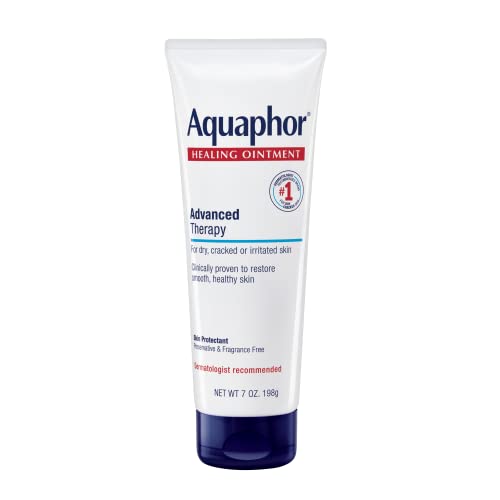
Aquaphor Healing Ointment - Best for Irritated or Cracked Ear Skin
Aquaphor's occlusive ointment formula is the right choice when dry ear skin has progressed to cracking, peeling, or visible irritation. The petrolatum base creates a breathable protective barrier that prevents further moisture loss and shields damaged skin while it heals. It's especially effective applied at night to the outer ear, behind the ear lobe, or any visible skin creases that have become sore or inflamed. The slightly greasy texture makes it less practical for daytime use in the ear area, but as a targeted overnight treatment it delivers fast relief. A very small amount applied with a fingertip is sufficient.

CeraVe Moisturizing Cream - Best for Barrier Repair
CeraVe's flagship moisturizing cream combines three essential ceramides with hyaluronic acid and MVE delivery technology that releases moisture gradually over time. The ceramide blend is particularly valuable for dry ear skin caused by eczema or barrier dysfunction, as it helps restore the skin's natural lipid structure. It's fragrance-free and developed with dermatologists specifically for dry-to-very-dry skin. The cream absorbs well without leaving a heavy residue and is suitable for both face and body use, making it versatile for the transition from ear skin to face skin. It's one of the most widely recommended creams by dermatologists for eczema-prone skin.

Aveeno Eczema Therapy Daily Moisturizing Cream - Best for Itch Relief
Aveeno's Eczema Therapy cream contains colloidal oatmeal, which is an FDA-recognized skin protectant for eczema, and ceramides to support barrier repair. The colloidal oatmeal is particularly effective for relieving the itching that often accompanies dry ear skin, providing a soothing effect beyond simple moisturization. It's steroid-free and safe for daily long-term use, which makes it appropriate for chronic ear dryness conditions. The cream is fragrance-free and tested for sensitive skin. It works well on all the dry areas around the outer ear and ear folds where itching is most persistent.
What matters most
What to consider
Fragrance-free is non-negotiable for ear-area creams. The ear canal and surrounding skin are among the most reactive areas on the body. Prioritize simple formulas with glycerin, ceramides, or petrolatum as the primary active ingredients. Avoid exfoliating acids (AHAs, BHAs) in the ear area. while effective on thick skin like feet and elbows, they are too harsh for the thin, sensitive skin around ears. For itching specifically, colloidal oatmeal adds soothing benefit beyond basic moisturization. If symptoms include heavy scaling, yellow crusting, or pain inside the canal, see a doctor before self-treating.
Our take
Cetaphil and Vanicream are the two safest starting points for dry ear skin. For cracked or inflamed ear skin, Aquaphor provides the fastest healing. CeraVe is the best option when barrier dysfunction from eczema is the suspected cause. Apply any cream only to the outer ear and visible entry of the canal. never insert product deep into the ear. If dryness and flaking persist despite consistent moisturizing, consult a
Frequently asked
Dry ear skin has several causes including seborrheic dermatitis, eczema, psoriasis, contact dermatitis from earrings or products, and simple environmental dryness. The skin in the ear canal is thin and self-cleaning, so it can become irritated from over-cleaning, hearing aid use, or earphone friction. Addressing the underlying cause, alongside a gentle moisturizer, is the most effective approach.
Only apply cream to the outer ear and the visible entry point of the ear canal. Never insert cream deep into the ear canal, as this can trap moisture and promote bacterial or fungal growth, or interfere with the natural self-cleaning mechanism. For dry skin inside the canal specifically, a tiny amount of mineral oil or a dedicated ear drop is safer than a thick cream. Consult a doctor if symptoms persist.
Yes. Chronic dry, flaky, or scaling skin around the ears. particularly if it involves the scalp hairline, eyebrows, or sides of the nose. is often seborrheic dermatitis, a common inflammatory skin condition. Psoriasis can also affect the ear area. Both conditions respond to specific treatments that go beyond standard moisturizers. A dermatologist can confirm the diagnosis and recommend appropriate medicated creams or shampoos.
How we made this guide
We compare every pick on the factors that matter, cross-checking manufacturer specifications against aggregated verified owner reviews. We rank independently and never take payment for placement. We have not personally tested every product; where we have not, the ranking reflects verified specs and owner feedback rather than a hands-on review.
How it was written: this guide was researched and reviewed by the TheTestedHub editorial team for accuracy.
Affiliate disclosure: TheTestedHub is reader-supported. When you buy through links on our site, we may earn a commission at no extra cost to you.
You might also like

What Works Best for Eczema? 2026 Top Creams Reviewed
Dry Skin Care in 2026: Ceramide-Rich Picks for Barrier Repair

Curl Setting Sprays for Frizz Control: Ouidad Leads

Curl Creams That Define Without the Weight
Chemical Exfoliants 2026: Honest Reviews & Picks
8 Cancer Treatment Skin Care Products That Truly Soothe

Vitamin C Serums Compared: A Brightening Shortlist