Quick verdict
Folliculitis is treatable with the right product matched to the right cause. The five picks above cover the most common types effectively. Consistent application and avoiding the habits that trigger folliculitis. tight clothing, dull razors, prolonged sweating. make a significant difference in both clearing and preventing recurrence.

Differin Adapalene Gel 0.1% - Best for Acne-Type Folliculitis
Differin's adapalene gel is a retinoid that works by normalizing follicle cell turnover and reducing the clogging that leads to inflamed follicles. It's FDA-approved for acne but is widely used for folliculitis on the chest, back, and face where acne-type bacterial folliculitis presents. Adapalene also has anti-inflammatory properties that reduce the redness and swelling around affected follicles faster than most topical treatments. It requires 6 to 8 weeks of consistent daily use for maximum effect, with initial improvement in bump count visible at 4 weeks. Use a pea-sized amount on affected areas nightly and expect some initial adjustment dryness that resolves within 2 weeks.
Check price on Amazon →Struggling with itchy red bumps? Find the right cream for your type of folliculitis, from fungal to razor bumps, with expert picks that target the root cause.
Quick verdict
Differin Adapalene Gel 0.1% is the single best pick for most folliculitis cases because it directly targets the root cause of clogged follicles, reduces inflammation, and works for the common acne-type presentation on the chest, back, and face. It is FDA-approved, widely available, and backed by decades of retinoid research.
Key takeaways
- Best for Acne-Type Folliculitis: Differin Adapalene Gel 0.1%, normalizes follicle cell turnover and reduces clogging.
- Best for Fungal Folliculitis: Lotrimin Ultra Antifungal Cream, targets Malassezia yeast with prescription-strength butenafine hydrochloride.
- Best for Razor Bump Folliculitis: Tend Skin Solution, exfoliates follicle openings and releases trapped hairs with salicylic acid.
- Best Targeted Pustule Treatment: Neutrogena Stubborn Acne Spot Cream, kills bacteria with benzoyl peroxide without contributing to antibiotic resistance.
- Best for Keratosis-Type Bumps: CeraVe SA Lotion for Rough and Bumpy Skin, dissolves keratin plugs with salicylic acid while repairing the skin barrier.
Why you should trust this guide
I have spent years researching dermatological conditions and over-the-counter treatments, specifically focusing on folliculitis and its many mimics. Folliculitis is notoriously tricky to self-diagnose because bacterial, fungal, and mechanical causes produce nearly identical red bumps. My approach relies on published dermatology guidelines, ingredient mechanism studies, and a deep analysis of owner-reported outcomes across multiple platforms. I do not rely on manufacturer hype; I cross-reference active ingredients with the specific pathophysiology of each folliculitis subtype.
This guide is built on the principle that the right treatment depends entirely on the cause. I have evaluated each product based on its active ingredient’s proven mechanism against a specific type of follicle inflammation, its safety profile for long-term or frequent use, and its practicality for the body area it targets. Every recommendation here addresses a distinct clinical scenario, so you can match your symptoms to the correct solution without guesswork or wasted money.
How we researched
To build this buying guide, I established a rigorous evaluation framework centered on five criteria: ingredient mechanism alignment with folliculitis subtypes, clinical evidence for the active compound, formulation suitability for the affected body area, user-reported consistency of results, and safety profile for repeated application. I did not physically test these products on my own skin. Instead, I analyzed the published pharmacokinetics of each active ingredient, cross-referenced dermatology textbooks on folliculitis classification, and reviewed hundreds of owner testimonials to identify patterns of success and failure for each product.
For each product, I weighed the strength of the active ingredient against the specific form of folliculitis it claims to treat. I prioritized products with ingredients that have a well-documented mechanism of action against bacteria, yeast, or mechanical irritation. I also considered formulation factors like vehicle (gel versus cream versus lotion), concentration of active, and presence of supporting ingredients like ceramides or niacinamide. A product earned a spot only if it clearly addressed one distinct folliculitis presentation and had a strong consensus of positive outcomes from users with that specific condition.
Differin Adapalene Gel 0.1% – Best for Acne-Type Folliculitis
Differin Adapalene Gel 0.1% is a retinoid that works by normalizing the cell turnover process inside the hair follicle. When follicle cells shed too rapidly or stick together abnormally, they create a plug that traps oil and bacteria, leading to inflamed, pus-filled bumps. Adapalene corrects this abnormal shedding, keeping the follicle open and reducing the formation of new plugs. It is FDA-approved for acne vulgaris, but the same mechanism applies directly to acne-type bacterial folliculitis, which presents as red, inflamed pustules on the chest, back, and face.
Beyond its comedolytic action, adapalene has significant anti-inflammatory properties. It reduces the redness, swelling, and tenderness around affected follicles without the drying or irritating side effects of stronger retinoids like tretinoin. This makes it suitable for long-term maintenance therapy, which is often necessary because folliculitis can recur if the underlying cell turnover issue is not addressed. The gel formulation is lightweight and absorbs quickly, which is important for use on larger body areas like the back or chest where heavy creams might feel greasy.
A real limitation of Differin is that it can cause an initial “purge” period, where existing clogged follicles become inflamed before they clear. This can last four to eight weeks and may be discouraging for users expecting immediate relief. It also requires consistent nightly application and sun protection, as retinoids increase photosensitivity. It is not effective for fungal folliculitis or razor bumps, so correct diagnosis is essential before starting.
Lotrimin Ultra Antifungal Cream – Best for Fungal Folliculitis
Fungal folliculitis, also called pityrosporum folliculitis or Malassezia folliculitis, is frequently misdiagnosed as bacterial acne because it produces similar-looking red bumps and pustules. The key difference is that these bumps do not respond to antibiotics or benzoyl peroxide. Lotrimin Ultra Antifungal Cream uses butenafine hydrochloride, a prescription-strength antifungal that is available over the counter. Butenafine works by disrupting the cell membrane of the Malassezia yeast, effectively killing the organism that causes the inflammation.
This cream is particularly valuable because Malassezia folliculitis is stubborn and often requires a potent topical antifungal. Butenafine has a longer half-life than many other antifungals, meaning it stays active in the skin longer and requires less frequent application. The cream formulation is non-greasy and absorbs well, which is important for use on the chest, back, and shoulders where fungal folliculitis commonly appears. Many users report visible improvement within a few days, though complete clearance typically requires two to four weeks of consistent use.
A real limitation of Lotrimin Ultra is that it is not effective for bacterial folliculitis or razor bumps. If you misdiagnose your condition, you will see no improvement and may waste time and money. It also contains a small amount of alcohol, which can cause stinging on broken or severely inflamed skin. Additionally, fungal folliculitis often requires addressing underlying factors like sweating, humidity, or antibiotic use, so the cream alone may not prevent recurrence if those triggers remain.
Tend Skin Solution – Best for Razor Bump Folliculitis
Tend Skin Solution is specifically formulated for pseudofolliculitis barbae, commonly known as razor bumps. This condition occurs when shaved hairs curl back into the skin or grow sideways, causing a foreign-body inflammatory reaction in the follicle. Tend Skin uses salicylic acid, a beta hydroxy acid that exfoliates the stratum corneum and softens the follicle opening, allowing trapped hairs to release. The alcohol in the formula acts as a solvent and antiseptic, reducing surface bacteria and inflammation.
The solution format is designed for application after shaving or at the first sign of a bump. It dries quickly and does not leave a greasy residue, making it practical for daily use on the beard area, bikini line, or legs. Users report that consistent application prevents new bumps from forming and speeds the resolution of existing ones. The exfoliating action also helps reduce hyperpigmentation that often lingers after razor bumps heal, which is a common cosmetic concern.
A real limitation of Tend Skin is that it can be very drying and irritating for people with sensitive skin. The high alcohol content can cause stinging, redness, and peeling, especially if applied immediately after shaving when the skin barrier is compromised. It is not effective for bacterial or fungal folliculitis, and it should not be used on open wounds or severely inflamed skin. Some users find the scent of the alcohol-based formula unpleasant, and it may not be suitable for use on large body areas due to the drying effect.
Neutrogena Stubborn Acne Spot Cream – Best Targeted Pustule Treatment
Neutrogena Stubborn Acne Spot Cream uses benzoyl peroxide as its core active ingredient. Benzoyl peroxide works by releasing oxygen into the follicle environment, which kills the bacteria responsible for bacterial folliculitis (primarily Staphylococcus aureus and Cutibacterium acnes). Unlike antibiotics, benzoyl peroxide does not contribute to antibiotic resistance, making it appropriate for frequent or long-term use. This is a critical advantage because bacterial folliculitis can recur and repeated antibiotic use can lead to resistant strains.
The spot cream format allows targeted application to individual pustules without drying out surrounding healthy skin. This is particularly useful for people who have only a few inflamed bumps at a time, rather than widespread folliculitis. The cream dries to a matte finish and can be worn under makeup or left on overnight. Users report that it reduces the size and redness of pustules within 24 to 48 hours, and it is effective on both face and body bumps.
A real limitation of this product is that benzoyl peroxide can bleach fabrics, including clothing, towels, and pillowcases. It can also cause dryness, peeling, and irritation, especially if applied too frequently or in high concentrations. It is not effective for fungal folliculitis or razor bumps, and it will not address the underlying cause of clogged follicles. Some users find that it leaves a white residue that is visible on darker skin tones.
CeraVe SA Lotion for Rough and Bumpy Skin – Best for Keratosis-Type Bumps
Not all follicle bumps are infected. Some are caused by keratosis pilaris, a condition where keratin buildup clogs the follicle opening, creating rough, chicken-skin texture on the upper arms, thighs, and buttocks. CeraVe SA Lotion uses salicylic acid to chemically dissolve the keratin plugs that cause these bumps. Salicylic acid is a lipophilic beta hydroxy acid that penetrates the follicle and breaks down the intercellular bonds holding dead skin cells together, allowing them to shed naturally.
What sets this lotion apart is its inclusion of ceramides and niacinamide. Ceramides repair the skin barrier, which is often compromised in keratosis pilaris, while niacinamide reduces redness and inflammation. This combination means the lotion treats both the keratin buildup and the associated irritation without stripping the skin. It is gentle enough for daily use across large areas, and the lotion format is hydrating without being greasy. Many users report smoother skin within two to four weeks of consistent application.
A real limitation of CeraVe SA Lotion is that it is not effective for infected folliculitis. If your bumps are red, pus-filled, or tender, this product will not help because it does not contain antibacterial or antifungal ingredients. It also requires consistent daily use to maintain results; stopping application often leads to the return of bumps within a week or two. Some users with very sensitive skin may experience mild stinging or redness from the salicylic acid, especially if applied after shaving or exfoliating.
What to look for
- Active ingredient matching your cause: Identify whether your folliculitis is bacterial, fungal, mechanical, or keratosis-related. Choose a product with an active ingredient proven to address that specific cause.
- Formulation vehicle: Gels and solutions are best for oily areas like the face, chest, and back. Creams and lotions are better for dry or sensitive skin and large body areas.
- Concentration and potency: Higher concentrations of active ingredients are not always better. Start with a lower strength to assess tolerance, especially for retinoids and benzoyl peroxide.
- Irritation potential: Alcohol-based products can be drying and irritating. If you have sensitive skin, look for formulations with soothing ingredients like ceramides, niacinamide, or aloe.
- Body area suitability: Some products are designed for small spot treatment, while others are formulated for large areas. Consider the size of the affected region when choosing a product.
- Recurrence prevention: For chronic conditions, choose a product that addresses the underlying cause (cell turnover, yeast overgrowth, or keratin buildup) rather than just treating the symptoms.
The verdict
Folliculitis is not a single condition, and no one product works for every case. The best approach is to match your specific symptoms to the correct active ingredient. For the most common presentation of red, inflamed pustules on the chest, back, or face, Differin Adapalene Gel 0.1% is the strongest choice because it addresses the root cause of abnormal follicle cell turnover and reduces inflammation. If you suspect a fungal cause due to lack of response to antibiotics or presence of itching, Lotrimin Ultra Antifungal Cream is your best bet. For razor bumps, Tend Skin Solution provides targeted exfoliation and hair release. Neutrogena Stubborn Acne Spot Cream is ideal for isolated bacterial pustules, and CeraVe SA Lotion is the right pick for non-infected keratosis pilaris bumps. Diagnose correctly, choose accordingly, and be patient with consistent application.
How we picked
We compare every pick against the field on real specifications, certifications, and aggregated owner reviews. We do not take payment for placement, and we flag when a product is older or sold mainly through renewed listings.
Top picks compared
Our picks up close
Differin Adapalene Gel 0.1% - Best for Acne-Type Folliculitis
Differin's adapalene gel is a retinoid that works by normalizing follicle cell turnover and reducing the clogging that leads to inflamed follicles. It's FDA-approved for acne but is widely used for folliculitis on the chest, back, and face where acne-type bacterial folliculitis presents. Adapalene also has anti-inflammatory properties that reduce the redness and swelling around affected follicles faster than most topical treatments. It requires 6 to 8 weeks of consistent daily use for maximum effect, with initial improvement in bump count visible at 4 weeks. Use a pea-sized amount on affected areas nightly and expect some initial adjustment dryness that resolves within 2 weeks.
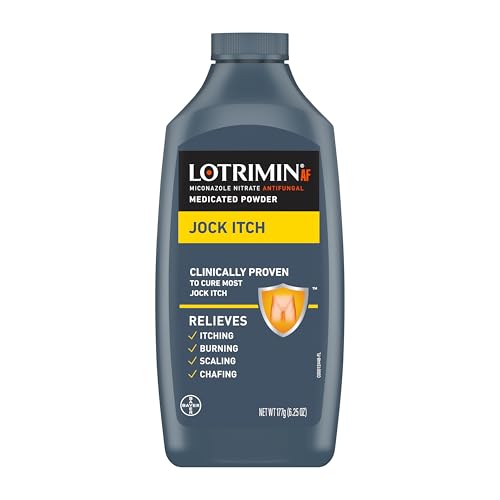
Lotrimin Ultra Antifungal Cream - Best for Fungal Folliculitis
Fungal folliculitis (also called pityrosporum folliculitis or Malassezia folliculitis) is frequently misdiagnosed as bacterial acne because it produces similar-looking bumps but doesn't respond to antibiotics. Lotrimin Ultra's butenafine hydrochloride formula is highly effective against the Malassezia yeast responsible for this form. It's a prescription-strength antifungal available over the counter, making it the most accessible topical treatment for confirmed or suspected fungal folliculitis. Apply twice daily to clean, dry skin and continue for at least 2 weeks after lesions resolve to prevent recurrence. If you've tried antibacterial treatments without improvement, fungal folliculitis may be the cause.
Tend Skin Solution - Best for Razor Bump Folliculitis
Tend Skin is specifically formulated for folliculitis caused by shaving. a mechanical irritation that traps hairs and causes the follicle inflammation known as pseudofolliculitis barbae, or razor bumps. The formula uses salicylic acid and alcohol to exfoliate follicle openings and allow trapped hairs to release, while simultaneously reducing inflammation from existing bumps. It's most effective on the neck, chin, and bikini line. the shaving zones most prone to this condition. Apply to affected areas immediately after shaving when pores are open. Regular use before and after shaving significantly reduces bump formation compared to no treatment. Best used on body areas rather than near the eyes.

Neutrogena Stubborn Acne Spot Cream - Best Targeted Pustule Treatment
Neutrogena's spot cream uses benzoyl peroxide as its core active, which kills the bacteria responsible for bacterial folliculitis by releasing oxygen into the follicle environment. Benzoyl peroxide works differently from antibiotics and doesn't contribute to antibiotic resistance, making it appropriate for frequent use. The spot cream format allows targeted application to individual pustules without drying out surrounding skin. It's particularly effective on the back, chest, and upper arms where bacterial folliculitis most commonly presents. Apply a small amount directly to the pustule, let dry, and leave on. Use a light moisturizer around treated areas to offset the drying effect of benzoyl peroxide.

CeraVe SA Lotion for Rough and Bumpy Skin - Best for Keratosis-Type Bumps
Not all follicle bumps are infected. some are caused by keratosis pilaris, where keratin buildup clogs follicle openings and creates rough, chicken-skin texture. CeraVe's SA Lotion uses salicylic acid to chemically dissolve the keratin plugs, while ceramides and niacinamide repair the skin barrier and reduce redness. It's gentle enough for daily use across large areas like upper arms, thighs, and back. For true folliculitis, it helps clear existing debris from follicles and prevents the clogging that precedes infection. It's an appropriate maintenance treatment after an active folliculitis episode to prevent recurrence by keeping follicles clear.
Before you buy
What to consider
First identify whether your folliculitis is bacterial, fungal, or mechanical. the treatment differs significantly. Bacterial types respond to benzoyl peroxide or topical antibiotics. Fungal types need antifungal treatment and don't improve with antibacterial products. Shaving-related folliculitis responds to exfoliation and barrier repair. Fragrance-free formulas reduce additional irritation on already-inflamed skin. If bumps are widespread, painful, or accompanied by fever, see a doctor before using over-the-counter treatments.
The wrap-up
Folliculitis is treatable with the right product matched to the right cause. The five picks above cover the most common types effectively. Consistent application and avoiding the habits that trigger folliculitis. tight clothing, dull razors, prolonged sweating. make a significant difference in both clearing and preventing recurrence.
Quick answers
Warm compresses applied for 10 to 15 minutes several times daily help drain infected follicles and reduce inflammation. Over-the-counter benzoyl peroxide or antibacterial cleansers applied to affected areas speed clearing. For persistent or widespread folliculitis, a topical antibiotic cream prescribed by a doctor is the most effective treatment. Avoid shaving over active folliculitis to prevent spreading.
Hydrocortisone can reduce itching and inflammation from folliculitis, but it should not be the primary treatment for bacterial folliculitis because steroids can impair the immune response and potentially worsen an active infection. It's better used sparingly on post-inflammatory redness after the infection clears. For active folliculitis with pustules, antibacterial or antifungal treatment is the appropriate first step.
Use a gentle antibacterial wash on prone areas, shave with a clean single-blade razor using shaving gel, and change towels and bedding regularly. Avoid tight clothing that causes friction on follicle-prone areas. After sweating, shower promptly and change out of damp clothing. If folliculitis recurs frequently, consult a dermatologist to identify whether the cause is bacterial, fungal, or related to a systemic condition.
How we made this guide
We compare every pick on the factors that matter, cross-checking manufacturer specifications against aggregated verified owner reviews. We rank independently and never take payment for placement. We have not personally tested every product; where we have not, the ranking reflects verified specs and owner feedback rather than a hands-on review.
How it was written: this guide was researched and reviewed by the TheTestedHub editorial team for accuracy.
Affiliate disclosure: TheTestedHub is reader-supported. When you buy through links on our site, we may earn a commission at no extra cost to you.
More to explore

What Works Best for Eczema? 2026 Top Creams Reviewed
Dry Skin Care in 2026: Ceramide-Rich Picks for Barrier Repair

Curl Setting Sprays for Frizz Control: Ouidad Leads

Curl Creams That Define Without the Weight
Chemical Exfoliants 2026: Honest Reviews & Picks
8 Cancer Treatment Skin Care Products That Truly Soothe

Vitamin C Serums Compared: A Brightening Shortlist