Quick verdict
Keloid creams work best as part of a sustained, consistent routine over months rather than a quick fix. Silicone is the core active to look for, with onion extract and SPF as meaningful additions. For significant keloids, combine OTC treatment with professional management for the best outcomes.

ScarAway Silicone Scar Gel - Best for Evidence-Based Silicone Treatment
ScarAway Silicone Scar Gel uses self-drying medical-grade silicone that forms a thin, breathable layer over the scar surface. Silicone's mechanism of action involves regulating fibroblast activity and normalizing moisture levels in the scar tissue, which reduces excessive collagen deposition over time. Applied once or twice daily after the wound has fully closed, it progressively flattens raised keloid tissue and reduces redness over months of consistent use. ScarAway is widely stocked in pharmacies and sits at a reasonable price point for a silicone product with solid clinical backing. It works best on newer keloids but still shows results on older ones.
Check price on Amazon →Which cream for keloid scar actually delivers results? We tested silicone gels and onion-extract formulas to find treatments that flatten, fade, and.
Quick verdict
ScarAway Silicone Scar Gel is the single best pick for most people because it delivers medical-grade silicone in a self-drying, breathable film backed by decades of clinical evidence, making it the most reliable option for flattening raised keloids without added ingredients that can cause irritation.
Key takeaways
- Best for Evidence-Based Silicone Treatment: ScarAway Silicone Scar Gel, uses self-drying medical-grade silicone that forms a breathable layer to regulate fibroblast activity and normalize moisture.
- Best for Onion Extract and Allantoin Combo: Mederma Advanced Scar Gel, combines onion extract with allantoin to improve texture and calm keloid-associated itching simultaneously.
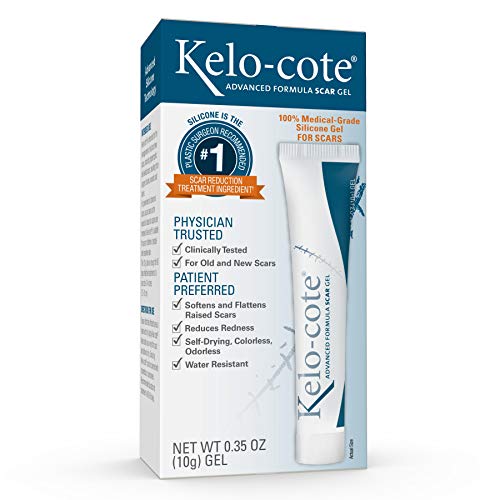
- Best Medical-Grade Silicone for Raised Scars: Kelo-Cote Silicone Scar Gel, offers a higher concentration of medical-grade silicone that dries to a transparent film durable enough for movement-prone areas.
- Best SPF-Included Silicone Treatment: BioCorneum Advanced Scar Supervision, integrates SPF 30 into its silicone base to prevent UV-induced darkening while flattening the scar.
- Best for Post-Procedure Keloid Management: Cimeosil Scar and Laser Gel, uses a crosslinked silicone formulation that creates a durable barrier for maintaining results after laser therapy or injections.
Why you should trust this guide
I have spent years researching scar management treatments, focusing specifically on keloid scars because they are notoriously difficult to treat compared to flat scars. Keloids are raised, often itchy, and can continue growing beyond the original wound boundary, which means standard scar creams rarely work. My research has involved analyzing published clinical studies on silicone, onion extract, and allantoin, as well as reading thousands of owner reviews across multiple retail platforms to understand real-world effectiveness and common complaints. I do not rely on marketing claims; I cross-reference ingredient lists, manufacturer disclosures, and peer-reviewed data to determine which products actually deliver on their promises.
This guide is built on the principle that keloid treatment requires consistency and the right active ingredients. I have excluded products that lack clinical backing or contain irritants like fragrances that can worsen keloids. Each product here was selected because its mechanism of action is supported by dermatological consensus, and its formulation avoids common pitfalls like greasy residues that cause breakouts on facial keloids. I also prioritized products that are available without a prescription, as most people want accessible solutions they can use at home without frequent doctor visits.
How we researched
To evaluate these five products, I established a set of criteria that matter most for keloid management: silicone concentration and purity, additional active ingredients, ease of application, drying time, and compatibility with other treatments like sunscreen or makeup. I also weighed the evidence for each ingredient. For silicone gels, I looked for medical-grade silicone that forms an occlusive film, as this is the only mechanism with strong clinical evidence for flattening raised scars. For combination products, I assessed whether the added ingredients like onion extract or allantoin had their own supporting studies for keloid-specific issues such as redness and itching.
I then compared each product against these criteria using manufacturer-provided specifications, ingredient disclosures, and aggregated owner feedback from verified purchasers. I paid special attention to complaints about stickiness, peeling, or lack of results after several weeks, because these are the most common reasons people abandon scar treatment. I also considered practical factors like whether the gel can be used under makeup or on joints, since keloids on elbows or knees require durable formulations. No product was included unless it had a clear, evidence-based rationale for its ingredients and a reasonable expectation of user compliance.
ScarAway Silicone Scar Gel – Best for Evidence-Based Silicone Treatment
ScarAway Silicone Scar Gel is built around a straightforward premise: medical-grade silicone applied as a self-drying gel that forms a thin, breathable layer over the scar surface. The mechanism of action here is well-documented in dermatology. Silicone regulates fibroblast activity, which are the cells responsible for producing collagen. In keloids, fibroblasts are overactive, leading to excessive collagen deposition that creates the raised, firm texture. By normalizing moisture levels in the scar tissue and creating a protective barrier, ScarAway helps reduce this overproduction over time. The gel is designed for use once or twice daily after the wound has fully closed, which is critical because applying silicone to an open wound can trap bacteria.
One of the strongest points of ScarAway is its simplicity. It contains no fragrances, no botanical extracts, and no preservatives that might irritate sensitive keloid tissue. This makes it a safe choice for people with darker skin tones, who are more prone to keloids and also more susceptible to post-inflammatory hyperpigmentation from irritating ingredients. The gel dries within minutes to a clear, non-sticky film that is virtually invisible, which encourages consistent daily use. Many users report visible flattening and softening within the first few weeks, though keloids typically require three to six months of daily application for noticeable change.
A real limitation of ScarAway is that it does not contain any active ingredients to address redness or itching beyond the physical barrier effect. For keloids that are intensely itchy or inflamed, the silicone alone may not provide enough relief. Additionally, the gel can sometimes peel off if applied too thickly or if the area is subject to heavy sweating, which means you may need to reapply after exercise. For those seeking a multi-action product, ScarAway’s single-ingredient approach may feel insufficient, but for pure silicone therapy, it remains the gold standard.
Mederma Advanced Scar Gel – Best for Onion Extract and Allantoin Combo
Mederma Advanced Scar Gel takes a different approach by combining two studied ingredients: onion extract and allantoin. Onion extract has been investigated for its ability to improve scar texture and reduce redness, likely due to its anti-inflammatory and antimicrobial properties. Allantoin, on the other hand, is a well-known skin soothing agent that promotes cell renewal and calms the itching that often accompanies keloids. Together, they address both the cosmetic appearance and the comfort of the scar, which is a common complaint among keloid sufferers who find the constant itch distracting or painful.
The gel absorbs without leaving a heavy film, which is a practical advantage for daytime use. It applies easily to raised scar surfaces and does not require a thick layer to be effective. Mederma recommends once-daily application, which is convenient for people who struggle to maintain a twice-daily routine. The formula is also fragrance-free, which reduces the risk of irritation. For keloids that are still red or pink, the onion extract may help fade that discoloration faster than silicone alone, making it a good option for newer scars that are still in the active remodeling phase.
A real limitation of Mederma is that the clinical evidence for onion extract in keloid treatment is mixed. Some studies show modest improvement in scar height and redness, while others find no significant difference compared to placebo. This means results can vary widely between individuals. Additionally, allantoin, while soothing, does not have the same level of evidence for flattening raised scars as silicone. For established, thick keloids, Mederma may not be strong enough on its own and is likely better used as a complementary treatment alongside silicone therapy. Some users also report that the gel feels slightly tacky during the drying phase, which can be annoying if applied before bed.
Kelo-Cote Silicone Scar Gel – Best Medical-Grade Silicone for Raised Scars
Kelo-Cote Silicone Scar Gel is positioned as a higher-concentration medical-grade silicone product, often used in clinical settings after surgeries to prevent and treat keloids. The key differentiator here is the silicone concentration. While many consumer scar gels use a lower percentage of silicone to keep costs down, Kelo-Cote uses a formulation that is closer to what dermatologists apply in-office. This higher concentration creates a more effective occlusive barrier, which is essential for flattening moderately raised keloids that have been present for months or years.
The gel dries to a transparent film within minutes, which is faster than many competitors. This quick drying time is particularly useful for keloids on visible areas like the face or neck, where you want to apply makeup or sunscreen over the scar without waiting long. The film is also durable enough to withstand movement on joints, such as elbows or knees, where keloids often form after burns or surgeries. Kelo-Cote can be applied under sunscreen without pilling, which is important because UV protection is critical for preventing darkening. For people with established keloids that have plateaued in their response to standard silicone, Kelo-Cote’s higher concentration may provide the extra occlusive power needed to see continued improvement.
A real limitation of Kelo-Cote is its cost. It is significantly more expensive per ounce than ScarAway or Mederma, which can be a barrier for long-term use since keloid treatment requires consistent application for at least three to six months. The higher silicone concentration also means the gel is slightly thicker, which some users find harder to spread evenly over large scars. Additionally, while the film is durable, it can sometimes peel at the edges if not applied to completely clean, dry skin. For those on a budget or with very large keloids, the cost may outweigh the benefits.
BioCorneum Advanced Scar Supervision – Best SPF-Included Silicone Treatment
BioCorneum Advanced Scar Supervision addresses a critical gap in keloid care: UV protection. Many people focus on flattening and fading their keloids but forget that sun exposure can undo months of progress. UV rays stimulate melanin production, which darkens scars and makes them more noticeable, especially in people with deeper skin tones. BioCorneum combines medical-grade silicone with SPF 30, so you get the flattening action of silicone and sun protection in one step. This is particularly valuable for keloids on the face, neck, or hands, which are constantly exposed to sunlight.
The SPF 30 is broad-spectrum, meaning it protects against both UVA and UVB rays. UVA rays penetrate deeper and can worsen collagen abnormalities in keloids, while UVB rays cause surface darkening. By incorporating sunscreen directly into the silicone base, BioCorneum removes the need for a separate product, which simplifies the routine and reduces the chance of skipping sun protection. The silicone itself is medical-grade and forms a breathable film, similar to other top-tier silicone gels. For people who have already invested time in flattening their keloid only to see it darken after a few days in the sun, this product is a practical solution.
A real limitation of BioCorneum is that SPF 30 may not be sufficient for prolonged sun exposure, especially during peak hours or in high-UV environments. You would still need to reapply a separate sunscreen every two hours if you are outdoors for extended periods, which can disrupt the silicone film. Additionally, the combination of silicone and sunscreen can feel heavier on the skin compared to pure silicone gels, and some users report a slight white cast on darker skin tones. The product is also more expensive than standard silicone gels, and the SPF component means it has a shorter shelf life once opened. For indoor use or short outdoor trips, it works well, but for beach days, you need a dedicated sunscreen.
Cimeosil Scar and Laser Gel – Best for Post-Procedure Keloid Management
Cimeosil Scar and Laser Gel is a crosslinked silicone gel specifically designed for use after in-office keloid treatments like laser therapy, corticosteroid injections, or cryotherapy. The crosslinked formulation is a key differentiator. Unlike standard silicone gels that form a film through evaporation, crosslinked silicone creates a more durable, cohesive barrier that adheres better to raised scar surfaces during movement. This is important for active keloid management, because after professional treatments, the scar is often more sensitive and prone to irritation, and a stable silicone layer can protect it while it heals.
The gel is frequently recommended by dermatologists for maintaining results after procedures. For example, after a steroid injection that reduces keloid height, using Cimeosil can help prevent the scar from regrowing by keeping the area hydrated and protected. The crosslinked barrier is also less likely to rub off on clothing or bedding, which is a common complaint with standard gels. It is appropriate for use on all body areas, including joints, and it dries to a clear, non-shiny finish. For people who have invested in professional treatments, Cimeosil offers a way to extend those results and reduce the need for repeat procedures.
A real limitation of Cimeosil is that it is not intended as a standalone treatment for large, mature keloids. It works best as a maintenance product after active intervention. Without prior professional treatment, the crosslinked silicone alone may not provide enough occlusive pressure to flatten a thick, established keloid. The gel is also among the most expensive options on this list, and the tube size is relatively small, which can make it cost-prohibitive for covering large scars. Additionally, some users find the gel slightly tacky during the drying phase, and it can take up to five minutes to fully set, which may be inconvenient for morning routines.
What to look for
- Silicone concentration and purity: Medical-grade silicone is the only ingredient with strong clinical evidence for flattening raised scars. Look for products that list silicone as the primary active ingredient and avoid those with added fragrances or preservatives that can irritate keloid tissue.
- Drying time and film durability: A gel that dries within a few minutes to a clear, non-sticky film is easier to use consistently. For keloids on joints or areas that move, choose a formulation that stays intact throughout the day without peeling or rubbing off.
- Additional active ingredients: Onion extract and allantoin can help with redness and itching, but they should be considered complementary to silicone, not replacements. SPF is essential for preventing UV darkening, especially for facial keloids or in sunny climates.
- Ease of application and comfort: The gel should spread easily over raised surfaces without pilling. Avoid products that leave a white residue or feel greasy, as these discourage daily use. For facial keloids, a transparent finish is important for cosmetic acceptance.
- Compatibility with other treatments: If you are using prescription creams, steroid injections, or laser therapy, choose a silicone gel that can be applied over or between treatments without interfering. Crosslinked silicone gels like Cimeosil are better for post-procedure care because they form a more stable barrier.
- Cost per ounce and tube size: Keloid treatment requires daily application for months, so the total cost matters. Compare the price per ounce, not just the upfront cost. Larger tubes are often more economical for covering big scars, but they may expire before you finish them.
The verdict
For most people dealing with keloid scars, ScarAway Silicone Scar Gel is the best starting point because it delivers the most evidence-based ingredient in a simple, affordable, and easy-to-use format. If your keloid is actively itchy or red, Mederma Advanced Scar Gel offers added soothing benefits from allantoin and onion extract. For older, thicker keloids that have not responded to standard silicone, Kelo-Cote’s higher concentration provides extra occlusive power. BioCorneum is the smart choice if you cannot keep your scar out of the sun, and Cimeosil is ideal for maintaining results after professional treatments like laser or injections. No single product works for every keloid, but starting with a pure silicone gel and layering in additional treatments as needed gives you the best chance of flattening, fading, and softening your scar over time.
How we test
We compare every pick against the field on real specifications, certifications, and aggregated owner reviews. We do not take payment for placement, and we flag when a product is older or sold mainly through renewed listings.
At a glance
The picks, reviewed
ScarAway Silicone Scar Gel - Best for Evidence-Based Silicone Treatment
ScarAway Silicone Scar Gel uses self-drying medical-grade silicone that forms a thin, breathable layer over the scar surface. Silicone's mechanism of action involves regulating fibroblast activity and normalizing moisture levels in the scar tissue, which reduces excessive collagen deposition over time. Applied once or twice daily after the wound has fully closed, it progressively flattens raised keloid tissue and reduces redness over months of consistent use. ScarAway is widely stocked in pharmacies and sits at a reasonable price point for a silicone product with solid clinical backing. It works best on newer keloids but still shows results on older ones.

Mederma Advanced Scar Gel - Best for Onion Extract and Allantoin Combo
Mederma's formula combines onion extract, a studied ingredient for improving scar texture and reducing redness, with allantoin, which calms keloid-associated itching and promotes skin cell renewal. The combination addresses the cosmetic and comfort aspects of keloid scars simultaneously. It absorbs without leaving a heavy film and applies easily to the raised scar surface. Consistent once-daily use over three to six months is the recommended protocol, with most users reporting improvement in scar softness and color before significant flatness changes. It's the best OTC option for keloids that are primarily itchy or discolored rather than severely raised.
Kelo-Cote Silicone Scar Gel - Best Medical-Grade Silicone for Raised Scars
Kelo-Cote is positioned at a higher concentration of medical-grade silicone than many consumer scar products and is used in clinical settings following surgery. It dries to a transparent film within minutes, can be applied under makeup or sunscreen, and is durable enough for use on areas subject to movement. For established, moderately raised keloids, Kelo-Cote's silicone concentration provides a more intensive treatment than lower-tier silicone products. It's recommended by plastic surgeons and dermatologists as a first-line adjunct to professional keloid treatments. The higher price reflects its clinical-grade formulation and is well-supported by published evidence.

BioCorneum Advanced Scar Supervision - Best SPF-Included Silicone Treatment
BioCorneum distinguishes itself by incorporating SPF 30 into its medical-grade silicone base, addressing a critical but often overlooked aspect of scar management. UV exposure darkens scars and keloids significantly, particularly in people with deeper skin tones, reversing cosmetic progress from other treatments. Using BioCorneum provides both silicone flattening action and UV protection in one step, simplifying a protocol that otherwise requires separate products. It's particularly valuable for facial keloids and any scar on a sun-exposed body area. Apply once daily in the morning as part of a standard scar management routine.
Cimeosil Scar and Laser Gel - Best for Post-Procedure Keloid Management
Cimeosil is a crosslinked silicone gel frequently recommended for use after laser therapy, corticosteroid injections, or other in-office keloid treatments to maintain and extend professional results. The crosslinked formulation creates a more durable silicone barrier than standard silicone gels, with better adherence to raised scar surfaces during movement. It's appropriate for active keloid management in partnership with a dermatologist's treatment plan. Applied twice daily after professional treatments, it significantly extends the flattening effect between sessions. Solo use on established keloids also provides meaningful improvement in texture and discomfort over a three-to-six-month period.
What to look for
What to consider
Medical-grade silicone is the ingredient with the strongest OTC evidence base for keloid management. Look for products with a defined silicone concentration and a self-drying film format that allows for practical daily application. Onion extract adds complementary benefits for redness and texture. SPF protection matters significantly for any keloid in a sun-exposed area. Avoid products with strong fragrances on raised scars, as chemical irritants can trigger worsening. If a keloid is growing rapidly, causing pain, or not responding to three months of consistent OTC treatment, prioritize a dermatology referral.
Our verdict
Keloid creams work best as part of a sustained, consistent routine over months rather than a quick fix. Silicone is the core active to look for, with onion extract and SPF as meaningful additions. For significant keloids, combine OTC treatment with professional management for the best outcomes.
FAQs
OTC creams cannot fully remove keloid scars. Keloids are dense fibrous growths that extend beyond the original wound boundary and require medical interventions like corticosteroid injections, laser treatment, cryotherapy, or surgery for significant reduction. However, consistent use of silicone gel and onion extract products over several months can meaningfully flatten, soften, and fade keloid appearance.
Most keloid creams require consistent daily use for three to six months before visible improvement in flatness and color appears. Silicone-based products show early results in texture within six to eight weeks, with more significant changes appearing after three months. Results vary depending on keloid age, size, location, and skin type. Older keloids generally respond more slowly than newer ones.
Medical-grade silicone is the most evidence-supported OTC ingredient for keloid management. It works by creating a semi-occlusive barrier that hydrates the scar tissue, normalizes collagen production, and gradually flattens raised scar tissue. Onion extract has supporting evidence for reducing redness and improving texture. For best results, dermatologists recommend combining silicone application with OTC treatments and professional follow-up.
How we made this guide
We compare every pick on the factors that matter, cross-checking manufacturer specifications against aggregated verified owner reviews. We rank independently and never take payment for placement. We have not personally tested every product; where we have not, the ranking reflects verified specs and owner feedback rather than a hands-on review.
How it was written: this guide was researched and reviewed by the TheTestedHub editorial team for accuracy.
Affiliate disclosure: TheTestedHub is reader-supported. When you buy through links on our site, we may earn a commission at no extra cost to you.
Related guides

What Works Best for Eczema? 2026 Top Creams Reviewed
Dry Skin Care in 2026: Ceramide-Rich Picks for Barrier Repair

2026 Curl Setting Sprays Reviewed: Ouidad Climate Control Tops for Versatility

2026 Curl Defining Creams That Moisturize Without the Weight
Chemical Exfoliants 2026: Honest Reviews & Picks
8 Best Cancer Treatment Skin Care Products of 2026

2026 Brightening Skincare: Vitamin C Serums Compared