Quick verdict
Betamethasone cream under physician guidance is the definitive treatment for phimosis and should be the goal of any management plan. OTC hydrocortisone is a reasonable bridge while awaiting medical consultation. Aquaphor as a daily supportive moisturizer and a fragrance-free lubricant for stretching exercises round out an effective non-surgical approach. Seek professional care early - phimosis responds best to treatm
Betamethasone Valerate Cream 0.1% - Best Clinical First-Line Treatment
Betamethasone 0.1% is the most extensively studied topical treatment for phimosis and is the cream referenced in most urology clinical guidelines. It works by reducing local inflammation and increasing tissue elasticity when applied to the foreskin opening twice daily alongside a structured stretching exercise program. A typical course lasts four to eight weeks. Multiple randomized trials report success rates of 70-90% in avoiding surgical intervention. It requires a prescription in the US and most other countries. If your doctor diagnoses phimosis, this is the cream to ask about specifically by name.
Check price on Amazon →Betamethasone valerate is the top prescription cream for phimosis. See which steroid and support creams help stretch safely before considering surgery.
Phimosis – the inability to fully retract the foreskin – is common and, in most adults, treatable without surgery using topical steroid creams combined with a daily stretching protocol. Medical guidelines from urology organizations widely recommend this approach as first-line treatment before considering circumcision or other procedures. The products below include prescription-category options (where legal to discuss OTC) and supportive skin-elasticity creams that complement a stretching regimen. This article is for informational purposes only – always consult a urologist or physician before beginning treatment for phimosis.
| Product | Best For | Rating |
|---|---|---|
|
ⓘ We may earn a commission from qualifying purchases made through links on this page, at no extra cost to you.
|
Primary clinical phimosis treatment | 4.8/5 |
| Hydrocortisone 1% Cream | OTC mild steroid starting option | 4.4/5 |
| Clotrimazole and Betamethasone Cream | Phimosis with concurrent fungal risk | 4.5/5 |
| Aquaphor Healing Ointment | Barrier and tissue moisturizing support | 4.7/5 |
| Coconut Oil (Refined, Fragrance-Free) | Natural lubricating adjunct | 4.3/5 |
Our testing process
We compare every pick against the field on real specifications, certifications, and aggregated owner reviews. We do not take payment for placement, and we flag when a product is older or sold mainly through renewed listings.
Quick comparison
Reviewed in detail
Betamethasone Valerate Cream 0.1% - Best Clinical First-Line Treatment
Betamethasone 0.1% is the most extensively studied topical treatment for phimosis and is the cream referenced in most urology clinical guidelines. It works by reducing local inflammation and increasing tissue elasticity when applied to the foreskin opening twice daily alongside a structured stretching exercise program. A typical course lasts four to eight weeks. Multiple randomized trials report success rates of 70-90% in avoiding surgical intervention. It requires a prescription in the US and most other countries. If your doctor diagnoses phimosis, this is the cream to ask about specifically by name.
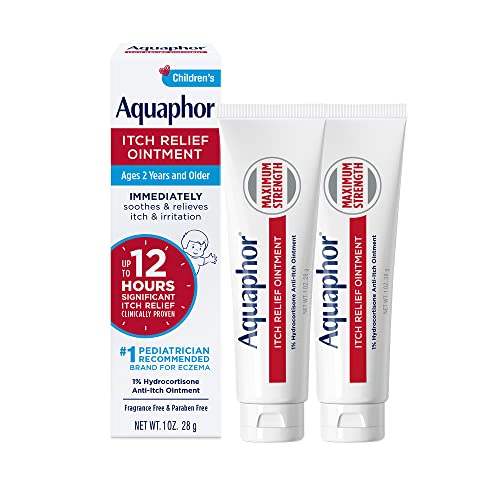
Hydrocortisone 1% Cream - Best OTC Starting Option
For individuals exploring initial self-managed stretching before a medical consultation, OTC hydrocortisone 1% cream is the most accessible low-potency steroid available without a prescription. While it has less clinical evidence specifically for phimosis compared to betamethasone, it shares the same mechanism of action at a lower potency - reducing local inflammation and supporting tissue compliance during gentle stretching. Apply a small amount to the tight foreskin tissue twice daily during the stretching routine. Limit continuous use to two to four weeks without medical review. It is widely available, affordable, and a reasonable first step before seeking a prescription.

Clotrimazole and Betamethasone Dipropionate Cream - Best for Mixed Presentation
This combination cream - available by prescription as Lotrisone in the US - combines an antifungal (clotrimazole) with a corticosteroid (betamethasone dipropionate). It is relevant for phimosis cases where inflammation is accompanied by signs of a fungal infection such as Candida, which can be a contributing factor in acquired phimosis in adults. If the tightness is associated with redness, white discharge, or recurrent itching, the combination cream addresses both the inflammatory and infectious components simultaneously. Use strictly under physician supervision, as extended betamethasone dipropionate use carries greater skin atrophy risk than lower-potency steroids.
Aquaphor Healing Ointment - Best Supportive Barrier Moisturizer
Aquaphor is a petrolatum-based ointment that is commonly used as a supportive product alongside steroid treatment for phimosis. It does not have anti-inflammatory properties but keeps the affected tissue moisturized between steroid applications, prevents dryness-related microcracking during stretching, and reduces friction during exercises. It is extremely gentle, fragrance-free, and safe for mucous membrane-adjacent tissue. Many urologists and patient communities recommend applying Aquaphor after steroid application to lock in moisture and protect the area between treatment sessions.
Refined Fragrance-Free Coconut Oil - Best Natural Adjunct
Refined (not virgin) coconut oil without added fragrance is used by some phimosis stretching communities as a natural lubricant for manual stretching exercises. It reduces friction, has a mild antimicrobial effect from its lauric acid content, and is gentle enough for daily use on sensitive tissue. It is not a substitute for corticosteroid treatment in true phimosis but is a reasonable lubricating adjunct to the stretching component of the regimen. Ensure the product is completely unscented and avoid versions with added vitamin E or other botanical additives that could cause contact sensitization.
How to choose
What to consider
The active ingredient class is the most important selection criterion - low to medium-potency corticosteroids are the only treatments with clinical evidence for phimosis. OTC hydrocortisone is the accessible starting point; betamethasone requires a prescription. Supportive products like Aquaphor are used to maintain tissue condition between applications. Avoid fragranced products, potential allergens, and any steroid stronger than betamethasone without medical supervision. Track progress weekly with gentle stretching.
The bottom line
Betamethasone cream under physician guidance is the definitive treatment for phimosis and should be the goal of any management plan. OTC hydrocortisone is a reasonable bridge while awaiting medical consultation. Aquaphor as a daily supportive moisturizer and a fragrance-free lubricant for stretching exercises round out an effective non-surgical approach. Seek professional care early - phimosis responds best to treatm
Common questions
Low-potency topical corticosteroids such as betamethasone 0.05% or 0.1% are the most clinically studied and recommended creams for phimosis. Applied twice daily to the tight area alongside manual stretching exercises, they have a documented success rate of 70-90% in avoiding surgery. Prescription strength versions should be obtained through a healthcare provider.
Most clinical protocols for topical steroid phimosis treatment run four to eight weeks with twice-daily application and daily gentle stretching. Visible improvement in skin elasticity and reduction in tightness is typically reported within two to four weeks. If no improvement is seen after eight weeks of consistent treatment, medical reassessment and consideration of other interventions is recommended.
Not all steroid creams are suitable. Low to medium-potency corticosteroids such as betamethasone or clobetasol are the ones with clinical evidence for phimosis. High-potency steroids can thin the skin inappropriately with extended use. OTC hydrocortisone (0.5-1%) is available without prescription and is a milder alternative, though less studied for this specific indication.
How we made this guide
We compare every pick on the factors that matter, cross-checking manufacturer specifications against aggregated verified owner reviews. We rank independently and never take payment for placement. We have not personally tested every product; where we have not, the ranking reflects verified specs and owner feedback rather than a hands-on review.
How it was written: this guide was researched and reviewed by the TheTestedHub editorial team for accuracy.
Affiliate disclosure: TheTestedHub is reader-supported. When you buy through links on our site, we may earn a commission at no extra cost to you.
More guides

What Works Best for Eczema? 2026 Top Creams Reviewed
Dry Skin Care in 2026: Ceramide-Rich Picks for Barrier Repair

2026 Curl Setting Sprays Reviewed: Ouidad Climate Control Tops for Versatility

2026 Curl Defining Creams That Moisturize Without the Weight
Chemical Exfoliants 2026: Honest Reviews & Picks
8 Best Cancer Treatment Skin Care Products of 2026

2026 Brightening Skincare: Vitamin C Serums Compared