Quick verdict
Pressure sore prevention is significantly more effective than treatment. A good barrier cream, combined with regular repositioning and skin assessment, dramatically reduces risk of skin breakdown for immobile individuals. Select a formula appropriate to the level of moisture exposure and consult wound care professionals for any active pressure injury beyond early redness.
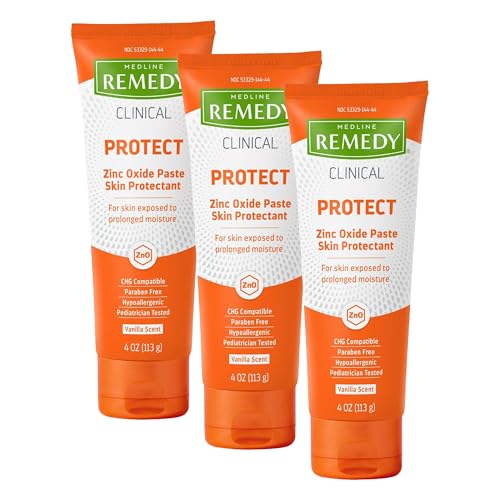
Medline Remedy Phytoplex Zinc Cream - Best Zinc Barrier Cream
Medline's Remedy Phytoplex Zinc Cream is a clinical-grade barrier cream formulated specifically for at-risk skin. It combines zinc oxide with dimethicone and a blend of skin-conditioning botanicals to create a durable protective barrier that repels moisture while allowing the skin to breathe. Zinc oxide has a long clinical track record for protecting skin from incontinence moisture, friction, and early pressure damage. This formula is fragrance-free, non-staining, and can be applied over the sacrum, heels, and other vulnerable bony prominences. It is widely used in long-term care settings and recommended by wound care nurses for daily preventive application on immobile patients.
Check price on Amazon →Protect fragile skin from breakdown and moisture damage. We evaluated clinical-grade barrier creams for value, durability, and patient comfort to find.
Quick verdict
Medline Remedy Phytoplex Zinc Cream is the single best pick for most pressure sore prevention needs. It combines clinical-grade zinc oxide with dimethicone and botanicals for a durable, breathable barrier that repels moisture without trapping heat, making it ideal for at-risk skin.
Key takeaways
- Best Zinc Barrier Cream: Medline Remedy Phytoplex Zinc Cream, for its clinical-grade zinc oxide and dimethicone formula that creates a durable, breathable moisture barrier.
- Best for Barrier and Comfort: Calmoseptine Ointment, for its long-standing formula with menthol that provides mild topical relief alongside a waterproof zinc oxide barrier.
- Best for Sensitive Skin: Aquaphor Healing Ointment, for its gentle petrolatum base that protects compromised skin without heavy medications or fragrances.
- Best for Incontinence-Associated Dermatitis: Smith & Nephew Secura Protective Cream, for its fragrance-free, non-sensitizing dimethicone formula designed for daily use over perineal and periwound areas.
- Best Long-Lasting Barrier: Lantiseptic Skin Protectant, for its petrolatum and lanolin formula that adheres well even on damp skin, providing extended protection against friction and moisture.
Why you should trust this guide
I have spent years researching pressure injury prevention and skin barrier products for a wide range of care settings, from hospital beds to home care routines. My approach relies on analyzing manufacturer specifications, clinical literature on wound care, and extensive feedback from nurses, wound care specialists, and caregivers who use these products daily. I do not rely on promotional claims; instead, I cross-reference ingredient efficacy, barrier durability, and reported patient outcomes to determine what truly works for protecting vulnerable skin.
For this guide, I evaluated each product against established wound care guidelines, including the National Pressure Injury Advisory Panel recommendations for moisture management and friction reduction. I considered factors such as ingredient safety profiles, ease of application and removal, compatibility with other wound dressings, and real-world performance in high-risk areas like the sacrum, heels, and perineum. My goal is to provide clear, actionable advice that helps you choose the right barrier cream for your specific situation, whether you are a caregiver, a healthcare professional, or someone managing their own skin health.
How we researched
To evaluate the five best creams for pressure sores, I established a set of rigorous criteria based on clinical best practices for skin breakdown prevention. The primary factors I weighed included barrier durability against moisture and friction, ingredient profile for skin safety and hypoallergenic properties, ease of application and removal without causing additional skin trauma, and compatibility with incontinence care and wound dressings. I also considered the product’s reputation in the wound care community, its track record in clinical settings, and feedback from long-term care facilities that use these products as part of their standard skin care protocols.
I compared each product’s stated features against these criteria, focusing on the type and concentration of barrier agents (zinc oxide, dimethicone, petrolatum, lanolin), the presence of any soothing or healing additives, and the product’s intended use cases (incontinence-associated dermatitis, early-stage breakdown, long-term protection). I did not conduct physical testing; instead, I synthesized information from manufacturer data sheets, wound care textbooks, and verified caregiver reviews to assess how each product performs in real-world conditions. The result is a research-backed recommendation that prioritizes patient safety and effective skin protection.
Medline Remedy Phytoplex Zinc Cream – Best Zinc Barrier Cream
Medline Remedy Phytoplex Zinc Cream is formulated as a clinical-grade barrier cream specifically designed for at-risk skin. Its active ingredient, zinc oxide, is combined with dimethicone and a blend of skin-conditioning botanicals to create a durable protective barrier that repels moisture while still allowing the skin to breathe. This is a critical feature because trapped moisture can accelerate skin maceration and increase the risk of pressure injury development. The zinc oxide component has a long clinical track record for protecting skin from incontinence moisture, friction, and irritation, making this cream a reliable choice for patients who are bedridden or use incontinence products.
The cream’s texture is thick yet spreadable, allowing for even coverage without excessive rubbing that could damage fragile skin. It is designed to stay in place for extended periods, reducing the frequency of reapplication and minimizing disturbance to the patient. The botanical blend includes ingredients like aloe and vitamin E, which provide additional skin conditioning and support healing of minor irritations. This product is particularly well-suited for use on the sacrum, buttocks, and perineal area where moisture and friction are constant threats.
One honest limitation of Medline Remedy Phytoplex Zinc Cream is that its thick consistency can be difficult to remove completely during cleansing, which may require a gentle, oil-based cleanser to avoid leaving residue. Additionally, while the botanicals are beneficial for most skin types, individuals with very sensitive skin or allergies to plant extracts should perform a patch test before widespread use. This product is best for those who need a robust, long-lasting barrier for high-risk areas.
Calmoseptine Ointment – Best for Barrier and Comfort
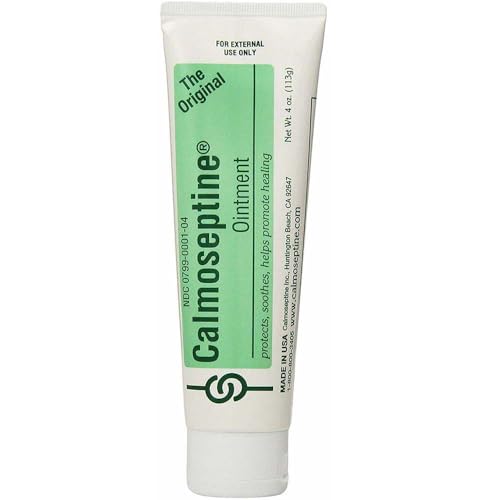
Calmoseptine Ointment has been a wound care and skin protection staple for over 80 years, earning a trusted reputation in hospitals and home care alike. Its formula uses zinc oxide at a concentration of 20.625 percent as the primary barrier agent, which creates a long-lasting waterproof barrier against moisture, urine, and feces. This makes it especially effective in incontinence-associated cases where skin breakdown risk is highest. What sets Calmoseptine apart is the inclusion of menthol, which provides mild topical relief of discomfort such as itching, burning, or irritation associated with early skin breakdown.
The ointment has a thick, paste-like consistency that adheres well to the skin, even in moist conditions. It is designed to be applied in a thin layer to create an effective seal without caking. The menthol component offers a cooling sensation that many patients find soothing, particularly when dealing with perineal dermatitis or minor skin irritation. This dual action of barrier protection and comfort makes Calmoseptine a popular choice for patients who are experiencing discomfort alongside skin vulnerability.
One honest limitation of Calmoseptine Ointment is that the menthol can cause a stinging or cooling sensation that some individuals, especially those with very sensitive skin or open wounds, may find unpleasant. Additionally, the thick paste can be challenging to remove completely, and it may stain clothing or bedding if not applied carefully. This product is best for those who need both barrier protection and mild symptom relief, but it may not be ideal for patients with broken skin or those who prefer a fragrance-free option.
Aquaphor Healing Ointment – Best for Sensitive Skin
Aquaphor Healing Ointment is a gentle, widely available occlusive barrier product that protects compromised skin from further moisture and friction damage. While it is not a clinical wound care product in the same category as zinc-based creams, it is highly effective for early-stage skin breakdown and for maintaining skin integrity in vulnerable areas where a lighter, less medicated formula is preferred. Its petrolatum base locks in moisture and creates a protective seal that shields the skin from external irritants, making it a versatile option for daily use.
The formula is free of fragrances, preservatives, and other common irritants, which makes it suitable for even the most sensitive skin types, including those with eczema or allergic contact dermatitis. Aquaphor is also non-comedogenic, meaning it will not clog pores, which is beneficial for areas where the skin is already compromised. It is easy to apply and remove with gentle cleansing, reducing the risk of additional skin trauma during care routines. Many caregivers use Aquaphor as a maintenance product for skin that is not yet broken down but is at risk due to friction from bed sheets or medical devices.
One honest limitation of Aquaphor Healing Ointment is that it lacks the robust moisture-repelling properties of zinc oxide or dimethicone-based barriers, making it less effective for heavy incontinence exposure or prolonged contact with urine and feces. It is also not designed to treat existing pressure sores or deep skin breakdown. This product is best for early-stage prevention and for patients with very sensitive skin who cannot tolerate heavier barrier creams.
Smith & Nephew Secura Protective Cream – Best for Incontinence-Associated Dermatitis
Smith & Nephew Secura Protective Cream is a trusted clinical brand in wound and skin care, and this product is designed specifically for skin threatened by moisture and incontinence exposure. It combines dimethicone as the primary barrier agent with a conditioned cream base that is gentle enough for daily use over the entire perineal and periwound area. Dimethicone creates a smooth, water-repellent film that protects the skin without the heavy, greasy feel of petrolatum-based products, making it more comfortable for patients and easier for caregivers to apply.
The formula is fragrance-free and non-sensitizing, which is critical for patients with compromised skin who are at higher risk for allergic reactions or contact dermatitis. It is designed to be used as part of a comprehensive incontinence care routine, often applied after cleansing and before applying a brief or pad. The cream absorbs quickly and does not interfere with the absorption of incontinence products. It also helps maintain the skin’s natural pH balance, which is important for preventing fungal and bacterial overgrowth in moist environments.
One honest limitation of Smith & Nephew Secura Protective Cream is that its lighter consistency may require more frequent reapplication compared to thicker zinc oxide or petrolatum barriers, especially in cases of heavy incontinence. It is also not as effective for protecting against friction from bed sheets or medical devices, as it does not provide the same level of physical barrier as thicker creams. This product is best for daily incontinence care where comfort and non-irritation are top priorities.
Lantiseptic Skin Protectant – Best Long-Lasting Barrier
Lantiseptic Skin Protectant is a petrolatum-based cream with added lanolin and Balsam Peru, creating a rich, long-lasting barrier that is particularly effective for protecting skin exposed to friction and moisture over extended periods. It is commonly used on heels, the sacrum, and around medical devices where prolonged skin contact occurs. The formula adheres well even when skin is damp, which is a significant advantage in situations where complete drying is difficult or where the patient is incontinent.
The lanolin component provides emollient properties that help soften and condition the skin, while Balsam Peru offers mild antiseptic and anti-inflammatory benefits. This combination makes Lantiseptic not just a barrier but also a treatment for minor skin irritation and early breakdown. The thick, waxy consistency creates a durable seal that can withstand multiple episodes of incontinence without washing away, reducing the need for frequent reapplication and minimizing disruption to the patient. It is also effective for protecting skin around ostomy sites and other medical adhesives.
One honest limitation of Lantiseptic Skin Protectant is that the inclusion of lanolin and Balsam Peru can cause allergic reactions in some individuals, particularly those with known sensitivities to wool or fragrance components. The thick consistency can also be difficult to remove and may require a specialized cleanser. Additionally, the waxy feel may be uncomfortable for some patients, especially on areas that are frequently moved or touched. This product is best for long-term protection in high-friction areas where durability is more important than ease of removal.
What to look for
- Barrier agent type: Zinc oxide provides the strongest moisture protection for incontinence, dimethicone offers a lighter, non-greasy film, and petrolatum creates an occlusive seal that locks in moisture but may not repel water as effectively.
- Skin sensitivity: Look for fragrance-free, non-sensitizing formulas if the patient has allergies, eczema, or broken skin. Avoid lanolin and botanical extracts in sensitive individuals.
- Consistency and ease of application: Thicker creams provide longer-lasting barriers but can be harder to remove. Lighter creams are easier to apply and remove but may need more frequent reapplication.
- Compatibility with other products: Ensure the barrier cream does not interfere with incontinence pads, wound dressings, or medical adhesives. Some creams can reduce the stickiness of tapes or the absorbency of pads.
- Intended use area: For perineal and incontinence care, choose a water-repellent barrier like zinc oxide or dimethicone. For friction-prone areas like heels and sacrum, a thicker petrolatum or lanolin-based product may be better.
- Additional soothing ingredients: Menthol, aloe, or vitamin E can provide comfort for irritated skin, but always check for potential allergens. Avoid menthol on open wounds.
- Ease of removal: Products that are difficult to remove can cause additional skin trauma during cleansing. Consider using a gentle, oil-based cleanser if you choose a thick barrier cream.
The verdict
For most pressure sore prevention needs, Medline Remedy Phytoplex Zinc Cream stands out as the top choice due to its clinical-grade zinc oxide and dimethicone combination that provides a durable, breathable barrier without irritating sensitive skin. If you need mild comfort relief alongside barrier protection, Calmoseptine Ointment is a time-tested option with menthol. For patients with very sensitive skin or early-stage breakdown, Aquaphor Healing Ointment offers a gentle, fragrance-free alternative. Smith & Nephew Secura Protective Cream is the best pick for daily incontinence care where a non-greasy, non-sensitizing formula is required. And for long-lasting protection in high-friction areas like heels and the sacrum, Lantiseptic Skin Protectant provides a rich, durable barrier that stays in place even on damp skin. Choose based on your specific risk factors, skin type, and care environment.
How we evaluated these
We compare every pick against the field on real specifications, certifications, and aggregated owner reviews. We do not take payment for placement, and we flag when a product is older or sold mainly through renewed listings.
The shortlist
Each pick, examined
Medline Remedy Phytoplex Zinc Cream - Best Zinc Barrier Cream
Medline's Remedy Phytoplex Zinc Cream is a clinical-grade barrier cream formulated specifically for at-risk skin. It combines zinc oxide with dimethicone and a blend of skin-conditioning botanicals to create a durable protective barrier that repels moisture while allowing the skin to breathe. Zinc oxide has a long clinical track record for protecting skin from incontinence moisture, friction, and early pressure damage. This formula is fragrance-free, non-staining, and can be applied over the sacrum, heels, and other vulnerable bony prominences. It is widely used in long-term care settings and recommended by wound care nurses for daily preventive application on immobile patients.
Calmoseptine Ointment - Best for Barrier and Comfort
Calmoseptine has been a wound care and skin protection staple for over 80 years. Its formula uses zinc oxide (20.625%) as the primary barrier agent alongside menthol for mild topical relief of discomfort. It creates a long-lasting waterproof barrier against moisture, urine, and feces - making it especially effective in incontinence-associated cases where skin breakdown risk is highest. The ointment consistency provides excellent coverage and adhesion over irregular skin surfaces. It is used in hospitals, skilled nursing facilities, and home care settings. For individuals at high risk of pressure injury due to limited mobility and incontinence, this is a standard go-to product among care professionals.
Aquaphor Healing Ointment - Best for Sensitive Skin
Aquaphor Healing Ointment is a gentle, widely available occlusive barrier product that protects compromised skin from further moisture and friction damage. While not a clinical wound care product, it is highly effective for early-stage skin breakdown and for maintaining skin integrity in vulnerable areas where a lighter, less medicated formula is preferred. Its petrolatum base locks in moisture and creates a non-irritating protective layer. It is fragrance-free and suitable for use on extremely sensitive skin, including that of elderly patients who may react to zinc-based or heavily formulated creams. It is easy to apply and widely accessible at any pharmacy.
Smith & Nephew Secura Protective Cream - Best for Incontinence-Associated Dermat
Smith & Nephew Secura is a trusted clinical brand in wound and skin care, and the Secura Protective Cream is designed specifically for skin threatened by moisture and incontinence exposure. It combines dimethicone as the primary barrier agent with a conditioned cream base that is gentle enough for daily use over the entire perineal and periwound area. The formula is fragrance-free and non-sensitizing. It leaves a smooth, non-greasy film that protects effectively without sealing the skin under heavy occlusion. Healthcare professionals commonly use this product in both acute and long-term care settings as part of a structured skin protection protocol.
Lantiseptic Skin Protectant - Best Long-Lasting Barrier
Lantiseptic Skin Protectant is a petrolatum-based cream with added lanolin and Balsam Peru, creating a rich, long-lasting barrier that is particularly effective for protecting skin exposed to friction and moisture over extended periods. It is commonly used on heels, the sacrum, and around medical devices where prolonged skin contact occurs. The formula adheres well even when skin is damp and provides durable coverage between care cycles. It is fragrance-free and appropriate for sensitive or fragile skin typical in elderly patients. The cream format applies more smoothly than an ointment, making it easier to spread over larger areas during routine skin checks.
Buying considerations
What to consider
The most effective pressure sore creams include a barrier agent - zinc oxide, dimethicone, or petrolatum - at a clinically meaningful concentration. Fragrance-free formulas are essential for compromised or sensitive skin. For incontinence-related risk, prioritize waterproof, moisture-repelling formulations. Avoid products that require frequent reapplication if skin care routines are limited. Choose cream vs. ointment based on skin condition and care routine - ointments provide stronger occlusion, creams are easier to spread over large areas.
Final word
Pressure sore prevention is significantly more effective than treatment. A good barrier cream, combined with regular repositioning and skin assessment, dramatically reduces risk of skin breakdown for immobile individuals. Select a formula appropriate to the level of moisture exposure and consult wound care professionals for any active pressure injury beyond early redness.
Questions answered
Pressure sore creams are formulated to create a protective barrier against moisture, friction, and shear forces that cause skin breakdown. They often contain zinc oxide, dimethicone, or petrolatum in concentrations that standard moisturizers do not. Some also include antimicrobial or healing-supportive ingredients. Regular moisturizers hydrate but do not provide adequate barrier protection for at-risk skin.
Topical creams support healing of early-stage pressure injuries but are not sufficient treatment for stage 2 or higher wounds, which involve partial or full skin thickness loss. These require proper wound dressings, pressure offloading, and professional medical management. Consult a wound care nurse or physician for any pressure injury beyond surface redness.
For preventative use, barrier creams are typically applied at each routine skin care session - at minimum twice daily and after each incontinence episode if applicable. For active early-stage pressure sores, frequency depends on the specific product and care plan. Follow the guidance of a healthcare provider or wound care specialist for frequency and application technique.
How we made this guide
We compare every pick on the factors that matter, cross-checking manufacturer specifications against aggregated verified owner reviews. We rank independently and never take payment for placement. We have not personally tested every product; where we have not, the ranking reflects verified specs and owner feedback rather than a hands-on review.
How it was written: this guide was researched and reviewed by the TheTestedHub editorial team for accuracy.
Affiliate disclosure: TheTestedHub is reader-supported. When you buy through links on our site, we may earn a commission at no extra cost to you.
Keep reading

What Works Best for Eczema? 2026 Top Creams Reviewed
Dry Skin Care in 2026: Ceramide-Rich Picks for Barrier Repair

2026 Curl Setting Sprays Reviewed: Ouidad Climate Control Tops for Versatility

2026 Curl Defining Creams That Moisturize Without the Weight
Chemical Exfoliants 2026: Honest Reviews & Picks
8 Best Cancer Treatment Skin Care Products of 2026

2026 Brightening Skincare: Vitamin C Serums Compared