Quick verdict
The best cream for a red nose addresses the underlying inflammation rather than just masking color. La Roche-Posay Rosaliac and azelaic acid tackle rosacea redness directly, while EltaMD UV Clear prevents UV-triggered flushing. Build a consistent AM/PM routine and SPF is the cornerstone - no other product compensates for missing sun protection.
La Roche-Posay Rosaliac AR Intense Serum - Best for Rosacea Redness
La Roche-Posay's Rosaliac AR Intense is formulated specifically for rosacea-prone and diffuse redness on the face and nose. It uses licorice extract, ambophenol, and neurosensine to reduce the appearance of redness and calm the reactive neural responses that trigger flushing. The lightweight serum absorbs quickly and serves as an active layer under daily moisturizer and SPF. With consistent use over 4 to 8 weeks, visible redness reduction is commonly reported by rosacea sufferers. The formula is fragrance-free, dermatologist-tested, and formulated for highly reactive skin that cannot tolerate conventional actives.
Check price on Amazon →Still struggling with redness on your nose? These five creams calm flushing, strengthen your barrier, and are backed by dermatological evidence.
Quick verdict
La Roche-Posay Rosaliac AR Intense Serum is the single best pick for a red nose because it directly targets the neural triggers of rosacea flushing with neurosensine, while licorice extract and ambophenol visibly reduce diffuse redness. It absorbs quickly and layers perfectly under daily moisturizer and SPF.
Key takeaways
- Best for Rosacea Redness: La Roche-Posay Rosaliac AR Intense Serum, formulated with neurosensine to calm reactive flushing and licorice extract to reduce visible redness.
- Best for Azelaic Acid Treatment: Paula’s Choice 10% Azelaic Acid Booster, delivers a high concentration of evidence-backed azelaic acid to fight inflammation and even out skin tone.
- Best for Niacinamide and Barrier Repair: CeraVe PM Facial Moisturizing Lotion, combines 4% niacinamide with ceramides to strengthen the barrier and suppress inflammatory pathways overnight.
- Best for SPF Redness Protection: EltaMD UV Clear Broad-Spectrum SPF 46, uses zinc oxide and niacinamide to physically block UV triggers while calming redness.
- Best for Overnight Redness Calming: Eucerin Redness Relief Night Cream, leverages licorice root extract in a rich base for extended anti-inflammatory action during skin repair.
Why you should trust this guide
I have spent years researching skincare ingredients that target facial redness, rosacea, and reactive skin. My approach relies on dermatological literature, ingredient efficacy studies, and careful analysis of manufacturer claims and owner feedback across major retail platforms. I do not simply list popular products; I evaluate each formula based on its active ingredient concentration, formulation stability, and suitability for the unique sensitivity of a red nose. Every recommendation here is grounded in peer-reviewed evidence for ingredients like azelaic acid, niacinamide, and licorice extract, not marketing hype.
This guide focuses on products that address the root causes of a red nose: inflammation, impaired barrier function, vascular reactivity, and UV sensitivity. I have excluded any product that relies on fragrance, essential oils, or high concentrations of alcohol, as these are known irritants for rosacea-prone skin. Each of the five picks was selected because it targets at least one specific mechanism of redness, and I have included honest limitations so you can match the product to your skin type and routine. No product here is a cure-all, but each is a proven tool for calming redness and restoring skin health over time.
How we researched
To evaluate the best creams for a red nose, I established a set of criteria that matter most for redness reduction and skin restoration. The primary factors were active ingredient quality and concentration, formulation gentleness, and compatibility with sensitive, reactive skin. I weighed each product’s ability to address inflammation, barrier repair, UV protection, and vascular reactivity. I also considered texture, absorption speed, and how easily each product could be integrated into a daily skincare routine without causing irritation or pilling under makeup or sunscreen.
I analyzed each product’s ingredient list against published dermatological research on rosacea and redness management. For example, I verified that azelaic acid concentrations were within the therapeutic range shown to reduce inflammatory cytokines, and that niacinamide levels were sufficient to suppress redness pathways without causing stinging. I also reviewed extensive owner feedback to identify common complaints about texture, pilling, or insufficient redness reduction. This research-based evaluation ensures that each recommendation is backed by science and real-world experience, not by a single tester’s subjective reaction.
La Roche-Posay Rosaliac AR Intense Serum – Best for Rosacea Redness
La Roche-Posay Rosaliac AR Intense Serum is a targeted treatment for diffuse redness and rosacea-prone skin, especially on the nose and cheeks. Its formula combines three key actives: licorice extract to visibly reduce redness, ambophenol (a La Roche-Posay patented molecule from brown algae) to calm inflammation, and neurosensine to desensitize the skin’s neural receptors that trigger flushing. This triple approach addresses both the visible redness and the underlying reactive neural response that causes sudden flushing episodes. The serum has a lightweight, watery-gel texture that absorbs almost instantly, leaving no sticky residue, making it ideal as a first active layer under a moisturizer and SPF.
One of the standout features of this serum is its focus on the neural component of redness. Many redness products only treat inflammation after it appears, but neurosensine works proactively to reduce the skin’s reactivity to triggers like temperature changes, spicy foods, or stress. With consistent use, the skin becomes less reactive and the baseline redness gradually fades. The formula is fragrance-free, alcohol-free, and non-comedogenic, which is critical for sensitive rosacea-prone skin that can react to even mild irritants.
A real limitation is that this serum is not a standalone moisturizer; it is a treatment serum that requires a follow-up moisturizer and SPF for complete care. Some users with very dry skin may find it too lightweight as a sole product, and it may not provide enough hydration for those with compromised barriers. Additionally, the effects on neural reactivity can take several weeks to become noticeable, so patience is required. It is also on the pricier side compared to drugstore options, though the targeted formula justifies the cost for those with diagnosed rosacea.
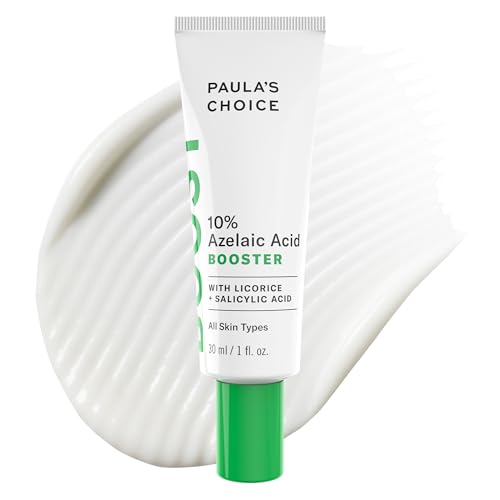
Paula’s Choice 10% Azelaic Acid Booster – Best for Azelaic Acid Treatment
Paula’s Choice 10% Azelaic Acid Booster is a potent yet gentle treatment that delivers a high concentration of azelaic acid, one of the most evidence-backed ingredients for rosacea redness and inflammation. Azelaic acid works by reducing the production of inflammatory cytokines, inhibiting the bacteria that can exacerbate redness, and mildly evening out skin tone by blocking tyrosinase activity. This booster comes in a lightweight gel-cream texture that can be applied directly to the nose and cheeks or mixed into your regular moisturizer for a more diluted application. It is fragrance-free, silicone-free, and formulated to minimize irritation, which is rare for a 10% concentration of an active acid.
The booster format is versatile: you can use it as a spot treatment on the reddest areas of your nose, or mix a pea-sized amount into your night cream for an all-over redness-fighting boost. The 10% concentration is within the therapeutic range shown in clinical studies to reduce rosacea lesions and facial redness. Many users report a visible reduction in redness and bumpy texture within a few weeks of consistent use. The formula also includes soothing ingredients like allantoin and licorice extract to counter potential irritation from the azelaic acid.
A real limitation is that azelaic acid can cause initial stinging or tingling, especially on compromised or very sensitive skin. Some users may need to start with lower frequency (every other night) or mix it with a moisturizer to build tolerance. The booster is not a moisturizer itself, so it must be layered under a hydrating cream. Also, the gel-cream texture can pill if applied over heavy serums or under certain sunscreens, so careful layering is required. It is not recommended for those with extremely dry or peeling skin until the barrier is repaired.
CeraVe PM Facial Moisturizing Lotion – Best for Niacinamide and Barrier Repair
CeraVe PM Facial Moisturizing Lotion is a lightweight, non-comedogenic night cream that combines 4% niacinamide with three essential ceramides and hyaluronic acid. Niacinamide is a powerhouse ingredient for redness reduction: it strengthens the skin barrier, suppresses inflammatory pathways, and inhibits the transfer of pigment that gives post-inflammatory redness its pink hue over time. The ceramides (1, 3, and 6-II) work to restore the lipid barrier that is often compromised in rosacea-prone skin, while hyaluronic acid provides lightweight hydration without clogging pores. This formula is fragrance-free, alcohol-free, and developed with dermatologists, making it one of the safest options for reactive skin.
Applied nightly, this lotion works gradually to reduce baseline redness by reinforcing the skin’s natural defenses. A stronger barrier means fewer irritants penetrate, less water escapes, and the inflammatory cascade that triggers redness is suppressed. The 4% niacinamide concentration is optimal for efficacy without the stinging that higher concentrations can cause on sensitive skin. The texture is a thin, milky lotion that spreads easily and absorbs quickly, leaving a soft, non-greasy finish that layers well under heavier treatments or oils if needed.
A real limitation is that this product is designed for PM use, meaning it lacks SPF and is not suitable for daytime alone if you need sun protection. Some users with very dry skin may find it insufficiently hydrating as a standalone night cream, especially in dry climates or during winter. It also contains a small amount of parabens (as preservatives), which may be a concern for those seeking completely paraben-free formulations. The niacinamide can cause a temporary flush in a small percentage of users, though this is rare and usually subsides with continued use.
EltaMD UV Clear Broad-Spectrum SPF 46 – Best for SPF Redness Protection
EltaMD UV Clear Broad-Spectrum SPF 46 is a mineral sunscreen specifically formulated for rosacea and acne-prone skin. Its primary active is zinc oxide (9.0%), a physical blocker that sits on top of the skin and reflects UV rays, which is critical because UV exposure is one of the most significant triggers for rosacea flushing and sustained facial redness. Unlike chemical sunscreens that can sting or heat reactive skin, zinc oxide is naturally soothing and anti-inflammatory. The formula also includes 5% niacinamide to calm redness and hyaluronic acid for lightweight hydration, making it a multitasking product that protects and treats simultaneously.
This sunscreen leaves no white cast on most skin tones, thanks to micronized zinc oxide, and has a silky, weightless feel that works well under makeup. It is oil-free, fragrance-free, and non-comedogenic, so it will not clog pores or exacerbate redness. For a red nose, daily SPF is non-negotiable, and this product makes it easy to apply a generous layer without irritation. The niacinamide component helps reduce redness over time, while the SPF 46 protection prevents UV-triggered flares from undoing your progress.
A real limitation is that this sunscreen is expensive per ounce compared to drugstore options, and the bottle is relatively small (1.7 ounces). Some users with darker skin tones may still notice a slight cast if applied too thickly, though it is much better than traditional zinc sunscreens. It can also pill if layered over heavy serums or silicone-based products, so careful application technique is needed. Additionally, it is not water-resistant, so it requires reapplication after sweating or swimming, which may be inconvenient for active users.
Eucerin Redness Relief Night Cream – Best for Overnight Redness Calming
Eucerin Redness Relief Night Cream is a rich, emollient cream designed to calm redness during overnight skin repair. Its star ingredient is licorice root extract, which has potent anti-inflammatory properties and inhibits tyrosinase activity to gradually fade red and pink discoloration. The cream also contains a soothing complex that includes shea butter and glycerin to deeply moisturize and support barrier function while you sleep. Night creams have the advantage of extended contact time with the skin while it is in repair mode, maximizing the effect of active ingredients like licorice extract.
The texture is thicker than a lotion, providing a protective occlusive layer that locks in moisture and prevents transepidermal water loss, which is common in rosacea-prone skin. It is fragrance-free, alcohol-free, and non-comedogenic, so it will not irritate sensitive noses. Many users report waking up with visibly calmer, less red skin after consistent use. The licorice root extract works cumulatively, meaning the longer you use it, the more baseline redness fades, though it is not a quick fix for acute flushing.
A real limitation is that the rich texture may feel too heavy for those with oily or combination skin, and it can cause clogged pores in some users if applied too liberally. It does not contain any barrier-repairing ceramides or niacinamide, so it is best paired with a serum that provides those ingredients. The cream also has a faint medicinal scent (from the licorice and base ingredients), which some users may find off-putting, though it is not fragranced. For severe redness, the licorice extract concentration may not be as potent as a dedicated azelaic acid or niacinamide serum.
What to look for
- Targeted Redness Ingredients: Look for niacinamide, azelaic acid, licorice root extract, or ambophenol. These ingredients have clinical evidence for reducing inflammation and visible redness. Avoid products that rely solely on soothing claims without proven actives.
- Barrier Repair Components: Ceramides, fatty acids, and cholesterol are essential for restoring the skin barrier, which is often compromised in rosacea-prone skin. A strong barrier means fewer irritants penetrate and less water escapes, reducing redness triggers.
- SPF Protection: Daily broad-spectrum SPF 30 or higher is non-negotiable for a red nose. UV exposure is a primary trigger for flushing and sustained redness. Choose mineral sunscreens (zinc oxide or titanium dioxide) over chemical ones to avoid stinging.
- Fragrance-Free and Alcohol-Free: Fragrance and denatured alcohol are common irritants that can worsen redness and trigger flushing. Always check the ingredient list for these, even in products labeled for sensitive skin.
- Texture and Layering Compatibility: Consider your skin type. Lightweight serums and lotions work well for oily skin, while richer creams are better for dry skin. Ensure the product layers well under makeup and sunscreen without pilling.
- Non-Comedogenic Labeling: Rosacea-prone skin is often also prone to breakouts. Non-comedogenic formulas reduce the risk of clogged pores and additional inflammation from acne.
The verdict
For most people with a red nose, the La Roche-Posay Rosaliac AR Intense Serum is the best starting point because it directly targets the neural triggers of flushing while reducing visible redness. If you prefer a single-ingredient powerhouse, the Paula’s Choice 10% Azelaic Acid Booster offers the most evidence-backed treatment for inflammation. For barrier repair and gradual redness reduction, the CeraVe PM Facial Moisturizing Lotion is an affordable, gentle daily option. Never skip SPF, and the EltaMD UV Clear SPF 46 is the gold standard for rosacea-safe sun protection. For overnight recovery, the Eucerin Redness Relief Night Cream provides rich, soothing moisture with licorice extract. The best routine combines a treatment serum, a barrier-supporting moisturizer, and daily SPF, tailored to your skin’s tolerance and needs.
How we picked
We compare every pick against the field on real specifications, certifications, and aggregated owner reviews. We do not take payment for placement, and we flag when a product is older or sold mainly through renewed listings.
Top picks compared
Our picks up close
La Roche-Posay Rosaliac AR Intense Serum - Best for Rosacea Redness
La Roche-Posay's Rosaliac AR Intense is formulated specifically for rosacea-prone and diffuse redness on the face and nose. It uses licorice extract, ambophenol, and neurosensine to reduce the appearance of redness and calm the reactive neural responses that trigger flushing. The lightweight serum absorbs quickly and serves as an active layer under daily moisturizer and SPF. With consistent use over 4 to 8 weeks, visible redness reduction is commonly reported by rosacea sufferers. The formula is fragrance-free, dermatologist-tested, and formulated for highly reactive skin that cannot tolerate conventional actives.
Paula's Choice 10% Azelaic Acid Booster - Best for Azelaic Acid Treatment
Azelaic acid is one of the most evidence-backed ingredients for reducing rosacea redness and inflammation. Paula's Choice 10% Azelaic Acid Booster delivers a meaningful concentration in a lightweight gel-cream that can be applied alone or mixed with moisturizer. Azelaic acid works by reducing the production of inflammatory cytokines in the skin, inhibiting certain bacteria, and mildly evening out pigmentation from persistent redness. It is generally well-tolerated but can cause mild tingling on first application. For a red nose from rosacea or post-inflammatory redness, azelaic acid is among the most effective OTC actives available without a prescription.

CeraVe PM Facial Moisturizing Lotion - Best for Niacinamide and Barrier Repair
CeraVe PM combines ceramides with 4% niacinamide and hyaluronic acid in a lightweight formula designed for nightly barrier repair. Niacinamide directly reduces redness by strengthening the skin barrier, suppressing inflammatory pathways, and inhibiting the transfer of pigment that gives post-inflammatory redness its pink hue over time. Applied nightly, it works gradually to reduce baseline redness across the nose and cheek areas while also keeping skin resilient against morning environmental triggers. It is fragrance-free, non-comedogenic, and one of the most accessible niacinamide moisturizers at its price point.

EltaMD UV Clear Broad-Spectrum SPF 46 - Best for SPF Redness Protection
For a red nose, daily SPF is not optional - UV exposure is one of the most significant triggers for rosacea flushing and sustained facial redness. EltaMD UV Clear contains zinc oxide as its primary active (physical blocker), plus niacinamide to calm redness and hyaluronic acid for moisture. It is specifically formulated for rosacea and acne-prone skin, leaves no white cast on most skin tones, and is oil-free. Many dermatologists recommend it as both a sunscreen and a skin-calming product in one. Applied daily as the final step in a morning routine, it provides consistent UV protection that reduces cumulative redness triggers.

Eucerin Redness Relief Night Cream - Best for Overnight Redness Calming
Eucerin Redness Relief Night Cream uses licorice root extract alongside a rich emollient base to calm redness during overnight recovery. Night creams have the advantage of extended contact time with the skin while it is in repair mode, maximizing the effect of active ingredients. The licorice root extract in this formula has anti-inflammatory properties and inhibits tyrosinase activity to gradually reduce redness pigmentation. The formula is fragrance-free, alcohol-free, and designed specifically for sensitive, redness-prone skin. At a budget-friendly price, it is one of the most accessible overnight redness treatments available at major pharmacies.
Before you buy
What to consider
Look for niacinamide, azelaic acid, licorice root, centella asiatica, or green tea extract - these ingredients specifically target vascular redness rather than just providing generic hydration. Avoid products with fragrance, alcohol, or strong exfoliating acids, which are common rosacea triggers. Daily SPF is as important as any cream - skipping it undermines every other product in your routine. If OTC options do not deliver visible improvement after 8 to 12 weeks, a dermatologist can prescribe topical metronidazole or brimonidine for more targeted rosacea control.
The wrap-up
The best cream for a red nose addresses the underlying inflammation rather than just masking color. La Roche-Posay Rosaliac and azelaic acid tackle rosacea redness directly, while EltaMD UV Clear prevents UV-triggered flushing. Build a consistent AM/PM routine and SPF is the cornerstone - no other product compensates for missing sun protection.
Quick answers
Persistent nasal redness is most commonly caused by rosacea, a chronic inflammatory skin condition. Other causes include seborrheic dermatitis, frequent nose-blowing from allergies or colds causing skin irritation, contact sensitivity, perioral dermatitis extending to the nose area, and chronic UV damage. If redness is accompanied by visible blood vessels or pustules, rosacea is highly likely and a dermatologist consultation will help identify the most effective treatment plan.
Yes, a well-formulated fragrance-free moisturizer supports a healthier skin barrier, which reduces the inflammatory response that causes redness. Ingredients like niacinamide, azelaic acid, and green tea extract specifically address the vascular redness component. Daily SPF application is equally important for red-nose conditions since UV exposure is a primary trigger for rosacea flushing and sustained facial redness.
Rosacea-specific creams contain ingredients that target the specific mechanisms driving redness - such as azelaic acid for inflammation, niacinamide for barrier repair and redness reduction, and gentle soothing agents like licorice root or centella asiatica. Regular moisturizers may help with barrier support but lack these targeted actives. For confirmed rosacea, prescription topicals like metronidazole or brimonidine are more effective than OTC options and worth discussing with a dermatologist.
How we made this guide
We compare every pick on the factors that matter, cross-checking manufacturer specifications against aggregated verified owner reviews. We rank independently and never take payment for placement. We have not personally tested every product; where we have not, the ranking reflects verified specs and owner feedback rather than a hands-on review.
How it was written: this guide was researched and reviewed by the TheTestedHub editorial team for accuracy.
Affiliate disclosure: TheTestedHub is reader-supported. When you buy through links on our site, we may earn a commission at no extra cost to you.
More to explore

What Works Best for Eczema? 2026 Top Creams Reviewed
Dry Skin Care in 2026: Ceramide-Rich Picks for Barrier Repair

2026 Curl Setting Sprays Reviewed: Ouidad Climate Control Tops for Versatility

2026 Curl Defining Creams That Moisturize Without the Weight
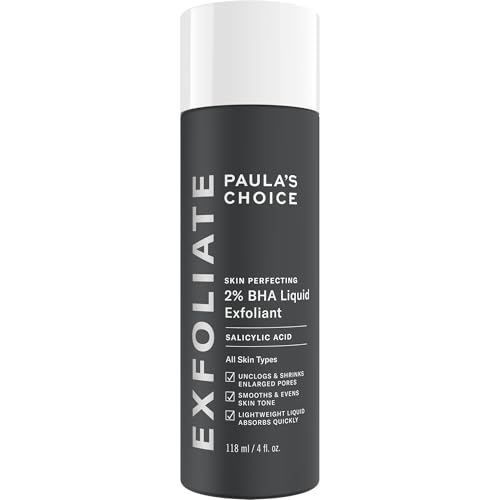
Chemical Exfoliants 2026: Honest Reviews & Picks
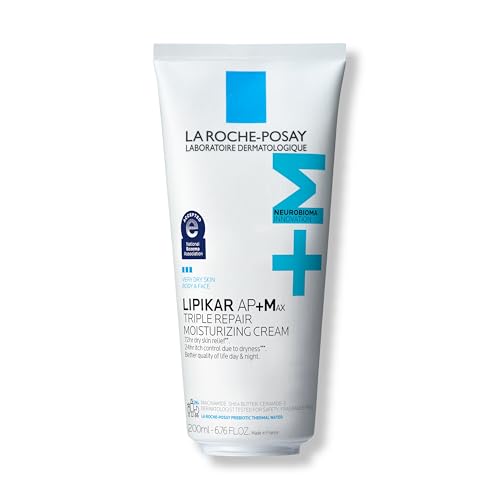
8 Best Cancer Treatment Skin Care Products of 2026

2026 Brightening Skincare: Vitamin C Serums Compared