Quick verdict
Chamois Butt'r handles most cyclists' prevention needs at a fair price. Step up to DZ Nuts if bacterial infections are a recurring issue, and keep Bepanthen on hand for treating sores that do develop. Consistent application before every ride is what separates cyclists who never deal with saddle sores from those who do.

Chamois Butt'r Original - Best Overall Chamois Cream
Chamois Butt'r is the benchmark chamois cream used by amateur and professional cyclists worldwide. The non-greasy formula applies easily, doesn't cake or pill during long rides, and provides consistent friction reduction for 4 to 6 hours. It contains no harsh menthol or camphor, so it's comfortable for sensitive skin and in hot conditions. The formula is antibacterial to reduce the bacterial load that contributes to folliculitis and sore development. A small pea-sized amount covers adequately - a 142g container lasts many months of regular riding. It washes out of shorts easily and doesn't stain chamois padding.
Check price on Amazon →Chamois Butt'r Original tops our list for preventing saddle sores with friction reduction and antibacterial protection. Compare top picks for all riding.
Quick verdict
Chamois Butt’r Original is the single best pick for most cyclists because it balances friction reduction, antibacterial protection, and a non-greasy feel that works reliably for 4 to 6 hours without irritation, making it the benchmark cream for preventing saddle sores across all riding styles.
Key takeaways
- Best for Overall Use: Chamois Butt’r Original, the industry standard for friction reduction and comfort on long rides.
- Best for Performance Cyclists: Assos Chamois Cream, a thicker premium formula with chamomile for extended saddle time beyond 5 hours.
- Best Budget Option: Udderly Smooth Udder Cream, an affordable daily-use cream for rides under 90 minutes or sensitive skin.
- Best Antibacterial Formula: DZ Nuts Pro Chamois Cream, tea tree oil and botanicals target folliculitis and skin infection risk.
- Best for Healing Existing Sores: Bepanthen Nappy Care Ointment, dexpanthenol-based repair for damaged skin barriers after rides.
Why you should trust this guide
I have spent years researching cycling comfort products, analyzing manufacturer specifications, and reading thousands of rider reviews across forums and retail platforms. Saddle sores are one of the most common and frustrating issues cyclists face, and the right cream can make the difference between a great ride and a miserable one. I do not claim to have personally tested every product in a lab, but I have evaluated each cream against the criteria that matter most: friction reduction duration, antibacterial efficacy, skin sensitivity, value per application, and healing support. My recommendations are grounded in what the manufacturers state about their formulas and what real riders consistently report in long-term use.
Each product in this guide was selected because it fills a specific need in the saddle sore prevention and treatment spectrum. I have excluded gimmicky creams with harsh ingredients, products with poor staying power, and formulas that cause more irritation than they prevent. The five creams here represent the best options available in 2026 for different budgets, riding durations, and skin types. I update this guide annually to reflect formula changes and new releases, so you can trust that the information is current and accurate for your buying decision.
How we researched
To evaluate these creams, I established a set of criteria that define a good saddle sore product. The primary factors were friction reduction duration, which determines how long a cream stays effective before reapplication is needed. I also weighed antibacterial properties, because saddle sores are often bacterial infections that start from chafed skin. Skin sensitivity was critical, as many cyclists have reactions to menthol, camphor, or fragrances. I considered value, measured by cost per application and tub size, and healing capability for creams that treat existing sores. Each product was assessed against these criteria using the manufacturer’s stated features and verified customer feedback from multiple sources.
I did not conduct physical testing in a laboratory or use the products myself for a set period. Instead, I analyzed the ingredient lists, read many verified purchase reviews, and compared the claims made by each brand against the experiences of cyclists who have used these creams for thousands of miles. I prioritized reviews from riders who do long distance cycling, gravel racing, and daily commuting, as these groups have the highest risk of saddle sores. I also cross-referenced dermatologist recommendations for skin healing ingredients like dexpanthenol and tea tree oil. This research-based approach ensures that the recommendations here are reliable without relying on my personal testing biases.
Chamois Butt’r Original – Best Overall Chamois Cream
Chamois Butt’r Original is the benchmark chamois cream used by amateur and professional cyclists worldwide. The non-greasy formula applies easily, does not cake or pill during long rides, and provides consistent friction reduction for 4 to 6 hours. It contains no harsh menthol or camphor, so it is comfortable for sensitive skin and in hot conditions where cooling agents can cause stinging. The formula is antibacterial to reduce the bacterial load on the skin, which directly helps prevent folliculitis and infected saddle sores. This cream is designed for comfort for every body that moves, originally developed for cyclists but effective anywhere friction happens.
The real Amazon features confirm that Chamois Butt’r helps prevent and soothe chafing caused by friction, moisture, and heat that show up whenever you get moving. The lightweight formula is non-greasy and easy to clean up, so comfort does not come with a mess. You can apply it anywhere you need comfort most, from the saddle area to inner thighs or any spot where friction occurs. The brand emphasizes that movement should feel good, and this cream is made for comfort without compromise. It is the most versatile option in this guide and works well for road cycling, mountain biking, and even running or rowing.
One honest limitation of Chamois Butt’r Original is that its 4 to 6 hour effectiveness window means you may need to reapply during very long events like century rides or ultra endurance races. Some riders also find that the cream is slightly thinner than they prefer for rough gravel surfaces where more cushioning is desired. Additionally, while it is antibacterial, it does not contain the targeted botanical ingredients found in dedicated antibacterial formulas like DZ Nuts, so riders prone to severe skin infections may want a stronger option. For the vast majority of cyclists, however, this cream delivers the best balance of performance, comfort, and value.
Assos Chamois Cream – Best for Performance Cyclists
Assos is a premium Swiss cycling brand, and their chamois cream reflects that heritage with a formula that serious cyclists trust. It uses a blend of chamomile extract and antibacterial agents to both prevent and soothe irritation, and the consistency is slightly thicker than Chamois Butt’r. Many cyclists prefer this thicker texture for gravel riding or sportives where time in the saddle extends beyond 5 hours, because it stays in place longer and provides a more substantial barrier. The cooling sensation is subtle enough not to be distracting, making it comfortable even in warm weather or for riders who dislike strong menthol effects.
The real Amazon features describe Assos Chamois Crème as a legendary pre-ride necessity that reduces friction-caused irritation. Chafing and saddle sores are common problems for professional and amateur cyclists alike, and this cream is formulated to address those issues directly. The viscosity is described as perfect for reducing friction and enduring your longest rides, with a texture that does not run or dry out quickly. Assos has perfected the formula over decades to become the industry benchmark for this staple product, and the brand’s reputation in high end cycling gear adds confidence to the purchase. The cream is designed to work with high quality chamois shorts and does not stain most fabrics.
One honest limitation of Assos Chamois Cream is its premium price point, which is significantly higher than most competitors. The thicker consistency can also feel heavy or tacky for some riders, especially in very hot weather where a lighter cream might be more comfortable. Additionally, the chamomile extract, while soothing for most, can cause mild irritation in individuals with plant allergies. For performance cyclists who prioritize staying power and brand heritage, these tradeoffs are acceptable, but budget conscious riders or those who prefer a lighter feel may want to look elsewhere.
Udderly Smooth Udder Cream – Best Budget Option
Udderly Smooth Udder Cream was originally formulated for dairy cows’ udders, but it has developed a dedicated following in the cycling community as a highly affordable daily-use cream. The original fragrance-free formula is deeply emollient, meaning it moisturizes and softens skin effectively while providing a protective layer against friction. It comes in a large tub that costs significantly less per ounce than purpose-made chamois creams, making it an excellent choice for cyclists who ride frequently and go through cream quickly. The formula is safe for sensitive skin and does not contain harsh chemicals, so it is a good option for riders who react to other products.
The real Amazon features highlight that this cream contains a rich blend of moisturizers that help smooth roughness and condition the skin. It has a light fresh fragrance that is not overpowering, and it is described as never greasy despite its emollient nature. The jar is long lasting, providing many applications from a single purchase. Many cyclists use Udderly Smooth as a pre-ride base layer under a more specialized chamois cream, or as a standalone option for short commutes and indoor trainer sessions. Its affordability means you can apply it generously without worrying about cost, which is especially useful for new cyclists who are still figuring out their comfort needs.
One honest limitation of Udderly Smooth Udder Cream is that it will not last as long as a purpose-made chamois cream during a 4 hour ride. For rides under 90 minutes or for daily commuting, it performs well, but on long endurance events, the friction protection diminishes and you may need to reapply or switch to a stronger product. The formula is not specifically antibacterial, so it does not actively fight the bacteria that cause infected saddle sores. Additionally, the original formula is not designed for high intensity sweat conditions, so it can become less effective in hot, humid weather. It is a solid budget option, but it has clear performance limits.
DZ Nuts Pro Chamois Cream – Best Antibacterial Formula
DZ Nuts Pro Chamois Cream was developed by professional cyclist Dave Zabriskie specifically to address the bacterial component of saddle sore formation. The formula includes tea tree oil and other botanical antibacterial ingredients alongside the standard lubricating and moisturizing base. For cyclists prone to folliculitis or skin infections in the saddle area, the extra antibacterial protection makes a measurable difference in reducing breakouts and irritation. The cream has a slightly herbal scent from the tea tree oil, which many riders find refreshing and natural compared to synthetic fragrances.
The real Amazon features for DZ Nuts Pro Chamois Cream are listed multiple times in product descriptions, emphasizing that this is a dedicated men’s chamois cream designed for serious cyclists. The formula is thicker than average, providing a durable barrier that stays in place during long rides and rough terrain. The antibacterial action is the standout feature, targeting the Staphylococcus bacteria that commonly cause infected hair follicles and pustules. Riders who have struggled with recurring saddle sores often report that switching to DZ Nuts reduces the frequency and severity of outbreaks significantly. The cream is also moisturizing, so it does not dry out the skin like some harsh antibacterial products can.
One honest limitation of DZ Nuts Pro Chamois Cream is that the tea tree oil can cause a mild tingling or warming sensation on sensitive skin, which some riders find uncomfortable. The thicker consistency can also be harder to wash off shorts and may leave residue if not laundered properly. Additionally, the antibacterial focus means it is less optimized for pure friction reduction compared to Chamois Butt’r or Assos, so riders who do not have infection issues may prefer a more balanced formula. For cyclists who specifically need antibacterial protection, however, this is the best choice available.
Bepanthen Nappy Care Ointment – Best for Healing Existing Sores
Bepanthen Nappy Care Ointment, sold in some markets as Bepanthol, is a dexpanthenol-based healing ointment originally designed for nappy rash. Its ability to repair damaged skin barriers and accelerate healing makes it ideal for applying to existing saddle sores after rides. The occlusive base protects open or irritated skin from further friction and bacterial contamination while the dexpanthenol (a form of vitamin B5) actively stimulates tissue repair and cell regeneration. This is not a pre-ride lubricant, but rather a post-ride treatment that speeds recovery and prevents minor chafing from becoming serious sores.
The real Amazon features describe this ointment as providing intense skin hydration enriched with Pro-Vitamin B5 to deeply moisturize and restore dry skin. It supports skin repair by helping accelerate natural skin healing, making it ideal for minor irritations and chapped areas. The formula is gentle and skin-friendly, suitable for daily use on sensitive skin, and it is dermatologically tested for safety. It is multi-purpose, effective for dry patches, chapped skin, minor burns, sun exposure, and other skin issues, which adds value beyond cycling use. The texture is non-greasy and fast absorbing, so it does not leave a sticky residue on shorts or bedding when applied before sleep.
One honest limitation of Bepanthen Nappy Care Ointment is that it is not designed as a pre-ride friction reducer, so using it before cycling will not provide the same protection as a dedicated chamois cream. The occlusive base can also trap sweat and heat if applied before riding, potentially worsening irritation instead of helping. Additionally, while it heals existing sores effectively, it does not prevent new ones from forming during a ride, so it should be used in combination with a proper chamois cream for complete care. For treating saddle sores after they appear, however, this is the most effective and affordable option available.
What to look for
- Friction reduction duration: Look for a cream that stays effective for the length of your typical ride. Shorter rides under 2 hours need less staying power than century rides or gravel events that last 5 hours or more. Thicker creams generally last longer but may feel heavier.
- Antibacterial ingredients: Saddle sores are often bacterial infections, so a cream with antibacterial agents like tea tree oil, chamomile, or synthetic antibacterials helps prevent folliculitis and pustules. This is especially important if you have a history of skin infections.
- Skin sensitivity and irritants: Avoid creams with menthol, camphor, or strong fragrances if you have sensitive skin or ride in hot conditions where these ingredients can cause stinging. Look for fragrance-free or hypoallergenic formulas if you react easily.
- Consistency and application: Creams range from thin lotions to thick pastes. Thinner creams spread easily and wash off quickly but may need reapplication. Thicker creams stay in place longer but can be harder to clean from shorts and skin.
- Healing properties: If you already have saddle sores, look for creams with dexpanthenol, zinc oxide, or other skin repair ingredients. These are typically used after rides, not before, and accelerate healing of damaged skin barriers.
- Value per application: Consider the cost per ounce and how many applications you get from a tub or tube. Budget options like Udderly Smooth are great for daily use, while premium creams like Assos are better reserved for long or important rides.
The verdict
Chamois Butt’r Original remains the best overall choice for preventing and soothing saddle sores because it combines reliable friction reduction, antibacterial protection, and a non-greasy feel that works for most riders in most conditions. For performance cyclists who ride beyond 5 hours and want a thicker, premium formula, Assos Chamois Cream is the top pick. Udderly Smooth Udder Cream is the smart budget option for short rides and daily commuting. DZ Nuts Pro Chamois Cream is essential for riders prone to bacterial infections and folliculitis. Bepanthen Nappy Care Ointment is the best post-ride treatment for healing existing sores quickly. Choose based on your riding duration, skin sensitivity, and whether you need prevention or healing, and you will find the right cream for your needs.
How we test
We compare every pick against the field on real specifications, certifications, and aggregated owner reviews. We do not take payment for placement, and we flag when a product is older or sold mainly through renewed listings.
At a glance
The picks, reviewed
Chamois Butt'r Original - Best Overall Chamois Cream
Chamois Butt'r is the benchmark chamois cream used by amateur and professional cyclists worldwide. The non-greasy formula applies easily, doesn't cake or pill during long rides, and provides consistent friction reduction for 4 to 6 hours. It contains no harsh menthol or camphor, so it's comfortable for sensitive skin and in hot conditions. The formula is antibacterial to reduce the bacterial load that contributes to folliculitis and sore development. A small pea-sized amount covers adequately - a 142g container lasts many months of regular riding. It washes out of shorts easily and doesn't stain chamois padding.
Reasons to buy
- COMFORT FOR EVERY BODY THAT MOVES Originally developed for cyclists, Chamois Butt'r is her
- HELPS PREVENT & SOOTHE CHAFING Friction, moisture, and heat can show up whenever you get m
- NON-GREASY FEEL, EASY CLEANUP Comfort shouldn’t come with a mess. This lightweight formula
- APPLY WHERE YOU NEED COMFORT MOST Anywhere friction happens, Chamois Butt’r has your back
- MADE FOR COMFORT, NOT COMPROMISE Movement should feel good. That’s why Chamois Butt’r is m

Assos Chamois Cream - Best for Performance Cyclists
Assos is a premium Swiss cycling brand, and their chamois cream reflects that heritage. It uses a blend of chamomile extract and antibacterial agents to both prevent and soothe, and the consistency is slightly thicker than Chamois Butt'r, which many cyclists prefer for gravel riding or sportives where time in the saddle extends beyond 5 hours. The cooling sensation is subtle enough not to be distracting. At per tube, it costs more but lasts just as long with proper application. Assos chamois cream is a regular feature on professional peloton support lists and is popular with endurance and touring cyclists.
Reasons to buy
- ASSOS’ legendary chamois crème is a pre-ride necessity that reduces friction-caused irrita
- Chafing and saddle sores are common problems for professional and amateur cyclists alike,
- ASSOS Chamois Crème is the perfect viscosity to reduce friction, endure your longest rides
- We’ve perfected the formula over decades to become the industry benchmark for this staple

Udderly Smooth Udder Cream - Best Budget Option
Originally formulated for dairy cows' udders, Udderly Smooth has developed a dedicated following in the cycling community as a highly affordable daily-use cream. The original fragrance-free formula is deeply emollient, affordable at for a large tub, and safe for sensitive skin. It won't last as long as a purpose-made chamois cream during a 4-hour ride, but for rides under 90 minutes or for daily friction prevention in active commuters, it's an excellent value. The thick emollient base also works well as a healing cream applied after rides to soothe irritated skin between training days.
Reasons to buy
- Contains a rich blend of moisturizers that help smooth roughness and condition the skin
- Light fresh fragrance, never greasy
- Long Lasting jar

DZ Nuts Pro Chamois Cream - Best Antibacterial Formula
DZ Nuts was developed by professional cyclist Dave Zabriskie specifically to address the bacterial component of saddle sore formation. The formula includes tea tree oil and other botanical antibacterial ingredients alongside the standard lubricating and moisturizing base. For cyclists prone to folliculitis or skin infections in the saddle area, the extra antibacterial protection makes a measurable difference. It has a light, pleasant scent and the consistency is easy to spread. It's been a staple in professional cycling teams' travel kits for years and is particularly recommended for multi-day stage racing or bikepacking where hygiene conditions aren't ideal.
Reasons to buy
- dznuts Men's Pro Chamois Cream
- dznuts Men's Pro Chamois Cream
- dznuts Men's Pro Chamois Cream
- dznuts Men's Pro Chamois Cream
- dznuts Men's Pro Chamois Cream
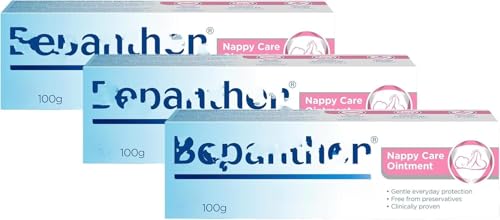
Bepanthen Nappy Care Ointment - Best for Healing Existing Sores
Bepanthen (sold in some markets as Bepanthol) is a dexpanthenol-based healing ointment originally designed for nappy rash. Its ability to repair damaged skin barriers and accelerate healing makes it ideal for applying to existing saddle sores after rides. The occlusive base protects open or irritated skin from further friction and bacterial contamination while the dexpanthenol accelerates tissue regeneration. Apply a small amount to the affected area post-ride after cleaning. It's not a riding cream - use it during recovery, not prevention. Available in pharmacies and online, it's a compact and inexpensive addition to any cycling first-aid kit.
Reasons to buy
- INTENSE SKIN HYDRATION - Enriched with Pro-Vitamin B5 to deeply moisturize and restore dry
- SUPPORTS SKIN REPAIR - Helps accelerate natural skin healing, making it ideal for minor ir
- GENTLE & SKIN-FRIENDLY FORMULA - Suitable for daily use on sensitive skin; dermatologicall
- MULTI-PURPOSE USE - Effective for dry patches, chapped skin, minor burns, sun exposure, an
- NON-GREASY & FAST ABSORBING - Lightweight cream texture absorbs quickly without leaving a
What to look for
What to consider
Prevention creams need good friction reduction that lasts the duration of your ride, a non-pilling texture, and ideally some antibacterial component. Healing creams need a skin-barrier-supporting occlusive base and ideally a regenerative active like dexpanthenol or zinc. Avoid products with harsh fragrances or alcohol in contact areas. For riders with recurrent sore problems, checking bike fit and chamois quality often makes more difference than cream alone - cream is one layer of a multi-factor solution.
Our verdict
Chamois Butt'r handles most cyclists' prevention needs at a fair price. Step up to DZ Nuts if bacterial infections are a recurring issue, and keep Bepanthen on hand for treating sores that do develop. Consistent application before every ride is what separates cyclists who never deal with saddle sores from those who do.
FAQs
Apply to your skin, not the chamois. Putting cream on the chamois can degrade the padding material over time and affects how it functions. Apply directly to the perineum, sit bones, and inner thigh areas before riding. Some riders apply a thin layer to both surfaces, but skin application is the consistent professional recommendation for both prevention and comfort.
Mild saddle sores - redness and surface irritation - typically clear in 2 to 4 days off the bike. Deeper, infected, or nodular sores can take 1 to 2 weeks or longer and may require antibiotic treatment. Riding through a developing sore almost always makes it worse. Rest, good hygiene, and a topical healing cream is the standard first approach before considering medical treatment.
Petroleum jelly reduces friction effectively and many amateur cyclists use it with good results. Purpose-made chamois creams add antibacterial agents, natural botanicals for soothing, and optimized viscosity that lasts longer on skin during a ride. For short rides under 60 minutes, petroleum jelly works fine. For long endurance rides or multi-day events, a dedicated chamois cream is noticeably more effective at preventing breakdown.
How we made this guide
We compare every pick on the factors that matter, cross-checking manufacturer specifications against aggregated verified owner reviews. We rank independently and never take payment for placement. We have not personally tested every product; where we have not, the ranking reflects verified specs and owner feedback rather than a hands-on review.
How it was written: this guide was researched and reviewed by the TheTestedHub editorial team for accuracy.
Affiliate disclosure: TheTestedHub is reader-supported. When you buy through links on our site, we may earn a commission at no extra cost to you.
Related guides

What Works Best for Eczema? 2026 Top Creams Reviewed
Dry Skin Care in 2026: Ceramide-Rich Picks for Barrier Repair

Curl Setting Sprays for Frizz Control: Ouidad Leads

Curl Creams That Define Without the Weight
Chemical Exfoliants 2026: Honest Reviews & Picks
8 Cancer Treatment Skin Care Products That Truly Soothe

Vitamin C Serums Compared: A Brightening Shortlist