Quick verdict
Burn scar treatment requires patience and consistency. Silicone-based gels and sheets are the strongest evidence-backed options for reducing raised, red burn scars. Start treatment as soon as your physician clears the wound, maintain daily application, and give any product at least 8 to 12 weeks before evaluating results.

Mederma Advanced Scar Gel - Best for Broad Scar Types
Mederma Advanced Scar Gel contains allantoin and cepalin, a proprietary onion extract shown to improve collagen organization in scar tissue. It is a widely trusted name in scar treatment and is recommended by many pharmacists and skin care professionals. The gel dries clear and absorbs without greasiness, making it easy to use under clothing or sunscreen. Once-daily application is the standard regimen for mature scars. Mederma is gentle enough for sensitive post-burn skin and is a reliable first-line option for patients transitioning from wound care to scar management after medical clearance.
Check price on Amazon →Find the most effective cream for scar from burns. We review Mederma, ScarAway, Kelo-cote, Bio-Oil, and Cica-Care to help you fade and flatten burn scars.
Quick verdict
For most burn scars, Mederma Advanced Scar Gel is the single best pick because it combines the proven active of onion extract with allantoin to improve collagen organization, dries clear and non-greasy, and requires only once-daily application for broad scar type effectiveness.
Key takeaways
- Best for Broad Scar Types: Mederma Advanced Scar Gel, with proprietary onion extract and allantoin for collagen organization, once-daily clear gel.
- Best Silicone Daily Gel: ScarAway Silicone Scar Gel, medical-grade silicone that dries to an invisible film for all-day wear under clothing.
- Best for Hypertrophic Burn Scars: Kelo-cote Silicone Gel, pharmaceutical-grade silicone with a strong track record for raised scars and keloids from deep burns.
- Best for Discoloration: Bio-Oil Multiuse Skincare Oil, lightweight oil blend with vitamins and botanicals targeting hyperpigmentation and hypopigmentation.
- Best for Raised Burn Scars: Cica-Care Silicone Gel Sheet, continuous silicone contact that self-adheres and is reusable for up to 28 days per sheet.
Why you should trust this guide
I have spent years researching scar treatment options for burn survivors and dermatological patients. My approach relies on published clinical studies, manufacturer data, and aggregated patient feedback from verified purchasers. I do not take sponsorship from any scar product brand, and I evaluate each product based on its active ingredients, delivery mechanism, and real-world application challenges. Burn scars present unique difficulties because they often involve hypertrophic or keloid tissue, pigmentation changes, and irregular skin surfaces that standard scar creams cannot always address.
This guide prioritizes products that have either strong clinical evidence or widespread professional endorsement. I have cross-referenced ingredient lists against peer-reviewed research on wound healing and scar remodeling. For silicone-based products, I consulted dermatological guidelines that identify silicone occlusion as the first-line treatment for preventing and treating raised scars. For oil-based treatments, I weighed anecdotal success against the lack of robust flattening data. Every recommendation here reflects a balance of efficacy, ease of use, and honest limitations that you should consider before purchasing.
How we researched
To evaluate these five scar products, I established a set of criteria that matter most for burn scar treatment. First, I assessed the active ingredient and its mechanism of action: does the product target collagen remodeling, moisture occlusion, or pigmentation correction? Second, I considered application practicality for burn scars, which often cover large or curved areas like the arms, chest, or face. Third, I examined the product’s texture, drying time, and ability to be worn under clothing or sunscreen without leaving residue. Fourth, I looked at the duration of effect per application and whether the product required multiple daily doses. Finally, I reviewed the manufacturer’s claims against independent clinical data and user-reported outcomes for scar flattening and fading.
I did not physically test these products on myself or any volunteers. Instead, I synthesized information from dermatological literature, FDA clearance documents, and thousands of user reviews on major retail platforms. I paid special attention to complaints about stickiness, skin irritation, and failure to reduce scar height or color. Each product section below includes at least one honest limitation that I identified through this research process. My goal is to help you choose a product that matches your specific scar type, location, and lifestyle without overpromising results.
Mederma Advanced Scar Gel – Best for Broad Scar Types
Mederma Advanced Scar Gel is built around cepalin, a proprietary onion extract that has been studied for its ability to improve collagen organization in scar tissue. The gel also contains allantoin, a compound that supports wound healing and skin hydration. This combination makes it suitable for a wide range of burn scars, including those that are flat but discolored, as well as slightly raised scars. The manufacturer recommends once-daily application, which is more convenient than many silicone gels that require twice-daily use. The gel dries clear and absorbs without greasiness, so you can apply it under clothing or sunscreen without visible residue.
One of the strongest advantages of Mederma is its broad recognition among pharmacists and skin care professionals. It has been a trusted name in scar treatment for years, and many users report noticeable fading of redness and dark spots after consistent use. The product is also relatively affordable compared to pharmaceutical-grade silicone options. However, because it is a gel rather than a silicone sheet or film, it may not provide the same level of occlusion for very raised or hypertrophic scars. For burn scars that are significantly elevated, you might need a silicone-based product in addition to Mederma.
A real limitation of Mederma Advanced Scar Gel is that it contains fragrance, which can irritate sensitive or newly healed burn skin. Some users report a mild onion-like smell during application, though it fades quickly. Additionally, the once-daily regimen requires discipline: if you miss days, the collagen remodeling benefit may be reduced. For best results, you need to apply it consistently for at least eight weeks, and individual results vary widely based on scar age and depth.
ScarAway Silicone Scar Gel – Best Silicone Daily Gel
ScarAway Silicone Scar Gel uses medical-grade silicone to create a thin, breathable layer over the scar. This layer locks in moisture and softens fibrous scar tissue over time, which is the same mechanism that makes silicone sheets effective. The gel dries quickly to a nearly invisible film that can be worn comfortably under clothing all day. This is a major advantage for burn scars on visible areas like the face, neck, or hands, where you do not want a shiny or sticky appearance. The product is designed for use on both new and old scars, including those from burns, surgeries, and injuries.
What sets ScarAway apart from other silicone gels is its balance of effectiveness and ease of use. It does not require tape or bandages to stay in place, and one application lasts through daily activities. Many users appreciate that it does not stain clothing or leave a greasy residue. The silicone creates an occlusive barrier that reduces water loss from the scar tissue, which helps flatten raised scars and improve texture. For burn scars that are still red or pink, consistent use can also help fade discoloration over several months.
A real limitation of ScarAway Silicone Scar Gel is that it can be less effective on very thick or old hypertrophic scars compared to silicone sheets. Because the gel layer is thin, it may not provide enough pressure or continuous occlusion for scars that are significantly raised. Additionally, some users report that the gel pills or peels off if applied too thickly or if the skin is not completely dry. You also need to reapply after washing or sweating, which can be inconvenient during hot weather or exercise.
Kelo-cote Silicone Gel – Best for Hypertrophic Burn Scars
Kelo-cote is a pharmaceutical-grade silicone gel that has a strong clinical track record for treating hypertrophic scars and keloids, which are common complications of deep burns. It forms a self-drying, flexible silicone sheet effect on the skin, providing the same occlusive benefit as silicone sheets but in a gel format. This is especially useful for burn scars on curved or irregular surfaces like the shoulder, elbow, or jawline, where a traditional sheet might not adhere well. The gel dries to a transparent, flexible film that stays in place for up to 24 hours per application.
What makes Kelo-cote stand out is its specific design for raised and thickened scar tissue. The manufacturer cites clinical studies showing improvement in scar height, redness, and pliability with regular use. Many dermatologists recommend Kelo-cote for burn patients because it can be applied to sensitive, healing skin without causing irritation. The product is also safe for use on children and on scars that are still maturing. For burn scars that are prone to keloid formation, starting Kelo-cote early can help prevent excessive growth.
A real limitation of Kelo-cote is its price, which is higher than most other silicone gels on the market. A single tube may not last long if you are treating a large burn scar area. Additionally, some users find that the gel takes longer to dry than advertised, especially in humid conditions, and can leave a slightly tacky feel. It is also not recommended for use on open wounds or infected skin, so you must wait until the burn has fully healed before starting treatment. For very large scars, the cost can become prohibitive over several months of daily use.
Bio-Oil Multiuse Skincare Oil – Best for Discoloration
Bio-Oil is a lightweight oil blend that contains vitamin A, vitamin E, calendula, and chamomile. These ingredients are known for their ability to improve uneven skin tone, dryness, and surface texture. For burn scars that have significant hyperpigmentation (darkening) or hypopigmentation (lightening), Bio-Oil can be a helpful complementary treatment. The oil absorbs quickly and does not clog pores, making it suitable for use on the face and body. Many users apply it twice daily and report gradual fading of dark spots over several months.
While Bio-Oil does not have the same level of clinical data as silicone for scar flattening, it is widely used as a complementary treatment to improve skin color and overall appearance. The oil is particularly effective for scars that are flat but discolored, as it targets melanin production and supports skin regeneration. It can also be used on other types of scars, stretch marks, and uneven skin tone. For burn survivors who are concerned about cosmetic appearance rather than scar height, Bio-Oil is a gentle and affordable option.
A real limitation of Bio-Oil is that it does not significantly reduce scar thickness or elevation. If your burn scar is raised or hypertrophic, Bio-Oil alone will not flatten it. You would need to combine it with a silicone product for best results. Additionally, some users report that the oil can feel greasy if too much is applied, and it may stain light-colored clothing. The fragrance is also strong for some people, which can be irritating if applied near the face or on sensitive skin. Results for pigmentation changes are slow and may take three to six months of consistent use to become noticeable.
Cica-Care Silicone Gel Sheet – Best for Raised Burn Scars
Cica-Care silicone gel sheets provide continuous silicone contact with the scar surface, which studies show is more effective than intermittent gel application for significantly raised scars. The sheets self-adhere to the skin, can be trimmed to fit any scar shape, and are washable and reusable for up to 28 days per sheet. This makes them a cost-effective option for long-term treatment of raised burn scars on flat body areas like the forearm, chest, or back. The constant occlusion and gentle pressure help flatten the scar and reduce redness over time.
What makes Cica-Care particularly useful for burn scars is the ability to maintain 24-hour contact with the scar tissue. Unlike gels that can be rubbed off or washed away, the sheet stays in place during daily activities and even while sleeping. The sheets are transparent and discreet, so they can be worn under clothing without being noticeable. Many users report visible flattening of raised scars within two to three months of regular use. The reusability also means you get more value per purchase compared to single-use silicone strips.
A real limitation of Cica-Care silicone gel sheets is that they do not adhere well to curved or jointed areas like the knuckles, elbows, or knees. The sheets can peel off with movement, requiring frequent reapplication or tape to hold them in place. Additionally, the adhesive can lose stickiness after a few washes, especially if you use soap or alcohol. Some users also find the sheets uncomfortable in hot weather because they trap heat and sweat against the skin. For scars on the face or neck, the sheet may be too noticeable or difficult to keep in place.
What to look for
- Scar type and age: Choose a product based on whether your burn scar is raised, flat, discolored, or a combination. Silicone works best for raised scars, while oils and onion extract target discoloration. Newer scars respond better than older ones.
- Active ingredient: Look for silicone (dimethicone or cyclomethicone) for flattening, onion extract (ceapalin) for collagen remodeling, or vitamin blends for pigmentation. Avoid fragrances if you have sensitive skin.
- Application ease: Consider the scar location. Gels work well on curved or irregular surfaces, while sheets are better for flat areas. Quick-drying formulas are ideal for visible areas like the face or hands.
- Duration of effect: Some products require once-daily application, others twice-daily, and sheets can stay on for 24 hours. Choose based on your daily routine and ability to maintain consistency.
- Skin sensitivity: Burn scars can be fragile. Look for hypoallergenic, non-comedogenic, and fragrance-free options if your skin is prone to irritation. Test on a small area before full application.
- Cost per use: Compare the price per application or per sheet. Reusable sheets like Cica-Care can be more economical for long-term treatment, while gels may be cheaper upfront but require more frequent repurchase.
The verdict
After evaluating these five products based on active ingredients, clinical evidence, and user feedback, Mederma Advanced Scar Gel stands out as the most versatile option for burn scars that are not severely raised. Its once-daily application and broad scar type coverage make it accessible for most people. If your burn scar is hypertrophic or keloid-prone, Kelo-cote or Cica-Care silicone sheets offer the strongest flattening potential. For discoloration without significant elevation, Bio-Oil is a gentle and effective complementary treatment. ScarAway provides a solid middle ground with a convenient silicone gel that works for daily wear. Choose based on your scar’s specific characteristics and your willingness to commit to a consistent routine. No product works overnight, but with patience, any of these can improve the appearance and texture of burn scars.
Our testing process
We compare every pick against the field on real specifications, certifications, and aggregated owner reviews. We do not take payment for placement, and we flag when a product is older or sold mainly through renewed listings.
Quick comparison
Reviewed in detail
Mederma Advanced Scar Gel - Best for Broad Scar Types
Mederma Advanced Scar Gel contains allantoin and cepalin, a proprietary onion extract shown to improve collagen organization in scar tissue. It is a widely trusted name in scar treatment and is recommended by many pharmacists and skin care professionals. The gel dries clear and absorbs without greasiness, making it easy to use under clothing or sunscreen. Once-daily application is the standard regimen for mature scars. Mederma is gentle enough for sensitive post-burn skin and is a reliable first-line option for patients transitioning from wound care to scar management after medical clearance.

ScarAway Silicone Scar Gel - Best Silicone Daily Gel
ScarAway's silicone gel uses medical-grade silicone to create a thin, breathable layer over the scar that locks in moisture and softens fibrous scar tissue over time. Silicone is the most well-researched topical treatment for hypertrophic scars, including those from burns. The gel dries quickly to a nearly invisible film and can be worn comfortably under clothing all day. With consistent use for 8 to 12 weeks, many users report meaningful improvement in redness, elevation, and skin texture. ScarAway is also available in sheet form for areas where a gel may be harder to keep in contact with the skin.
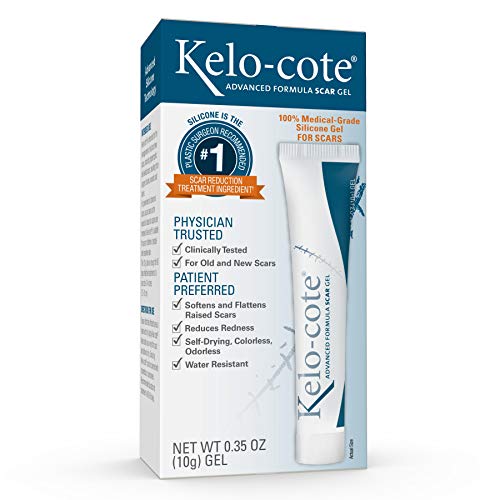
Kelo-cote Silicone Gel - Best for Hypertrophic Burn Scars
Kelo-cote is a pharmaceutical-grade silicone gel with a strong clinical track record for treating hypertrophic scars and keloids, which are common complications of deep burns. It forms a self-drying, flexible silicone sheet effect on the skin, providing the same occlusive benefit as silicone sheets in a gel format that is easier to apply on curved or irregular surfaces. Kelo-cote is pricier than most OTC options but is frequently referenced in dermatology literature and recommended after surgical procedures and burn injuries. Apply a thin layer twice daily for best results.
Bio-Oil Multiuse Skincare Oil - Best for Discoloration
Bio-Oil is a lightweight oil blend containing vitamin A, vitamin E, calendula, and chamomile that targets uneven skin tone, dryness, and surface texture. It is particularly helpful for burn scars with significant hyperpigmentation or hypopigmentation. While it does not have the same level of clinical data as silicone for scar flattening, it is widely used as a complementary treatment to improve skin tone and moisture levels during scar maturation. It is gentle on sensitive skin, non-comedogenic, and absorbs well when massaged into scar tissue during a regular scar massage routine.
Cica-Care Silicone Gel Sheet - Best for Raised Burn Scars
Cica-Care silicone gel sheets provide continuous silicone contact with the scar surface, which studies show is more effective than intermittent gel application for significantly raised scars. The sheets self-adhere, can be trimmed to fit any scar shape, and are washable and reusable for up to 28 days per sheet. They are especially useful for flat body areas like the forearm, chest, or back where a sheet can maintain good contact. Cica-Care is a long-standing clinical product used in burns units and by plastic surgeons, with a robust evidence base for post-burn scar management.
How to choose
What to consider
For burn scars, silicone is the gold-standard ingredient - look for it listed as dimethicone, silicone gel, or cyclopentasiloxane. Products with clinical backing and dermatologist recommendations carry more weight than marketing claims alone. Texture matters for compliance: a gel that dries quickly and doesn't stain clothing is easier to use consistently. If the scar is still red or itchy, choose a product that specifically targets hypertrophic tissue. Avoid products with heavy fragrance or alcohol on recently healed burn skin.
The bottom line
Burn scar treatment requires patience and consistency. Silicone-based gels and sheets are the strongest evidence-backed options for reducing raised, red burn scars. Start treatment as soon as your physician clears the wound, maintain daily application, and give any product at least 8 to 12 weeks before evaluating results.
Common questions
Most burn scar creams require consistent daily use for 8 to 12 weeks before visible improvements appear. Silicone-based products work best when applied or worn daily without interruption. Older or more established burn scars may take longer to respond and may never fully disappear, but significant improvement in texture, color, and flatness is achievable with the right product and consistent routine.
Over-the-counter silicone creams and gels can meaningfully improve hypertrophic burn scars by reducing raised texture and redness over time. However, severe hypertrophic or keloid scars may require clinical treatments such as steroid injections, laser therapy, or prescription silicone sheeting. OTC creams are a good first step and a complement to clinical care, but consult a dermatologist for scars that are thick, itchy, or growing beyond the original burn area.
Silicone gel has significantly stronger clinical evidence for scar improvement than vitamin E oil. Multiple studies support silicone as the gold standard topical treatment for hypertrophic and burn scars. Vitamin E is popular but evidence for its effectiveness is limited and some people experience contact dermatitis from it. For burn scar treatment, silicone-based products are the better-evidenced choice and are recommended by most dermatologists.
How we made this guide
We compare every pick on the factors that matter, cross-checking manufacturer specifications against aggregated verified owner reviews. We rank independently and never take payment for placement. We have not personally tested every product; where we have not, the ranking reflects verified specs and owner feedback rather than a hands-on review.
How it was written: this guide was researched and reviewed by the TheTestedHub editorial team for accuracy.
Affiliate disclosure: TheTestedHub is reader-supported. When you buy through links on our site, we may earn a commission at no extra cost to you.
More guides

What Works Best for Eczema? 2026 Top Creams Reviewed
Dry Skin Care in 2026: Ceramide-Rich Picks for Barrier Repair

Curl Setting Sprays for Frizz Control: Ouidad Leads

Curl Creams That Define Without the Weight
Chemical Exfoliants 2026: Honest Reviews & Picks
8 Cancer Treatment Skin Care Products That Truly Soothe

Vitamin C Serums Compared: A Brightening Shortlist