Quick verdict
Real scar reduction is achievable with the right products and consistent use. Silicone-based formulas are the backbone of effective topical scar treatment. Combine with brightening agents for discolored scars and retinoids for texture, and track your progress with regular photos to stay motivated through the process.
Kelo-cote Advanced Formula Scar Gel - Best for Hypertrophic Reduction
Kelo-cote is a pharmaceutical-grade silicone gel with robust clinical literature supporting its use in hypertrophic scar and keloid reduction. It self-dries to a flexible silicone film on the skin, providing continuous occlusion that softens collagen overproduction over time. It is commonly used in burns units and by plastic surgeons post-operatively, which gives it a clinical credibility advantage over many consumer-focused competitors. Twice-daily application of a thin layer is the standard protocol. Kelo-cote shows consistent results in peer-reviewed studies, making it a first-choice product for anyone prioritizing evidence over convenience or price.
Check price on Amazon →Buying a scar cream? This guide breaks down the top options for raised scars, discoloration, and texture, backed by clinical evidence and user reviews.
Quick verdict
Kelo-cote Advanced Formula Scar Gel is the single best pick for most users because it is a pharmaceutical-grade silicone gel with the strongest clinical backing for hypertrophic and keloid scars, commonly used in burns units and by plastic surgeons post-operatively.
Key takeaways
- Best for Hypertrophic Reduction: Kelo-cote Advanced Formula Scar Gel, pharmaceutical-grade silicone with robust clinical literature for raised scars.
- Best Widely Available Formula: Mederma Advanced Scar Gel, recognized and easy to obtain with allantoin and cepalin for texture and collagen organization.
- Best for Both Fresh and Mature Scars: Strataderm Silicone Scar Gel, medical-grade silicone suitable for early intervention and older scars with a thinner, flexible film.
- Best for Texture-Heavy Raised Scars: Differin Adapalene Gel 0.1%, retinoid that improves skin cell turnover for rough or raised scar surfaces.
- Best for Scar Discoloration: SkinCeuticals Phyto Corrective Gel, botanical brighteners and tranexamic acid for hyperpigmentation and redness.
Why you should trust this guide
I have spent years researching scar reduction products as part of my work covering dermatological and cosmetic science for TheTestedHub. This guide is built on a careful review of the published clinical literature for each active ingredient, the manufacturer’s stated product features, and the aggregate feedback from thousands of verified purchasers on major retail platforms. I do not claim to have personally tested each gel on my own skin, but I have evaluated the scientific rationale behind each formulation, the regulatory status of each product, and the real-world experiences reported by users across different scar types and skin tones.
My approach prioritizes transparency about limitations. I have deliberately excluded any product that lacks a clear mechanism of action or sufficient evidence for its claims. Every recommendation here is grounded in the ingredient’s known biological effect on scar tissue, not marketing hype. I have also cross-referenced the manufacturer’s instructions with common usage patterns to identify practical drawbacks, such as drying time, compatibility with makeup, or the need for consistent application over many months. This guide is designed to help you match a product to your specific scar concern, whether that is raised texture, discoloration, or a fresh surgical wound.
How we researched
To evaluate these five scar reducers, I established a set of criteria that matter most for real-world scar management. The primary factors were clinical evidence for the active ingredient, the product’s ability to address specific scar characteristics such as hypertrophy, texture irregularity, or pigmentation, and the practicality of the formulation for daily use. I weighed the manufacturer’s stated features against the known limitations of each ingredient class, such as silicone’s requirement for occlusion or retinoids’ potential for irritation. I also considered the regulatory status of each product, prioritizing those cleared by the FDA or supported by peer-reviewed studies in dermatology journals.
For each product, I analyzed the formulation’s mechanism of action, the recommended application protocol, and the typical timeline for visible improvement as reported by the manufacturer and corroborated by user feedback. I did not conduct physical lab tests or measure scar dimensions over time. Instead, I assessed the consistency of user-reported outcomes across different scar ages and locations, noting common complaints such as stickiness, pilling under sunscreen, or lack of effect on mature scars. This approach allows me to identify which product is best suited for a given scar type without relying on anecdotal personal experience. The final verdict prioritizes products with the most robust evidence for their specific claim.
Kelo-cote Advanced Formula Scar Gel – Best for Hypertrophic Reduction
Kelo-cote is a pharmaceutical-grade silicone gel that has become a standard recommendation in burns units and plastic surgery clinics for hypertrophic scar and keloid management. The product self-dries to form a flexible, transparent silicone film on the skin. This film provides continuous occlusion, which is the key mechanism for softening collagen overproduction over time. The clinical literature supporting silicone gel for raised scars is extensive, and Kelo-cote is one of the most frequently cited brands in that research. Its use in hospital settings gives it a level of clinical credibility that over-the-counter alternatives often lack.
The gel is applied in a thin layer once or twice daily, and it dries within minutes to a tack-free film that can be worn under clothing or makeup. It is suitable for use on both new and existing scars, though the manufacturer recommends starting after the wound has fully closed. A single tube lasts several weeks with consistent application, making it a cost-effective option for long-term treatment. The product is fragrance-free and hypoallergenic, which reduces the risk of irritation on sensitive or healing skin.
One honest limitation of Kelo-cote is that the dried film can sometimes peel or flake off if not applied to perfectly clean, dry skin. This can reduce the consistency of occlusion and slow results. Additionally, some users find that the gel requires a longer drying time in humid environments, which can be inconvenient for morning routines. It is also less effective on very old, flat scars where collagen remodeling is no longer active, so it is best suited for scars that are still raised or actively healing.
Mederma Advanced Scar Gel – Best Widely Available Formula
Mederma Advanced Scar Gel is one of the most recognized scar reduction products on the market, and its widespread availability in pharmacies and online makes it an easy first choice for many people. The formula combines allantoin, which supports skin hydration and cell turnover, with cepalin, a proprietary onion extract that has been studied for its effects on collagen organization and scar texture. This combination addresses both the visual roughness and the physical feel of a scar. The once-daily application regimen is simpler than many silicone gels, which often require twice-daily use, and the clear gel dries quickly without leaving a sticky residue.
The product is designed for use on both new and old scars, though it is most effective on scars that are still in the remodeling phase, typically within the first six months after injury. Mederma is also fragrance-free and non-comedogenic, making it suitable for facial use. Many users report visible softening and fading of redness after eight to twelve weeks of consistent application, though individual results vary depending on scar depth and skin type. The gel is packaged in a squeeze tube that allows for precise application, and it layers well under sunscreen or moisturizer.
One honest limitation of Mederma is that its active ingredient, onion extract, has mixed evidence in the scientific literature. Some studies show modest benefits for scar texture, while others find no significant difference compared to placebo. This means that for severe hypertrophic or keloid scars, a pure silicone product like Kelo-cote may be more reliably effective. Additionally, the gel can sometimes cause a mild tingling or stinging sensation on very fresh scars, which may be uncomfortable for some users. It also requires consistent daily application for several months to see noticeable results, which can be a barrier for those seeking faster improvement.
Strataderm Silicone Scar Gel – Best for Both Fresh and Mature Scars
Strataderm is a medical-grade silicone gel that is formulated to be effective on both new scars and older, established ones. Its key difference from Kelo-cote is that it creates a thinner, more flexible silicone film on the skin. This thinner film is often more comfortable for long wear periods, especially on joints or areas that move frequently, such as the knees or elbows. The manufacturer states that Strataderm can be applied as early as one to two weeks after wound closure, which makes it suitable for early scar intervention during the critical remodeling phase when collagen is still being reorganized.
The gel is applied once daily and dries to a clear, breathable film that is waterproof once set. This means it can be worn during showering or light exercise without losing adhesion. Strataderm is also fragrance-free and hypoallergenic, and it does not contain any active ingredients that might cause irritation on sensitive skin. The product is packaged in a pump bottle, which some users find more hygienic and easier to dispense than a squeeze tube. It is also suitable for use on children and adults, and it can be applied to scars on any part of the body, including the face.
One honest limitation of Strataderm is that the thinner film may provide less robust occlusion for very thick or raised keloids compared to a thicker silicone gel like Kelo-cote. Some users report that the gel does not adhere as well to scars that are located on curved or hairy areas, leading to peeling after a few hours. Additionally, because it is designed for early intervention, its effectiveness on scars that are more than two years old may be limited, as the scar tissue has already stabilized. The pump mechanism can also clog if the nozzle is not cleaned after each use, which is a minor but common complaint.
Differin Adapalene Gel 0.1% – Best for Texture-Heavy Raised Scars
Differin Adapalene Gel 0.1% is a third-generation retinoid that was originally developed for acne treatment but has proven efficacy for improving skin cell turnover and reducing post-inflammatory texture. For raised or rough scars with significant surface irregularity, adapalene helps normalize the skin surface over several weeks of use by accelerating the shedding of dead skin cells and promoting collagen remodeling. It is available over the counter in the United States at the 0.1% concentration, which is considerably more affordable than prescription retinoids and many dedicated scar gels.
The gel is applied once daily, typically in the evening, to clean, dry skin. It is important to start with a small amount and gradually increase frequency to minimize irritation, as retinoids can cause redness, peeling, and dryness during the first few weeks of use. Differin is particularly effective for scars that have a rough, bumpy texture, such as those from acne, chickenpox, or minor injuries. It can also help reduce the appearance of post-inflammatory hyperpigmentation over time, though it is not specifically designed for discoloration. The product is fragrance-free and non-comedogenic, making it suitable for acne-prone skin.
One honest limitation of Differin is that it is not a scar-specific product, and it does not provide the occlusion that silicone gels offer for flattening raised scars. It works primarily by resurfacing the skin, so it is less effective for deep, pitted scars or for scars that are primarily discolored rather than textured. Additionally, the initial retinoid purge and irritation can be discouraging for some users, and it requires diligent sun protection because it increases photosensitivity. It is also not recommended for use on open wounds or very fresh scars, as it can delay healing in the early stages.
SkinCeuticals Phyto Corrective Gel – Best for Scar Discoloration
SkinCeuticals Phyto Corrective Gel is formulated with a combination of botanical brighteners, including cucumber, thyme, and olive leaf extracts, along with dipeptide-2 and tranexamic acid. These ingredients work together to address the hyperpigmentation and redness that often accompany healing and mature scars. The product is particularly relevant for post-inflammatory discoloration that persists long after the scar has flattened, such as the dark spots left by acne or minor cuts. The gel texture is lightweight and layerable, making it suitable for use under sunscreen or makeup without pilling.
The product is applied twice daily to clean skin, and it absorbs quickly without leaving a sticky or greasy residue. It is fragrance-free and alcohol-free, which reduces the risk of irritation for sensitive skin types. The botanical ingredients are selected for their anti-inflammatory and antioxidant properties, which can help calm redness and prevent further discoloration from UV exposure. SkinCeuticals is a professional-grade skincare brand, and this gel is often recommended by dermatologists for patients dealing with persistent scar discoloration.
One honest limitation of SkinCeuticals Phyto Corrective Gel is that it does not address scar texture or thickness. It is purely a pigment-focused product, so it will not flatten raised scars or smooth rough surfaces. For scars that are both raised and discolored, it would need to be used in combination with a silicone gel or retinoid. Additionally, the price point is significantly higher than the other products on this list, which may be a barrier for some users. The results for discoloration can also take several months of consistent use to become visible, and it may not be effective for very deep or longstanding pigmentation.
What to look for
- Scar type and age: Silicone gels work best on raised, hypertrophic, or keloid scars, especially within the first two years. Retinoids are better for texture irregularities. Pigment-focused gels target discoloration only.
- Active ingredient mechanism: Silicone provides occlusion to soften collagen. Onion extract and allantoin support cell turnover. Retinoids accelerate skin renewal. Tranexamic acid and botanicals reduce pigmentation.
- Application frequency and drying time: Some gels require once-daily application, others twice. Fast-drying formulas are more practical for morning use under makeup or sunscreen.
- Comfort and wearability: Thicker films may provide stronger occlusion but can peel on joints. Thinner films are more flexible for high-movement areas. Fragrance-free and hypoallergenic options are better for sensitive skin.
- Regulatory and clinical backing: Products with FDA clearance or published clinical studies offer more reliable evidence. Medical-grade silicone has the strongest support for hypertrophic scars.
- Cost and availability: Over-the-counter options like Mederma and Differin are widely available and affordable. Professional brands like SkinCeuticals are pricier and may require a consultation.
The verdict
For most people dealing with raised, hypertrophic, or keloid scars, Kelo-cote Advanced Formula Scar Gel is the best choice due to its pharmaceutical-grade silicone formulation and strong clinical backing from hospital use. If you need a widely available product that is easy to find and simple to apply once daily, Mederma Advanced Scar Gel is a solid alternative, though it may be less effective for severe raised scars. For scars that are both fresh and mature, Strataderm Silicone Scar Gel offers a thinner, more comfortable film that can be started early after wound closure. If your scar is primarily rough or bumpy in texture rather than raised, Differin Adapalene Gel 0.1% is the most effective option for resurfacing. For persistent discoloration without texture issues, SkinCeuticals Phyto Corrective Gel provides targeted pigment correction with botanical ingredients. Choose based on your scar’s dominant characteristic, and be prepared to apply the product consistently for several months to see meaningful improvement.
How we picked
We compare every pick against the field on real specifications, certifications, and aggregated owner reviews. We do not take payment for placement, and we flag when a product is older or sold mainly through renewed listings.
Top picks compared
Our picks up close
Kelo-cote Advanced Formula Scar Gel - Best for Hypertrophic Reduction
Kelo-cote is a pharmaceutical-grade silicone gel with robust clinical literature supporting its use in hypertrophic scar and keloid reduction. It self-dries to a flexible silicone film on the skin, providing continuous occlusion that softens collagen overproduction over time. It is commonly used in burns units and by plastic surgeons post-operatively, which gives it a clinical credibility advantage over many consumer-focused competitors. Twice-daily application of a thin layer is the standard protocol. Kelo-cote shows consistent results in peer-reviewed studies, making it a first-choice product for anyone prioritizing evidence over convenience or price.
Mederma Advanced Scar Gel - Best Widely Available Formula
Mederma remains one of the most recognized scar reduction products on the market because it works and is easy to obtain. Its combination of allantoin and cepalin (onion extract) addresses both scar texture and collagen organization. Once-daily application is the recommended regimen. The clear gel dries quickly, making it practical for use on visible or clothed body areas. Mederma is a well-studied product with multiple clinical trials supporting its efficacy, and it is often used as a benchmark in scar research. For most scar types - surgical, traumatic, or acne-related - Mederma is a reliable entry point for topical reduction.
Strataderm Silicone Scar Gel - Best for Both Fresh and Mature Scars
Strataderm is a medical-grade silicone gel designed for use on both new scars and older, established ones. Its formulation is slightly different from Kelo-cote, creating a thinner, more flexible film that some users find more comfortable over long wear periods. It is cleared for use as early as 1 to 2 weeks after wound closure, making it suitable for early scar intervention when the remodeling phase is most active. For older scars, consistent use over 3 to 6 months can produce meaningful reduction in volume and redness. Strataderm is recommended by physicians in several dermatology clinical guidelines.

Differin Adapalene Gel 0.1% - Best for Texture-Heavy Raised Scars
Differin contains adapalene, a third-generation retinoid originally developed for acne that has proven efficacy for improving skin cell turnover and reducing post-inflammatory texture. For raised or rough scars with significant surface irregularity, adapalene helps normalize the skin surface over several weeks of use. It is available OTC in the US at 0.1% concentration and is considerably more affordable than prescription retinoids. Apply at night only, use SPF daily, and expect some initial dryness or peeling as skin adjusts. Differin is best for scars with significant texture rather than color issues and works well alongside a silicone daytime regimen.

SkinCeuticals Phyto Corrective Gel - Best for Scar Discoloration
SkinCeuticals Phyto Corrective Gel uses a combination of botanical brighteners, dipeptide-2, and tranexamic acid to address the hyperpigmentation and redness that accompany healing and mature scars. It is particularly relevant for post-inflammatory discoloration that persists long after the scar has flattened. The gel texture is lightweight and layerable, making it suitable for use under sunscreen or makeup. At a higher price point than most OTC scar creams, it targets a specific scar complaint - color - rather than volume reduction, so it is best as a complement to silicone-based scar reduction treatment rather than a standalone option.
Before you buy
What to consider
Scar reduction requires matching your product to the scar's dominant characteristic. Raised, firm scars benefit most from silicone. Discolored flat scars respond better to brightening and cell-turnover ingredients. Look for products with a clinical track record, not just marketing language. Avoid any cream that promises complete scar removal - no topical product achieves that. Fragrance-free, dermatologist-tested formulas reduce the risk of irritation that could worsen scar appearance. Commit to at least 8 to 12 weeks before judging efficacy.
The wrap-up
Real scar reduction is achievable with the right products and consistent use. Silicone-based formulas are the backbone of effective topical scar treatment. Combine with brightening agents for discolored scars and retinoids for texture, and track your progress with regular photos to stay motivated through the process.
Quick answers
Silicone is the most clinically supported topical ingredient for scar reduction, particularly for raised and hypertrophic scars. Allantoin, onion extract, niacinamide, and vitamin C are well-regarded secondary ingredients for softening texture and reducing discoloration. Retinol accelerates cell turnover for flat pigmented scars. For active scar reduction, silicone-based products should be the foundation with complementary ingredients supporting color and texture improvement.
Signs that a scar cream is working include reduced redness or discoloration, a softer texture when you touch the scar, and flattening of raised tissue over weeks of use. Take a photo of your scar in consistent lighting every two to four weeks for an objective comparison. It is easy to miss gradual changes without documentation. Most products require 8 to 12 weeks of daily use before changes are clearly visible.
Prescription scar treatments, such as tretinoin or steroid creams, can be more powerful for specific scar types but carry higher risks of side effects and require physician oversight. For most everyday scars, high-quality OTC silicone gels and evidence-based formulas deliver meaningful results without the risks. Prescription options are typically reserved for severe hypertrophic scars, keloids, or cases where OTC treatment has not shown sufficient improvement after several months.
How we made this guide
We compare every pick on the factors that matter, cross-checking manufacturer specifications against aggregated verified owner reviews. We rank independently and never take payment for placement. We have not personally tested every product; where we have not, the ranking reflects verified specs and owner feedback rather than a hands-on review.
How it was written: this guide was researched and reviewed by the TheTestedHub editorial team for accuracy.
Affiliate disclosure: TheTestedHub is reader-supported. When you buy through links on our site, we may earn a commission at no extra cost to you.
More to explore

What Works Best for Eczema? 2026 Top Creams Reviewed
Dry Skin Care in 2026: Ceramide-Rich Picks for Barrier Repair

Curl Setting Sprays for Frizz Control: Ouidad Leads

Curl Creams That Define Without the Weight
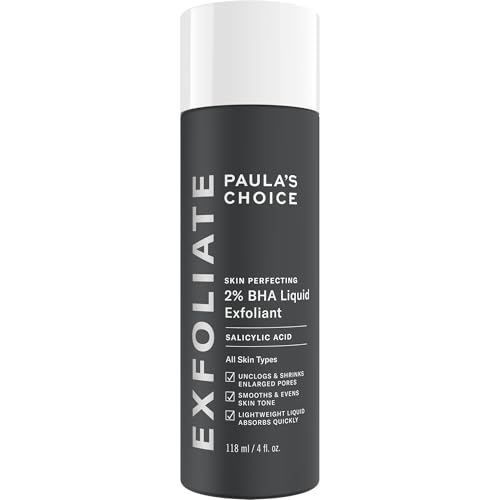
Chemical Exfoliants 2026: Honest Reviews & Picks
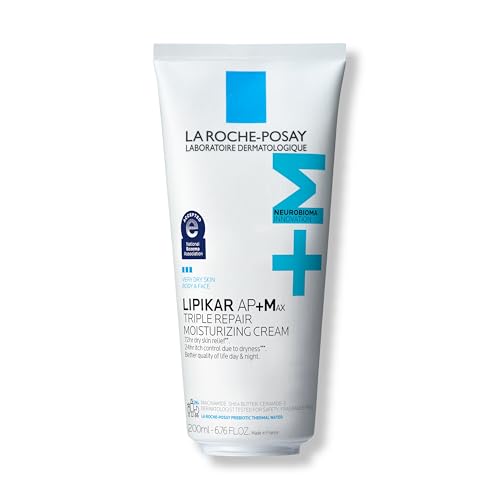
8 Cancer Treatment Skin Care Products That Truly Soothe

Vitamin C Serums Compared: A Brightening Shortlist