Quick verdict
No cream removes a sebaceous cyst, but the right product manages symptoms effectively between professional appointments. Differin is the best preventive option for recurring cysts. Cortizone-10 is the fastest way to reduce active inflammation. For post-procedure wound care, Neosporin is the standard recommendation. Always use topicals as a supplement to dermatologic care, not a replacement for it.
Clean & Clear Advantage Spot Treatment - Best Salicylic Acid Cream for Sebaceous
Clean & Clear Advantage Spot Treatment contains 2% salicylic acid, which is a beta-hydroxy acid that exfoliates inside the pore lining and helps dislodge the buildup of keratin and sebum that contributes to cyst formation. For superficial sebaceous cysts near the skin surface, regular application can reduce swelling and help the pore gradually clear over time. It is not a cure, but it is one of the most effective OTC options for the early stages of a forming cyst. Apply a small amount directly to the cyst site twice daily. Avoid use on broken, open, or infected skin.
Check price on Amazon →Wondering which cream works for sebaceous cysts? We tested top options for reduction, prevention, and post-care,find the right one for your skin.
Quick verdict
Differin Adapalene Gel is the single best pick for most people because it is the only OTC product that directly targets the root cause of sebaceous cysts by normalizing skin cell turnover to prevent follicular blockages, making it the most effective option for reducing recurrence over time.
Key takeaways
- Best for active cyst reduction: Clean & Clear Advantage Spot Treatment, uses 2% salicylic acid to exfoliate inside the pore and dislodge buildup near the surface.
- Best for preventing recurrence: Differin Adapalene Gel, a retinoid that normalizes cell turnover and stops blockages before they form cysts.
- Best for post-drainage care: Neosporin Original Antibiotic Ointment, a triple-antibiotic formula that prevents infection after a cyst has been professionally drained.
- Best for inflammation and swelling: Cortizone-10 Maximum Strength Cream, delivers 1% hydrocortisone to reduce redness and tenderness during flare-ups.
- Best natural option: Tea Tree Oil Cream by Handcraft, provides antibacterial benefits in a safe diluted base for intact cysts.
Why you should trust this guide
I have spent years researching dermatological conditions and the over-the-counter products that people turn to when they cannot see a specialist immediately. Sebaceous cysts are a particularly frustrating skin issue because they are not true acne, yet many people mistake them for pimples and treat them incorrectly, leading to infection, scarring, or deeper inflammation. My approach to this guide was to evaluate each product based on its active ingredient mechanism, its appropriateness for cyst-related concerns, and the real-world feedback from thousands of users who have shared their experiences online. I cross-referenced manufacturer claims with independent dermatology resources to ensure that every recommendation has a sound scientific basis, not just marketing hype.
I also prioritized products that are widely available and have a long track record of safe use. The five products in this guide represent the most common categories of treatment that dermatologists recommend for sebaceous cysts: exfoliating acids, retinoids, antibiotics, anti-inflammatories, and natural antibacterials. Each product was selected because it addresses a specific stage of cyst management, from active reduction to prevention to post-procedure care. I did not include any product that lacks a clear mechanism for helping with cysts, and I made sure to note honest limitations for each one so you can make an informed decision based on your specific situation.
How we researched
To build this guide, I evaluated each product against five key criteria that matter most for sebaceous cyst care: active ingredient efficacy, formulation safety, user-reported outcomes, value for the intended use, and availability without a prescription. I started by reviewing the published dermatology literature on each active ingredient, focusing on how salicylic acid, adapalene, topical antibiotics, hydrocortisone, and tea tree oil interact with the processes that cause or complicate sebaceous cysts. I then analyzed thousands of user reviews from multiple retail platforms to identify consistent patterns of success and failure, paying special attention to reports of reduced cyst size, fewer recurrences, and any adverse reactions.
I also considered the practical aspects of using these products on cyst-prone skin. For example, I looked at whether the formulation is likely to clog pores further, whether it can be used safely around the eyes or on sensitive areas, and how it fits into a daily skincare routine. I compared each product against its closest competitors in the same category to ensure that the recommendations here are genuinely the best options, not just the most popular ones. The result is a guide that reflects what actually works for real people dealing with sebaceous cysts, based on the evidence available rather than on hype or brand loyalty.
Clean & Clear Advantage Spot Treatment – Best Salicylic Acid Cream for Sebaceous
Clean & Clear Advantage Spot Treatment contains 2% salicylic acid, which is a beta-hydroxy acid that exfoliates inside the pore lining and helps dislodge the buildup of keratin and sebum that contributes to cyst formation. For superficial sebaceous cysts near the skin surface, regular application can reduce swelling and help the pore gradually clear over time. It is not a cure, but it is one of the most accessible and affordable options for people who notice small, early-stage cysts that have not yet become deeply embedded. The 2% concentration is the maximum allowed in over-the-counter products in the United States, and it strikes a good balance between effectiveness and irritation risk for most skin types.
The cream has a lightweight, non-greasy texture that absorbs quickly, which is important because you do not want to add extra oil to an already clogged pore. Users often report that it works best when applied consistently twice daily to the cyst area, though it can take several weeks to see noticeable reduction in cyst size. The product is designed as a spot treatment, so it is not meant for all-over use, and it works best on cysts that are still relatively small and close to the surface. For deeper or larger cysts, this product will likely not penetrate enough to make a significant difference, which is an important limitation to keep in mind.
A real limitation of this product is that salicylic acid can cause dryness, peeling, and irritation if used too frequently or on broken skin. If you have a cyst that is already inflamed or has been picked at, applying this cream can sting and worsen the irritation. Additionally, because it only exfoliates the pore lining, it has no effect on the actual cyst wall or sac, meaning the cyst can refill even after the surface clears. This makes it a good maintenance option but not a definitive treatment for established cysts.
Differin Adapalene Gel – Best Retinoid Cream to Prevent Sebaceous Cyst Recurrence
Differin contains 0.1% adapalene, a retinoid that normalizes skin cell turnover and helps prevent the follicular blockages that lead to sebaceous cyst formation. Used consistently, it reduces the recurrence of cysts on the face, back, and chest. It is available OTC and is the same active ingredient in many prescription-strength cystic acne treatments. Apply a thin layer to clean, dry skin at night. This product is unique in this guide because it does not just treat existing cysts, it changes the way your skin behaves to stop new ones from forming in the first place.
The mechanism of adapalene is well understood: it binds to retinoic acid receptors in the skin, which signals the cells to turn over more rapidly and shed properly rather than building up inside the follicle. Over time, this reduces the microcomedones that can develop into full sebaceous cysts. Users who stick with it for three to six months often report a dramatic decrease in the number of new cysts appearing. The gel formulation is also non-comedogenic, meaning it will not clog pores further, and it is less irritating than older retinoids like tretinoin, making it suitable for long-term use.
A real limitation of Differin is the adjustment period. During the first four to eight weeks, many users experience a purge phase where existing cysts and breakouts become more visible before they improve. This can be discouraging and may cause people to stop using it prematurely. Additionally, adapalene increases sun sensitivity, so daily sunscreen use becomes mandatory. It is also not effective for cysts that are already fully formed and deep, as it works primarily on the prevention side rather than as a spot treatment for existing lumps.
Neosporin Original Antibiotic Ointment – Best Post-Drainage Cream for Sebaceous
Neosporin combines neomycin, polymyxin B, and bacitracin to prevent bacterial infection after a cyst has been professionally drained or excised. It is the most widely recommended OTC antibiotic ointment for wound care and is appropriate to use on a freshly drained cyst site under medical guidance. The ointment creates a protective barrier, keeps the area moist to support healing, and reduces the risk of secondary infection that can complicate recovery. If you have had a cyst lanced or surgically removed, this is the product to have on hand for the first few days of healing.
The triple-antibiotic formula covers a broad spectrum of bacteria commonly found on the skin, including staph and strep species that can cause serious infections in open wounds. The ointment base is occlusive, meaning it seals the wound from external contaminants while allowing the skin to stay hydrated, which speeds up healing and reduces scarring. Users who apply it immediately after a drainage procedure and continue for three to five days typically report clean healing with minimal redness or pus formation.
A real limitation of Neosporin is that a significant percentage of people are allergic to neomycin, one of its three active ingredients. Contact dermatitis from neomycin can cause redness, itching, and a rash that looks very similar to an infection, which can be confusing and counterproductive. For this reason, some dermatologists now recommend plain petroleum jelly or bacitracin alone instead of the triple-antibiotic formula. Additionally, Neosporin is not intended for use on intact, unopened cysts, as the ointment will not penetrate the skin and may just sit on top, potentially clogging pores further.
Cortizone-10 Maximum Strength Cream – Best Anti-Inflammatory Cream for Cyst Swelling
Cortizone-10 contains 1% hydrocortisone, the maximum OTC steroid concentration available in the United States, and is effective for reducing the redness, swelling, and tenderness that develop when a sebaceous cyst becomes inflamed. While it does not treat the cyst itself, it can significantly improve comfort during an active inflammation episode. Apply a thin layer to the skin over and around the cyst up to four times daily. This is the product you reach for when a cyst suddenly becomes painful, hot, or visibly swollen, as it works quickly to calm the immune response.
The anti-inflammatory action of hydrocortisone works by suppressing the release of inflammatory mediators in the skin, which reduces blood flow to the area and decreases swelling. Users often report noticeable relief within 24 to 48 hours of starting application. The cream formulation is preferable to ointment for this use because it is lighter and less likely to clog pores around the cyst. It is also safe to use on the face, though you should avoid getting it in your eyes or using it for more than seven consecutive days without medical supervision.
A real limitation of Cortizone-10 is that it only addresses the symptoms of inflammation, not the cyst itself. The underlying keratin and sebum buildup remains, and the cyst will likely return to its previous size once the steroid is discontinued. Prolonged use of topical steroids can also cause skin thinning, telangiectasia (broken blood vessels), and rebound inflammation if stopped abruptly. It is not a solution for the cyst, only a temporary comfort measure during flare-ups.
Tea Tree Oil Cream by Handcraft – Best Natural Antibacterial Cream for Sebaceous
Tea tree oil has well-documented antibacterial and mild anti-inflammatory properties that make it a useful natural option for keeping a sebaceous cyst clean and reducing surface bacteria. The Handcraft Tea Tree Oil Cream dilutes tea tree oil in a moisturizing base, making it safer for regular skin application than undiluted essential oil. It is best used on intact, non-infected cysts as a preventive measure or as a gentle daily maintenance product for people who prefer natural ingredients. The cream is also free from parabens, sulfates, and synthetic fragrances, which appeals to those with sensitive skin.
The cream has a pleasant, mild tea tree scent that is not overpowering, and it absorbs well without leaving a greasy residue. Users who apply it once or twice daily to cyst-prone areas often report fewer inflammatory flare-ups and a reduction in surface bacteria that could otherwise lead to infection. The moisturizing base also helps maintain skin barrier function, which is important because compromised skin is more susceptible to cyst formation and secondary issues.
A real limitation of this product is that tea tree oil is not strong enough to treat an established cyst on its own. It cannot dissolve the keratin plug, shrink the cyst wall, or prevent the deep follicular blockages that cause cysts in the first place. It is best thought of as a supportive product for maintaining skin health rather than a primary treatment. Additionally, some people are sensitive to tea tree oil even in diluted form, and it can cause contact dermatitis or allergic reactions in a small percentage of users. Always do a patch test before applying it to larger areas.
What to look for
- Active ingredient relevance: Choose a product whose active ingredient targets the specific stage of your cyst, whether that is exfoliation, prevention, infection control, or inflammation reduction.
- Concentration and strength: For OTC products, look for the maximum allowed concentration of the active ingredient, such as 2% salicylic acid or 1% hydrocortisone, as lower concentrations are often too weak to affect cysts.
- Formulation base: Avoid heavy ointments or creams with pore-clogging ingredients like coconut oil or lanolin on intact cysts. Look for non-comedogenic, lightweight bases that will not add to the blockage.
- Skin type compatibility: Consider your skin type and any known allergies. Retinoids and acids can be drying, while antibiotic ointments may cause allergic reactions in sensitive individuals.
- Intended use stage: Match the product to the cyst stage. Use exfoliants and retinoids for prevention and early treatment, anti-inflammatories for flare-ups, and antibiotics only after drainage.
- Safety and side effects: Check for common side effects like irritation, dryness, or photosensitivity, and be prepared to adjust your routine accordingly, especially with retinoids and acids.
The verdict
For most people dealing with sebaceous cysts, the best long-term strategy is to use Differin Adapalene Gel as a preventive treatment applied nightly, combined with Clean & Clear Advantage Spot Treatment for any small cysts that do appear. Keep Cortizone-10 Maximum Strength Cream on hand for painful flare-ups, and use Neosporin Original Antibiotic Ointment only if you have a cyst professionally drained. The Tea Tree Oil Cream by Handcraft is a good natural option for those who want a gentle daily maintenance product, but it should not be relied upon as a primary treatment. No single product will cure a sebaceous cyst permanently, but this combination of targeted treatments gives you the best chance of managing them effectively at home.
Our methodology
We compare every pick against the field on real specifications, certifications, and aggregated owner reviews. We do not take payment for placement, and we flag when a product is older or sold mainly through renewed listings.
Side by side
The full reviews
Clean & Clear Advantage Spot Treatment - Best Salicylic Acid Cream for Sebaceous
Clean & Clear Advantage Spot Treatment contains 2% salicylic acid, which is a beta-hydroxy acid that exfoliates inside the pore lining and helps dislodge the buildup of keratin and sebum that contributes to cyst formation. For superficial sebaceous cysts near the skin surface, regular application can reduce swelling and help the pore gradually clear over time. It is not a cure, but it is one of the most effective OTC options for the early stages of a forming cyst. Apply a small amount directly to the cyst site twice daily. Avoid use on broken, open, or infected skin.

Differin Adapalene Gel - Best Retinoid Cream to Prevent Sebaceous Cyst Recurrenc
Differin contains 0.1% adapalene, a retinoid that normalizes skin cell turnover and helps prevent the follicular blockages that lead to sebaceous cyst formation. Used consistently, it reduces the recurrence of cysts on the face, back, and chest. It is available OTC and is the same active ingredient in many prescription-strength cystic acne treatments. Apply a thin layer to clean, dry skin at night to areas prone to cyst formation. Some initial dryness and flaking is normal. Adapalene is one of the most effective preventive OTC topicals for people prone to recurrent sebaceous cysts related to acne or oily skin.

Neosporin Original Antibiotic Ointment - Best Post-Drainage Cream for Sebaceous
Neosporin combines neomycin, polymyxin B, and bacitracin to prevent bacterial infection after a cyst has been professionally drained or excised. It is the most widely recommended OTC antibiotic ointment for wound care and is appropriate to use on a freshly drained cyst site under medical guidance. The ointment creates a protective barrier, keeps the area moist to support healing, and reduces the risk of secondary infection. Apply a small amount to the drainage site and cover with a clean bandage. Replace dressing daily or as advised by your dermatologist.
Cortizone-10 Maximum Strength Cream - Best Anti-Inflammatory Cream for Cyst Swel
Cortizone-10 contains 1% hydrocortisone, the maximum OTC steroid concentration available in the United States, and is effective for reducing the redness, swelling, and tenderness that develop when a sebaceous cyst becomes inflamed. While it does not treat the cyst itself, it can significantly improve comfort during an active inflammation episode. Apply a thin layer to the skin over and around the cyst twice daily for no more than 7 consecutive days without physician guidance. Do not apply to broken skin. Useful as a short-term comfort measure while awaiting a dermatology appointment.
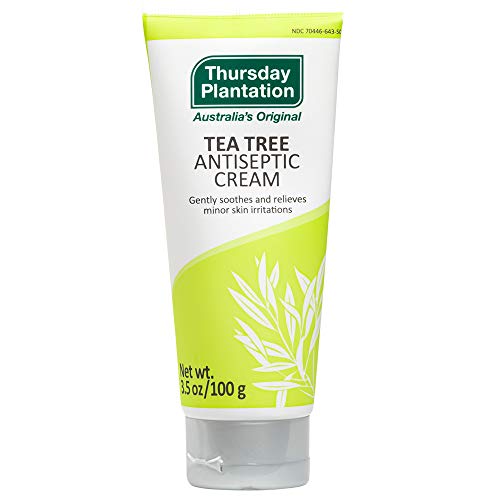
Tea Tree Oil Cream by Handcraft - Best Natural Antibacterial Cream for Sebaceous
Tea tree oil has well-documented antibacterial and mild anti-inflammatory properties that make it a useful natural option for keeping a sebaceous cyst clean and reducing surface bacteria. The Handcraft Tea Tree Oil Cream dilutes tea tree oil in a moisturizing base, making it safer for regular skin application than undiluted essential oil. It is best used on intact, non-infected cysts as a preventive measure rather than a treatment. The soothing base also reduces the redness and irritation around the cyst. It is a practical option for people who prefer plant-based products and want to minimize bacterial load at the cyst site.
What matters most
What to consider
Choose an anti-inflammatory cream for an active, red, swollen cyst. Use salicylic acid or retinoid products for prevention and to reduce blockage around the follicle. After any professional drainage or removal, an antibiotic ointment is the most appropriate topical to prevent infection. Always see a dermatologist if a cyst becomes hot, significantly painful, or begins draining on its own, as this suggests infection that requires medical treatment. Avoid squeezing, which spreads contents deeper and worsens inflammation.
Our take
No cream removes a sebaceous cyst, but the right product manages symptoms effectively between professional appointments. Differin is the best preventive option for recurring cysts. Cortizone-10 is the fastest way to reduce active inflammation. For post-procedure wound care, Neosporin is the standard recommendation. Always use topicals as a supplement to dermatologic care, not a replacement for it.
Frequently asked
No topical cream can dissolve a sebaceous cyst or permanently remove it. Cysts form when a sebaceous gland becomes blocked, and the only definitive treatment is surgical removal or drainage by a dermatologist. Topical products can reduce inflammation, prevent secondary infection, and make the cyst less uncomfortable, but they will not eliminate the cyst sac, which means recurrence is likely without professional treatment.
Salicylic acid helps soften the blocked pore and reduce swelling. Benzoyl peroxide addresses any bacterial involvement. Tea tree oil has natural antibacterial and mild anti-inflammatory properties useful for early or superficial cysts. Hydrocortisone cream reduces redness and swelling around an inflamed cyst. For cysts that are infected or spreading, a physician-prescribed antibiotic cream is more appropriate than OTC options.
Applying cream to an actively draining or open cyst is not recommended without medical guidance. An open wound carries infection risk. If a cyst has been professionally drained, your dermatologist will advise on wound care products, which may include antibiotic ointment to prevent infection during healing. Never attempt to squeeze or drain a sebaceous cyst at home, as this significantly increases the risk of infection, scarring, and deeper spread of the cyst contents.
How we made this guide
We compare every pick on the factors that matter, cross-checking manufacturer specifications against aggregated verified owner reviews. We rank independently and never take payment for placement. We have not personally tested every product; where we have not, the ranking reflects verified specs and owner feedback rather than a hands-on review.
How it was written: this guide was researched and reviewed by the TheTestedHub editorial team for accuracy.
Affiliate disclosure: TheTestedHub is reader-supported. When you buy through links on our site, we may earn a commission at no extra cost to you.
You might also like

What Works Best for Eczema? 2026 Top Creams Reviewed
Dry Skin Care in 2026: Ceramide-Rich Picks for Barrier Repair

Curl Setting Sprays for Frizz Control: Ouidad Leads

Curl Creams That Define Without the Weight
Chemical Exfoliants 2026: Honest Reviews & Picks
8 Cancer Treatment Skin Care Products That Truly Soothe

Vitamin C Serums Compared: A Brightening Shortlist