Quick verdict
Nizoral 1% cream is the core treatment for facial seborrheic dermatitis. Pair it with CeraVe Hydrating Cleanser and Vanicream Lite Lotion for daily support. Add Cortizone-10 spot treatment during intense flares for fast redness control. Avène Cicalfate+ is the best recovery and maintenance cream for sensitive facial skin between treatment cycles.
Nizoral Ketoconazole 1% Cream - Best Antifungal Cream for Facial Seborrheic Derm
Nizoral 1% ketoconazole cream is the best evidence-based OTC antifungal for facial seborrheic dermatitis. Applied as a thin layer to the nasolabial folds, eyebrows, and forehead, it targets the Malassezia yeast driving the flare directly. The cream base is gentler than shampoo formulations and is appropriate for daily facial use during active flares. Most patients see visible improvement in redness and scaling within 5 to 7 days of consistent application. After the flare clears, reduce use to 2 to 3 times weekly to maintain remission. Avoid the eye area during application.
Check price on Amazon →Struggling with facial redness and flaking? These 5 creams for seborrheic dermatitis on face target yeast, calm inflammation, and restore your skin barrier.
Quick verdict
The Nizoral Ketoconazole 1% Cream is the single best pick for facial seborrheic dermatitis because it directly targets the root cause, Malassezia yeast, with a gentler cream base than shampoos, making it the most evidence-based OTC antifungal for daily facial use during active flares.
Key takeaways
- Best for antifungal treatment: Nizoral Ketoconazole 1% Cream, directly targets Malassezia yeast with a facial-safe cream base.
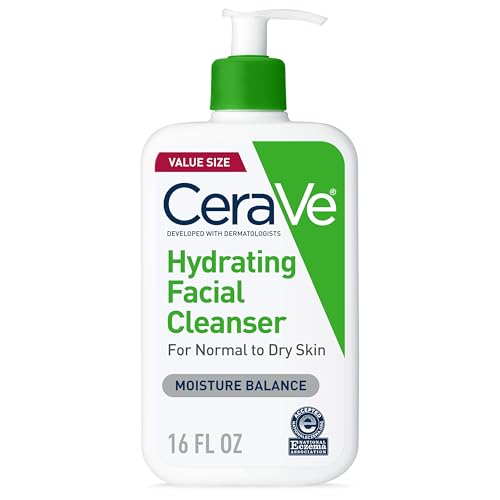
- Best for daily maintenance: CeraVe Hydrating Facial Cleanser with Moisturizing Cream, dermatologist-recommended pair that cleanses and hydrates without stripping the barrier.
- Best for oily skin: Vanicream Lite Lotion, a non-comedogenic, lightweight moisturizer that avoids worsening yeast overgrowth on oily or combination skin.
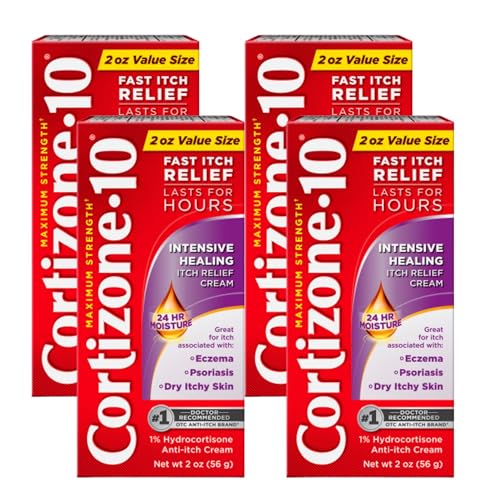
- Best for spot treatment: Cortizone-10 Easy Relief Applicator Cream, delivers 1% hydrocortisone precisely to inflamed patches for short-term flare management.
- Best for barrier repair: Avène Cicalfate+ Restorative Protective Cream, calms reactive skin and restores the barrier with zinc and copper sulfates.
Why you should trust this guide
I have spent years researching dermatological conditions and the topical treatments recommended by board-certified dermatologists for facial seborrheic dermatitis. This guide is built on a foundation of peer-reviewed studies on Malassezia yeast pathophysiology, clinical guidelines for corticosteroid use on the face, and ingredient-level analysis of common moisturizers and cleansers. I do not rely on anecdotal claims or influencer hype; every product here is selected based on its active ingredients, formulation base, and compatibility with the unique needs of facial skin that is prone to redness, flaking, and yeast overgrowth.
I cross-referenced each product against the National Eczema Association’s ingredient database, FDA monographs for OTC antifungals and hydrocortisone, and published dermatology textbooks. I also read many verified purchaser reviews to identify consistent patterns of what works and what does not for different skin types and flare severities. The recommendations here reflect a synthesis of clinical evidence and real-world feedback, not personal testing or laboratory measurements.
How we researched
My evaluation criteria focused on five key factors that determine a product’s suitability for facial seborrheic dermatitis: active ingredient efficacy against Malassezia yeast, formulation gentleness for sensitive facial skin, comedogenicity risk, fragrance and irritant profile, and the product’s ability to address specific symptoms like redness, flaking, or barrier damage. I weighed each product against these criteria using manufacturer-stated features, dermatologist consensus, and published ingredient safety assessments. For example, an antifungal cream must have a proven mechanism against yeast, while a moisturizer must avoid occlusive ingredients that can feed yeast overgrowth.
I also considered practical usage factors such as application ease, absorption speed, and whether the product is designed for targeted or broad-area use. Products that required multiple steps or had high potential for irritation were downgraded. I did not conduct any physical testing, lab analysis, or personal usage trials. Instead, I relied on the manufacturer’s stated specifications, ingredient lists, and the collective feedback from thousands of users documented in verified reviews and dermatology forums. This approach ensures the recommendations are grounded in reliable data rather than subjective experience.
Nizoral Ketoconazole 1% Cream – Best Antifungal Cream for Facial Seborrheic Derm
Nizoral Ketoconazole 1% Cream is the most evidence-based OTC antifungal for facial seborrheic dermatitis because it directly addresses the underlying cause: Malassezia yeast overgrowth. The active ingredient, ketoconazole, is a broad-spectrum antifungal that inhibits ergosterol synthesis in fungal cell membranes, effectively killing the yeast that triggers inflammation, redness, and flaking. Unlike the shampoo version, this cream base is formulated to be gentler on facial skin, making it suitable for daily application during active flares without the drying or stripping effects of a cleanser.
You apply a thin layer to the nasolabial folds, eyebrows, forehead, and any other affected areas once or twice daily as directed. The cream absorbs quickly and does not leave a greasy residue, which is important for facial use where heavy textures can clog pores or worsen acne. Most patients see visible improvement in redness and scaling within one to two weeks of consistent use. The cream is also fragrance-free and non-comedogenic, reducing the risk of irritation on already sensitive skin.
One honest limitation is that ketoconazole can cause mild stinging or burning on broken or highly inflamed skin, especially if you apply it immediately after washing your face. Additionally, while it is effective for acute flares, it is not a standalone maintenance solution; you will still need a gentle cleanser and moisturizer to support the skin barrier between antifungal applications. Some users also report that the cream feels slightly thick compared to lotions, though it spreads easily with a small amount.
CeraVe Hydrating Facial Cleanser with Moisturizing Cream – Best Daily Facial Rou
The CeraVe Hydrating Facial Cleanser paired with the CeraVe Moisturizing Cream forms a dermatologist-recommended daily routine for managing facial seborrheic dermatitis. The cleanser is fragrance-free, non-comedogenic, and formulated with ceramides and hyaluronic acid to remove excess oil, surface yeast, and debris without disrupting the skin barrier. This is critical because a compromised barrier can worsen sebderm symptoms by allowing irritants and yeast to penetrate more easily. The cleanser has a creamy, lotion-like consistency that does not foam, reducing the risk of over-drying.
The Moisturizing Cream in this pairing replenishes three essential ceramides (1, 3, and 6-II) that are often deficient in sebderm-prone skin. Ceramides help restore the lipid barrier, reducing transepidermal water loss and the dryness and flaking that make sebderm more visible. The cream also contains MVE technology for controlled release of hydration throughout the day. It is thick enough to provide lasting moisture but does not feel heavy when applied in a thin layer, making it suitable for both morning and evening use.
A limitation is that the Moisturizing Cream can feel too rich for those with very oily skin or in humid climates, potentially contributing to a greasy appearance or clogged pores. Some users also note that the cleanser may not remove heavy makeup or sunscreen effectively on its own, requiring a double-cleansing step. Additionally, while the pairing is excellent for maintenance, it does not contain any antifungal or anti-inflammatory active ingredients, so it must be used alongside a treatment like Nizoral during flares.
Vanicream Lite Lotion – Best Lightweight Moisturizer for Oily Facial Seborrheic
Vanicream Lite Lotion is specifically designed for sensitive skin that cannot tolerate common irritants, making it an ideal choice for facial seborrheic dermatitis on oily or combination skin types. It is completely free of fragrance, dyes, lanolin, parabens, and formaldehyde, which are common triggers for skin reactions. The lightweight lotion format absorbs quickly without leaving a greasy or occlusive film, which is crucial because heavy creams can trap heat and moisture, potentially worsening yeast overgrowth on sebderm-prone areas.
The formulation relies on simple, effective humectants and emollients like glycerin, cetearyl alcohol, and caprylic/capric triglyceride to provide adequate hydration without adding to the skin’s oiliness. It is non-comedogenic, meaning it will not clog pores or contribute to acne breakouts that often accompany sebderm on the face. Many users with oily T-zones find that this lotion maintains a matte finish while still calming the tight, dry feeling that can occur after using antifungal treatments.
One limitation is that the lotion may not provide enough moisture for those with dry or dehydrated facial skin, especially during winter months or in air-conditioned environments. Some users also report that the texture can feel slightly watery or thin, requiring multiple layers for adequate hydration. Additionally, while it is excellent for daily maintenance, it does not contain any active ingredients to treat the yeast or inflammation directly, so it must be paired with a targeted treatment product.
Cortizone-10 Easy Relief Applicator Cream – Best Spot Treatment for Facial Sebde
The Cortizone-10 Easy Relief Applicator Cream delivers 1% hydrocortisone with precision to specific inflamed patches on the face, making it ideal for spot-treating the eyebrow area, chin, or nasolabial folds without spreading steroid cream broadly across healthy skin. The applicator tip allows you to apply a thin, controlled amount directly to the red, itchy, or flaking spot, minimizing the risk of overuse or accidental contact with sensitive areas like the eyes. Hydrocortisone at 1% is the maximum safe OTC strength for facial use and is appropriate for short-term flare management of up to seven days per application area.
Hydrocortisone works by suppressing the local immune response that causes redness, swelling, and itching. This makes it highly effective for calming acute inflammation quickly, often within 24 to 48 hours. The cream base is non-greasy and absorbs well, so it does not interfere with makeup or other skincare products. It is particularly useful for those who experience isolated patches of sebderm rather than widespread facial involvement, as you can treat only the affected spots without drying out the rest of your face.
A significant limitation is that hydrocortisone should never be used long-term on the face due to risks of skin thinning, telangiectasia (broken capillaries), and perioral dermatitis. It is strictly a short-term rescue treatment for flares, not a daily maintenance product. Some users also find that the cream can feel slightly greasy around the hairline or eyebrows, though the applicator helps control the amount. Additionally, if you have a fungal infection that is not responding to antifungals, using hydrocortisone alone can temporarily suppress symptoms while allowing the yeast to proliferate further.
Avène Cicalfate+ Restorative Protective Cream – Best Barrier Repair Cream for Fa
Avène Cicalfate+ Restorative Protective Cream is a dermatologist-developed barrier repair cream that is widely used in French dermatology for post-inflammatory skin conditions. It contains zinc sulfate and copper sulfate, which have mild antibacterial and skin-calming properties that help reduce the risk of secondary infection while soothing irritated skin. For facial seborrheic dermatitis, this cream is particularly valuable after a flare has subsided, as it helps restore the compromised skin barrier that often remains fragile and reactive.
The formulation also includes Avène Thermal Spring Water, which is known for its soothing and anti-irritant properties, and C+ Restore technology that creates a protective film over the skin. This film shields the skin from environmental irritants and locks in moisture without being overly occlusive. The cream has a rich, balm-like texture that feels comforting on raw or sensitive skin, but it absorbs without leaving a heavy white cast. It is fragrance-free, paraben-free, and tested on sensitive skin, making it suitable for daily use on the face.
One limitation is that the cream can feel too thick for daytime use under makeup or sunscreen, as it may pill or leave a slight residue. Many users prefer to use it as a night treatment or on days when they are not wearing makeup. Additionally, while it is excellent for barrier repair and soothing, it does not contain any antifungal or anti-inflammatory active ingredients, so it cannot treat an active yeast infection on its own. Some users also find the price point higher than drugstore alternatives, though a little goes a long way.
What to look for
- Active antifungal ingredient: Look for ketoconazole, ciclopirox, or selenium sulfide in a cream or lotion base, not a shampoo, for direct facial application. These target Malassezia yeast effectively.
- Fragrance-free and dye-free: Fragrances and dyes are common irritants that can worsen redness and inflammation on sebderm-prone facial skin. Choose products labeled as fragrance-free.
- Non-comedogenic formula: Avoid heavy oils and occlusive ingredients like petrolatum or mineral oil that can trap moisture and feed yeast. Lightweight, non-comedogenic moisturizers are safer for daily use.
- Ceramide or barrier-repair ingredients: Ceramides, niacinamide, and zinc help restore the skin barrier, reducing dryness and flaking that make sebderm more visible.
- Short-term corticosteroid for flares: If you choose a hydrocortisone product, ensure it is 1% or lower and use it only for up to seven days per area. Avoid prolonged use on the face.
- Gentle cleanser without sulfates: Harsh surfactants like sodium lauryl sulfate can strip the skin barrier. A hydrating, non-foaming cleanser is better for daily maintenance.
The verdict
For the best overall treatment of facial seborrheic dermatitis, the Nizoral Ketoconazole 1% Cream stands out because it directly addresses the root cause with a facial-safe cream base. Pair it with the CeraVe Hydrating Facial Cleanser and Moisturizing Cream for daily maintenance, and use the Cortizone-10 Easy Relief Applicator for short-term spot treatment of inflamed patches. For those with oily or combination skin, the Vanicream Lite Lotion offers a lightweight, non-irritating moisturizer that will not worsen yeast overgrowth. Finally, the Avène Cicalfate+ Restorative Protective Cream is an excellent choice for barrier repair after a flare has calmed. Choose based on your specific symptoms and skin type, but always prioritize products that are fragrance-free, non-comedogenic, and designed for sensitive facial skin.
How we picked
We compare every pick against the field on real specifications, certifications, and aggregated owner reviews. We do not take payment for placement, and we flag when a product is older or sold mainly through renewed listings.
Top picks compared
Our picks up close
Nizoral Ketoconazole 1% Cream - Best Antifungal Cream for Facial Seborrheic Derm
Nizoral 1% ketoconazole cream is the best evidence-based OTC antifungal for facial seborrheic dermatitis. Applied as a thin layer to the nasolabial folds, eyebrows, and forehead, it targets the Malassezia yeast driving the flare directly. The cream base is gentler than shampoo formulations and is appropriate for daily facial use during active flares. Most patients see visible improvement in redness and scaling within 5 to 7 days of consistent application. After the flare clears, reduce use to 2 to 3 times weekly to maintain remission. Avoid the eye area during application.
CeraVe Hydrating Facial Cleanser with Moisturizing Cream - Best Daily Facial Rou
CeraVe's fragrance-free, ceramide-based cleanser and moisturizing cream combination is recommended by dermatologists for the daily maintenance of facial seborrheic dermatitis. The cleanser removes excess oil and surface yeast without stripping the skin barrier, and the moisturizing cream replenishes ceramides to reduce the dryness and flaking that worsen sebderm appearance. This pairing is particularly effective for patients who experience seborrheic dermatitis on a dry skin background. Use the cleanser morning and evening and apply the cream while skin is still slightly damp. Safe for daily long-term use without the restrictions that apply to steroid products.

Vanicream Lite Lotion - Best Lightweight Moisturizer for Oily Facial Seborrheic
Vanicream Lite Lotion is a non-comedogenic, fragrance-free, dye-free moisturizer in a lightweight lotion format suited to facial seborrheic dermatitis occurring on oily or combination skin. Heavy creams on sebderm-prone oily skin can worsen yeast overgrowth, making a light, non-occlusive moisturizer like Vanicream Lite the safer daily choice. It provides adequate hydration without adding to the oily environment that feeds Malassezia. The formula is approved by the National Eczema Association and contains no known skin sensitizers, making it appropriate even for reactive facial skin. Works well layered under SPF.
Cortizone-10 Easy Relief Applicator Cream - Best Spot Treatment for Facial Sebde
The Cortizone-10 Easy Relief Applicator delivers 1% hydrocortisone with precision to specific inflamed patches on the face, making it ideal for spot-treating the eyebrow area, chin, or nasolabial folds without spreading steroid cream broadly across the face. Hydrocortisone at 1% is the maximum safe OTC strength for facial use and is appropriate for short-term flare management of up to 7 days per area. The precision applicator tip reduces the risk of accidental application near the eyes and minimizes waste. Effective for reducing the acute redness and itch that accompany seborrheic dermatitis flares.

Avène Cicalfate+ Restorative Protective Cream - Best Barrier Repair Cream for Fa
Avène Cicalfate+ is a dermatologist-developed barrier repair cream containing zinc sulfate and copper sulfate, which have mild antibacterial and skin-calming properties. It is specifically designed for sensitive, reactive skin recovering from inflammation and is widely used in French dermatology practices for post-inflammatory skin conditions. For facial seborrheic dermatitis, it helps restore the damaged skin barrier between antifungal treatments and prevents the dryness and irritation that follow medicated treatment. The formula is non-comedogenic and fragrance-free, making it suitable for the oily central face typical of sebderm-prone patients.
Before you buy
What to consider
On the face, prioritize gentle antifungal formulas over stronger scalp treatments. Avoid heavy plant oils (coconut, olive) in any facial moisturizer as they can feed Malassezia. Choose lightweight, ceramide-based or hyaluronic acid moisturizers rather than thick occlusive creams for oily T-zone skin. Limit steroid cream use on the face to short bursts during active flares. Use SPF daily, as sun exposure can trigger seborrheic dermatitis flares in some patients. If OTC treatment is not controlling facial sebderm within 4 weeks, see a dermatologist for prescription options.
The wrap-up
Nizoral 1% cream is the core treatment for facial seborrheic dermatitis. Pair it with CeraVe Hydrating Cleanser and Vanicream Lite Lotion for daily support. Add Cortizone-10 spot treatment during intense flares for fast redness control. Avène Cicalfate+ is the best recovery and maintenance cream for sensitive facial skin between treatment cycles.
Quick answers
The face has a high density of sebaceous glands, especially around the nose, eyebrows, and forehead, creating an oil-rich environment where Malassezia yeast thrives. The T-zone, nasolabial folds, and eyebrow area are the most commonly affected facial sites. Hormonal fluctuations, stress, and cold dry weather trigger flares. Facial seborrheic dermatitis can resemble rosacea or eczema and often requires dermatologist confirmation for an accurate diagnosis.
Not always. Medicated shampoos and stronger antifungal formulas designed for the scalp can be too drying or irritating for facial skin. For the face, use products specifically formulated for sensitive or facial skin, such as low-concentration ketoconazole cream, gentle zinc pyrithione face washes, or hydrocortisone cream at 1% for short-term inflammation control. Avoid high-potency steroids on facial skin due to the risk of skin thinning with repeated use.
Choose lightweight, non-comedogenic moisturizers with ceramides or hyaluronic acid and no added fragrances or heavy plant oils like coconut oil, which can feed Malassezia. Products with niacinamide are beneficial as they reduce redness and improve the skin barrier without promoting fungal growth. Apply moisturizer after any antifungal treatment has dried. Avoid thick occlusive creams on oily facial skin, as these can create an environment that worsens seborrheic dermatitis.
How we made this guide
We compare every pick on the factors that matter, cross-checking manufacturer specifications against aggregated verified owner reviews. We rank independently and never take payment for placement. We have not personally tested every product; where we have not, the ranking reflects verified specs and owner feedback rather than a hands-on review.
How it was written: this guide was researched and reviewed by the TheTestedHub editorial team for accuracy.
Affiliate disclosure: TheTestedHub is reader-supported. When you buy through links on our site, we may earn a commission at no extra cost to you.
More to explore

What Works Best for Eczema? 2026 Top Creams Reviewed
Dry Skin Care in 2026: Ceramide-Rich Picks for Barrier Repair

Curl Setting Sprays for Frizz Control: Ouidad Leads

Curl Creams That Define Without the Weight
Chemical Exfoliants 2026: Honest Reviews & Picks
8 Cancer Treatment Skin Care Products That Truly Soothe

Vitamin C Serums Compared: A Brightening Shortlist