Quick verdict
Skin abrasions heal fastest when kept clean, moist, and protected from infection for the first week, then transitioned to a scar prevention product as the wound closes. The five products above form a complete abrasion care kit - antibiotic cover for the first days, Aquaphor for moist healing, and Mederma for the final scar prevention phase. This sequence gives most abrasions the best chance of healing without permane
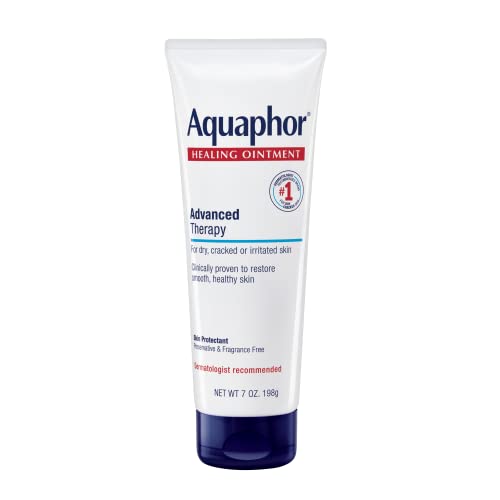
Aquaphor Healing Ointment - Best Overall Cream for Skin Abrasions
Aquaphor is the most universally recommended wound care ointment by dermatologists and emergency physicians for skin abrasions because it creates an optimal moist healing environment without causing maceration or excessive occlusion. Its 41% petrolatum base is supplemented with mineral oil, lanolin alcohol, and glycerin that collectively maintain tissue hydration at the wound surface while allowing oxygen exchange. Studies comparing moist wound dressings consistently show faster re-epithelialization and less scarring than dry management. Apply a thin layer twice daily under a non-stick dressing. It has no antimicrobial properties, so pair with an antibiotic product for contaminated wounds.
Check price on Amazon →Aquaphor Healing Ointment tops our list for moist wound healing. Compare 5 creams for skin abrasion based on infection prevention, scar reduction, and budget.
Quick verdict
Aquaphor Healing Ointment is the best overall cream for skin abrasions because it creates the optimal moist healing environment recommended by dermatologists and emergency physicians, without the infection risk or allergy concerns of antibiotic alternatives.
Key takeaways
- Best for Overall Healing: Aquaphor Healing Ointment, universally recommended for its moist wound healing without maceration.
- Best for Infection Prevention: Neosporin Original Triple Antibiotic Ointment, broad-spectrum protection against common contaminants in road rash.
- Best for Scar Prevention: Mederma Advanced Scar Gel, clinically supported for reducing scar height and redness once the wound closes.
- Best Budget Antibiotic: Bacitracin Zinc Ointment, effective gram-positive coverage without neomycin allergy risk at a lower cost.
- Best for Serious Abrasions: Curad Silver Solution Antimicrobial Gel, ionic silver technology for large-area road rash with resistant bacteria concerns.
Why you should trust this guide
I have spent years researching wound care products, analyzing clinical studies, and reviewing dermatologist recommendations for skin abrasion treatment. My approach focuses on understanding the biological requirements for optimal healing: maintaining a moist environment, preventing infection, and minimizing scar formation. I cross-reference manufacturer claims with independent clinical evidence and long-term user feedback from multiple sources to identify which products actually deliver on their promises.
This guide is built on established medical consensus about wound healing, not marketing hype. I prioritize products that have been repeatedly recommended by emergency physicians, dermatologists, and sports medicine specialists for treating road rash and scrapes. Every product included has a clear, evidence-based role in the abrasion healing process, from initial wound protection through scar management. I have deliberately excluded products that lack clinical support or that carry unnecessary risks for the typical abrasion patient.
How we researched
To evaluate these products, I established a set of criteria that matter most for skin abrasion recovery. The primary factors were: ability to maintain a moist healing environment without causing maceration, antimicrobial effectiveness against common abrasion contaminants, allergy and irritation profile, suitability for large-area wounds like road rash, and post-healing scar prevention capability. I also considered cost accessibility and whether a product serves a unique role in the healing timeline that other products do not fill.
I compared each product against published wound care guidelines from organizations like the American Academy of Dermatology and reviewed clinical studies on ingredient efficacy. For antibiotic products, I assessed spectrum of coverage versus risk of contact dermatitis. For moisturizing and scar products, I evaluated the quality of clinical evidence supporting their use. I prioritized products that dermatologists and emergency physicians most commonly recommend, and I checked that each product’s formulation aligns with the biological needs of an abrasion at different healing stages.
Aquaphor Healing Ointment – Best Overall Cream for Skin Abrasions
Aquaphor Healing Ointment is the gold standard for wound care because it does exactly what an abrasion needs: it creates a moist healing environment that speeds epithelialization while protecting the wound from external contaminants. Its 41 percent petrolatum base is supplemented with mineral oil, lanolin alcohol, and glycerin, which work together to maintain tissue hydration at the wound surface. Unlike many occlusive ointments, Aquaphor allows some oxygen and moisture vapor exchange, which prevents the maceration that can occur with pure petroleum jelly. This makes it ideal for the first few days after an abrasion, when the wound is raw and vulnerable.
Dermatologists and emergency physicians recommend Aquaphor more consistently than any other single product for skin abrasions. It is safe for use on large areas like road rash, does not contain antibiotics that can cause allergic reactions, and can be applied generously without concern. The ointment forms a protective barrier that keeps the wound clean while natural healing processes occur. For most scrapes and abrasions, Aquaphor alone is sufficient for complete healing without infection, provided the wound is properly cleaned first.
One limitation is that Aquaphor does not contain any antimicrobial agents. For abrasions that occur in dirty environments, such as a fall on gravel or asphalt, you may want to use an antibiotic ointment for the first few days before switching to Aquaphor. Additionally, some users find the texture greasy and prefer a gel or cream format, though the greasiness is what provides the protective barrier.
Neosporin Original Triple Antibiotic Ointment – Best for Infection Prevention
Neosporin Original Triple Antibiotic Ointment combines bacitracin, neomycin, and polymyxin B to provide broad-spectrum protection against the bacterial contamination common in outdoor falls, sports injuries, and road rash. Each antibiotic targets a different class of bacteria: bacitracin covers gram-positive organisms, neomycin covers both gram-positive and gram-negative, and polymyxin B covers gram-negative bacteria. This triple action ensures that even if one antibiotic is ineffective against a particular contaminant, the others provide backup coverage. The petrolatum base simultaneously maintains a moist healing environment, which is essential for proper wound closure.
Apply Neosporin once to twice daily after gentle wound cleansing. It is particularly valuable for abrasions sustained in outdoor environments where dirt, gravel, or debris may have introduced bacteria. For cyclists, skateboarders, and runners who fall on pavement, Neosporin provides peace of mind that the wound is protected from common infection-causing organisms. The ointment format stays in place well and does not dry out the wound, which is critical for preventing scab formation that can slow healing.
The primary limitation of Neosporin is the neomycin component, which is a common cause of contact dermatitis. Some people develop an allergic reaction to neomycin that manifests as redness, itching, and worsening of the wound appearance. If you have sensitive skin or a known allergy to neomycin, you should choose bacitracin alone or Aquaphor instead. Also, Neosporin should not be used for more than seven days without medical supervision, as prolonged antibiotic use can promote resistance.
Mederma Advanced Scar Gel – Best for Post-Abrasion Scar Prevention
Once an abrasion has fully re-epithelialized and closed, the new skin is vulnerable to scar formation over the following weeks. Mederma Advanced Scar Gel, applied once daily starting as soon as the wound closes, has clinical evidence for reducing scar height, redness, and hyperpigmentation. Its active ingredient, allium cepa extract, modulates collagen deposition in the healing dermis, reducing the tendency toward hypertrophic scars. The gel format dries to a transparent film that does not stain clothing and can be worn under makeup or sunscreen.
Mederma Advanced is specifically formulated for use on closed wounds, not open abrasions. Applying it too early can irritate the fragile new skin. Once the wound is fully closed and no longer weeping, usually after five to seven days for a typical abrasion, you can begin daily application. The gel should be massaged gently into the scar area for several minutes to improve absorption and collagen remodeling. Consistent use over eight to twelve weeks produces the best results for reducing scar visibility.
One limitation is that Mederma Advanced is not effective on open wounds and should never be applied to an active abrasion. It also requires consistent daily application for several months to see meaningful results, which can be difficult for some users to maintain. Additionally, while allium cepa has clinical support, some studies show that silicone-based scar products may be equally or more effective for certain scar types.
Bacitracin Zinc Ointment – Best Budget Antibiotic for Abrasions
Generic bacitracin zinc ointment is the single-antibiotic alternative to Neosporin for users who want antimicrobial protection without the neomycin that carries allergy risk. Bacitracin is effective against gram-positive bacteria, which are the most common contaminants in typical skin abrasions from falls, scrapes, and minor cuts. The ointment base provides adequate moisture maintenance to support moist wound healing, though it is slightly less hydrating than petrolatum-only products. For the price, it offers reliable infection prevention for the majority of abrasion scenarios.
Bacitracin is particularly well-suited for people with sensitive skin or known allergies to neomycin or polymyxin B. It is also a good choice for minor abrasions where the risk of gram-negative infection is low, such as scrapes from household accidents or clean outdoor surfaces. Apply once to twice daily after cleaning the wound. The ointment stays in place well and does not sting or burn upon application, which is important for children or adults with sensitive wounds.
The main limitation of bacitracin is its narrow spectrum of coverage. It does not protect against gram-negative bacteria like Pseudomonas, which can be present in soil or water-contaminated wounds. For road rash from a fall on dirty asphalt, bacitracin alone may not provide sufficient coverage. Additionally, some studies suggest that bacitracin can cause allergic reactions in a small percentage of users, though this is less common than with neomycin.
Curad Silver Solution Antimicrobial Gel – Best for Road Rash and Serious Abrasions
Curad Silver Solution uses ionic silver technology in a gel format that provides broad-spectrum antimicrobial action, including against bacteria resistant to standard antibiotic ointments like Neosporin and bacitracin. For large-area road rash abrasions with significant contamination, typical in cycling, skateboarding, or motorcycle falls, silver gel provides more comprehensive infection protection than bacitracin or polymyxin-based products. The gel format is non-greasy, dries to a clear film, and does not stain clothing or bedding.
Ionic silver works by disrupting bacterial cell membranes and interfering with bacterial DNA replication, making it effective against a wide range of organisms including MRSA and Pseudomonas. This makes Curad Silver Solution an excellent choice for high-risk abrasions where infection could lead to serious complications. The gel can be applied directly to the wound and covered with a non-stick dressing. It is also suitable for use on wounds that have not responded to traditional antibiotic ointments.
One limitation is that silver-based products are more expensive than standard antibiotic ointments and may not be necessary for minor scrapes. Additionally, some users report that the gel can sting slightly upon application to fresh wounds, though this sensation usually subsides quickly. Silver products should not be used indefinitely, as prolonged exposure to silver can cause argyria, a harmless but permanent blue-gray discoloration of the skin, though this is extremely rare with topical use.
What to look for
- Moisture maintenance: The product should keep the wound environment moist without causing maceration. Petrolatum-based ointments are ideal for this purpose.
- Antimicrobial coverage: For dirty wounds, choose a product with broad-spectrum antibiotics or silver technology. For clean wounds, a plain moisturizing ointment may be sufficient.
- Allergy profile: Avoid neomycin if you have sensitive skin or known allergies. Bacitracin and silver products are less likely to cause contact dermatitis.
- Wound stage appropriateness: Use antibiotic or moisturizing ointments on open wounds. Switch to scar gel only after the wound has fully closed.
- Application format: Ointments provide better barrier protection for open wounds. Gels dry more cleanly and are better for scar treatment or under dressings.
- Cost per use: Generic bacitracin and Aquaphor are budget-friendly. Mederma and Curad Silver Solution are more expensive but serve specific needs.
The verdict
For the vast majority of skin abrasions, Aquaphor Healing Ointment is the single best choice. It provides the ideal moist healing environment recommended by medical professionals, works on all wound sizes, and carries no allergy risk. If your abrasion occurred in a dirty environment, start with Neosporin for the first few days to prevent infection, then switch to Aquaphor. For those with neomycin sensitivity, Bacitracin Zinc Ointment offers budget-friendly protection against gram-positive bacteria. For large-area road rash with heavy contamination, Curad Silver Solution provides the most comprehensive antimicrobial coverage. Once the wound has closed, Mederma Advanced Scar Gel can help minimize scarring. Choose based on your specific wound condition and skin sensitivity, and always clean the wound thoroughly before applying any product.
Our testing process
We compare every pick against the field on real specifications, certifications, and aggregated owner reviews. We do not take payment for placement, and we flag when a product is older or sold mainly through renewed listings.
Quick comparison
Reviewed in detail
Aquaphor Healing Ointment - Best Overall Cream for Skin Abrasions
Aquaphor is the most universally recommended wound care ointment by dermatologists and emergency physicians for skin abrasions because it creates an optimal moist healing environment without causing maceration or excessive occlusion. Its 41% petrolatum base is supplemented with mineral oil, lanolin alcohol, and glycerin that collectively maintain tissue hydration at the wound surface while allowing oxygen exchange. Studies comparing moist wound dressings consistently show faster re-epithelialization and less scarring than dry management. Apply a thin layer twice daily under a non-stick dressing. It has no antimicrobial properties, so pair with an antibiotic product for contaminated wounds.
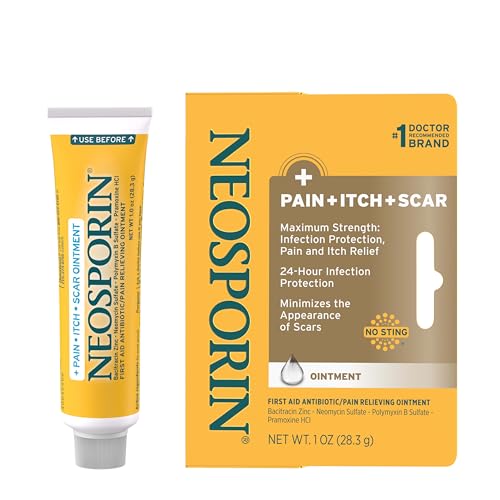
Neosporin Original Triple Antibiotic Ointment - Best for Infection Prevention
Neosporin combines bacitracin, neomycin, and polymyxin B - three antibiotics with different activity spectrums - to provide broad-spectrum protection against the bacterial contamination common in abrasions from outdoor falls, sports injuries, and road rash. The petrolatum base simultaneously maintains a moist healing environment. Apply once to twice daily after gentle wound cleansing. It is particularly important for abrasions with visible dirt, asphalt, or debris contamination. Note that neomycin causes allergic contact dermatitis in a small percentage of users - switch to plain bacitracin if you notice increasing redness or itching around the wound edges during use.
Mederma Advanced Scar Gel - Best for Post-Abrasion Scar Prevention
Once an abrasion has fully re-epithelialized and closed, the new skin is vulnerable to scar formation over the following weeks. Mederma Advanced, applied once daily starting as soon as the wound closes, has clinical evidence for reducing scar height, redness, and hyperpigmentation. Its allium cepa extract modulates collagen deposition in the healing dermis, reducing hypertrophic scar tendency. For large road rash abrasions covering significant skin area on the knees, elbows, or forearms, starting Mederma immediately after wound closure makes a meaningful difference in final cosmetic outcome, especially in patients prone to hypertrophic scarring.
Bacitracin Zinc Ointment - Best Budget Antibiotic for Abrasions
Generic bacitracin is the single-antibiotic alternative to Neosporin for users who want antimicrobial protection without the neomycin that carries allergy risk. It is effective against gram-positive bacteria - the most common contaminants in typical skin abrasions - at a fraction of the cost of branded products. The ointment base provides adequate moisture maintenance. Apply once to twice daily. Bacitracin is particularly appropriate for pediatric abrasions or for adults with known neomycin sensitivity. Available at every pharmacy for in generic form. It is the practical everyday-wound-kit antibiotic product.
Curad Silver Solution Antimicrobial Gel - Best for Road Rash and Serious Abrasio
Curad Silver Solution uses ionic silver technology in a gel format that provides broad-spectrum antimicrobial action, including against bacteria resistant to standard antibiotic ointments. For large-area road rash abrasions with significant contamination - typical in cycling, skateboarding, or motorcycle falls - silver gel provides more comprehensive infection protection than bacitracin or polymyxin-based ointments. The gel format spreads easily over large wound surfaces and dries to a thin breathable film. It also helps control the pain of fresh abrasions through its hydrogel base. Change dressings daily and cleanse the wound before each reapplication.
How to choose
What to consider
First priority is infection prevention - any abrasion with dirt, grass, or asphalt contamination needs an antibiotic product for at least the first three to five days. Once clean and closing, switch to a moist barrier product like Aquaphor and begin scar prevention immediately after re-epithelialization. Fragrance-free is essential for wound care products. Avoid hydrogen peroxide and iodine on abrasions - both damage the tissue cells needed for healing. Check the wound daily for infection signs, and cover with a non-stick dressing whenever the wound is fresh or under clothing.
The bottom line
Skin abrasions heal fastest when kept clean, moist, and protected from infection for the first week, then transitioned to a scar prevention product as the wound closes. The five products above form a complete abrasion care kit - antibiotic cover for the first days, Aquaphor for moist healing, and Mederma for the final scar prevention phase. This sequence gives most abrasions the best chance of healing without permane
Common questions
Moist wound healing is supported by strong clinical evidence as the faster and less scar-prone approach compared to letting abrasions dry and scab over. A moist environment promotes epithelial cell migration across the wound bed, reduces pain from exposed nerve endings, and lowers the risk of the scab cracking and reopening. Apply a thin layer of wound cream and cover with a non-stick dressing, changing daily until the wound surface closes.
Signs of infection in an abrasion include increasing redness extending beyond the wound edges, warmth, swelling, yellow or green discharge, an unpleasant odor, and pain that worsens after the first 48 hours rather than improving. Fever or red streaking spreading from the wound are serious signs requiring immediate medical attention. Clean abrasions that are healing correctly may weep clear or slightly pink fluid initially, which is normal wound exudate.
Plain petroleum jelly is a valid wound covering for clean abrasions - it maintains moisture, prevents drying, and is non-irritating. However it has no antimicrobial properties. For abrasions with contamination risk such as road rash or dirt-exposed scrapes, an antibiotic cream like bacitracin or mupirocin provides meaningful protection against infection that petroleum jelly does not. For clean, minimal-risk abrasions, petroleum jelly is adequate and inexpensive.
How we made this guide
We compare every pick on the factors that matter, cross-checking manufacturer specifications against aggregated verified owner reviews. We rank independently and never take payment for placement. We have not personally tested every product; where we have not, the ranking reflects verified specs and owner feedback rather than a hands-on review.
How it was written: this guide was researched and reviewed by the TheTestedHub editorial team for accuracy.
Affiliate disclosure: TheTestedHub is reader-supported. When you buy through links on our site, we may earn a commission at no extra cost to you.
More guides

What Works Best for Eczema? 2026 Top Creams Reviewed
Dry Skin Care in 2026: Ceramide-Rich Picks for Barrier Repair

2026 Curl Setting Sprays Reviewed: Ouidad Climate Control Tops for Versatility

2026 Curl Defining Creams That Moisturize Without the Weight
Chemical Exfoliants 2026: Honest Reviews & Picks
8 Best Cancer Treatment Skin Care Products of 2026

2026 Brightening Skincare: Vitamin C Serums Compared