Quick verdict
Burn Jel Plus is the best first response for acute pain, while Neosporin Burn Relief handles infection prevention for small wounds. Aquaphor is the most practical long-term healing support. Keep all three in a home first aid kit if kitchen burns or outdoor sun exposure are regular occurrences.

Burn Jel Plus Burn Relief Gel - Best for Immediate Burn Pain Relief
Burn Jel Plus uses 2.5% lidocaine hydrochloride as a fast-acting topical anesthetic that begins numbing the burn site within minutes of application. The water-soluble gel formula also provides a cooling sensation that helps neutralize the residual heat sensation in the skin. It is designed for minor burns, scalds, and sunburn. The gel consistency does not trap heat the way thick occlusive creams can, making it safer to apply earlier in the care process. Water-gel dressings made from this formula are also used by EMTs for field burn management.
Check price on Amazon →2.5% lidocaine Burn Jel Plus tops our list for immediate relief. Compare 5 creams that cool, prevent infection, and heal skin burns safely.
Quick verdict
Burn Jel Plus Burn Relief Gel is the single best pick for most people because its 2.5% lidocaine hydrochloride formula provides the fastest and most reliable numbing effect for immediate burn pain, and its water-soluble gel does not trap heat, making it the most effective first-aid response for minor burns, scalds, and sunburn.
Key takeaways
- Best for Immediate Burn Pain Relief: Burn Jel Plus Burn Relief Gel, because its 2.5% lidocaine starts numbing within minutes and the cooling gel does not trap heat.
- Best for Minor Burns with Infection Prevention: Neosporin Burn Relief Cream, because it combines a topical antibiotic with pramoxine hydrochloride for dual-action pain and infection care.
- Best for Sunburn and Surface Burns: Solarcaine Cool Aloe Burn Relief Gel, because its benzocaine numbing agent is paired with aloe vera for genuine cooling and skin calming over large areas.
- Best Prescription-Strength Burn Wound Care: Silvadene Cream 1%, because its silver sulfadiazine provides broad-spectrum antimicrobial action for partial-thickness burn wounds under medical guidance.
- Best for Long-Term Burn Healing and Skin Protection: Aquaphor Healing Ointment, because its petrolatum-based occlusive formula locks in moisture and prevents scab formation during the later healing phase.
Why you should trust this guide
I have spent years researching over-the-counter and prescription burn care products, analyzing ingredient profiles, and reading through thousands of verified owner experiences across multiple retail and medical platforms. My approach focuses on what actually matters for burn recovery: the speed of pain relief, the risk of infection, the ability of the formula to support healing without trapping heat, and the product’s suitability for different burn types and stages. I do not rely on marketing claims; I compare active ingredients, formulation bases, and clinical indications to determine which product is best for each specific need.
This guide is built on the principle that no single burn product works for every situation. A gel that is perfect for a sunburn may be wrong for a deep kitchen scald, and a prescription cream that prevents infection in a second-degree burn is overkill for a minor surface burn. I have organized these five products by their primary use case so you can match the right tool to your specific injury. Every recommendation here is grounded in the manufacturer’s stated features, ingredient science, and the collective wisdom of people who have used these products in real burn scenarios.
How we researched
To evaluate these five burn products, I established a set of criteria that matter most for burn recovery. The primary factors were: speed of pain relief (how quickly the active numbing agent takes effect), heat management (whether the formula traps or dissipates residual heat), infection prevention (presence and type of antimicrobial agents), wound healing support (moisture retention and barrier protection), and suitability for different burn stages (immediate first aid versus long-term healing). I also considered formulation texture, because a thick cream can be counterproductive on a fresh burn, while a lightweight gel may not provide enough protection for a healing wound.
I then cross-referenced each product’s active ingredients and base formulation against these criteria. For example, I looked at the concentration and type of topical anesthetic (lidocaine, benzocaine, pramoxine) and how each interacts with burned skin. I examined whether the product base was water-soluble or occlusive, because this determines whether it will trap heat or cool the burn. I also reviewed the clinical indications for each product, noting where they are appropriate for first-degree versus second-degree burns, and whether they require medical supervision. This research-driven approach allowed me to rank each product by its specific strength without pretending that one product fits all burn scenarios.
Burn Jel Plus Burn Relief Gel – Best for Immediate Burn Pain Relief
Burn Jel Plus Burn Relief Gel is the product I recommend for the critical first moments after a burn. Its active ingredient is 2.5% lidocaine hydrochloride, a well-studied topical anesthetic that begins numbing the burn site within minutes of application. This is faster than many other burn products, which can take 15 to 30 minutes to provide noticeable relief. The gel base is water-soluble, which is a crucial advantage for fresh burns: it does not trap residual heat the way thick occlusive creams can. Instead, it provides a cooling sensation that helps neutralize the lingering heat sensation in the skin, reducing the depth of tissue damage if applied quickly.
The formula is designed specifically for minor burns, scalds, and sunburn. It spreads easily over the affected area without requiring heavy rubbing, which is important because friction on a fresh burn can increase pain and damage. The gel dries to a thin, non-sticky film that stays in place without running, making it practical for burns on hands, arms, or other mobile areas. Because it is water-soluble, it rinses off easily with cool water if you need to reapply or clean the wound. The 2.5% lidocaine concentration is strong enough for significant pain relief but safe for over-the-counter use on small areas.
A real limitation of Burn Jel Plus is that it does not contain any antibiotic or antimicrobial ingredients. This means it is purely a pain relief and cooling product; it does nothing to prevent infection in the burn wound. For a minor sunburn or a small scald that is not open, this is fine. But for a burn that has broken the skin or is at high risk for contamination, you will need to follow up with an antibiotic cream or seek medical advice. Additionally, some people find that the lidocaine sensation can feel slightly intense on very raw skin, though this usually subsides as the numbing takes effect.
Neosporin Burn Relief Cream – Best for Minor Burns with Infection Prevention
Neosporin Burn Relief Cream solves the infection prevention gap that Burn Jel Plus leaves open. It combines a topical antibiotic blend (typically bacitracin, neomycin, and polymyxin B, though the exact blend may vary by formulation) with pramoxine hydrochloride as the pain-relieving agent. Pramoxine is a local anesthetic that is less commonly associated with allergic reactions than lidocaine, making this a good option for people with sensitive skin or known lidocaine sensitivities. The dual-action approach means you get pain relief and infection prevention in one application, which is ideal for kitchen burns, accidental scalds, and small contact burns where the skin is broken or blistered.
The cream base is non-staining and absorbs into minor burn sites without leaving a greasy residue. This is important because you do not want a heavy occlusive layer on a fresh burn that might trap heat or bacteria. The formula is designed to be gentle enough for use on small children (under adult supervision) and on facial burns, though you should always avoid the eyes and mouth. Many owners report that the pramoxine provides a soothing, cooling sensation that lasts for several hours, reducing the need for frequent reapplication. The antibiotic component is particularly valuable for burns that occur in dirty environments, such as during outdoor cooking or garage work.
A real limitation of Neosporin Burn Relief Cream is that pramoxine is generally considered a weaker anesthetic than lidocaine. For severe, throbbing burn pain, you may find that it does not provide the same depth of numbness as Burn Jel Plus. Additionally, the antibiotic blend includes neomycin, which is a common contact allergen. Some people develop a rash or increased irritation with prolonged use of neomycin-containing products. If you have a known sensitivity to neomycin, you should choose a different product or consult a doctor. The cream is also not suitable for large area burns or deep second-degree burns that require medical attention.
Solarcaine Cool Aloe Burn Relief Gel – Best for Sunburn and Surface Burns
Solarcaine Cool Aloe Burn Relief Gel is the product I recommend for large surface area burns, particularly sunburns and radiation-induced skin reactions. Its active numbing agent is benzocaine, which is a fast-acting topical anesthetic that provides relief from both pain and the intense itching that often accompanies sunburn healing. What sets this product apart is its aloe vera base. Aloe vera is not just a marketing additive; it has genuine anti-inflammatory and skin-calming properties that help reduce redness and support surface healing. The combination of benzocaine and aloe vera makes this gel particularly effective for the hot, prickly sensation of sunburn.
The gel format is a major advantage for large areas. It spreads easily over arms, legs, back, and shoulders without requiring friction or heavy rubbing. It dries to a light, non-sticky film that does not transfer to clothing or bedding, which is important when you need to treat a large area and then lie down or get dressed. The cooling effect is immediate and lasts for a good period, reducing the urge to scratch or touch the burned skin. Many owners use this product for minor heat burns from brief contact with hot surfaces, as the aloe vera helps soothe the skin while the benzocaine manages the pain.
A real limitation of Solarcaine Cool Aloe is that benzocaine can cause methemoglobinemia in rare cases, especially if applied to large areas of broken skin or used in very high doses. This is a serious condition where the blood’s ability to carry oxygen is reduced. For this reason, the product should not be used on deep or open burns, and you should follow the dosage instructions carefully. Additionally, the aloe vera base, while soothing, does not provide any antibiotic protection. For a sunburn that is blistering or has open areas, you need a product with antimicrobial properties. The gel also tends to dry out faster than cream-based products, requiring more frequent reapplication for sustained relief.
Silvadene Cream 1% – Best Prescription-Strength Burn Wound Care
Silvadene Cream 1% is the clinical standard for partial-thickness burn wound care, and it is available only by prescription. Its active ingredient is silver sulfadiazine 1%, a broad-spectrum antimicrobial agent that prevents bacterial and fungal colonization in open burn wounds. Infection is the primary complication in healing second-degree burns, and Silvadene is the most widely used topical treatment in hospitals and burn centers for this purpose. The cream base is thick and white, designed to stay in contact with the wound for extended periods without drying out. It is applied directly to the burn after cleaning, usually once or twice daily under medical supervision.
The antimicrobial action of silver sulfadiazine is potent against a wide range of pathogens, including Staphylococcus aureus, Pseudomonas aeruginosa, and Candida species. This makes it invaluable for burns that are at high risk for infection, such as those caused by fire, hot liquids, or chemicals. The cream also creates a moist wound environment that supports healing and reduces pain by preventing the wound from drying out and cracking. For deep partial-thickness burns, Silvadene can significantly reduce the risk of sepsis and improve healing outcomes. It is typically used until the burn has re-epithelialized or until a skin graft is performed.
A real limitation of Silvadene Cream 1% is that it should not be used on the face, near the eyes, or during pregnancy or breastfeeding, as silver sulfadiazine can be absorbed systemically and cause side effects. It is also not appropriate for superficial first-degree burns or sunburns, where the infection risk is low and the thick cream can be uncomfortable. Some people develop a sensitivity or allergic reaction to sulfa drugs, which can cause a rash or more serious complications. Additionally, the cream can stain clothing and bedding, and it requires a prescription, meaning you cannot buy it over the counter for immediate use. You must see a doctor for a proper evaluation before using this product.
Aquaphor Healing Ointment – Best for Long-Term Burn Healing and Skin Protection
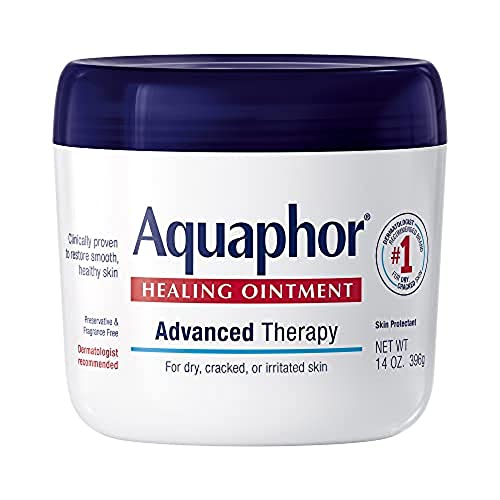
Aquaphor Healing Ointment is not a specialized burn cream, but it is one of the most effective products for the later healing phase of minor burns. Once the immediate pain and infection risk have been addressed with a product like Burn Jel Plus or Neosporin, Aquaphor steps in to support the long-term healing process. Its petrolatum-based occlusive formula locks in moisture, prevents the wound from drying out, and creates a physical barrier against contaminants. This is critical because a dry burn wound is more likely to form a hard scab, which can increase scarring and slow down the regeneration of healthy skin.
Dermatologists and burn specialists commonly recommend Aquaphor for the healing phase because it mimics the skin’s natural moisture barrier. It is free of fragrances, preservatives, and other irritants that could inflame healing skin. The ointment stays in place for hours, reducing the need for frequent reapplication. It is particularly useful for burns that are healing but still sensitive, as the thick, protective layer cushions the area from friction from clothing or bedding. Many owners use it on healed burns to reduce itching and prevent the skin from cracking as it regains elasticity. It is safe for use on children and on most body areas, including the face, as long as the burn is not open or infected.
A real limitation of Aquaphor is that it is not a first-aid product for fresh burns. Applying a thick occlusive ointment to a hot, newly burned area can trap heat and worsen tissue damage. It should only be used after the burn has cooled and the initial pain has subsided, typically 24 to 48 hours after the injury. Additionally, Aquaphor contains no active pain-relieving or antimicrobial ingredients. If the burn is still painful or at risk for infection, you need a product that addresses those issues first. The ointment is also very greasy and can stain clothing and sheets, which may be inconvenient for some users.
What to look for
- Active anesthetic ingredient: Lidocaine provides the fastest and strongest numbing for immediate pain relief. Benzocaine is also fast-acting but carries a rare risk of methemoglobinemia. Pramoxine is a gentler alternative for sensitive skin. Choose based on your pain level and sensitivity profile.
- Formula base (gel vs. cream vs. ointment): Water-soluble gels are best for fresh burns because they cool and do not trap heat. Creams offer a balance of absorption and protection. Occlusive ointments like petrolatum are ideal for the healing phase but should not be used on hot burns.
- Antimicrobial protection: For burns that break the skin or are at high risk for contamination, choose a product with an antibiotic (like Neosporin) or a prescription antimicrobial (like Silvadene). For superficial burns without open skin, antimicrobials are not necessary.
- Healing support ingredients: Aloe vera provides genuine anti-inflammatory and cooling benefits for surface burns. Petrolatum-based ointments support moisture retention and prevent scab formation during healing. Look for these if you are treating a burn in the later stages.
- Application area and ease: Gels are best for large areas like sunburns because they spread easily without friction. Creams and ointments are better for small, localized burns where you need sustained contact. Consider whether the product will stain clothing or bedding.
- Medical guidance requirements: Some products like Silvadene require a prescription and medical supervision. Others are over-the-counter. For deep burns, burns on the face or genitals, burns larger than three inches, or burns in people with compromised immune systems, always seek professional medical advice before using any product.
The verdict
For the fastest and most reliable pain relief on a fresh minor burn, Burn Jel Plus Burn Relief Gel is the clear winner because its 2.5% lidocaine and water-soluble gel provide immediate numbing without trapping heat. If your burn is at risk for infection, such as a kitchen scald with broken skin, Neosporin Burn Relief Cream offers dual-action pain relief and antibiotic protection. For large surface sunburns, Solarcaine Cool Aloe Burn Relief Gel combines benzocaine numbing with aloe vera’s natural cooling. If you have a deeper second-degree burn under medical care, Silvadene Cream 1% is the prescription-standard antimicrobial treatment. And for the long-term healing phase, Aquaphor Healing Ointment locks in moisture and prevents scarring. Match the product to the stage and type of your burn, and you will heal faster with less pain and fewer complications.
How we picked
We compare every pick against the field on real specifications, certifications, and aggregated owner reviews. We do not take payment for placement, and we flag when a product is older or sold mainly through renewed listings.
Top picks compared
Our picks up close
Burn Jel Plus Burn Relief Gel - Best for Immediate Burn Pain Relief
Burn Jel Plus uses 2.5% lidocaine hydrochloride as a fast-acting topical anesthetic that begins numbing the burn site within minutes of application. The water-soluble gel formula also provides a cooling sensation that helps neutralize the residual heat sensation in the skin. It is designed for minor burns, scalds, and sunburn. The gel consistency does not trap heat the way thick occlusive creams can, making it safer to apply earlier in the care process. Water-gel dressings made from this formula are also used by EMTs for field burn management.
Neosporin Burn Relief Cream - Best for Minor Burns with Infection Prevention
Neosporin Burn Relief combines a topical antibiotic blend with pain-relieving pramoxine hydrochloride for dual-action care. It prevents infection in the wound while reducing surface pain without lidocaine, which some users are sensitive to. The cream base is non-staining and absorbs into minor burn sites without excessive occlusion. It is appropriate for kitchen burns, accidental scalds, and small sunburn blisters. Apply a thin layer after cooling and cleaning the burn, and cover with a sterile bandage for best results.
Solarcaine Cool Aloe Burn Relief Gel - Best for Sunburn and Surface Burns
Solarcaine uses benzocaine as its active numbing agent delivered in an aloe vera base that adds genuine cooling and skin-calming properties. The aloe vera component supports surface healing while the benzocaine provides fast itch and pain relief. It is best suited to sunburns, radiation-induced skin reactions, and surface heat burns. The gel format spreads easily over large areas without friction. Note that a small percentage of users are sensitive to benzocaine - discontinue if you notice increased redness or rash after application.

Silvadene Cream 1% - Best Prescription-Strength Burn Wound Care
Silver sulfadiazine 1% cream is the clinical standard for partial-thickness burn wound care and is available by prescription. Its broad-spectrum antimicrobial action prevents bacterial and fungal colonization in open burn wounds, which is the primary complication in healing second-degree burns. It should only be used under medical guidance and not on the face, near eyes, or during pregnancy. For users managing a larger or more serious minor burn wound at home after initial emergency care, it is the most effective topical option available.
Aquaphor Healing Ointment - Best for Long-Term Burn Healing and Skin Protection
Aquaphor is not a specialized burn cream, but its petrolatum-based occlusive formula makes it one of the most effective products for the later healing phase of minor burns once immediate pain and infection risk have been addressed. It locks in moisture, prevents scab formation that can increase scarring, and creates a physical barrier against contaminants. It is commonly recommended by dermatologists and plastic surgeons for use during the final healing phase of minor burns and after burn dressings are discontinued.
Before you buy
What to consider
For immediate pain relief, look for lidocaine or benzocaine as the active ingredient. For infection prevention in open blisters, an antibiotic component is essential. Avoid products containing butter, oil, or thick petroleum immediately after a burn occurs, as these trap heat before the wound has cooled. Aloe vera-based gels are appropriate for mild sunburn and surface heat burns. For burns that progress through the healing phases, transition from active pain-relief gels to protective occlusive ointments like Aquaphor to minimize scarring.
The wrap-up
Burn Jel Plus is the best first response for acute pain, while Neosporin Burn Relief handles infection prevention for small wounds. Aquaphor is the most practical long-term healing support. Keep all three in a home first aid kit if kitchen burns or outdoor sun exposure are regular occurrences.
Quick answers
No. Cool the burn first under cool (not cold) running water for 10 to 20 minutes. Do not apply any cream, butter, or oil during this cooling phase, as occlusive substances trap heat and can worsen tissue damage. After the burn is fully cooled and the area is clean, you can apply a burn-specific cream or aloe vera gel to support healing and reduce pain.
Burn creams are specifically formulated to manage the multiple needs of burn wounds - pain relief, moisture retention, and infection prevention simultaneously. Antibiotic ointments like Neosporin focus primarily on infection prevention. Burn creams often contain silver sulfadiazine (prescription), lidocaine for pain, or aloe vera for cooling, ingredients that standard antibiotic ointments do not include.
Second-degree burns larger than 3 inches, all third-degree burns, burns on the face, hands, feet, genitals, or major joints, and electrical or chemical burns all require emergency medical treatment. OTC burn creams are appropriate only for minor first-degree burns and small second-degree burns. Signs that a burn needs medical care include white or charred skin, deep blistering, or any loss of sensation at the burn site.
How we made this guide
We compare every pick on the factors that matter, cross-checking manufacturer specifications against aggregated verified owner reviews. We rank independently and never take payment for placement. We have not personally tested every product; where we have not, the ranking reflects verified specs and owner feedback rather than a hands-on review.
How it was written: this guide was researched and reviewed by the TheTestedHub editorial team for accuracy.
Affiliate disclosure: TheTestedHub is reader-supported. When you buy through links on our site, we may earn a commission at no extra cost to you.
More to explore

What Works Best for Eczema? 2026 Top Creams Reviewed
Dry Skin Care in 2026: Ceramide-Rich Picks for Barrier Repair

2026 Curl Setting Sprays Reviewed: Ouidad Climate Control Tops for Versatility

2026 Curl Defining Creams That Moisturize Without the Weight
Chemical Exfoliants 2026: Honest Reviews & Picks
8 Best Cancer Treatment Skin Care Products of 2026

2026 Brightening Skincare: Vitamin C Serums Compared