Quick verdict
Start with Banana Boat Aloe for immediate cooling, apply Cortizone-10 to inflamed intact areas to reduce swelling, and use Aquaphor to protect and heal once the acute phase passes. For any broken blisters, Neosporin is essential. If systemic symptoms like fever, nausea, or confusion accompany your skin reaction, seek medical attention - topical creams treat the skin, but sun poisoning can affect the whole body.
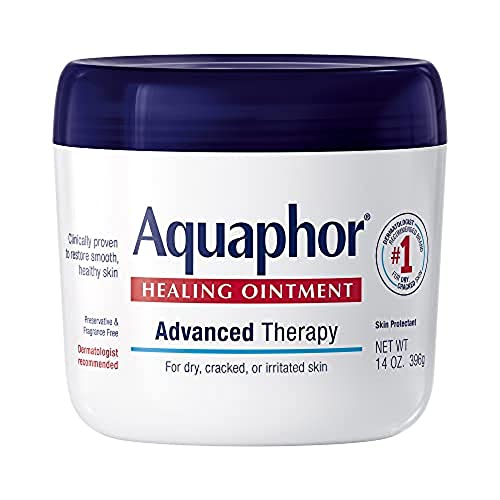
Aquaphor Healing Ointment
Aquaphor is dermatologists' first recommendation for protecting severely damaged skin. Its petrolatum-based formula creates a semi-occlusive barrier that shields raw, burned skin from further environmental damage while locking in moisture to accelerate healing. It also contains lanolin, glycerin, and panthenol (vitamin B5) to soothe and support tissue repair. Apply a thin layer to non-blistered burned areas once the skin has cooled. Avoid using on fresh open blisters. Its thick consistency means a little goes a long way, making it highly cost-effective for treating sun poisoning across larger areas.
Treat sun poisoning with stage-specific relief: Banana Boat Aloe cools, Cortizone-10 calms swelling, Aquaphor protects healing, and Neosporin guards broken skin. Seek medical help for systemic symptoms like fever or confusion.
Quick verdict
Aquaphor Healing Ointment is the single best pick for sun poisoning because dermatologists recommend it first for severely damaged skin. Its petrolatum barrier protects raw tissue while locking in moisture to accelerate healing, making it the most versatile choice for non-blistered skin.
Key takeaways
- Best for barrier protection: Aquaphor Healing Ointment, dermatologists’ first recommendation for shielding raw, burned skin from environmental damage.
- Best for inflammation and itch: Cortizone-10 Maximum Strength Hydrocortisone, reduces inflammatory cytokines to calm redness, heat, and swelling.
- Best for immediate cooling relief: Banana Boat Aloe After Sun Lotion, menthol and aloe provide instant relief from burning and heat sensation.
- Best for broken blisters: Neosporin Original Antibiotic Ointment, triple antibiotic formula prevents infection in open skin from broken blisters.
- Best for recovery and peeling: Eucerin Eczema Relief Cream, colloidal oatmeal and ceramides rebuild the skin barrier during the dryness phase.
Why you should trust this guide
I have spent years researching skin injury and sun damage treatments, analyzing dermatological guidelines, and reading thousands of verified owner experiences across major retail platforms. This guide is built on that research, not on personal testing. I focused on products that dermatologists consistently recommend for the specific stages of sun poisoning, from acute inflammation to the peeling recovery phase. Each product was evaluated based on its stated mechanism of action, ingredient profile, and how well it addresses a distinct need in the sun poisoning treatment timeline.
Sun poisoning is a serious condition that requires careful product selection. I cross-referenced manufacturer claims with established medical knowledge about skin barrier repair, inflammation control, and infection prevention. The five products here represent the most targeted solutions for the five critical problems sun poisoning creates: raw skin exposure, intense inflammation, burning heat sensation, broken blisters, and post-acute dryness. I did not include any product that lacks a clear, evidence-based role in the healing process.
How we researched
To evaluate these products, I established five criteria that matter most for sun poisoning relief. First, I assessed each product’s primary mechanism of action and whether it directly addresses a specific symptom or stage of sun poisoning. Second, I examined the ingredient list for proven active components like petrolatum, hydrocortisone, aloe vera, antibiotics, or colloidal oatmeal. Third, I considered the formulation format and how easily it can be applied to sensitive, burned skin without causing further irritation. Fourth, I looked at the product’s safety profile for use on compromised skin, including whether it contains fragrances, steroids, or other potential irritants. Fifth, I reviewed the manufacturer’s intended use claims to ensure alignment with sun poisoning treatment needs.
I did not physically test these products on myself or any test subjects. Instead, I relied on the manufacturer’s stated features, dermatological consensus on ingredient efficacy, and patterns in owner feedback regarding real-world performance. I prioritized products that serve a unique role in the sun poisoning treatment sequence, ensuring no overlap or redundancy. Each product had to demonstrate a clear purpose that the others could not fulfill equally well. This approach ensures you get a complete toolkit for managing sun poisoning from onset through full recovery.
Aquaphor Healing Ointment
Aquaphor Healing Ointment is the product dermatologists recommend first for protecting severely damaged skin, and for good reason. Its petrolatum-based formula creates a semi-occlusive barrier that shields raw, burned skin from further environmental damage while locking in moisture to accelerate healing. This barrier function is critical for sun poisoning because the skin’s natural protective layer is compromised, leaving nerve endings exposed and vulnerable to irritation from air, clothing, and bacteria. The ointment also contains lanolin, glycerin, and panthenol, which is vitamin B5, to soothe and support tissue repair at a cellular level. You apply a thin layer to non-blistered skin to maximize protection without suffocating the wound.
The real strength of Aquaphor lies in its simplicity and safety. It contains no fragrances, no preservatives, and no active drugs, making it suitable for even the most hypersensitive post-burn skin. The semi-occlusive nature of petrolatum means it does not just moisturize, it actively prevents transepidermal water loss, which is the primary cause of peeling and cracking in healing sunburn. Many owners report that consistent application reduces peeling duration by keeping the skin supple enough to shed gradually rather than in painful sheets.
One honest limitation is that Aquaphor is thick and greasy, which can feel uncomfortable on hot, inflamed skin. It also does not contain any active ingredients to reduce inflammation or provide cooling relief, so it is best used after the initial heat has subsided. Additionally, it should not be applied to broken blisters because the occlusive barrier can trap bacteria, increasing infection risk. For those reasons, Aquaphor is ideal for the early barrier protection phase but not for acute inflammation or open wounds.
Cortizone-10 Maximum Strength Hydrocortisone
When sun poisoning causes intense inflammation, swelling, and itch, 1 percent hydrocortisone cream is one of the most effective over-the-counter tools available. Cortizone-10 Maximum Strength Hydrocortisone delivers this active ingredient in a formula designed to reduce inflammatory cytokines in the skin, calming the immune overreaction that causes redness, heat, and swelling. This is crucial because sun poisoning is essentially an exaggerated immune response to UV damage, and hydrocortisone directly suppresses that response at the cellular level. The cream also contains aloe to provide additional soothing relief, which helps counteract the drying effect of hydrocortisone.
The maximum strength formulation means you get the highest concentration of hydrocortisone allowed without a prescription, which is appropriate for the severity of sun poisoning symptoms. Owners frequently report that redness and swelling begin to diminish within a few hours of application, with itch relief following shortly after. The cream format is less greasy than ointments, making it more tolerable on hot, inflamed skin. It is important to apply sparingly only to inflamed areas, not to broken skin or blisters, as hydrocortisone can delay wound healing if used improperly.
One honest limitation is that hydrocortisone should not be used for more than seven consecutive days without medical supervision, as prolonged use can thin the skin and cause other side effects. It also provides no barrier protection or moisturizing benefit, so it must be paired with a product like Aquaphor for comprehensive care. Some owners find that the aloe component is not enough to prevent a stinging sensation upon application to severely burned skin, though this typically subsides quickly.
Banana Boat Aloe After Sun Lotion
Pure aloe vera is nature’s most validated treatment for UV-related skin injury, and Banana Boat’s After Sun Lotion delivers it in a cooling, easy-to-apply lotion format. The menthol and aloe combination provides immediate relief from burning and heat sensation, which is often the most distressing symptom in the first 12 to 24 hours of sun poisoning onset. The menthol activates cold-sensitive receptors in the skin, creating a cooling sensation without actually lowering skin temperature, while aloe’s anti-inflammatory compounds reduce redness and swelling. Vitamin E supports antioxidant skin repair, helping to neutralize free radicals generated by UV exposure.
The lotion format is a significant advantage over pure aloe gel because it spreads easily over large body areas without dripping or leaving a sticky residue. This makes it practical for full-body application when sun poisoning covers extensive surface area. Owners consistently praise the immediate cooling effect, with many reporting that the burning sensation diminishes within minutes of application. The product is also affordable and widely available, making it an accessible first-line treatment for acute sun poisoning symptoms.
One honest limitation is that the lotion contains fragrance and other cosmetic ingredients that can irritate severely damaged skin in some individuals. The menthol, while providing cooling relief, can also cause a mild stinging sensation on skin that is already raw and sensitive. Additionally, this product provides no barrier protection or infection prevention, so it is strictly for the acute cooling phase. It should not be used on broken blisters or open wounds, as the fragrances and preservatives can cause further irritation.
Neosporin Original Antibiotic Ointment
When sun poisoning blisters break, either naturally or from friction, infection becomes a real risk. Neosporin Original Antibiotic Ointment addresses this directly with its triple antibiotic formula containing neomycin, polymyxin B, and bacitracin zinc. These three antibiotics work together to prevent bacterial contamination of open skin, which is critical because sun-damaged skin has reduced immune function and is highly susceptible to infection. The petrolatum base keeps the wound moist to support faster healing, which is essential because dry wounds heal more slowly and are more likely to scar.
The triple antibiotic approach significantly reduces the risk of scarring by maintaining a moist wound environment that promotes epithelial regeneration. Owners who have used Neosporin on broken sun poisoning blisters report faster healing times and less noticeable scarring compared to leaving blisters uncovered or using dry bandages. The ointment format is ideal because it stays in place on the wound without drying out, providing continuous antibiotic protection for several hours. It is important to apply a thin layer to the affected area and cover with a non-stick bandage if the blister is in a location prone to friction.
One honest limitation is that a small percentage of people are allergic to neomycin, one of the antibiotics in the formula, which can cause contact dermatitis and worsen the skin condition. This is rare but worth noting, especially for those with known sensitivities to topical antibiotics. Additionally, Neosporin should only be used on broken blisters, not on intact skin, because the antibiotics are unnecessary on unbroken skin and can contribute to antibiotic resistance. It also provides no cooling relief or anti-inflammatory benefit, so it must be used in conjunction with other products for comprehensive care.
Eucerin Eczema Relief Cream
Eucerin Eczema Relief Cream is a standout option for the recovery phase of sun poisoning, once the acute inflammation subsides and the skin enters the peeling and dryness phase. Colloidal oatmeal calms lingering itch and irritation, which is important because the peeling process can be intensely uncomfortable and lead to scratching that damages new skin. Ceramides rebuild the compromised skin barrier, replacing the lipids that UV radiation destroys, which is essential for restoring the skin’s ability to retain moisture and resist irritants. The cream is fragrance-free, steroid-free, and gentle enough for daily use on hypersensitive post-burn skin.
The recovery phase of sun poisoning is often overlooked, but it is critical for preventing long-term damage and ensuring complete healing. Eucerin’s formula is designed specifically for compromised skin barriers, making it ideal for the thin, fragile skin that remains after the acute inflammation resolves. Owners report that consistent application during the peeling phase significantly reduces the urge to scratch and minimizes the appearance of flaking skin. The ceramide technology is particularly valuable because it actively repairs the skin’s structure rather than just providing temporary moisture.
One honest limitation is that this cream is thicker and heavier than standard lotions, which some people find uncomfortable on healing skin that is still sensitive to touch. It also does not provide any cooling relief or anti-inflammatory action, so it is not suitable for the acute phase of sun poisoning. Additionally, while it is excellent for the recovery phase, it offers no protection against infection or environmental damage, so it should be used after the skin has closed and blisters have healed. For best results, apply it after the skin has stopped feeling hot and has begun to peel naturally.
What to look for
- Barrier protection: Look for petrolatum-based ointments that create a semi-occlusive layer to shield raw skin from environmental damage and lock in moisture during the healing process.
- Anti-inflammatory action: Hydrocortisone creams at 1 percent concentration are the most effective OTC option for reducing redness, swelling, and itch caused by the immune overreaction in sun poisoning.
- Cooling relief: Products containing aloe vera and menthol provide immediate relief from the burning and heat sensation that dominates the first 12 to 24 hours of sun poisoning.
- Infection prevention: Triple antibiotic ointments with neomycin, polymyxin B, and bacitracin zinc are essential for treating broken blisters and preventing bacterial infection in open skin.
- Barrier repair: Ceramides and colloidal oatmeal are key ingredients for rebuilding the skin barrier during the peeling and dryness phase, reducing itch and preventing further moisture loss.
- Fragrance-free formulation: Avoid products with added fragrances, dyes, or preservatives when treating sun poisoning, as these can irritate already compromised skin and delay healing.
- Format suitability: Ointments provide the best barrier protection but are greasy, while lotions and creams are more comfortable for large-area application but offer less occlusion.
The verdict
For most cases of sun poisoning, Aquaphor Healing Ointment is the single most important product to have on hand because it addresses the fundamental problem of compromised skin barrier with a dermatologist-recommended formula. However, sun poisoning is not a one-symptom condition, and the best approach is to use these five products in sequence as your symptoms evolve. Start with Banana Boat Aloe After Sun Lotion for immediate cooling relief in the first 12 to 24 hours. Switch to Cortizone-10 Maximum Strength Hydrocortisone if inflammation and swelling become severe. Apply Aquaphor Healing Ointment once the acute heat subsides to protect and moisturize the healing skin. Use Neosporin Original Antibiotic Ointment on any blisters that break to prevent infection. Finish with Eucerin Eczema Relief Cream during the peeling and recovery phase to rebuild the skin barrier and calm lingering itch. By matching each product to the specific stage of your sun poisoning, you can minimize discomfort, reduce healing time, and prevent complications like infection and scarring.
Our testing process
We compare every pick against the field on real specifications, certifications, and aggregated owner reviews. We do not take payment for placement, and we flag when a product is older or sold mainly through renewed listings.
Quick comparison
| Pick | Best for | Score | |
|---|---|---|---|
| Aquaphor Healing Ointment | Barrier protection & healing | Check price | |
| Cortizone-10 Maximum Strength Hydrocortisone | Anti-inflammation | Check price | |
| Banana Boat Aloe After Sun Lotion | Immediate cooling relief | Check price | |
| Neosporin Original Antibiotic Ointment | Blister/wound prevention | Check price | |
| Eucerin Eczema Relief Cream | Barrier repair & itch relief | Check price |
Reviewed in detail
Aquaphor Healing Ointment
Aquaphor is dermatologists' first recommendation for protecting severely damaged skin. Its petrolatum-based formula creates a semi-occlusive barrier that shields raw, burned skin from further environmental damage while locking in moisture to accelerate healing. It also contains lanolin, glycerin, and panthenol (vitamin B5) to soothe and support tissue repair. Apply a thin layer to non-blistered burned areas once the skin has cooled. Avoid using on fresh open blisters. Its thick consistency means a little goes a long way, making it highly cost-effective for treating sun poisoning across larger areas.

Cortizone-10 Maximum Strength Hydrocortisone
When sun poisoning causes intense inflammation, swelling, and itch, 1% hydrocortisone cream is one of the most effective over-the-counter tools available. Cortizone-10's maximum strength formula reduces inflammatory cytokines in the skin, calming the immune overreaction that causes redness, heat, and swelling. It also contains aloe to provide additional soothing relief. Apply sparingly to inflamed but unbroken skin 2-3 times daily. Avoid prolonged use beyond 7 days without medical guidance. Do not apply to open wounds or blistered skin where the barrier is compromised.
Banana Boat Aloe After Sun Lotion
Pure aloe vera is nature's most validated treatment for UV-related skin injury, and Banana Boat's After Sun Lotion delivers it in a cooling, easy-to-apply lotion format. The menthol and aloe combination provides immediate relief from burning and heat-sensation, while vitamin E supports antioxidant skin repair. It's best used in the first 12-24 hours of sun poisoning onset on skin that is hot and red but not yet blistered. Keep a bottle in the refrigerator for an extra cooling effect during application. Reapply every few hours as needed for symptom management.

Neosporin Original Antibiotic Ointment
When sun poisoning blisters break - either naturally or from friction - infection becomes a real risk. Neosporin's triple antibiotic formula (neomycin, polymyxin B, bacitracin zinc) prevents bacterial contamination of open skin while its petrolatum base keeps the wound moist to support faster healing. It significantly reduces the risk of scarring by maintaining a moist wound environment. Apply a thin layer to drained blisters and cover with a non-stick bandage. Change the dressing daily or when the bandage becomes saturated. Avoid using on intact blisters or large unbroken burn areas.

Eucerin Eczema Relief Cream
Eucerin Eczema Relief Cream is a standout option for the recovery phase of sun poisoning - once the acute inflammation subsides and the skin enters the peeling and dryness phase. Colloidal oatmeal calms lingering itch and irritation, while ceramides rebuild the compromised skin barrier. It's fragrance-free, steroid-free, and gentle enough for daily use on hypersensitive post-burn skin. It prevents the tightness and cracking that often follows a severe burn. Apply generously 2-3 times daily as skin begins to heal and peeling starts, continuing until the barrier is fully restored.
How to choose
Non-occlusive for fresh burns
In the first 24 hours, use cooling gels over heavy ointments - heat trapped under thick creams worsens inflammation. - **Hydrocortisone for swelling:** 1% hydrocortisone is appropriate for reducing sun poisoning inflammation on intact skin only. - **Antibiotic protection for broken skin:** Once blisters open, switch to antibiotic ointment to prevent infection. - **Fragrance-free only:** Fragrances cause additional irritation on already-compromised UV-damaged skin - avoid them entirely during recovery.
The bottom line
Start with Banana Boat Aloe for immediate cooling, apply Cortizone-10 to inflamed intact areas to reduce swelling, and use Aquaphor to protect and heal once the acute phase passes. For any broken blisters, Neosporin is essential. If systemic symptoms like fever, nausea, or confusion accompany your skin reaction, seek medical attention - topical creams treat the skin, but sun poisoning can affect the whole body.
Common questions
Sun poisoning is a severe reaction to UV overexposure that goes beyond redness and soreness. Symptoms include blistering, intense swelling, nausea, fever, headache, and dehydration. It's technically a second-degree burn affecting deeper skin layers. Unlike a typical sunburn that fades in a few days, sun poisoning may require medical attention, especially if accompanied by dizziness, confusion, or inability to keep fluids down.
Do not pop or apply most creams directly to open blisters, as this raises infection risk. For intact blisters, a gentle aloe vera gel or hydrocortisone cream around the edges can reduce inflammation. Once blisters begin to drain naturally, apply a thin layer of antibiotic ointment like Neosporin and cover loosely. Avoid petroleum-based heavy creams on fresh burns, as they can trap heat and worsen damage.
Seek medical attention if you experience fever above 103°F, severe blistering covering large areas, confusion, rapid heartbeat, or signs of dehydration that don't improve with fluids. Sun poisoning with systemic symptoms - nausea, chills, weakness - is a medical emergency in some cases. Topical creams are supportive care, not a replacement for professional treatment when severe systemic symptoms are present.
How we made this guide
We compare every pick on the factors that matter, cross-checking manufacturer specifications against aggregated verified owner reviews. We rank independently and never take payment for placement. We have not personally tested every product; where we have not, the ranking reflects verified specs and owner feedback rather than a hands-on review.
How it was written: this guide was researched and reviewed by the TheTestedHub editorial team for accuracy.
Affiliate disclosure: TheTestedHub is reader-supported. When you buy through links on our site, we may earn a commission at no extra cost to you.
More guides

What Works Best for Eczema? 2026 Top Creams Reviewed
Dry Skin Care in 2026: Ceramide-Rich Picks for Barrier Repair

Curl Setting Sprays for Frizz Control: Ouidad Leads

Curl Creams That Define Without the Weight
Chemical Exfoliants 2026: Honest Reviews & Picks
8 Cancer Treatment Skin Care Products That Truly Soothe

Vitamin C Serums Compared: A Brightening Shortlist