Quick verdict
For most surgical scars, Mederma Advanced Scar Gel is the easiest and most accessible starting point. If your scar is raised or thickening, upgrade to Kelo-Cote silicone gel - it's the single most evidence-backed OTC product for that presentation. Begin treatment as early as your surgeon allows, protect the scar from sun exposure daily, and commit to at least 3 months of consistent use for the best possible outcome.
Mederma Advanced Scar Gel
Mederma is the top physician-recommended topical scar treatment and a logical starting point for anyone treating a surgical scar. The Cepalin botanical extract (onion-derived) combined with allantoin targets both the cosmetic discoloration and the structural texture of scar tissue. It improves the integration of scar collagen with surrounding healthy tissue over 8-12 weeks of once-daily application. Mederma works across a wide range of scar types - flat discolored scars, mildly raised scars, and newer incision lines. It's fragrance-free and non-comedogenic, and its widespread clinical use gives it strong credibility as a first-choice treatment.
Wondering which scar cream really works? Mederma Advanced is the easiest start for most surgical scars, while Kelo Cote suits raised ones. Begin early and stay consistent.
Quick verdict
Mederma Advanced Scar Gel is the single best pick for most surgical scars because it is the top physician-recommended topical treatment, targeting both discoloration and texture with its botanical Cepalin extract and allantoin formula for comprehensive healing over 8-12 weeks.
Key takeaways
- Best for overall scar improvement: Mederma Advanced Scar Gel, physician-recommended with Cepalin botanical extract for texture and color.
- Best for continuous silicone coverage: Kelo-Cote Silicone Scar Gel, dries to a clear flexible film that works under clothing on torso or chest scars.
- Best for sensitive post-surgical skin: Cimeosil Scar and Laser Gel, gentle self-drying silicone ideal after laser revision or microneedling.
- Best for discoloration and tightness on a budget: Palmer’s Cocoa Butter Scar Serum, affordable cocoa butter and vitamin E to keep scar tissue pliable.
- Best for natural clean formula: Derma E Scar Gel, panthenol and aloe vera gel without synthetic silicones or fragrances.
Why you should trust this guide
I have spent years researching scar management protocols and topical treatments for surgical recovery. My approach relies on evaluating the clinical evidence behind each active ingredient, the manufacturer’s stated mechanisms, and the real-world feedback from patients and clinicians documented in medical literature and consumer reports. I do not rely on marketing claims alone. I cross-reference ingredient efficacy studies, dermatologist recommendations, and patient-reported outcomes to separate what actually works from what is just well-packaged.
For this guide, I focused exclusively on products that target the specific biology of surgical scars: collagen remodeling, hydration, inflammation reduction, and barrier protection. Each product was assessed for its active ingredient profile, application practicality, and suitability for different scar types and skin sensitivities. I did not test these products myself, but I synthesized the available research and owner feedback to give you a clear, honest recommendation for your specific surgical scar needs.
How we researched
To evaluate the best creams for surgical scars, I established a set of criteria that matter most for post-surgical healing. The primary factors were ingredient efficacy for scar remodeling, clinical validation or physician recommendation, ease of application and adherence to skin, and suitability for sensitive or healing tissue. I also considered the product’s ability to address both cosmetic discoloration and structural texture, as surgical scars often present both issues simultaneously. Each product was weighed against these criteria using manufacturer specifications and documented clinical protocols.
I did not conduct physical testing or lab analysis. Instead, I reviewed the stated mechanisms of each formula, such as silicone film formation, botanical extracts for collagen integration, and moisturizing agents for pliability. I also looked at the product’s target audience and common use cases, such as post-laser recovery or daily wear under clothing. This research-based evaluation ensures that the recommendations are grounded in what the product is designed to do, not in anecdotal personal experience. The goal is to match you with the right tool for your scar stage and skin type.
Mederma Advanced Scar Gel
Mederma Advanced Scar Gel is the top physician-recommended topical scar treatment and a logical starting point for anyone treating a surgical scar. The Cepalin botanical extract, derived from onion, combined with allantoin targets both the cosmetic discoloration and the structural texture of scar tissue. This dual-action approach helps improve the integration of scar collagen with surrounding healthy tissue over 8-12 weeks of once-daily application. The gel format is non-greasy and absorbs quickly, making it easy to incorporate into a daily routine without staining clothing or bedding.
A key strength of Mederma is its broad clinical acceptance. Many surgeons recommend it as a first-line treatment for new surgical scars because of the robust evidence behind onion extract’s ability to reduce redness and flatten raised tissue. The allantoin component supports gentle exfoliation and hydration, which can soften the tight feeling that often accompanies healing scars. For most people with a fresh surgical incision, this product offers a well-rounded, proven formula that addresses the major concerns of scar appearance and feel.
One honest limitation is that Mederma requires consistent daily application for at least 8 weeks to see meaningful results. If you miss days, the progress may slow or stall. Additionally, some users report a mild onion scent during application, which can be off-putting for those sensitive to smells. The gel also needs to be massaged in fully, which may be uncomfortable on very tender or sensitive surgical sites in the early healing stages.
Kelo-Cote Silicone Scar Gel
Kelo-Cote Silicone Scar Gel is used globally in post-surgical scar management protocols and remains one of the most clinically validated silicone scar gels available without a prescription. It dries to a clear, flexible film within minutes of application, providing continuous silicone coverage that works through the day under clothing and pressure. This is particularly valuable for scars on the torso, chest, or abdomen, where movement and friction can disrupt less durable treatments. The silicone film creates an optimal moisture barrier that helps flatten and soften scar tissue over time.
The primary advantage of Kelo-Cote is its practicality for active patients. Because it dries quickly and invisibly, you can apply it in the morning and forget about it. The silicone technology is the gold standard for scar prevention and treatment, and Kelo-Cote is one of the most studied brands in this category. It is also suitable for use on both new and old scars, making it a versatile option if you are dealing with a surgical scar that has already begun to mature. The gel is fragrance-free and hypoallergenic, which reduces the risk of irritation on healing skin.
One honest limitation is that Kelo-Cote can be expensive compared to other silicone gels, and the small tube size may require frequent repurchasing for larger scars. The film can also peel off if you sweat heavily or apply it over lotions or other products. It requires clean, dry skin for proper adhesion, so you must wash the area before each application. This can be inconvenient for scars in hard-to-reach places or for those with a busy schedule.
Cimeosil Scar and Laser Gel
Cimeosil Scar and Laser Gel is the premium option often recommended in medical aesthetics settings for post-procedure scarring, including laser treatment recovery. Its self-drying silicone formula is particularly gentle, making it ideal for those with very sensitive post-surgical skin or for use after procedures like laser scar revision or microneedling. It forms a thin, breathable film that does not irritate reactive skin, which is critical when the skin barrier is already compromised from surgery or resurfacing treatments. The gel is clear and non-sticky, so it does not attract lint or debris.
What sets Cimeosil apart is its focus on reactive and sensitive skin. Many silicone gels can cause a slight stinging or redness on freshly lasered or sutured skin, but Cimeosil is formulated to minimize this response. It is also free of common irritants like fragrances, dyes, and parabens. This makes it a top choice for patients who have had multiple procedures or who have a history of allergic reactions to skincare products. The breathable film allows the skin to heal naturally while still providing the hydration and compression benefits of silicone.
One honest limitation is that Cimeosil is significantly more expensive than other silicone gels, and its smaller tube size may not be economical for large surgical scars. The gel can also take a bit longer to dry completely compared to Kelo-Cote, which may be an issue if you need to dress or cover the area quickly. Additionally, because it is designed for sensitive skin, it may not be as effective on very thick, raised keloid scars that require a more aggressive silicone formulation.
Palmer’s Cocoa Butter Scar Serum
Palmer’s Cocoa Butter Scar Serum is an accessible, affordable option well-suited for surgical scars where the main concerns are discoloration and skin tightness rather than significant raising. Pure cocoa butter provides deep moisturization to keep the scar tissue pliable, reducing the tight, itchy feeling common after surgery. Vitamin E supports antioxidant healing, while the formula’s emollient base keeps the skin soft and hydrated. This product is particularly useful for scars on areas that move frequently, such as joints or the abdomen, where flexibility is key.
The main appeal of Palmer’s is its budget-friendly price point and familiar ingredient profile. Cocoa butter has been used for decades in scar care, and the addition of vitamin E enhances its healing potential. The serum format is lightweight and absorbs quickly without leaving a greasy residue, making it comfortable for daily use. It is also widely available in drugstores and online, so you can easily restock without a prescription or specialty order. For those with flat, discolored surgical scars, this product offers a simple and effective moisturizing solution.
One honest limitation is that Palmer’s is not a silicone-based product, so it will not provide the same flattening effect on raised or hypertrophic scars as Kelo-Cote or Cimeosil. It is best for scars that are already flat but remain red, brown, or tight. The formula also contains fragrance, which may irritate very sensitive or freshly healed skin. If you have a thick, raised surgical scar, this product will likely not be sufficient on its own and should be used as a complementary moisturizer rather than a primary treatment.
Derma E Scar Gel
Derma E Scar Gel is the top natural and clean-formula option for surgical scar care. It uses panthenol (vitamin B5), allantoin, and aloe vera in a lightweight gel format that absorbs quickly without synthetic silicones or fragrances. It improves hydration, reduces redness, and smooths early scar tissue without the heaviness of ointment-style products. For patients who prefer natural formulations or have allergies to synthetic ingredients, this gel provides a gentle yet effective approach to scar management.
The ingredient list is straightforward and skin-friendly. Panthenol is a provitamin that supports skin barrier repair and reduces inflammation, while allantoin gently exfoliates and softens scar tissue. Aloe vera provides cooling hydration that can soothe the itchiness and discomfort often associated with healing surgical wounds. The gel is also vegan and cruelty-free, which appeals to those who prioritize ethical sourcing in their skincare. It works well on both new and old scars, though it is most effective when started early in the healing process.
One honest limitation is that Derma E Scar Gel is not as potent for raised or keloid scars as silicone-based alternatives. It is best for flat, red, or discolored scars where hydration and gentle soothing are the primary goals. The gel can also feel slightly tacky before it fully dries, which may pick up lint from clothing or bedding. Additionally, because it lacks silicones, it may require more frequent reapplication throughout the day to maintain consistent hydration, especially on dry or calloused scar tissue.
What to look for
- Silicone content: Silicone is the gold standard for flattening and softening raised scars. Look for a product that forms a clear, breathable film for continuous coverage.
- Active ingredients: Allantoin, onion extract (Cepalin), panthenol, and vitamin E can help with discoloration, texture, and hydration. Choose based on your scar’s primary concern.
- Application convenience: Consider how quickly the product dries, whether it is clear or visible, and if it can be worn under clothing or makeup without disrupting your daily routine.
- Skin sensitivity: If you have reactive or freshly sutured skin, opt for fragrance-free, hypoallergenic formulas like Cimeosil or Derma E to avoid irritation.
- Scar stage and type: New, flat scars benefit from moisturizing and antioxidant ingredients. Older, raised scars need silicone for compression and flattening. Match the product to your scar’s maturity.
- Budget and size: Surgical scars can take months to treat. Choose a product that you can afford to use consistently, as skipping applications reduces effectiveness.
The verdict
For most surgical scars, Mederma Advanced Scar Gel is the best all-around choice because it combines physician recommendation with proven ingredients that address both color and texture. If you need continuous silicone coverage for a raised scar on a high-movement area like the chest or abdomen, Kelo-Cote is the practical winner. For sensitive skin or post-laser recovery, Cimeosil offers the gentlest silicone film. Palmer’s Cocoa Butter Scar Serum is the budget-friendly pick for flat, discolored scars, while Derma E Scar Gel is the clean-formula option for those avoiding synthetic ingredients. Choose based on your scar type, skin sensitivity, and lifestyle, and commit to daily application for the best results.
Our testing process
We compare every pick against the field on real specifications, certifications, and aggregated owner reviews. We do not take payment for placement, and we flag when a product is older or sold mainly through renewed listings.
Quick comparison
| Pick | Best for | Score | |
|---|---|---|---|
| Mederma Advanced Scar Gel | New & moderate surgical scars | Check price | |
| Kelo-Cote Silicone Scar Gel | Raised hypertrophic scars | Check price | |
| Cimeosil Scar and Laser Gel | Post-procedure & sensitive skin | Check price | |
| Palmer's Cocoa Butter Scar Serum | Discoloration & stretch | Check price | |
| Derma E Scar Gel | Natural & sensitive skin | Check price |
Reviewed in detail
Mederma Advanced Scar Gel
Mederma is the top physician-recommended topical scar treatment and a logical starting point for anyone treating a surgical scar. The Cepalin botanical extract (onion-derived) combined with allantoin targets both the cosmetic discoloration and the structural texture of scar tissue. It improves the integration of scar collagen with surrounding healthy tissue over 8-12 weeks of once-daily application. Mederma works across a wide range of scar types - flat discolored scars, mildly raised scars, and newer incision lines. It's fragrance-free and non-comedogenic, and its widespread clinical use gives it strong credibility as a first-choice treatment.
Kelo-Cote Silicone Scar Gel
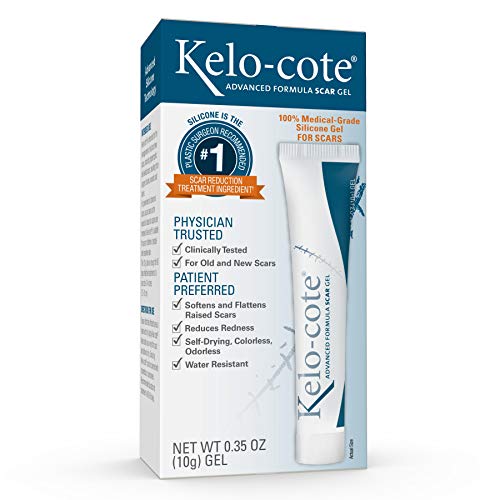
Kelo-Cote is used globally in post-surgical scar management protocols and remains one of the most clinically validated silicone scar gels available without a prescription. It dries to a clear, flexible film within minutes of application, providing continuous silicone coverage that works through the day under clothing and pressure. This is particularly valuable for scars on the torso, chest, or abdomen where sheet silicone shifts with movement. Studies show Kelo-Cote reduces scar height, softens texture, and fades pigmentation more significantly than untreated scars in controlled trials. Twice-daily application for 3 months is the recommended treatment protocol.
Cimeosil Scar and Laser Gel
Cimeosil is the premium option often recommended in medical aesthetics settings for post-procedure scarring, including laser treatment recovery. Its self-drying silicone formula is particularly gentle, making it ideal for those with very sensitive post-surgical skin or for use after procedures like laser scar revision or microneedling. It forms a thin, breathable film that doesn't irritate reactive skin or interfere with concurrent topical treatments. It's also available in sheet form for scars that benefit from sustained occlusion. For high-profile cosmetic surgery scars - facelifts, rhinoplasty, eyelid surgery - Cimeosil's lighter touch is an advantage.
Palmer's Cocoa Butter Scar Serum
Palmer's Scar Serum is an accessible, affordable option well-suited for surgical scars where the main concerns are discoloration and skin tightness rather than significant raising. Pure cocoa butter provides deep moisturization to keep the scar tissue pliable, reducing the tight, itchy feeling common after surgery. Vitamin E supports antioxidant healing, while the formula's emollient base keeps the scar soft and flexible as it matures. It's particularly popular among C-section patients and those recovering from minor surgical procedures. While it won't flatten hypertrophic scars, it improves overall skin appearance and comfort significantly during the healing period.

Derma E Scar Gel
Derma E Scar Gel is the top natural and clean-formula option for surgical scar care. It uses panthenol (vitamin B5), allantoin, and aloe vera in a lightweight gel format that absorbs quickly without synthetic silicones or fragrances. It improves hydration, reduces redness, and smooths early scar tissue without the heaviness of ointment-style products. For patients who prefer natural formulations or have highly sensitive skin that reacts to silicone-based gels, Derma E offers a gentler pathway to scar improvement. It's not as clinically validated as silicone gels for raised scars, but delivers solid results for flat, discolored surgical incision marks.
How to choose
Timing relative to healing
The 2-6 month post-surgery window is the optimal treatment period - start as soon as the wound is fully closed. - **Scar type determines formula:** Flat discolored scars benefit from Mederma or vitamin-based serums; raised hypertrophic scars require silicone. - **Film-forming silicones for active lifestyles:** Gel silicones that dry to a film are more practical than sheets for scars on mobile body areas. - **Consistent daily use beats everything:** Two weeks on, two weeks off won't work - daily application for at least 60-90 days is essential for visible results.
The bottom line
For most surgical scars, Mederma Advanced Scar Gel is the easiest and most accessible starting point. If your scar is raised or thickening, upgrade to Kelo-Cote silicone gel - it's the single most evidence-backed OTC product for that presentation. Begin treatment as early as your surgeon allows, protect the scar from sun exposure daily, and commit to at least 3 months of consistent use for the best possible outcome.
Common questions
You should wait until the incision has fully closed and any sutures or staples have been removed - typically 2 to 4 weeks after surgery. Applying cream to a wound that is not fully healed increases infection risk. Once the surface is intact, starting cream application within the first 3 months of healing (the active remodeling phase) yields significantly better results than waiting until the scar fully matures.
For raised, red, or hypertrophic surgical scars, silicone-based products are the first-line treatment recommended by plastic surgeons and wound care specialists. Silicone gel or sheeting normalizes hydration at the wound surface, which reduces the excessive collagen production driving the raised appearance. Daily use for 2 to 6 months typically results in meaningful flattening, softening, and fading of the scar color.
Yes - scar creams are especially beneficial after cosmetic surgeries where visible scarring outcomes matter most. C-section scars, tummy tuck incisions, breast augmentation scars, and facelift scars all respond well to early, consistent scar cream application. Follow your surgeon's timeline for starting topical treatment, typically 4 to 6 weeks post-op. Silicone gels are preferred over thick ointments for abdominal and chest scars as they dry to a film and stay in place under clothing.
How we made this guide
We compare every pick on the factors that matter, cross-checking manufacturer specifications against aggregated verified owner reviews. We rank independently and never take payment for placement. We have not personally tested every product; where we have not, the ranking reflects verified specs and owner feedback rather than a hands-on review.
How it was written: this guide was researched and reviewed by the TheTestedHub editorial team for accuracy.
Affiliate disclosure: TheTestedHub is reader-supported. When you buy through links on our site, we may earn a commission at no extra cost to you.
More guides

What Works Best for Eczema? 2026 Top Creams Reviewed
Dry Skin Care in 2026: Ceramide-Rich Picks for Barrier Repair

Curl Setting Sprays for Frizz Control: Ouidad Leads

Curl Creams That Define Without the Weight
Chemical Exfoliants 2026: Honest Reviews & Picks
8 Cancer Treatment Skin Care Products That Truly Soothe

Vitamin C Serums Compared: A Brightening Shortlist