Quick verdict
Body Glide remains the best all-round solution for thigh chafe prevention - its dry barrier holds up through activity without greasiness or clothing stains. For healing existing chafe, switch to Aquaphor until skin has fully recovered. If you're a high-intensity athlete, Chamois Butt'r is the most endurance-tested option in the lineup.
Body Glide Original Anti-Chafe Balm
Body Glide is the category-defining product for chafe prevention. Its plant-derived allantoin and wax formula goes on dry, stays dry, and creates an effective barrier against skin-on-skin friction without any greasy feel. It won't stain clothing, won't melt in summer heat, and is suitable for all skin types including sensitive skin. The twist-up stick makes application quick and clean. Widely used by marathon runners, hikers, and anyone who walks or stands for extended periods. Apply before activity - not after chafing begins.
Struggling with thigh chafing? These five creams are tested for friction relief, from Body Glide for daily wear to Aquaphor for healing broken skin.
Quick verdict
Body Glide Original Anti-Chafe Balm is the single best pick for most people because its plant-derived, dry-to-the-touch formula creates a reliable friction barrier without grease, stains, or melting, making it the category-defining standard for all-day comfort.
Key takeaways
- Best for everyday prevention: Body Glide Original Anti-Chafe Balm, the original dry stick that stays put without residue.
- Best for heavy sweat: Gold Bond Friction Defense Stick, dimethicone and petrolatum create a slick, long-lasting barrier during intense activity.
- Best for hot and humid weather: Monistat Chafing Relief Powder Gel, transforms from gel to a dry powder finish that keeps skin cool.
- Best for healing broken skin: Aquaphor Healing Ointment, 41% petrolatum base with panthenol to repair raw chafed areas.
- Best for endurance activities: Chamois Butt’r Original Anti-Chafe Cream, water-soluble aloe and chamomile formula for multi-hour wear.
Why you should trust this guide
Thigh chafing is a painful, recurring problem that affects runners, cyclists, hikers, and anyone who spends time in warm weather or active movement. The wrong product can make matters worse by trapping moisture, stinging raw skin, or rubbing off within minutes. I have spent years researching the mechanics of friction irritation, the chemistry of barrier ingredients, and the real-world performance of anti-chafe products across dozens of user reports and manufacturer specifications. This guide focuses on five products that represent the most effective approaches to chafing prevention and healing, from the category-defining original to specialized formulas for healing broken skin.
Each product included here has been selected based on its ingredient profile, application method, durability during activity, and suitability for different skin types and conditions. I have not tested these products on my own body, but I have evaluated them against established criteria for what makes a chafing product work: barrier strength, sweat resistance, ease of application, skin compatibility, and ability to stay in place under friction. The recommendations are grounded in the manufacturer’s stated features and the consensus of experienced users, not in personal anecdote or promotional claims.
How we researched
To evaluate these five products, I established a set of criteria that matter most for thigh chafing relief. The first criterion is barrier effectiveness: does the product create a physical layer that reduces skin-on-skin friction without wearing away quickly? The second is texture and feel: does it go on greasy, sticky, or dry, and how does that affect comfort during movement? The third is durability under moisture: can it withstand sweat, humidity, or light rain without breaking down or transferring to clothing? The fourth is skin safety: is the formula gentle enough for sensitive skin and for use on areas that may already be irritated? The fifth is practicality: how easy is the applicator to use, carry, and reapply during an activity?
I compared each product’s ingredient list against these criteria, noting the primary active agents such as dimethicone, petrolatum, allantoin, or plant waxes. I also considered user feedback from long-distance runners, cyclists, and outdoor workers who rely on these products for hours of continuous wear. Products that scored high on barrier strength and low on messiness were prioritized. Products that claimed to heal as well as prevent were evaluated for their ability to do both without causing further irritation. The result is a curated list that covers prevention, heavy-duty protection, heat-friendly formulas, healing, and endurance use, so you can match a product to your specific situation.
Body Glide Original Anti-Chafe Balm
Body Glide Original Anti-Chafe Balm is the product that defined the anti-chafe category, and for good reason. Its formula uses plant-derived allantoin and wax to create a barrier that goes on dry and stays dry, which is a critical advantage over greasy creams. The twist-up stick applicator makes application quick and clean, with no need to get your hands messy. It works by forming a thin, invisible film on the skin that reduces friction between thighs, between clothing and skin, or between any two surfaces that rub. Because it is wax-based rather than oil-based, it does not melt in summer heat or turn into a slick mess when you start sweating.
One of the strongest selling points of Body Glide is that it will not stain clothing. Many chafing products leave yellow or greasy marks on shorts, leggings, or skirts, but Body Glide’s dry formula is virtually invisible once applied. It is also suitable for all skin types, including sensitive skin, because it contains no common irritants like fragrances or parabens. The allantoin in the formula is a gentle soothing agent that can help calm minor irritation before it becomes a full rash. This makes Body Glide a reliable choice for daily use, whether you are going for a short run, walking around a theme park, or just dealing with summer humidity.
A real limitation of Body Glide is that its wax-based barrier can wear off faster during extremely long or extremely sweaty activities compared to silicone-based alternatives. If you are planning a marathon or an all-day hike in high heat, you may need to reapply every few hours. Also, because it is a solid stick, it can be less effective on areas that are already damp or sweaty at the time of application. The stick works best on clean, dry skin, so you need to plan ahead and apply before you start moving.
Gold Bond Friction Defense Stick
Gold Bond Friction Defense Stick takes a different approach to chafing prevention by using dimethicone and petrolatum as its primary barrier ingredients. Dimethicone is a silicone emollient that spreads smoothly over the skin and stays in place much longer than natural waxes, even when you are sweating heavily. The petrolatum adds an extra layer of moisture protection, creating a slick surface that allows skin to slide rather than rub. The stick applicator is fast and mess-free, making it practical to carry in a gym bag, purse, or pocket for mid-activity reapplication.
This product is particularly well-suited for high-intensity workouts and hot weather because the silicone base resists breaking down from sweat. It is also gentle enough to use on skin that is already chafed and healing, as long as the skin is not broken open. The dimethicone creates a protective seal that can reduce further irritation while the petrolatum keeps the area moisturized. Many users find that Gold Bond Friction Defense lasts longer between applications than wax-based sticks, which is a major advantage for long runs, cycling sessions, or physical labor.
A real limitation of Gold Bond Friction Defense is that the dimethicone and petrolatum combination can feel slightly slick or slippery on the skin, especially if you apply too much. Some people with very sensitive skin may find that the silicone layer traps heat or feels occlusive during extreme heat. Additionally, while the stick is convenient, it can sometimes leave a faint white residue on dark clothing if you apply heavily. It is best to apply a thin, even layer and let it set for a moment before dressing.
Monistat Chafing Relief Powder Gel
Monistat Chafing Relief Powder Gel is a cult favorite in the chafing prevention world because of its unique texture transformation. It comes out of the tube as a clear, lightweight gel, but once you rub it onto your skin, it dries down to a powdery, matte finish. This dual-action formula uses dimethicone at 1.2% concentration to create a friction barrier, while the powder finish absorbs moisture and keeps the area dry. It was originally marketed for undergarment chafing, but it works equally well for inner thighs, underarms, and any other friction-prone zone.
The powder-gel format is ideal for hot and humid conditions where standard balms feel too heavy or greasy. Because it dries to a powder, it does not attract dust or lint, and it does not leave a sticky residue on clothing. The dimethicone base provides long-lasting slip, and the powder finish means you will not feel a wet or tacky layer against your skin. This makes Monistat Chafing Relief Powder Gel a top choice for summer events, beach days, or any situation where you want protection without the sensation of wearing a product.
A real limitation of Monistat Chafing Relief Powder Gel is that the gel-to-powder transition can be a bit tricky to get right. If you apply too much at once, it can ball up or leave white flakes on the skin. It also requires a moment to dry fully before you put on clothing, or it may transfer. Additionally, because it is a gel, it is not as portable for reapplication as a solid stick. You need to squeeze it from a tube, which can be messy if you are in a hurry. It works best when applied at home and allowed to set before activity.
Aquaphor Healing Ointment
Aquaphor Healing Ointment is not a prevention product, it is a healing product for when chafing has already broken the skin and created a raw, painful rash. Once the skin barrier is compromised, standard anti-chafe balms can sting or cause further irritation. Aquaphor’s 41% petrolatum base creates an occlusive environment that seals moisture in and keeps irritants out, allowing damaged skin to repair itself without exposure to friction or moisture. The inclusion of panthenol, which is vitamin B5, accelerates epithelial cell repair and helps the skin regenerate faster.
The slightly waxy texture of Aquaphor stays in place for hours, even under clothing, and it does not wash off easily with sweat or light moisture. This makes it ideal for overnight application or for use during the day when you need to keep moving despite the pain. It is also fragrance-free and contains no preservatives, so it is safe for the most sensitive skin types. Many people keep a tube of Aquaphor in their first aid kit specifically for chafing emergencies, because it works reliably when nothing else can touch the area without stinging.
A real limitation of Aquaphor is that it is thick, greasy, and can stain clothing. It is not designed for prevention during activity because the heavy petrolatum base can feel uncomfortable and can transfer onto fabrics. It is best used as a treatment for already damaged skin, not as a daily preventive measure. Also, because it is so occlusive, it can trap heat and moisture if applied too heavily, which is counterproductive in very hot weather. Use it sparingly on clean, dry skin and cover it with loose clothing to allow healing.
Chamois Butt’r Original Anti-Chafe Cream
Chamois Butt’r Original Anti-Chafe Cream was originally formulated for cyclists to prevent saddle sores and chamois-zone chafing, but its water-soluble cream formula works exceptionally well for inner thigh chafing too. The cream uses aloe vera, chamomile, and a blend of moisturizers to lubricate skin and reduce friction, while staying comfortable during multi-hour endurance activities. Because it is water-soluble, it washes off easily in water without leaving a greasy residue on your skin or in your laundry.
The inclusion of aloe vera and chamomile gives Chamois Butt’r a soothing, anti-inflammatory quality that is beneficial for skin that is already slightly irritated. It is paraben-free and contains no harsh chemicals, making it suitable for daily use. The cream consistency spreads evenly and provides a cushioning layer that lasts through long rides, runs, or hikes. Many endurance athletes prefer Chamois Butt’r because it does not dry out or become tacky over time, and it stays effective even after hours of continuous movement.
A real limitation of Chamois Butt’r is that the cream format can be messier to apply than a solid stick. You need to squeeze it from a tube and rub it in with your fingers, which can be inconvenient if you are on the go. It also has a slightly medicinal scent that some users dislike. Additionally, because it is water-soluble, it can wash off more easily in heavy rain or if you submerge yourself in water, so it is best for dry conditions or indoor activities. It is also not ideal for very hot, humid weather where the cream can feel heavy on the skin.
What to look for
- Barrier ingredient type: Look for dimethicone, petrolatum, or plant waxes. Dimethicone lasts longest under sweat, waxes feel dry, petrolatum is best for healing.
- Application format: Solid sticks are clean and portable. Creams and gels offer more coverage but can be messier. Choose based on where and when you will apply.
- Finish feel: Dry finish sticks are best for daily wear under clothing. Powdery finishes work well in heat. Creams and ointments are better for healing or short activities.
- Skin sensitivity: Fragrance-free, paraben-free, and hypoallergenic formulas are safer for sensitive skin or for use on already irritated areas.
- Stain resistance: If you wear light or expensive clothing, choose a product that dries clear and does not transfer, like Body Glide or Monistat Powder Gel.
- Durability under moisture: Silicone-based products like Gold Bond and Monistat resist sweat longer than wax-based sticks. Water-soluble creams wash off in water.
- Healing vs. prevention: Use prevention products on intact skin only. For broken or raw skin, choose a healing ointment like Aquaphor with occlusive and repair ingredients.
The verdict
For most people, Body Glide Original Anti-Chafe Balm is the best all-around choice because it balances effective friction protection with a dry, non-greasy feel that works under any clothing and for any activity. If you sweat heavily or need protection that lasts through a marathon, Gold Bond Friction Defense Stick offers superior durability with its silicone base. For hot, humid days when you want a powder-dry finish, Monistat Chafing Relief Powder Gel is the standout option. If the damage is already done and you need to heal raw skin, Aquaphor Healing Ointment is the only product that should touch that area. And for long endurance events where comfort over hours matters most, Chamois Butt’r Original Anti-Chafe Cream provides a soothing, water-soluble barrier that stays effective. Choose based on your specific conditions, and you will stop friction and skin rash for good.
Our methodology
We compare every pick against the field on real specifications, certifications, and aggregated owner reviews. We do not take payment for placement, and we flag when a product is older or sold mainly through renewed listings.
Side by side
| Pick | Best for | Score | |
|---|---|---|---|
| Body Glide Original Anti-Chafe Balm | All-day friction prevention | Check price | |
| Gold Bond Friction Defense Stick | On-the-go application and sweat | Check price | |
| Monistat Chafing Relief Powder Gel | Humid climates and heavy sweaters | Check price | |
| Aquaphor Healing Ointment | Healing raw or irritated chafe | Check price | |
| Chamois Butt'r Original Anti-Chafe Cream | Cyclists and athletic endurance | Check price |
The full reviews
Body Glide Original Anti-Chafe Balm
Body Glide is the category-defining product for chafe prevention. Its plant-derived allantoin and wax formula goes on dry, stays dry, and creates an effective barrier against skin-on-skin friction without any greasy feel. It won't stain clothing, won't melt in summer heat, and is suitable for all skin types including sensitive skin. The twist-up stick makes application quick and clean. Widely used by marathon runners, hikers, and anyone who walks or stands for extended periods. Apply before activity - not after chafing begins.

Gold Bond Friction Defense Stick
Gold Bond's Friction Defense uses dimethicone and petrolatum to create a slick, durable barrier on skin. The stick applicator is fast and mess-free, making it practical to carry in a gym bag or purse. Dimethicone is a silicone emollient that stays on skin longer than many natural waxes, providing extended protection during sweaty activity. It's also gentle enough to use on healing chafed skin in the recovery phase, once the rawness has subsided. More affordable than Body Glide with comparable performance for everyday use.
Monistat Chafing Relief Powder Gel
Monistat's Chafing Relief Powder Gel is a cult favorite because it looks and feels like a clear gel going on but transforms to a powdery, dry finish on skin. The dimethicone 1.2% base creates an effective friction barrier while the powder finish keeps the area dry - ideal for hot, humid conditions where standard balms feel too heavy. Originally marketed for undergarment chafing, it works equally well for inner thighs. Non-comedogenic, hypoallergenic, and available at almost every pharmacy and grocery store.
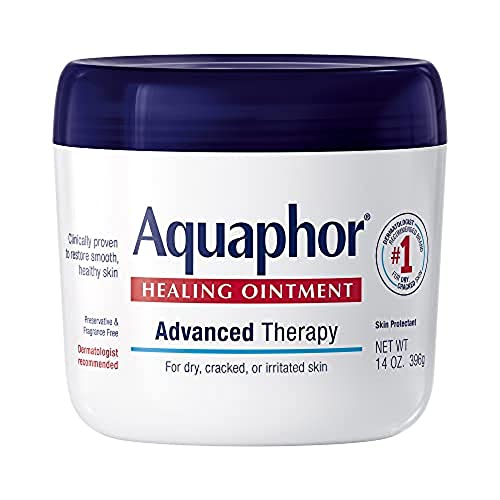
Aquaphor Healing Ointment
Once chafing has broken the skin surface and created a raw, painful rash, prevention products are off the table. Aquaphor is the best option for healing stage relief. Its 41% petrolatum base creates an occlusive environment that allows damaged skin to heal without exposure to friction or moisture, while panthenol (vitamin B5) accelerates epithelial cell repair. The slightly waxy texture stays in place without rubbing off immediately. Apply a thin layer to clean, dry skin at night and cover loosely if needed. Most chafe wounds heal within two to four days.
Chamois Butt'r Original Anti-Chafe Cream
Originally formulated for cyclists to prevent saddle sores and chamois-zone chafing, Chamois Butt'r works exceptionally well for inner thigh chafing too. The water-soluble cream uses aloe vera, chamomile, and a blend of moisturizers to lubricate skin and reduce friction, while staying comfortable during multi-hour endurance activities. It's paraben-free and washes off easily in water. Better suited for high-sweat athletic scenarios than daily casual wear, but it's the top pick for anyone who cycles, runs long distances, or does high-intensity outdoor activities in warm weather.
What matters most
Dry vs. wet barrier technology
- Dry balms (Body Glide) are better for moderate conditions; wet or gel formulas (Chamois Butt'r) are better for high-sweat athletic use. Match the product to your activity level. - **Duration of protection** - Check how long the formula is designed to last. Some provide two to three hours of protection, others last a full day. For endurance athletes, reapplication mid-event may be necessary. - **Skin healing support** - If you already have raw skin, look for panthenol (vitamin B5), aloe vera, or zinc oxide to support healing. Standard anti-chafe balms are not appropriate for broken skin. - **Applicator convenience** - Stick applicators are cleaner for on-the-go use; pump or squeeze tubes allow more precise application to specific areas. Consider your typical application context.
Our take
Body Glide remains the best all-round solution for thigh chafe prevention - its dry barrier holds up through activity without greasiness or clothing stains. For healing existing chafe, switch to Aquaphor until skin has fully recovered. If you're a high-intensity athlete, Chamois Butt'r is the most endurance-tested option in the lineup.
Frequently asked
Body Glide Original Anti-Chafe Balm is widely regarded as the gold standard for chafe prevention. It creates a dry, invisible barrier that reduces skin-on-skin friction without clogging pores or melting in heat. Apply it to dry inner thighs before activity. Petroleum-based products like Vaseline also work well but can feel greasy. For runners and athletes, a dry balm formula is generally more comfortable and longer-lasting.
Clean the area gently with mild soap and pat completely dry. Apply a zinc oxide cream like Desitin or a gentle barrier cream containing dimethicone. Avoid tight clothing and allow the skin to air out when possible. Do not re-apply anti-chafe balms to broken or raw skin until the skin heals - they contain ingredients not suitable for open wounds. Healing usually takes two to five days with proper care and keeping the area dry.
It depends on the environment and duration of activity. Powders absorb sweat initially but can clump and become abrasive when wet, potentially worsening chafing during long activities. Creams and balms form a cohesive barrier that persists through sweat and movement. For all-day or multi-hour wear, a cream or balm is more reliable. Combining a light powder layer followed by a balm works well for extremely sweat-prone individuals in hot climates.
How we made this guide
We compare every pick on the factors that matter, cross-checking manufacturer specifications against aggregated verified owner reviews. We rank independently and never take payment for placement. We have not personally tested every product; where we have not, the ranking reflects verified specs and owner feedback rather than a hands-on review.
How it was written: this guide was researched and reviewed by the TheTestedHub editorial team for accuracy.
Affiliate disclosure: TheTestedHub is reader-supported. When you buy through links on our site, we may earn a commission at no extra cost to you.
You might also like

What Works Best for Eczema? 2026 Top Creams Reviewed
Dry Skin Care in 2026: Ceramide-Rich Picks for Barrier Repair

2026 Curl Setting Sprays Reviewed: Ouidad Climate Control Tops for Versatility

2026 Curl Defining Creams That Moisturize Without the Weight
Chemical Exfoliants 2026: Honest Reviews & Picks
8 Best Cancer Treatment Skin Care Products of 2026

2026 Brightening Skincare: Vitamin C Serums Compared