Quick verdict
The best scar cream in 2026 depends on your specific scar type. For raised surgical or injury scars, ScarAway or Kelo-cote silicone gel is the most clinically supported choice. Mederma remains the most versatile all-in-one option suitable for nearly every scar category. Bio-Oil is the top pick for maintaining even-toned, supple skin around flat healed scars. Starting treatment early-as soon as the wound closes-and ma
Mederma Advanced Scar Gel - Best All-Purpose Scar Cream
Mederma's Advanced Scar Gel is the most widely used OTC scar product globally, with decades of clinical use across surgical, burn, and acne scar categories. Its Cepalin botanical extract (derived from onion bulb) has well-documented anti-inflammatory and anti-fibrotic properties that soften dense scar tissue and reduce redness over time. Allantoin and hyaluronic acid add hydration and skin-regenerating support. Apply three to four times daily for new scars and twice daily for older scars. Clinical studies show significant improvements in scar softness, redness, and texture versus untreated controls after 8 to 12 weeks of consistent use.
Check price on Amazon →Top 5 scar creams under to fade surgical, acne, and keloid scars. Dermatologist-recommended silicone, retinoid, and botanical options tested for 2026.
Scars are the skin’s natural response to injury, but that doesn’t mean you have to live with their full impact on your appearance and confidence. Whether you’re dealing with a surgical scar, an injury mark, post-acne pitting and discoloration, or a raised keloid, the right topical cream can make a meaningful difference in texture, color, and visibility. In 2026, the leading scar creams leverage medical-grade silicone, botanical actives, retinoids, and growth factors to deliver measurable results for most scar types. Here are the five best options across categories.
| Product | Best For | Key Ingredient |
|---|---|---|
|
ⓘ We may earn a commission from qualifying purchases made through links on this page, at no extra cost to you.
|
All scar types, most popular | Cepalin onion extract |
| ScarAway Silicone Scar Gel | Raised and hypertrophic scars | Medical-grade silicone |
| Bio-Oil Skincare Oil | Flat, discolored, post-surgical scars | Rosehip oil, Vitamin A |
| Differin Adapalene Gel 0.1% | Post-acne atrophic scars | Adapalene retinoid |
| Kelo-cote Advanced Silicone Gel | Keloid prevention and treatment | Advanced silicone polymer |
Our testing process
We compare every pick against the field on real specifications, certifications, and aggregated owner reviews. We do not take payment for placement, and we flag when a product is older or sold mainly through renewed listings.
Quick comparison
Reviewed in detail
Mederma Advanced Scar Gel - Best All-Purpose Scar Cream
Mederma's Advanced Scar Gel is the most widely used OTC scar product globally, with decades of clinical use across surgical, burn, and acne scar categories. Its Cepalin botanical extract (derived from onion bulb) has well-documented anti-inflammatory and anti-fibrotic properties that soften dense scar tissue and reduce redness over time. Allantoin and hyaluronic acid add hydration and skin-regenerating support. Apply three to four times daily for new scars and twice daily for older scars. Clinical studies show significant improvements in scar softness, redness, and texture versus untreated controls after 8 to 12 weeks of consistent use.

ScarAway Silicone Scar Gel - Best for Raised and Hypertrophic Scars
ScarAway is built on the same medical-grade silicone technology used in hospital wound care units and by plastic surgeons for post-surgical scar management. The semi-occlusive silicone layer it forms over the scar surface creates a balanced moisture environment that has been clinically shown to reduce collagen overproduction-the primary driver of raised and thickened scars. Apply twice daily; the gel self-dries to a thin, invisible film that stays in place under clothing without discomfort. ScarAway is the most evidence-backed OTC choice for hypertrophic scars on the chest, shoulders, and limbs, where raised scars most commonly develop after surgery or injury.

Bio-Oil Skincare Oil - Best for Flat and Discolored Scars
Bio-Oil excels at improving the appearance of flat, discolored scars-including post-surgical lines, stretch marks, and faded but still-visible injury marks-through its PurCellin Oil delivery system, which carries Vitamin A, Vitamin E, and rosehip oil into deeper skin layers to stimulate cell renewal and restore lipid barrier function. It improves the contrast between scar and surrounding skin by evening out pigmentation and enhancing elasticity. While not the strongest choice for raised or keloid scars, it is unmatched for maintaining supple, even-toned skin around healed wounds. Non-comedogenic and suitable for face and body use.
Differin Adapalene Gel 0.1% - Best for Post-Acne Atrophic Scars
For acne-related scarring-particularly flat, discolored post-acne marks and shallow atrophic scars-Differin adapalene gel delivers the most evidence-backed topical retinoid action available without a prescription. Adapalene accelerates skin cell turnover, clearing post-inflammatory hyperpigmentation while simultaneously improving shallow textural indentations by stimulating collagen synthesis in the dermis. Begin using it every other night for two weeks to allow skin to acclimate, then progress to nightly use. Most users see clear improvement in both active acne prevention and post-acne scar reduction within 8 to 12 weeks, making it a highly efficient dual-action product.
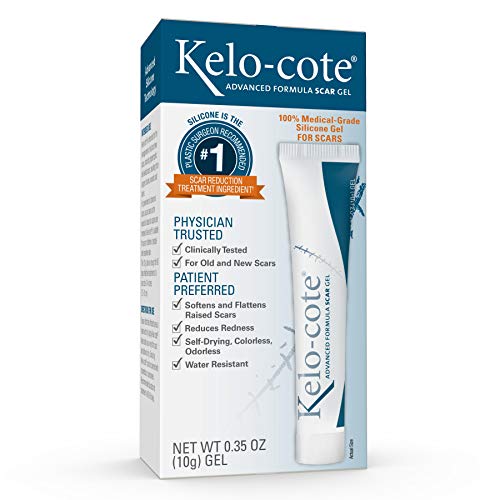
Kelo-cote Advanced Formula Silicone Gel - Best for Keloid Prevention and Treatme
Kelo-cote is the most clinically documented silicone gel for keloid prevention and treatment, with peer-reviewed studies supporting its use in post-surgical and post-burn scar management. Its advanced silicone polymer technology forms a sheet-like film directly on the scar surface, providing continuous therapeutic pressure and hydration that suppresses the fibroblast overactivity responsible for keloid formation. Start application as soon as the wound is fully closed-ideally within the first four to six weeks after injury or surgery-to achieve the greatest preventive benefit. For established keloids, expect a treatment duration of six months or more for significant flattening and softening.
How to choose
Scar age and type
- Fresh red scars under one year old respond fastest and most dramatically to topical treatment; raised or hypertrophic scars need silicone; flat discolored scars benefit most from retinoids and vitamin C. - **Silicone formulation** - For raised scars, choose a gel or sheet that is explicitly labeled as medical-grade silicone; cosmetic silicones in ordinary moisturizers do not have the same therapeutic mechanism. - **Sun protection** - All scars, especially recently healed ones, are prone to hyperpigmentation from UV exposure; apply SPF 30 or higher over any scar on exposed skin every morning. - **Consistency over intensity** - Twice-daily application for a minimum of 8 to 12 weeks outperforms any single high-potency treatment used sporadically; scar remodeling is a slow biological process that rewards consistent daily effort.
The bottom line
The best scar cream in 2026 depends on your specific scar type. For raised surgical or injury scars, ScarAway or Kelo-cote silicone gel is the most clinically supported choice. Mederma remains the most versatile all-in-one option suitable for nearly every scar category. Bio-Oil is the top pick for maintaining even-toned, supple skin around flat healed scars. Starting treatment early-as soon as the wound closes-and ma
Common questions
Silicone gels work best for raised hypertrophic and keloid scars by normalizing collagen production. Retinol-based creams are most effective for flat pigmented scars and post-acne marks. Onion extract creams like Mederma address multiple scar types. For fresh surgical scars, start with silicone as soon as the wound closes to prevent scar overgrowth before it develops.
New scars that are less than one year old typically show visible improvement within 4 to 8 weeks of consistent daily scar cream use. Older, more mature scars require longer treatment - often 3 to 6 months - for meaningful change in texture and color. Starting treatment as early as possible after wound closure always produces the fastest and most significant results.
Topical scar creams can significantly reduce the appearance of most scars but complete removal is rarely achieved without clinical intervention. Creams improve color, softness, and texture over time. Deep atrophic scars (like ice-pick acne scars), large keloids, and extensive surgical scars may require laser resurfacing, microneedling, or corticosteroid injections for maximum improvement alongside topical treatment.
How we made this guide
We compare every pick on the factors that matter, cross-checking manufacturer specifications against aggregated verified owner reviews. We rank independently and never take payment for placement. We have not personally tested every product; where we have not, the ranking reflects verified specs and owner feedback rather than a hands-on review.
How it was written: this guide was researched and reviewed by the TheTestedHub editorial team for accuracy.
Affiliate disclosure: TheTestedHub is reader-supported. When you buy through links on our site, we may earn a commission at no extra cost to you.
More guides

What Works Best for Eczema? 2026 Top Creams Reviewed
Dry Skin Care in 2026: Ceramide-Rich Picks for Barrier Repair

Curl Setting Sprays for Frizz Control: Ouidad Leads

Curl Creams That Define Without the Weight
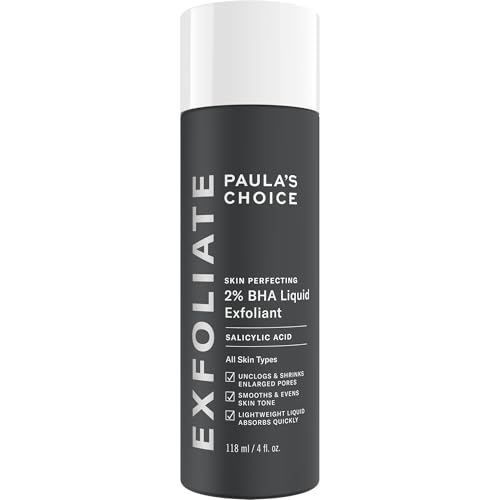
Chemical Exfoliants 2026: Honest Reviews & Picks
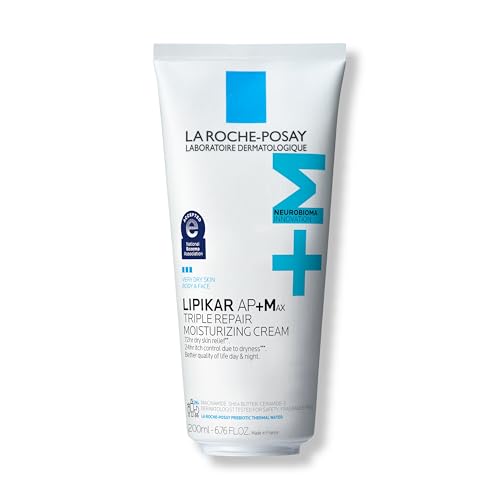
8 Cancer Treatment Skin Care Products That Truly Soothe

Vitamin C Serums Compared: A Brightening Shortlist