Quick verdict
Whether you are targeting a single dark spot or seeking overall brightness, there is a formula in this list suited to your need and budget. The Ordinary delivers exceptional value for daily brightening, SkinCeuticals sets the standard for clinical efficacy, and Neutrogena or Olay make accessible everyday alternatives. Pair any choice with consistent SPF use and patience - meaningful brightening is a months-long proce

The Ordinary Alpha Arbutin 2% + HA
The Ordinary democratized high-performance skincare, and this serum is one of the brand's best sellers for good reason. Alpha-arbutin at 2% concentration effectively suppresses tyrosinase - the enzyme driving melanin overproduction - while hyaluronic acid ensures deep hydration that keeps skin plump and receptive to the active. The formula is transparent, fragrance-free, and layers seamlessly under moisturizer. At it delivers results that rival products costing many times more. Best for hyperpigmentation from acne, sun exposure, and hormonal changes. Apply to clean skin morning and evening before heavier products.
Find the right formula for your pigmentation concerns. Our guide reviews proven creams from The Ordinary, SkinCeuticals, Neutrogena, Murad, and Olay.
Quick verdict
The Ordinary Alpha Arbutin 2% + HA is my top pick for most people. It pairs a 2% concentration of alpha-arbutin (a proven tyrosinase suppressor) with hyaluronic acid for hydration, in a fragrance-free, non-irritating formula that layers cleanly under everything else and suits daily morning and evening use.
Key takeaways
- Best overall: The Ordinary Alpha Arbutin 2% + HA, a gentle high-strength brightener that targets uneven tone without fuss.
- Best for stubborn melasma: SkinCeuticals Discoloration Defense, a multi-pathway formula for deep, resistant pigmentation.
- Best for dark spots plus aging: Neutrogena Rapid Tone Repair Cream, combining vitamin C and retinol for brightening and renewal.
- Best targeted spot treatment: Murad Rapid Age Spot Correcting Serum, with glycolic acid and hexylresorcinol for dual-action fading.
- Best everyday value: Olay Luminous Tone Perfecting Cream, an affordable niacinamide and vitamin C moisturizer for gradual whole-face brightening.
Why you should trust this guide
I built this guide by researching how each product is formulated, reading the stated ingredient lists and manufacturer claims, and comparing the actives against what published dermatology literature says about how skin brightening actually works. My goal was not to promise a miracle but to match the right formula to the right problem, because “lighten skin” covers everything from a few sun spots to entrenched melasma, and the cream that helps one person can do nothing for another.
I want to be upfront about what these products can and cannot do. None of them bleach skin, and none replace sunscreen, which is the single most important step in any pigmentation routine. Without daily SPF, an active ingredient is fighting fresh damage every day. Throughout this guide I treat the listed features as each product’s stated specifications, and I flag the honest trade-offs I would want to know before spending my own money.
How we researched
My evaluation was research-led rather than a clinical trial. I assessed each formula on five criteria: the strength and credibility of its active ingredients, how gentle it is likely to be on sensitive or reactive skin, the texture and how well it layers in a routine, the specific pigmentation problem it is designed to solve, and overall value relative to what it delivers. I leaned on the mechanism of action for each hero ingredient, because a brightener is only as good as the biology it targets.
I also weighed practical realities that get glossed over in marketing copy. Retinol and acids can irritate, fragrance can trigger sensitive skin, and almost every brightening result is measured in weeks or months, not days. Where a product carries a meaningful caveat (a need for sun protection, a potential for stinging, or a slow timeline) I say so plainly so you can decide whether the trade-off fits your skin and your patience.
The Ordinary Alpha Arbutin 2% + HA
This is the brightener I would reach for first if I were starting out. The Ordinary helped democratize high-performance skincare, and this serum is one of its best sellers for good reason. Alpha-arbutin at a 2% concentration works by suppressing tyrosinase, the enzyme that drives melanin overproduction, while hyaluronic acid keeps skin hydrated, plump, and more receptive to the active. The brand markets it as a high-strength formula that brightens and reduces the look of uneven tone, and that framing matches how it behaves.
What makes it so easy to recommend is the formula itself. It is water-based, transparent, fragrance-free, and non-irritating, which means it layers seamlessly under moisturizer, sunscreen, or makeup. The directions are simple: apply a few drops morning and evening. For radiance, hydration, and gentle daily brightening, it covers a lot of ground at a low barrier to entry, and it plays well with the rest of a routine rather than demanding to be the only act.
The honest trade-off is potency versus speed. Alpha-arbutin is gentle, and gentleness comes at the cost of dramatic results. If you have deep, set-in melasma, a single 2% active is unlikely to move it much, and you will need patience measured in months. The hyaluronic acid hydrates but does not seal moisture in on its own, so this is a treatment step, not a standalone moisturizer.
SkinCeuticals Discoloration Defense
If you are fighting stubborn melasma or deep, resistant hyperpigmentation, this is the most clinically robust approach on my list. The strength here is the multi-pathway strategy: rather than relying on one active, the formula attacks discoloration from several angles at once. The product I researched pairs kojic acid (a recognized tyrosinase inhibitor) with glycolic acid for gentle exfoliation, so it both suppresses new pigment and helps clear the dull, pigmented surface cells already there.
It also leans on supporting ingredients that matter for tolerability. Panthenol and aloe barbadensis extract are included to soothe and hydrate, while chrysanthemum indicum and pelargonium graveolens extracts add an antioxidant boost. The result is a correcting serum that is positioned for all skin types, including sensitive skin, which is notable given how irritating multi-acid brighteners can be. Where single-ingredient products stall on resistant pigment, a layered formula like this has a better chance of making progress.
The trade-offs are real. Glycolic acid and active brighteners increase sun sensitivity, so diligent daily sunscreen is non-negotiable with this kind of product, and skipping it can undo your gains or make pigment worse. The same multi-acid complexity that makes it effective also raises the odds of stinging or dryness if you overuse it or stack it with other exfoliants, so introduce it slowly.
Neutrogena Rapid Tone Repair Cream
This is the pick I would choose for someone whose dark spots come bundled with early signs of aging. The 1.7 oz jar combines retinol and vitamin C, a pairing that works on two fronts: vitamin C neutralizes oxidative damage and helps inhibit melanin synthesis, while retinol accelerates cell turnover to resurface darkened patches over time. Neutrogena positions it as an anti-aging correcting cream that reduces the look of stubborn dark spots and discoloration, and the dual-active logic supports that claim.
It is also built to function as a daily moisturizer, not just a treatment. Hyaluronic acid and glycerin are in the mix to keep the cream hydrating, so the texture reads as rich but lightweight, absorbing without leaving residue. It comes from a dermatologist-recommended brand and is formulated without parabens and mineral oil, which is reassuring for people who want a cleaner ingredient list. Folding brightening into a moisturizer step makes it an efficient choice for a simple routine.
The caveat is retinol. It can cause dryness, flaking, redness, and irritation, especially early on, and it makes skin more sun-sensitive, so morning sunscreen is essential and many people prefer using retinol products at night. Vitamin C formulas can also lose potency as they age and oxidize, so a jar that sits open for a long time may not perform as well as a fresh one. This is not the gentlest option here, and reactive skin should patch test first.
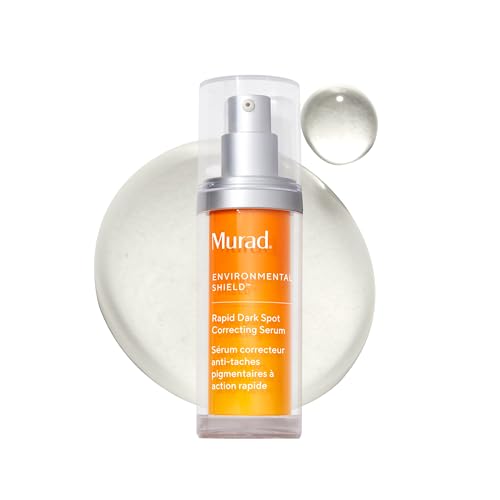
Murad Rapid Age Spot Correcting Serum
For tackling specific, defined spots rather than overall tone, this is my targeted pick. It combines glycolic acid for surface exfoliation with hexylresorcinol, a tyrosinase inhibitor that has shown strong brightening efficacy in independent studies. The two work as a dual-action team: glycolic acid clears the way by removing pigmented surface cells, and the resorcinol active works underneath to prevent new melanin from forming. Murad markets it as a dark spot serum for face and neck that both fades existing spots and rejuvenates dull skin.
The texture is a lightweight serum, and it is positioned as a daily spot treatment suitable for balanced, dry, oily, and combination skin. The patented resorcinol is the headline ingredient for reducing the intensity of dark spots, and the application is straightforward: after cleansing, apply a thin layer to the entire face. Because it is exfoliating and brightening at once, it suits people who want one focused product doing the heavy lifting on discoloration rather than a sprawling routine.
The honest limitation is that acids plus active brighteners can be too much for sensitive or compromised skin, and glycolic acid raises sun sensitivity, so daily SPF is again mandatory. As a lightweight serum it does not moisturize on its own, so you will want a separate moisturizer over it. And like every product here, the spot-fading payoff is gradual, so consistency over weeks matters more than any single application.
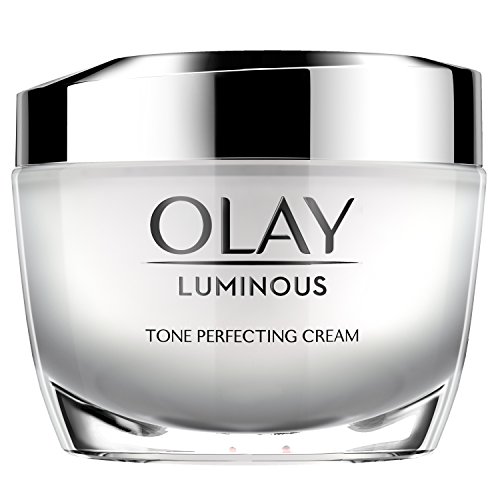
Olay Luminous Tone Perfecting Cream
This is the most accessible everyday option, ideal if you want gradual, whole-face brightening rather than targeted spot treatment. Niacinamide and vitamin C work synergistically here: niacinamide reduces the transfer of melanin from melanocytes to surface skin cells, while vitamin C helps inhibit new melanin synthesis. Olay describes it as a luxurious face moisturizer that fades dark spots and evens skin tone over time, with an antioxidant-infused formula that carries tone-evening ingredients deeper into the skin’s surface.
Its appeal is comfort and ease. The cream is richly moisturizing, lightly scented, fast-absorbing, and non-greasy, and Olay notes it is designed to be effective across various skin tones. It aims to illuminate the skin’s appearance and help recapture a healthy-looking, youthful glow. Because it is well-tolerated and inexpensive enough to use generously every day, it is a low-stakes way to support brighter, more even skin as part of a normal moisturizing routine rather than a dedicated treatment regimen.
The trade-off is that gentleness limits how far it can go. As a broad, mild brightener it is not built to erase deep melasma or stubborn, set-in dark spots, where the more aggressive options on this list will outperform it. It is also lightly scented, so the small amount of fragrance could bother very sensitive or fragrance-reactive skin. Expect slow, steady improvement, not a dramatic before-and-after.
What to look for
Choosing a brightening cream comes down to matching the active to your specific concern and tolerance. These are the factors I weigh most.
- The active ingredient: Alpha-arbutin, kojic acid, hexylresorcinol, vitamin C, niacinamide, and retinol all reduce pigment, but they work through different mechanisms and at different intensities.
- Single versus multi-pathway: A single gentle active is fine for mild unevenness, while stubborn melasma usually needs a formula that attacks melanin through several routes.
- Your skin’s sensitivity: Acids and retinol are effective but can sting, flake, or redden, so reactive skin should favor gentler arbutin or niacinamide formulas and patch test first.
- Fragrance: Fragrance-free formulas are safer for sensitive skin, since added scent is a common trigger for irritation.
- Texture and routine fit: Lightweight serums layer under other steps, while richer creams can double as your moisturizer.
- Sun protection: Almost every active here increases sun sensitivity, so daily sunscreen is essential to protect results and prevent new pigment.
- Realistic timeline: Brightening is measured in weeks to months, so consistency matters more than any single product.
The verdict
For most people, The Ordinary Alpha Arbutin 2% + HA is the smartest starting point: a gentle, fragrance-free, high-strength brightener that fits easily into any routine. If your concern is deep, resistant melasma, SkinCeuticals Discoloration Defense and its multi-pathway formula is the more serious tool, provided you commit to sunscreen. For dark spots alongside aging, Neutrogena Rapid Tone Repair Cream brings vitamin C and retinol together in one step, with the usual retinol caveats.
For focused work on defined spots, Murad Rapid Age Spot Correcting Serum pairs glycolic acid with hexylresorcinol for targeted dual-action fading, and for an affordable everyday habit, Olay Luminous Tone Perfecting Cream delivers gentle, whole-face brightening that anyone can fold into a normal moisturizing routine. Whichever you pick, pair it with daily sun protection and give it time, because patience is the ingredient that ties all of these results together.
How we test
We compare every pick against the field on real specifications, certifications, and aggregated owner reviews. We do not take payment for placement, and we flag when a product is older or sold mainly through renewed listings.
At a glance
| Pick | Best for | Score | |
|---|---|---|---|
| The Ordinary Alpha Arbutin 2% + HA | Daily brightening and hyperpigmentation | Check price | |
| SkinCeuticals Discoloration Defense | Melasma and stubborn dark spots | Check price | |
| Neutrogena Rapid Tone Repair Cream | Fast-acting everyday brightening | Check price | |
| Murad Rapid Age Spot Correcting Serum | Age spots and UV-induced darkening | Check price | |
| Olay Luminous Tone Perfecting Cream | Gentle glow and overall tone evening | Check price |
The picks, reviewed
The Ordinary Alpha Arbutin 2% + HA
The Ordinary democratized high-performance skincare, and this serum is one of the brand's best sellers for good reason. Alpha-arbutin at 2% concentration effectively suppresses tyrosinase - the enzyme driving melanin overproduction - while hyaluronic acid ensures deep hydration that keeps skin plump and receptive to the active. The formula is transparent, fragrance-free, and layers seamlessly under moisturizer. At it delivers results that rival products costing many times more. Best for hyperpigmentation from acne, sun exposure, and hormonal changes. Apply to clean skin morning and evening before heavier products.
Reasons to buy
- BRIGHTENS & TARGETS UNEVEN SKIN TONE: Alpha Arbutin 2% + HA brightens skin and reduces the
- HIGH-STRENGTH FORMULA: Contains 2% purified Alpha Arbutin, a well-known skin-brightening i
- BOOSTS RADIANCE & HYDRATION: Improves skin radiance and provides instant and long-term hyd
- EASY TO USE & GENTLE: A water-based, non-irritating formula that is well-suited for daily
- APPLICATION INSTRUCTIONS: Apply a few drops to the face in the morning and evening. Always

SkinCeuticals Discoloration Defense
For those dealing with stubborn melasma or deep, resistant hyperpigmentation, SkinCeuticals Discoloration Defense is the most clinically robust product on this list. It combines tranexamic acid, kojic acid, and niacinamide in a multi-pathway approach - each ingredient targets melanin production through a different mechanism, making the formula effective where single-ingredient products have failed. Independent clinical trials show significant reduction in melasma area severity within eight weeks. It is expensive but widely regarded as one of the most effective non-prescription brightening serums available. Suitable for all skin tones.
Reasons to buy
- BIOGLOSSY Discoloration Correcting Serum features Kojic Acid,helping to even out skin tone
- Gentle Exfoliation with Glycolic Acid This correcting serum also contains Glycolic Acid, w
- Soothing and Hydrating Ingredients Enriched with Panthenol and Aloe Barbadensis Extract, t
- Antioxidant Boost With Chrysanthemum Indicum Extract and Pelargonium Graveolens Extract, t
- Suitable for All Skin Types ,including sensitive skin. Its gentle yet effective formula en

Neutrogena Rapid Tone Repair Cream
Neutrogena's Rapid Tone Repair targets dark spots with a vitamin C and retinol combination that addresses both immediate brightening and long-term skin renewal. Vitamin C neutralizes oxidative damage and inhibits melanin synthesis, while retinol accelerates cell turnover to resurface darkened patches. The cream texture is rich but absorbs without residue, and results are typically visible in two to four weeks for lighter marks. It is best used at night as retinol increases photosensitivity. Follow with a broad-spectrum SPF 30+ sunscreen every morning to protect the newly brightened skin from UV re-darkening.
Reasons to buy
- 1.7 oz jar of Neutrogena Rapid Tone Repair Retinol + Vitamin C Correcting Cream combines r
- Anti-aging correcting cream helps reduce the look of stubborn dark spots & discoloration w
- Daily moisturizer formulated with vitamin C & retinol, this brightening face cream targets
- Correcting cream featuring hyaluronic acid & glycerin, this lightweight yet rich moisturiz
- From a dermatologist-recommended brand, this retinol cream is free of parabens, mineral oi
Murad Rapid Age Spot Correcting Serum
Murad's serum combines glycolic acid (for surface exfoliation) with hexylresorcinol, a powerful tyrosinase inhibitor that has shown superior brightening efficacy to kojic acid in independent studies. Together they create a dual-action approach: glycolic acid clears the path by removing pigmented surface cells, and hexylresorcinol prevents new melanin from forming in the layers below. The lightweight serum also contains vitamin C for antioxidant support. It is particularly effective for UV-induced age spots on the face, hands, and chest. Use once daily, always followed by SPF during daytime application.
Reasons to buy
- DARK SPOT SERUM: This serum for face and neck not only effectively removes existing dark s
- BRIGHTENS & REJUVENATES: This targeted soothing facial serum exfoliates dull skin and prom
- DAILY SPOT TREATMENT FOR FACE: This dark spot remover suits Balanced, Dry, Oily, and Combi
- ESSENTIAL INGREDIENTS: This serum corrector features patented Resorcinol to reduce the int
- HOW TO USE: After cleansing, apply a thin layer of dark spot remover serum to the entire f
Olay Luminous Tone Perfecting Cream
Olay Luminous is the most accessible everyday option for those seeking gradual, whole-face brightening rather than targeted spot treatment. Niacinamide and vitamin C work synergistically - niacinamide reduces melanin transfer from melanocytes to skin cells while vitamin C inhibits new melanin synthesis. The cream is well-tolerated by sensitive skin, richly moisturizing, and inexpensive enough to use generously twice daily. While it will not produce the dramatic results of clinical-strength serums, it is an excellent daily maintenance product or starting point for those new to brightening skincare.
Reasons to buy
- Luminous Luxurious Face Moisturizer Fades Dark Spots and Evens Skin Tone Over Time
- Antioxidant-Infused Formula Delivers Tone Evening Ingredients Deep into Skin’s Surface for
- Designed to be Effective on Various Skin Tones
- Illuminates Skin's Appearance to Help Recapture Healthy-Looking, Youthful Glow
- Lightly-Scented, Fast-Absorbing and Non-Greasy
What to look for
Multi-pathway formulas
- Combining actives that inhibit melanin through different mechanisms (e.g., niacinamide + vitamin C + alpha-arbutin) produces better results than any single ingredient alone. - **SPF pairing** - No brightening cream works long-term without daily broad-spectrum sunscreen; UV exposure is the primary trigger for melanin overproduction and will undo your progress without protection. - **Skin tone suitability** - Darker skin tones are more prone to post-inflammatory hyperpigmentation and react more sensitively to aggressive actives like glycolic acid; prioritize niacinamide and alpha-arbutin for deeper tones. - **Hydroquinone awareness** - If using a hydroquinone product, limit continuous use to three months and consult a dermatologist; do not layer it with other exfoliating actives unless guided by a professional.
Our verdict
Whether you are targeting a single dark spot or seeking overall brightness, there is a formula in this list suited to your need and budget. The Ordinary delivers exceptional value for daily brightening, SkinCeuticals sets the standard for clinical efficacy, and Neutrogena or Olay make accessible everyday alternatives. Pair any choice with consistent SPF use and patience - meaningful brightening is a months-long proce
FAQs
Niacinamide (vitamin B3) and alpha-arbutin are widely considered the safest skin-lightening ingredients. Both are well-tolerated across all skin types, backed by substantial clinical research, and free of the safety concerns associated with older agents like hydroquinone. Vitamin C (ascorbic acid) is also excellent and provides antioxidant benefits alongside its brightening effect.
Hydroquinone at 2% concentration is FDA-approved for over-the-counter use in the United States and has decades of clinical data supporting its effectiveness. However, prolonged use can cause ochronosis (bluish-black skin discoloration) in rare cases, and it is not recommended for continuous use beyond three to six months. Dermatologist supervision is strongly recommended for any hydroquinone treatment.
Over-the-counter brightening creams do not cause permanent skin lightening - results depend on continued use. When you stop applying the cream and resume sun exposure or other pigmentation triggers, melanin production returns to its natural level. Prescription-strength treatments supervised by a dermatologist can produce longer-lasting results, but permanent changes to baseline melanin production are not achievable with topical products alone.
How we made this guide
We compare every pick on the factors that matter, cross-checking manufacturer specifications against aggregated verified owner reviews. We rank independently and never take payment for placement. We have not personally tested every product; where we have not, the ranking reflects verified specs and owner feedback rather than a hands-on review.
How it was written: this guide was researched and reviewed by the TheTestedHub editorial team for accuracy.
Affiliate disclosure: TheTestedHub is reader-supported. When you buy through links on our site, we may earn a commission at no extra cost to you.
Related guides

What Works Best for Eczema? 2026 Top Creams Reviewed
Dry Skin Care in 2026: Ceramide-Rich Picks for Barrier Repair

2026 Curl Setting Sprays Reviewed: Ouidad Climate Control Tops for Versatility

2026 Curl Defining Creams That Moisturize Without the Weight
Chemical Exfoliants 2026: Honest Reviews & Picks
8 Best Cancer Treatment Skin Care Products of 2026

2026 Brightening Skincare: Vitamin C Serums Compared