Quick verdict
Miaderm Radiation Relief is the top recommendation for anyone going through radiation who wants a purpose-built, clinically informed formula. Aquaphor is the most accessible and widely validated option for dryness management. The most important step is starting moisturization early, before skin reactions develop, and maintaining it consistently throughout the treatment course with your oncology team's guidance.
Miaderm Radiation Relief Lotion - Best Purpose-Built Radiation Cream
Miaderm is one of the few OTC products specifically formulated and clinically studied for use on skin undergoing radiation therapy. The formula contains allantoin for healing, calendula for anti-inflammatory support, and aloe vera for soothing, in a base free of the common ingredients that interfere with radiation delivery. It has been used in oncology nursing protocols at multiple cancer centers and consistently receives high marks from patients and oncology nurses for its tolerability and effectiveness. It reduces the severity of skin reactions when applied consistently from the start of treatment. Many patients report that areas treated with Miaderm maintained better skin integrity through the full radiation course.
Check price on Amazon →Gentle, barrier-focused creams that soothe radiation-damaged skin. Our picks help manage dermatitis safely during and after treatment.
Radiation therapy damages not just tumor tissue but the surrounding healthy skin, causing radiation dermatitis – a spectrum of skin reactions ranging from mild redness and dryness to painful blistering. Managing skin reactions during and after radiotherapy requires gentle, barrier-focused products that soothe without interfering with treatment. The five creams below are chosen for their safety profile in radiation skin care and their effectiveness in clinical and patient experience.
Important: Always consult your radiation oncologist or oncology nurse before using any product on irradiated skin. Do not apply any cream within 4 hours before a radiation session unless specifically cleared to do so.
| Product | Best For | Key Ingredient |
|---|---|---|
|
ⓘ We may earn a commission from qualifying purchases made through links on this page, at no extra cost to you.
|
Radiation-specific barrier | Allantoin + calendula |
| Aquaphor Healing Ointment | Dry/cracked irradiated skin | Petrolatum + bisabolol |
| Calendula Officinalis Cream | Natural anti-inflammatory | Calendula extract |
| Vanicream Moisturizing Skin Cream | Sensitive skin daily base | Free of common irritants |
| Silvadene Cream (prescription) | Moist desquamation wounds | Silver sulfadiazine 1% |
How we test
We compare every pick against the field on real specifications, certifications, and aggregated owner reviews. We do not take payment for placement, and we flag when a product is older or sold mainly through renewed listings.
At a glance
The picks, reviewed
Miaderm Radiation Relief Lotion - Best Purpose-Built Radiation Cream
Miaderm is one of the few OTC products specifically formulated and clinically studied for use on skin undergoing radiation therapy. The formula contains allantoin for healing, calendula for anti-inflammatory support, and aloe vera for soothing, in a base free of the common ingredients that interfere with radiation delivery. It has been used in oncology nursing protocols at multiple cancer centers and consistently receives high marks from patients and oncology nurses for its tolerability and effectiveness. It reduces the severity of skin reactions when applied consistently from the start of treatment. Many patients report that areas treated with Miaderm maintained better skin integrity through the full radiation course.
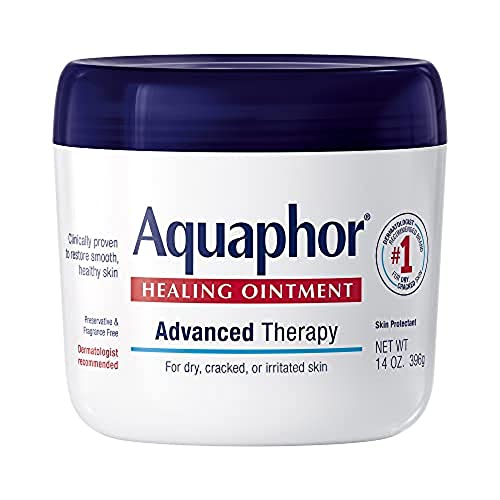
Aquaphor Healing Ointment - Best for Dry and Cracked Radiation Skin
Aquaphor is a mainstay in oncology nursing recommendations for managing dry radiation dermatitis. The petrolatum-based formula creates a semi-occlusive barrier that prevents transepidermal water loss, keeping the fragile irradiated skin hydrated and protected. The bisabolol (a chamomile-derived compound) adds mild anti-inflammatory benefit. It does not contain fragrances, dyes, or preservatives that commonly irritate compromised skin. It is easy to apply and widely available. Oncology nurses often recommend applying it after daily bathing and between radiation sessions. Confirm timing with your radiation team - most recommend at least a 4-hour gap between application and the radiation session.
Calendula Officinalis Cream - Best Natural Anti-Inflammatory Option
Calendula has a long history of use in wound care and skin inflammation, and several clinical trials have specifically examined its effectiveness in radiation dermatitis. A notable French trial comparing calendula to trolamine found calendula superior for preventing acute dermatitis in breast cancer patients. The extract contains flavonoids and triterpenoids that reduce inflammation and support tissue repair. Choose a cream with a high calendula concentration and a clean, fragrance-free base. Weleda and Boiron both produce well-regarded calendula creams. As with all products during radiation, confirm use and timing with your oncology nurse before applying.

Vanicream Moisturizing Skin Cream - Best for Daily Sensitive Skin Maintenance
Vanicream is one of the cleanest barrier creams available, formulated without the long list of potential irritants - fragrances, dyes, lanolin, parabens, and formaldehyde - that can cause additional reactions on already-compromised irradiated skin. It is not a radiation-specific product, but its exceptional tolerability makes it a safe daily moisturizer for patients who react to other formulas. It is often used as the base maintenance cream between sessions when stronger therapeutic creams are not needed. Dermatologists and oncology nurses frequently recommend it for patients who need to moisturize the treatment area but have reactive skin that cannot tolerate more complex formulations.
Silvadene Cream - Best for Moist Desquamation (Prescription)
Silvadene (silver sulfadiazine 1%) is a prescription cream used in burn care and is the clinical standard for managing Grade 3 radiation dermatitis with moist desquamation - where the skin has broken down and is weeping. Its antimicrobial properties protect the open wound from infection while the cream base maintains a moist healing environment. It requires a prescription and should only be used under direct medical supervision. It is included here because many patients who have been through advanced radiation treatments have encountered it, and understanding its role is useful context. Do not self-prescribe or use without your care team's explicit direction.
What to look for
What to consider
For prophylactic use starting from day one of treatment, choose a fragrance-free, preservative-free cream with gentle healing actives like calendula, allantoin, or aloe. For managing active dry reactions, petrolatum-based ointments like Aquaphor provide the best barrier. Avoid anything with metal-based actives, strong fragrances, retinoids, or AHAs on irradiated skin. Always check timing with your radiation team - most recommend a 4-hour minimum between cream application and the session.
Our verdict
Miaderm Radiation Relief is the top recommendation for anyone going through radiation who wants a purpose-built, clinically informed formula. Aquaphor is the most accessible and widely validated option for dryness management. The most important step is starting moisturization early, before skin reactions develop, and maintaining it consistently throughout the treatment course with your oncology team's guidance.
FAQs
Most radiation oncologists recommend starting a gentle, fragrance-free moisturizer on the treatment area from day one of radiation therapy, before any skin reaction develops. Early application helps maintain the skin barrier and may reduce the severity of radiation dermatitis. Always get your oncology team's approval before using any specific product, as some ingredients can interfere with treatment if applied within a few hours of a session.
Avoid products containing metal-based ingredients like zinc oxide, aluminum, or titanium dioxide within 4 hours of radiation as they may affect beam delivery. Also avoid products with alcohol, fragrances, preservatives, and harsh actives like retinol or AHAs on irradiated skin, as the radiation sensitizes tissue significantly. Petroleum-based products are often flagged by some oncologists - always confirm the specific product with your care team before use.
Radiation dermatitis is skin damage caused by ionizing radiation during cancer treatment. It ranges from mild redness (Grade 1) to blistering and moist desquamation - areas where the outer skin layers peel and weep (Grade 3). Grade 3 and above require clinical management. Most patients experience Grade 1 to 2 reactions. The neck, breast, and groin areas are most susceptible due to skin folds and thin skin.
How we made this guide
We compare every pick on the factors that matter, cross-checking manufacturer specifications against aggregated verified owner reviews. We rank independently and never take payment for placement. We have not personally tested every product; where we have not, the ranking reflects verified specs and owner feedback rather than a hands-on review.
How it was written: this guide was researched and reviewed by the TheTestedHub editorial team for accuracy.
Affiliate disclosure: TheTestedHub is reader-supported. When you buy through links on our site, we may earn a commission at no extra cost to you.
Related guides

What Works Best for Eczema? 2026 Top Creams Reviewed
Dry Skin Care in 2026: Ceramide-Rich Picks for Barrier Repair

2026 Curl Setting Sprays Reviewed: Ouidad Climate Control Tops for Versatility

2026 Curl Defining Creams That Moisturize Without the Weight
Chemical Exfoliants 2026: Honest Reviews & Picks
8 Best Cancer Treatment Skin Care Products of 2026

2026 Brightening Skincare: Vitamin C Serums Compared