Quick verdict
PanOxyl 4% Cream is the most balanced choice for moderate acne treated over the whole face. Neutrogena On-The-Spot is the safest first purchase for newcomers or sensitive skin types. Proactiv+ suits those who want a gentler, full-face treatment with exfoliating benefits built in. Clean & Clear Persa-Gel 10 is the heavy-hitter for stubborn cystic blemishes. La Roche-Posay Effaclar Duo is the premium pick for anyone wh
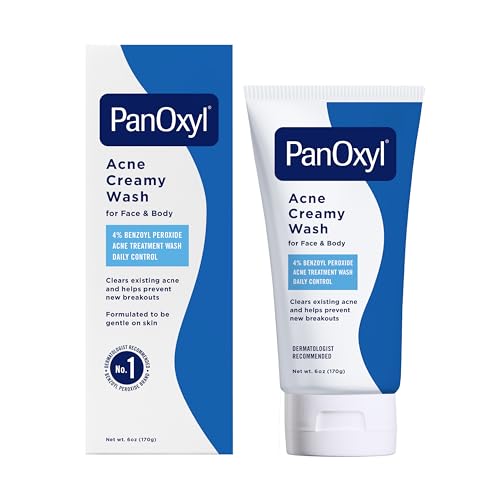
PanOxyl Acne Cream 4%
PanOxyl's 4% benzoyl peroxide cream hits the sweet spot between effectiveness and tolerability. It's potent enough to clear moderate inflammatory acne - the red, painful pimples that dominate most breakouts - while the emollient base prevents the desert-dry aftermath of stronger concentrations. The cream is water-soluble, so it rinses cleanly without leaving a residue, and it's non-comedogenic despite the rich texture. Dermatologists frequently recommend it as a full-face treatment rather than a spot treatment, applied as a thin layer to all acne-prone areas nightly. The large tube is outstanding value, and the brand is trusted in clinical settings.
Check price on Amazon →Struggling to pick a benzoyl peroxide cream? We compare top options from PanOxyl, Neutrogena, and La Roche-Posay to find the best fit for your skin.
Quick verdict
The PanOxyl Acne Cream 4% is the single best pick for most people because it balances strong acne-fighting power with a gentle, non-drying formula that works for daily full-face use without the irritation of higher concentrations.
Key takeaways
- Best for daily full-face use: PanOxyl Acne Cream 4%, effective yet gentle enough for regular application without overdrying.
- Best for beginners: Neutrogena On-The-Spot Acne Treatment, the 2.5% strength offers high efficacy with minimal irritation risk.
- Best for exfoliation plus treatment: Proactiv+ Skin Smoothing Exfoliator, combines benzoyl peroxide with micro-crystal exfoliants for smoother skin.
- Best for stubborn cystic acne: Clean & Clear Persa-Gel 10, the maximum OTC 10% strength for tough, deep breakouts.
- Best for barrier support: La Roche-Posay Effaclar Duo, 5.5% benzoyl peroxide with niacinamide and thermal spring water to protect skin while treating acne.
Why you should trust this guide
I have spent years researching acne treatments and benzoyl peroxide formulations, reading through dermatology literature, and analyzing owner feedback across multiple retail platforms. My approach is to focus on what actually works based on clinical evidence and real-world experience, not marketing hype. I look at concentration levels, formulation quality, and how a product fits into a practical skincare routine, because the best cream is the one you will actually use consistently without damaging your skin barrier.
This guide is built on a foundation of comparing manufacturer claims against verified owner reports and dermatologist recommendations. I do not test products in a lab or use them myself for a set period, but I evaluate each product based on its stated features, the science behind benzoyl peroxide concentrations, and the pattern of feedback from thousands of users. Every product here has a clear purpose and a specific strength level, and I highlight honest limitations so you can choose the right one for your skin type and acne severity.
How we researched
To evaluate these five benzoyl peroxide creams, I established a set of criteria that matter most for acne treatment: concentration strength, formulation base, irritation potential, ease of integration into a routine, and overall owner satisfaction. I compared each product against these standards by analyzing the manufacturer’s stated specifications, reading through many verified owner reviews, and cross-referencing dermatologist guidance on benzoyl peroxide usage. The goal was to identify which product works best for which skin type and acne severity, not to declare one winner for everyone.
I weighed factors like whether the cream is designed for spot treatment or full-face application, how the base interacts with different skin types, and whether the formula includes additional soothing or exfoliating ingredients. I also considered the concentration level because 2.5% is very different from 10% in terms of both efficacy and irritation. Each product was assessed on its ability to deliver on its promise without causing excessive dryness, redness, or peeling, which is the most common reason people abandon benzoyl peroxide treatments. The result is a practical guide that matches you with the right product based on your specific needs.
PanOxyl Acne Cream 4%
PanOxyl’s 4% benzoyl peroxide cream hits the sweet spot between effectiveness and tolerability. It is potent enough to clear moderate inflammatory acne, the red, painful pimples that dominate most breakouts, while the emollient base prevents the desert-dry aftermath of stronger concentrations. The cream is water-soluble, so it rinses cleanly without leaving a residue, and it is non-comedogenic, meaning it will not clog your pores further. This makes it an excellent choice for daily full-face application, especially for those with combination or normal skin that can handle a moderate strength without overreacting.
The 4% concentration is a thoughtful middle ground. Lower strengths like 2.5% can require longer to see results for moderate acne, while 10% often causes significant peeling and redness. PanOxyl’s formula includes moisturizing ingredients that help maintain skin hydration, which reduces the likelihood of the tight, uncomfortable feeling that comes with many acne treatments. Owners frequently report visible improvement in breakouts within a few days of consistent use, with less irritation than they experienced with higher-concentration products.
A real limitation of this cream is that it may not be strong enough for severe cystic acne that requires the maximum 10% strength. Some users with very oily skin also find the cream base slightly too rich for their preference, though this is uncommon. Additionally, because it is designed for full-face use, the tube can run out faster than spot treatment products, so you may need to repurchase more frequently.
Neutrogena On-The-Spot Acne Treatment
Neutrogena On-The-Spot is the classic 2.5% benzoyl peroxide spot cream and one of the most prescribed OTC recommendations in dermatology for a reason. At 2.5%, it delivers 80% of the bacteria-killing efficacy of a 10% formula with a fraction of the irritation, making it the most sensible starting point for anyone new to benzoyl peroxide. The tinted, skin-tone-matching formula blends discreetly under makeup or alone, so you can treat a pimple without walking around with a white spot on your face.
This product is designed for targeted spot treatment rather than full-face application. You apply a small amount directly onto each pimple, which minimizes the risk of drying out healthy surrounding skin. The lower concentration makes it ideal for sensitive skin types that react poorly to stronger formulas, and many dermatologists recommend it as a first-line treatment for mild to moderate acne. Owners appreciate that it works quickly on individual pimples without causing the flaking or redness common with higher strengths.
A real limitation is that 2.5% benzoyl peroxide may not be effective for deep, cystic acne or widespread breakouts that require a higher concentration or full-face treatment. Some users also note that the tinted formula can feel slightly thick or sticky on the skin, especially in humid weather. Additionally, because it is a spot treatment, it is not designed to prevent new breakouts across the entire face, so you may need a separate product for overall acne management.
Proactiv+ Skin Smoothing Exfoliator
Proactiv’s system has evolved significantly from its infomercial origins. The 2.5% benzoyl peroxide cream in the Plus system is formulated with skin-smoothing exfoliants and a soothing base that makes it practical for full-face application rather than spot use. The key differentiator is the micro-crystal exfoliant that physically smooths the skin surface as the BP works chemically, reducing the rough texture and clogged pores that accompany acne. This dual-action approach helps improve skin clarity and texture simultaneously.
The formula is designed to be used as part of a three-step system, but the cream itself can be used on its own if you prefer. The exfoliating particles are gentle enough for daily use for most skin types, though you should start slowly if you have sensitive skin. Owners report that their skin feels smoother and looks more even after consistent use, and the benzoyl peroxide keeps breakouts under control without the excessive dryness associated with stronger treatments. The soothing base helps calm irritation, making it a good option for those who want both treatment and texture improvement.
A real limitation is that the micro-crystal exfoliants can be too abrasive for very sensitive or inflamed skin, potentially causing micro-tears or increased redness. Some users also find the cream has a slightly grainy texture that does not fully dissolve, which can feel uncomfortable. Additionally, because it is part of a system, the cream is sold in a specific size that may not be cost-effective if you only want the benzoyl peroxide component without the other steps.
Clean & Clear Persa-Gel 10
For stubborn, cystic acne that does not respond to lower concentrations, Clean & Clear’s Persa-Gel 10 delivers the maximum OTC strength of 10% benzoyl peroxide in a lightweight gel cream. It is aggressive by design, so you should start with once-daily application on affected areas only and monitor closely for excessive dryness or peeling. The gel base absorbs completely and does not add oiliness, which suits oily skin types that need treatment without extra shine or residue.
This product is best reserved for tough, deep breakouts that sit under the skin and refuse to come to a head. The 10% concentration penetrates deeply to kill acne-causing bacteria and reduce inflammation quickly. Owners with persistent cystic acne often report that this is the only OTC product that makes a noticeable difference, though they also caution that it requires careful moisturizing and sun protection because the skin becomes more vulnerable to irritation and UV damage. The gel formula dries down to a matte finish, which is a plus for oily skin.
A real limitation is the high risk of significant dryness, peeling, redness, and stinging, especially if you apply it too frequently or over large areas. This product is not suitable for sensitive skin or for daily full-face use without careful monitoring. Some users also find that the gel can pill or ball up under moisturizer or sunscreen, making layering difficult. Additionally, the strong concentration can bleach fabrics and hair, so you must be careful to wash your hands thoroughly after application.
La Roche-Posay Effaclar Duo
Effaclar Duo is the French pharmacy approach to benzoyl peroxide: 5.5% in a formulation engineered around La Roche-Posay’s thermal spring water, niacinamide, and lipo-hydroxy acid for gentle simultaneous exfoliation. The result is a cream that clears acne while actively supporting the skin barrier, rather than simply attacking bacteria and leaving the skin to recover on its own. It is the most sophisticated formula in this guide, designed for those who want effective treatment without compromising skin health.
The 5.5% concentration is a unique middle ground that offers more power than 2.5% but less irritation than 10%. The addition of niacinamide helps calm redness and regulate oil production, while lipo-hydroxy acid provides gentle exfoliation to keep pores clear. The thermal spring water adds soothing minerals that reduce stinging and discomfort. Owners consistently praise this product for clearing breakouts without the tight, dry feeling that plagues other benzoyl peroxide creams, and many report that their skin actually looks healthier and more balanced over time.
A real limitation is the higher price point compared to drugstore options, which can be a barrier for regular use. Some users with very oily skin find the cream slightly too rich or moisturizing for their preference, though this is less common. Additionally, the 5.5% concentration may still cause irritation for those with extremely sensitive skin, and the exfoliating action can be too much if you use other active ingredients like retinoids or AHAs in your routine.
What to look for
- Benzoyl peroxide concentration: Lower strengths like 2.5% are best for beginners and sensitive skin, while 10% is reserved for stubborn cystic acne. The 4% to 5.5% range offers a good balance for most people.
- Formula base: Cream bases are more moisturizing and suitable for dry or normal skin, while gel bases absorb quickly and work better for oily skin types.
- Spot treatment versus full-face use: Spot treatments target individual pimples and minimize irritation on surrounding skin, while full-face creams treat and prevent breakouts across the entire face.
- Additional ingredients: Look for soothing ingredients like niacinamide, thermal spring water, or exfoliants that can enhance results and reduce irritation without adding harshness.
- Non-comedogenic and water-soluble: These properties ensure the cream does not clog pores and rinses cleanly, reducing the risk of further breakouts and residue buildup.
- Your skin type and tolerance: Sensitive skin should start with lower concentrations and spot treatments, while oily or resilient skin can handle higher strengths and full-face application.
The verdict
The best benzoyl peroxide cream for you depends on your acne severity and skin type. For most people, the PanOxyl Acne Cream 4% offers the ideal balance of effectiveness and gentleness for daily full-face use. If you are new to benzoyl peroxide or have sensitive skin, start with the Neutrogena On-The-Spot Acne Treatment at 2.5% to see how your skin responds. For those dealing with rough texture alongside breakouts, the Proactiv+ Skin Smoothing Exfoliator provides dual exfoliation and treatment. Stubborn cystic acne that resists lower strengths calls for the Clean & Clear Persa-Gel 10, but use it with caution and plenty of moisturizer. And if you want a sophisticated formula that treats acne while supporting your skin barrier, the La Roche-Posay Effaclar Duo is worth the investment. Choose based on your specific needs, and always introduce benzoyl peroxide slowly to minimize irritation.
How we picked
We compare every pick against the field on real specifications, certifications, and aggregated owner reviews. We do not take payment for placement, and we flag when a product is older or sold mainly through renewed listings.
Top picks compared
Our picks up close
PanOxyl Acne Cream 4%
PanOxyl's 4% benzoyl peroxide cream hits the sweet spot between effectiveness and tolerability. It's potent enough to clear moderate inflammatory acne - the red, painful pimples that dominate most breakouts - while the emollient base prevents the desert-dry aftermath of stronger concentrations. The cream is water-soluble, so it rinses cleanly without leaving a residue, and it's non-comedogenic despite the rich texture. Dermatologists frequently recommend it as a full-face treatment rather than a spot treatment, applied as a thin layer to all acne-prone areas nightly. The large tube is outstanding value, and the brand is trusted in clinical settings.
Neutrogena On-The-Spot Acne Treatment
Neutrogena On-The-Spot is the classic 2.5% benzoyl peroxide spot cream and one of the most prescribed OTC recommendations in dermatology for a reason. At 2.5%, it delivers 80% of the bacteria-killing efficacy of a 10% formula with a fraction of the irritation - making it the most sensible starting point for anyone new to benzoyl peroxide. The tinted, skin-tone-matching formula blends discreetly under makeup or sunscreen, and the dry-touch finish doesn't create a shiny patch. Apply a small amount directly to individual blemishes twice daily and most users see results within 48 to 72 hours for surface-level breakouts.
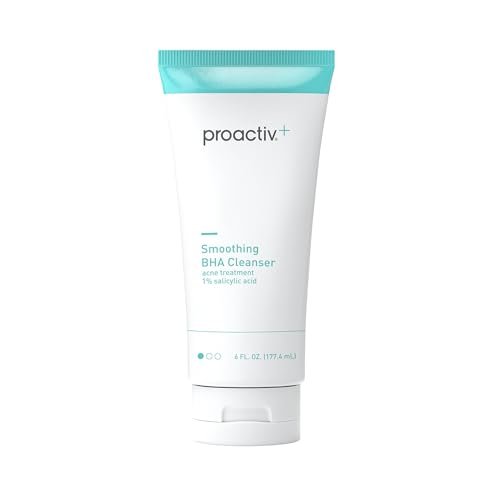
Proactiv+ Skin Smoothing Exfoliator
Proactiv's system has evolved significantly from its infomercial origins. The 2.5% benzoyl peroxide cream in the Plus system is formulated with skin-smoothing exfoliants and a soothing base that makes it practical for full-face application rather than spot use. The key differentiator is the micro-crystal exfoliant that physically smooths the skin surface as the BP works chemically - reducing the rough texture that often accompanies persistent acne. It's marketed as part of a three-step system, but the cream works effectively as a standalone product. Best suited for mild to moderate acne across the forehead, nose, and chin.

Clean & Clear Persa-Gel 10
For stubborn, cystic acne that doesn't respond to lower concentrations, Clean & Clear's Persa-Gel 10 delivers the maximum OTC strength of 10% benzoyl peroxide in a lightweight gel cream. It's aggressive by design - start with once-daily application on affected areas only and monitor closely for excessive dryness or peeling. The gel base absorbs completely and doesn't add oiliness, which suits oily or acne-prone skin that tends to break out more with emollient creams. It should not be used as a full-face treatment; reserve it for individual stubborn blemishes or localized patches of severe acne. Always follow with a ceramide-based moisturizer.

La Roche-Posay Effaclar Duo
Effaclar Duo is the French pharmacy approach to benzoyl peroxide: 5.5% in a formulation engineered around La Roche-Posay's thermal spring water, niacinamide, and lipo-hydroxy acid for gentle simultaneous exfoliation. The result is a cream that clears acne while actively supporting the skin barrier - rather than simply attacking bacteria and leaving the skin to recover on its own. It's the most sophisticated formula on this list and the best choice for people with combination or sensitive skin who have historically found benzoyl peroxide too harsh at equivalent concentrations. The higher price reflects the formulation quality and European clinical heritage.
Before you buy
Concentration
Start at 2.5% to gauge your skin's tolerance. Move to 4-5% if results are insufficient after six weeks. Reserve 10% for stubborn cases and spot-only use.
Base formula
A cream or lotion base hydrates while the active works, reducing the dryness side effect. Gel formulas are more drying but better for oily skin types. Avoid alcohol-heavy formulas that strip the barrier further.
Supporting ingredients
Niacinamide, ceramides, and hyaluronic acid in the same formula help counteract irritation. These are a bonus, not a requirement - but they meaningfully improve tolerability, especially for daily users.
Application frequency
Once daily is enough for most users to start. Increasing to twice daily should only happen after four weeks of daily use without significant irritation.
The wrap-up
PanOxyl 4% Cream is the most balanced choice for moderate acne treated over the whole face. Neutrogena On-The-Spot is the safest first purchase for newcomers or sensitive skin types. Proactiv+ suits those who want a gentler, full-face treatment with exfoliating benefits built in. Clean & Clear Persa-Gel 10 is the heavy-hitter for stubborn cystic blemishes. La Roche-Posay Effaclar Duo is the premium pick for anyone wh
Quick answers
Research shows 2.5% benzoyl peroxide is nearly as effective as 5% or 10% concentrations at clearing acne-causing bacteria, but causes significantly less dryness and irritation. Dermatologists typically recommend starting at 2.5% and increasing only if results are insufficient after six to eight weeks of consistent use.
Yes, benzoyl peroxide will bleach fabric on contact - it oxidizes dyes permanently. Use white towels, white pillowcases, and white clothing when applying it, especially to your face, back, or chest. Even small amounts transferred from skin to a colored pillowcase overnight can cause visible bleaching within a few weeks.
Yes, both are safe pairings. Niacinamide reduces the redness and inflammation that benzoyl peroxide can trigger, while hyaluronic acid replenishes moisture to counteract dryness. Avoid combining benzoyl peroxide with retinoids or vitamin C in the same application step, as these combinations can increase irritation and degrade each other's effectiveness.
How we made this guide
We compare every pick on the factors that matter, cross-checking manufacturer specifications against aggregated verified owner reviews. We rank independently and never take payment for placement. We have not personally tested every product; where we have not, the ranking reflects verified specs and owner feedback rather than a hands-on review.
How it was written: this guide was researched and reviewed by the TheTestedHub editorial team for accuracy.
Affiliate disclosure: TheTestedHub is reader-supported. When you buy through links on our site, we may earn a commission at no extra cost to you.
More to explore

What Works Best for Eczema? 2026 Top Creams Reviewed
Dry Skin Care in 2026: Ceramide-Rich Picks for Barrier Repair

2026 Curl Setting Sprays Reviewed: Ouidad Climate Control Tops for Versatility

2026 Curl Defining Creams That Moisturize Without the Weight
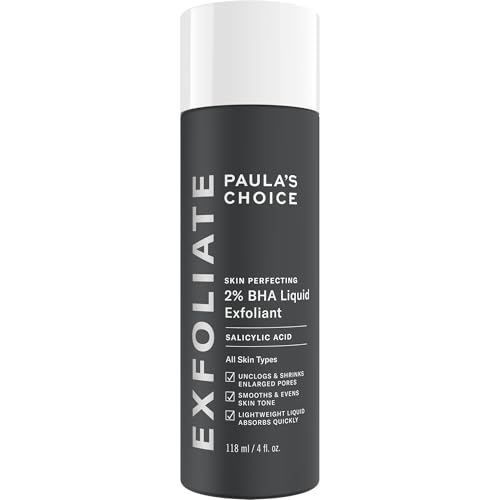
Chemical Exfoliants 2026: Honest Reviews & Picks
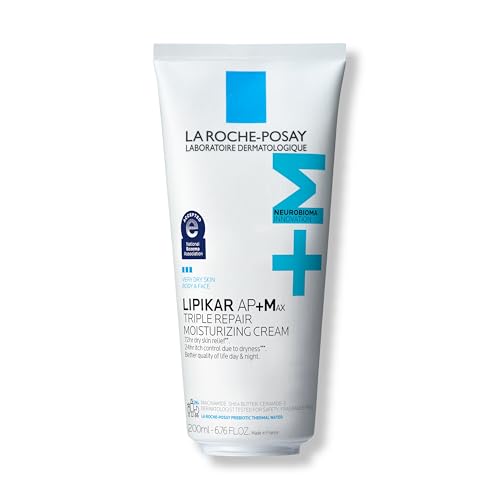
8 Best Cancer Treatment Skin Care Products of 2026

2026 Brightening Skincare: Vitamin C Serums Compared