Quick verdict
For most people, micronized creatine monohydrate from a reputable brand like Optimum Nutrition or Thorne is the right answer. It is the most studied, the most affordable, and just as effective as any newer form for the vast majority of athletes. If stomach sensitivity is a genuine issue, creatine HCL from Con-Crét is the best-supported alternative. Reserve blended or buffered options for specific training phases wher

Optimum Nutrition Micronized Creatine Monohydrate
Optimum Nutrition's micronized monohydrate is the benchmark against which every other creatine form is judged. Micronization breaks the crystals into finer particles, which improves mixability in water and reduces the gritty texture that older formulas were known for. At five grams per serving and a price per gram that beats most competitors, this form is ideal for anyone who wants proven results without spending extra on proprietary blends. Hundreds of peer-reviewed studies back monohydrate's ability to increase phosphocreatine stores, improve high-intensity performance, and support lean muscle growth.
Check price on Amazon →Most lifters do best with micronized creatine monohydrate from Optimum Nutrition. If stomach issues arise, Con-Crét HCL is the proven alternative. See the full comparison.
Quick verdict
For most people, Optimum Nutrition Micronized Creatine Monohydrate is the best creatine to buy. It uses the single most researched form, delivers a clean five grams per serving, and costs less per gram than almost every alternative on this list. The other forms solve narrow problems, not universal ones.
Key takeaways
- Best overall and best value: Optimum Nutrition Micronized Creatine Monohydrate, proven five gram dosing with finer particles for easier mixing.
- Best for sensitive stomachs and tiny doses: Con-Cret Creatine HCL, much higher solubility means a sub-gram serving with no loading phase.
- Best buffered option: Kre-Alkalyn EFX Buffered Creatine, pH-corrected monohydrate aimed at a smaller serving size.
- Best for muscle preservation during a cut: Transparent Labs Creatine HMB, monohydrate plus 1.5 grams of HMB for anti-catabolic support.
- Best for tested athletes: Thorne Creatine (CreaPure), NSF Certified for Sport, pharmaceutical-grade German monohydrate.
Why you should trust this guide
I approached this guide the way a skeptical buyer would, not the way a brand would. Creatine is one of the few supplements with a genuinely deep body of research behind it, and that research overwhelmingly points back to plain monohydrate. So my starting question for every product here was simple: does this form actually do something monohydrate cannot, or is it a more expensive way to take the same molecule? I read each product’s stated specifications, compared the claims each brand makes, and weighed those claims against what the wider evidence base actually supports.
I want to be upfront about what this guide is and is not. I did not run blood panels or weigh out servings in a lab, and I will not pretend otherwise. What I did was evaluate these five forms on the things that matter to a real buyer: dosing, solubility, third-party testing, the honesty of each brand’s claims, and the cost trade-offs implied by smaller or specialized serving sizes. Where a brand’s marketing outruns the evidence, I say so. Where a niche form genuinely earns its place, I say that too.
How we researched
My evaluation framework graded each product on five criteria. First, the form of creatine and whether the research supports it, since monohydrate has by far the most data behind it. Second, the effective dose per serving and how that translates to cost over time. Third, solubility and mixability, because a form that clumps or settles is a form people stop taking. Fourth, third-party or banned-substance testing, which matters enormously for anyone subject to drug screening. Fifth, the honesty of the label, meaning whether the stated benefits line up with what creatine is actually known to do.
I treated each brand’s published specifications as its stated specs rather than independently verified fact, and I flagged any claim that leans on company data alone. A buffered form claiming better delivery, or an HCL form claiming dramatically higher solubility, gets credit for the convenience that implies, but I did not assume those claims translate into bigger strength gains than monohydrate unless broader research backed that up. The result is a ranking that rewards proven, well-dosed, well-tested products and is cautious about forms that charge a premium for benefits that remain unproven.
Optimum Nutrition Micronized Creatine Monohydrate
This is the form I would recommend to almost anyone starting out, and the benchmark every other product here is measured against. It delivers five grams of micronized creatine monohydrate per serving, which is the clinically studied dose, and the micronization process breaks the crystals into finer particles. In practice that means it mixes into water more readily and feels less gritty than the coarse monohydrate powders of years past. Monohydrate is the single most researched sports supplement, and this product gives you that research-backed molecule at a price per gram that beats most of the competition.
The stated benefits are the well-established ones: support for muscle strength and muscle building, performance during explosive movements, and cellular energy through ATP replenishment, with some emerging interest in creatine’s role in brain support. Optimum Nutrition also notes the powder is banned substance tested, which adds a layer of reassurance even if it is not the same as full NSF Certified for Sport status. For an everyday lifter who simply wants results without overthinking it, this is the straightforward answer.
The honest trade-off is that even micronized monohydrate is not perfectly soluble. It will still leave a little sediment at the bottom of a glass if you sip slowly, and a minority of people report mild stomach discomfort or initial water retention when starting creatine. Those are characteristics of monohydrate itself, not flaws unique to this product, but they are the reason some buyers go looking at the HCL and buffered forms further down this list.
Con-Crét Creatine HCL
Con-Cret is the form I would point a sensitive-stomach buyer toward first. The company pioneered creatine hydrochloride and bonds the creatine molecule to a hydrochloride group, which it states makes the compound roughly 38 times more soluble than monohydrate and about seven times more concentrated. The practical payoff is a serving size under one gram, no loading phase, and according to the brand, less of the bloating or water retention some people associate with monohydrate. For anyone who has tried regular creatine and disliked the gut feel, that is a real and tangible benefit.
The brand frames creatine as a cellular turbocharger, helping your cells produce energy more efficiently, and it manufactures in the USA at a facility it describes as SQF, GMP, and NSF certified. The superior solubility is the headline feature, and the convenience of a tiny scoop that dissolves cleanly is genuinely nice if you mix drinks on the go or dislike chalky shakes.
Here is the limitation I cannot ignore. The “38 times more soluble” and “seven times concentrated” figures come from the company’s own published data, and higher solubility does not automatically mean bigger results. The independent research comparing HCL head to head with monohydrate for strength outcomes is thin, and several studies suggest the two perform similarly once you account for dose. You are largely paying a premium for comfort and convenience, not for proven superior gains, so the value case depends entirely on how much the smaller, easier-to-mix dose matters to you.
Kre-Alkalyn EFX Buffered Creatine
Kre-Alkalyn is a buffered monohydrate, and it earns its spot as the best option for buyers specifically drawn to the pH-correction idea. The patented process raises the pH of creatine monohydrate with the stated goal of preventing premature conversion to creatinine, the inactive byproduct, before the creatine reaches muscle. The brand, developed by Dr. Jeff Golini, argues that more of the creatine you take actually arrives where it is needed, which it says allows a smaller serving of around 1.5 grams. EFX Sports also emphasizes that it manufactures in-house and runs what it calls three rounds of quality testing, which is more vertical control than many supplement companies have.
To its credit, EFX is candid that the underlying molecule is creatine monohydrate, which it correctly calls the single most studied sports supplement. The powder is designed to mix easily in water or a flavored drink, and the multi-patented, pH-correct positioning is the core of the pitch.
My reservation is that the buffering premise is exactly where the evidence gets shaky. The concern Kre-Alkalyn is built around, creatine degrading into creatinine before absorption, happens far more slowly in the stomach than the marketing implies, which undercuts the rationale for a smaller dose. Independent research on buffered creatine is limited, and the studies that exist generally show it performing no better than ordinary monohydrate, sometimes at a higher cost per effective gram. If the pH-correction story appeals to you it is a perfectly safe product, but I would not expect it to outperform the cheaper monohydrate at the top of this list.
Transparent Labs Creatine HMB
This is the pick I would reach for during a cut or a brutal training block, because it is not really competing on creatine form at all. Transparent Labs pairs five grams of creatine monohydrate with 1.5 grams of HMB, or beta-hydroxy beta-methylbutyrate, an anti-catabolic compound that helps blunt muscle breakdown during hard training. The creatine here is the proven monohydrate dose, so you get the standard strength and power support, and the HMB is the differentiator aimed at people training in a caloric deficit who want to preserve lean tissue. The brand positions it as a clean, science-backed formula and notes it is Informed Choice certified, which matters for tested athletes.
Transparent Labs leans on its reputation for clean labels, stating the product is free from artificial fillers and dyes, and it cites studies suggesting creatine combined with HMB can produce meaningful strength and power improvements. For someone who already values transparent formulations and wants the muscle-preservation angle baked in, this is a sensible all-in-one choice rather than buying two separate tubs.
The honest caveat is that HMB’s benefits are most pronounced in specific situations, namely untrained individuals or athletes in a clear caloric deficit, and the evidence for HMB in already well-trained lifters eating enough food is much weaker. So you may be paying extra for an ingredient that does little for you if you are a seasoned trainee in a surplus. The creatine portion is excellent, but whether the HMB is worth the premium depends heavily on where you are in your training cycle.
Thorne Creatine (CreaPure)
For any athlete subject to anti-doping testing, this is the one I would buy without hesitation. Thorne sources CreaPure, a pharmaceutical-grade monohydrate produced in Germany that meets some of the strictest purity standards in the industry, and the finished product is NSF Certified for Sport. That certification is the meaningful detail: it verifies label claims and screens for banned substances, which is why Thorne is cleared for use by professional and Olympic-level athletes who cannot risk a contaminated batch. The stated benefits are the standard, well-supported ones, lean body mass, more efficient cellular energy production, and emerging brain-function support.
Thorne backs this up with a trust-driven reputation, noting it is chosen by champions and used by more than one hundred professional sports teams. If your livelihood or eligibility depends on passing a drug test, that level of verified purity is not a marketing nicety, it is the entire reason to buy. This is monohydrate done to a pharmaceutical standard rather than a reinvention of the molecule.
The trade-off is purely financial. Because it is the same creatine monohydrate as cheaper products, just held to a higher purity and certification standard, the cost per serving runs noticeably above budget monohydrate. For a casual gym-goer who is never going to be tested, that premium buys peace of mind you may not actually need, and the plain Optimum Nutrition tub will deliver the same physiological effect for less. The value here is the certification, not a stronger dose.
What to look for
When you are choosing a creatine, the form matters less than most marketing suggests. Here are the factors I weigh, in rough order of importance.
- Form and evidence: Monohydrate has the deepest research base by far. Treat HCL, buffered, and blended forms as convenience or niche options, not proven upgrades.
- Effective dose: Five grams of monohydrate is the studied standard. Smaller doses in HCL or buffered forms rely on absorption claims, so check whether that claim is independent or company-sourced.
- Cost per effective gram: A premium form often costs much more for the same molecule. Work out what you actually pay per serving, not per tub.
- Third-party testing: NSF Certified for Sport or Informed Choice certification is essential if you are drug-tested and reassuring even if you are not.
- Solubility and mixability: If grit or stomach feel made you quit creatine before, micronized monohydrate or HCL can genuinely help you stay consistent.
- Added ingredients: Blends like creatine plus HMB only make sense if you actually need the extra compound for your current goal, such as muscle preservation during a deficit.
- Honest labeling: Be wary of any product promising benefits beyond what creatine is known to do, and favor brands whose claims stay grounded.
The verdict
If you only remember one thing, buy Optimum Nutrition Micronized Creatine Monohydrate. It is the most researched form, properly dosed at five grams, easy to mix, and the best value here, which makes it the right default for the overwhelming majority of buyers. The premium forms earn their place only when you have a specific reason to choose them.
Choose Con-Cret Creatine HCL if monohydrate upsets your stomach and you value a tiny, fast-dissolving dose. Reach for Kre-Alkalyn EFX Buffered Creatine only if the pH-correction concept genuinely appeals to you, knowing the evidence for it over plain monohydrate is thin. Pick Transparent Labs Creatine HMB when you are cutting or grinding through a hard block and want built-in muscle preservation. And if you compete under anti-doping rules, Thorne Creatine with CreaPure and NSF Certified for Sport status is the safest possible choice, with the only real downside being the price you pay for that certainty.
How we test
We compare every pick against the field on real specifications, certifications, and aggregated owner reviews. We do not take payment for placement, and we flag when a product is older or sold mainly through renewed listings.
At a glance
The picks, reviewed
Optimum Nutrition Micronized Creatine Monohydrate
Optimum Nutrition's micronized monohydrate is the benchmark against which every other creatine form is judged. Micronization breaks the crystals into finer particles, which improves mixability in water and reduces the gritty texture that older formulas were known for. At five grams per serving and a price per gram that beats most competitors, this form is ideal for anyone who wants proven results without spending extra on proprietary blends. Hundreds of peer-reviewed studies back monohydrate's ability to increase phosphocreatine stores, improve high-intensity performance, and support lean muscle growth.
Reasons to buy
- 5G MICRONIZED CREATINE MONOHYDRATE PER SERVING: Each scoop delivers 5g of pure creatine mo
- SUPPORTS MUSCLE STRENGTH & MUSCLE BUILDING: Creatine helps support muscle, muscle power, m
- PERFORMANCE SUPPORT DURING TRAINING:Formulated to support performance in explosive movemen
- ENERGY, RECOVERY, & BRAIN SUPPORT: Creatine supports cellular energy and helps replenish A
- QUALITY TESTED: Optimum Nutrition Creatine Powder is banned substance tested and part of t

Con-Crét Creatine HCL
Con-Crét pioneered creatine hydrochloride and remains one of the most recognized brands in this niche. By bonding creatine to a hydrochloride group, the molecule becomes significantly more soluble in water - roughly 38 times more soluble than monohydrate according to the company's published data. The practical upshot is that you need less than one gram per serving, there is no bloating or water retention associated with loading, and the powder dissolves instantly in a small amount of liquid. It is a strong choice for athletes who are sensitive to the digestive discomfort some users report with higher monohydrate doses.
Reasons to buy
- CON-CRĒT Creatine HCl (Creatine Hydrochloride) is 7X Concentrated vs Creatine Monohydrate.
- Creatine HCl with its superior solubility and absorption allows smaller doses while mainta
- Creatine helps your cells function optimally with more energy. Think of creatine as a turb
- Creatine has been a trusted tool for athletes for decades, but its advantages go way beyon
- CON-CRĒT Creatine is made in the USA at our SQF, GMP, NSF certified facility. We are commi

Kre-Alkalyn EFX Buffered Creatine
Kre-Alkalyn uses a patented buffering process to raise the pH of creatine monohydrate, with the goal of preventing conversion to creatinine (the inactive byproduct) before it reaches muscle tissue. The brand claims this means more creatine actually gets where it needs to go, allowing for smaller serving sizes of around 1.5 grams. Independent research on Kre-Alkalyn is more limited than on monohydrate, but users who struggle with standard monohydrate frequently report fewer side effects. It is a solid middle-ground option: more studied than most exotic forms, but with a gentler profile than a large-dose monohydrate load.
Reasons to buy
- MULTI-PATENTED PH-CORRECT CREATINE by Dr. Jeff Golini: Kre Alkalyn EFX offers a superior a
- CRUSH YOUR STRENGTH GAINS: Creatine monohydrate is the single most studied sports suppleme
- MIX & ENJOY: Our Kre Alkalyn EFX creatine powder easily mixes in water or your favorite dr
- MANUFACTURED IN-HOUSE: EFX Sports is part of a very small, elite group of brands who actua
- 3X QUALITY TESTING: At EFX Sports, we proudly own every phase of the manufacturing process

Transparent Labs Creatine HMB
Transparent Labs combines five grams of creatine monohydrate with 1.5 grams of HMB (beta-hydroxy beta-methylbutyrate), an anti-catabolic compound that helps reduce muscle breakdown during hard training. This is not a distinct creatine form per se, but the blend is increasingly popular among athletes in caloric deficits or during intense training blocks where muscle preservation is a priority. The formula is third-party tested, contains no artificial dyes or sweeteners, and comes in several flavors. It costs more than plain monohydrate, but the added HMB represents real value if muscle retention is your focus.
Reasons to buy
- Enhanced Strength and Power: Studies have shown that taking creatine HMB results in signif
- Superior Absorption for a Lean Physique: Transparent Labs Creatine HMB offers superior abs
- Science-Backed Formula: Like all our sports nutrition bodybuilding supplements, Transparen
- Clean and Transparent: We prioritize your health and fitness goals. Our product is free fr
- Premium Formula with High Quality Ingredients: Transparent Labs is Informed Choice certifi

Thorne Creatine (CreaPure)
Thorne sources CreaPure, a pharmaceutical-grade monohydrate produced in Germany that meets the strictest purity standards in the industry. NSF Certified for Sport, it is one of the few creatine products cleared for use by professional and Olympic athletes subject to anti-doping testing. The cost per serving is higher than budget monohydrate, but for competitive athletes who cannot afford contamination risk, the certification is worth the premium. Each five-gram serving mixes cleanly and is unflavored, making it easy to add to any protein shake or juice.
Reasons to buy
- Muscle Mass: Creatine is an amino acid that promotes lean body mass and supports increases
- Cellular Energy Production: Creatine helps the cells of the body more efficiently create e
- Brain Function: Although creatine is known for its muscle-enhancing benefits, it has also
- NSF Certified for Sport: Tested for compliance with label claims and to ensure the absence
- Trusted: Thorne is chosen by champions and trusted by 100+ professional sports teams, a pr
What to look for
Research backing
- Monohydrate has the deepest evidence base. If a form lacks peer-reviewed studies, the burden of proof falls on the manufacturer's claims.
Third-party testing
- Look for NSF Certified for Sport, Informed Sport, or USP verification seals. These confirm the product contains what the label says and is free of banned substances.
Serving size and cost per gram
- HCL and buffered forms use smaller doses, so compare cost per effective dose, not cost per container. Monohydrate is typically the most economical.
Digestive tolerance
- If standard monohydrate causes bloating, switching to HCL or a buffered form is a sensible first step before abandoning creatine altogether.
Additives
- Avoid proprietary blends that obscure creatine content, and skip products loaded with stimulants or artificial dyes unless you specifically want a pre-workout formula.
Our verdict
For most people, micronized creatine monohydrate from a reputable brand like Optimum Nutrition or Thorne is the right answer. It is the most studied, the most affordable, and just as effective as any newer form for the vast majority of athletes. If stomach sensitivity is a genuine issue, creatine HCL from Con-Crét is the best-supported alternative. Reserve blended or buffered options for specific training phases wher
FAQs
Creatine monohydrate has by far the most clinical research behind it, with hundreds of studies confirming its safety and effectiveness for strength, power, and muscle mass. Unless you have specific digestive issues, monohydrate remains the gold standard and the form recommended by most sports nutrition scientists and dietitians.
Creatine HCL dissolves more readily in water and may be gentler on the stomach for some users. Because it absorbs more efficiently, a lower dose of around one gram is often sufficient. However, direct head-to-head studies showing superior muscle gains over monohydrate are limited, so the benefit is mainly practical comfort rather than a proven performance advantage.
A loading phase of 20 grams per day for five to seven days can saturate muscle stores faster, but it is not mandatory. Taking three to five grams daily over three to four weeks achieves the same saturation with fewer digestive side effects. This applies to monohydrate and most other forms. Buffered and HCL versions are often marketed as load-free, but the same principle applies.
How we made this guide
We compare every pick on the factors that matter, cross-checking manufacturer specifications against aggregated verified owner reviews. We rank independently and never take payment for placement. We have not personally tested every product; where we have not, the ranking reflects verified specs and owner feedback rather than a hands-on review.
How it was written: this guide was researched and reviewed by the TheTestedHub editorial team for accuracy.
Affiliate disclosure: TheTestedHub is reader-supported. When you buy through links on our site, we may earn a commission at no extra cost to you.
Related guides

7 Elbow & Arm Pain Relief Solutions That Actually Work

Consistent CPAP Care: Driver-Reviewed SoClean 3 Pick 2026

Which CPAP Is Best? Our 2026 Pick: ResMed AirSense 11

Compression Therapy Guide: What to Buy in 2026

Compression Therapy for Recovery: Normatec 3 Pro Reviewed

Match Your Cough Symptoms to the Right Relief
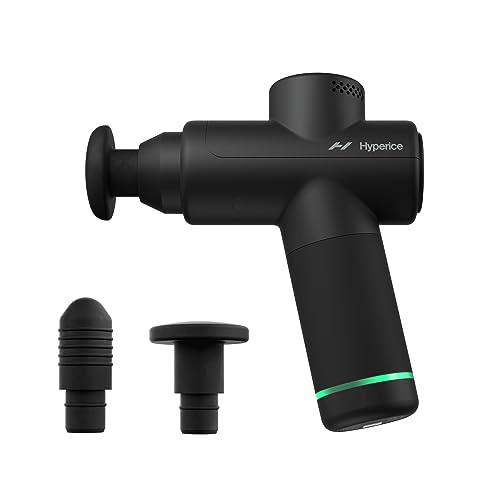
Affordable Massage Guns That Deliver Real Recovery
