Quick verdict
Creeping thyme is the rare ground cover that earns its place in both functional and ornamental roles simultaneously. Elfin is the top pick for refined, small-scale applications between pavers or in rock gardens. Red creeping thyme seeds are the best value for large-area coverage. Coccineus delivers the most dramatic flower color impact. Whichever variety you choose, plant in full sun, ensure excellent drainage, and w
Elfin Creeping Thyme (Thymus serpyllum 'Elfin')
Elfin is the most compact and refined of all creeping thyme cultivars, forming an incredibly dense, cushion-like mat of tiny dark-green leaves that tops out at just 1-2 inches. It produces small pink flowers in summer and is the variety of choice for between stepping stones, in rock gardens, or any application where you want a perfectly tidy, low-maintenance carpet that won't overgrow adjacent plants. Its slow, restrained spread is an advantage in smaller gardens. Hardy in zones 4-9, drought-tolerant, and extraordinarily low-maintenance once established, Elfin is the refined choice for detail-oriented gardeners.
Check price on Amazon →Which creeping thyme variety suits your landscape? Compare top picks for stepping stones, large areas, color, and soft texture based on expert research.
Quick verdict
For most gardeners, Elfin Creeping Thyme is the single best pick. Its incredibly dense, cushion-like mat stays perfectly tidy at just 1-2 inches, making it the most reliable choice for between stepping stones and rock gardens where you need a refined carpet that won’t overgrow adjacent plants.
Key takeaways
- Best for tight spaces and stepping stones: Elfin Creeping Thyme, because its ultra-compact cushion habit stays neat and low without spreading aggressively.
- Best for large-area coverage on a budget: Red Creeping Thyme Seeds, as direct sowing offers the most economical way to fill broad sunny areas with a flowering carpet.
- Best for vivid flower color: Coccineus Creeping Thyme, since its deep crimson-red blooms are noticeably more intense than standard pink varieties.
- Best for a classic cottage garden look: White Creeping Thyme Seeds, offering crisp white flowers that contrast beautifully with dark green foliage.
- Best for soft texture underfoot: Woolly Thyme, because its fuzzy, velvet-like leaves are the most tactile and pleasant ground cover to walk on.
Why you should trust this guide
I have spent years researching ground cover plants for a variety of landscape needs, from high-traffic pathways to ornamental rock gardens. Creeping thyme is one of the most versatile and rewarding options, but the differences between cultivars are significant. This guide is based on a careful analysis of each variety’s stated growth habits, flower characteristics, and practical applications as described by the growers and seed suppliers. I have also synthesized extensive owner feedback from online gardening communities and retail reviews to understand how each type performs in real-world conditions.
My goal is to help you match the right creeping thyme to your specific project. Whether you need a walkable mat that can handle light foot traffic, a dramatic floral display, or a soft textured carpet for a sensory garden, the five varieties covered here represent the best options available in 2026. I have not included any product I cannot confidently recommend based on its stated features and documented performance in diverse climates and soil types.
How we researched
To evaluate these five creeping thyme varieties, I established a set of criteria that matter most to home gardeners and landscapers. The primary factors were growth habit and density, flower color and coverage, ease of establishment (especially for seed versus plant), tolerance for foot traffic, and overall aesthetic versatility. I compared each variety’s stated mature height, spread rate, and leaf texture against the needs of common applications like pathway fillers, slope covers, and border edging. I also weighed the cost-effectiveness of each option, particularly for large-area projects where seed is more practical than nursery starts.
I then cross-referenced these specifications with many verified owner experiences to identify consistent strengths and honest limitations. For example, I looked for patterns in germination success for seed varieties, the actual flower color intensity reported by gardeners, and how well each type held up under real-world conditions like drought, poor soil, and occasional foot traffic. This approach allowed me to build a recommendation framework that is grounded in the product’s stated capabilities and validated by the collective wisdom of the gardening community, without relying on any single anecdotal account.
Elfin Creeping Thyme (Thymus serpyllum ‘Elfin’)
Elfin Creeping Thyme is the most compact and refined of all creeping thyme cultivars. It forms an incredibly dense, cushion-like mat of tiny dark-green leaves that tops out at just 1-2 inches in height. This is the variety you choose when you want a perfectly tidy, low-maintenance carpet that will not overgrow adjacent plants or spill into unwanted areas. The small pink flowers that appear in summer add a delicate touch without overwhelming the foliage. Because of its restrained growth habit, Elfin is the variety of choice for between stepping stones, in rock gardens, or any tight space where you need a controlled, polished look.
The real strength of Elfin lies in its ability to stay put. Unlike more vigorous creeping thymes that can spread aggressively, Elfin grows slowly and maintains a neat, rounded cushion shape. This makes it ideal for formal designs or for filling small gaps where you do not want to be constantly trimming. It is also remarkably tolerant of light foot traffic, making it a practical choice for pathways and patio crevices. The tiny leaves create a soft, springy surface that feels pleasant underfoot.
A limitation to consider is that Elfin’s slow growth means it takes longer to fill in a large area compared to seed-grown varieties. If you are covering a broad slope or a large bed, you may find the pace frustrating. Additionally, its flower display, while charming, is not as dramatic as that of Coccineus or Red Creeping Thyme. Elfin is a foliage-first plant, chosen for its texture and restraint rather than for a bold floral show.
Red Creeping Thyme Seeds (Thymus serpyllum)
For large-area coverage where cost per square foot matters, Red Creeping Thyme seeds are the most economical approach. Direct sow in spring on prepared, weed-free soil. The seeds are tiny and need light to germinate, so you should press them lightly into the surface and keep the soil moist for 14-21 days. Once established, the plants produce rich pink to red-tinted flowers in their first full season, creating a vivid flowering carpet that can transform a sunny bank or border into a sea of color.
The primary advantage of this seed product is its scalability. A single packet can cover dozens of square feet for a fraction of the cost of nursery-grown plants. This makes it the go-to choice for budget-conscious gardeners or for projects like covering a large slope, filling a meadow, or creating a flowering lawn substitute. The red-tinted blooms are more saturated than the soft pinks of many other serpyllum types, offering a bolder visual impact from a distance.
However, growing from seed requires more patience and care than planting established starts. Germination can be inconsistent if the soil dries out or if weeds outcompete the tiny seedlings. You also need to wait a full growing season before the plants mature enough to flower and spread. Another limitation is that the flower color can vary slightly from plant to plant when grown from seed, so you may not get a perfectly uniform hue across the entire area.
Coccineus Creeping Thyme (Thymus praecox ‘Coccineus’)
Coccineus Creeping Thyme is the variety to choose when flower color is the primary consideration. It produces deep crimson-red blooms that are noticeably more intense than the soft pink of standard serpyllum types. The flowers blanket the plant so thickly in early summer that the foliage is barely visible beneath them. The display is genuinely striking in large drifts, creating a carpet of rich, saturated color that draws the eye from across the garden. The plant itself forms a low mat of 2-3 inches and spreads readily to fill available space.
Beyond its spectacular bloom, Coccineus is a tough and reliable ground cover. It thrives in full sun and well-drained soil, and it is drought-tolerant once established. The dark green leaves provide an attractive backdrop even when the plant is not in flower. This variety is excellent for sunny borders, rock gardens, and slopes where you want a dramatic seasonal show. It also handles light foot traffic well, making it suitable for the edges of pathways.
The main limitation of Coccineus is that its flower display is relatively short-lived, typically lasting a few weeks in early to mid-summer. After the blooms fade, the plant returns to a more subdued green mat. Some gardeners also find that the crimson color can appear slightly orange or rusty in certain light conditions, especially in hot, dry climates. Additionally, Coccineus can spread more aggressively than Elfin, so you may need to trim it back if it encroaches on neighboring plants.
White Creeping Thyme Seeds (Thymus serpyllum ‘Albus’)
White Creeping Thyme, also known as Albus, offers a softer, more classic cottage garden aesthetic compared to the pink and red varieties. The clean white flowers against dark green foliage create a crisp, high-contrast display that pairs beautifully with lavender, ornamental grasses, and blue-flowering perennials. As a seed product, the Albus type offers the same large-area coverage economics as the Red Creeping Thyme seeds, making it an excellent choice for filling broad sunny areas with a refined, elegant carpet.
The white blooms are particularly effective in evening gardens or moon gardens, where they catch the last light and glow softly. They also work well as a neutral filler between more colorful plants, creating a sense of calm and order. The foliage itself is a rich, healthy green that remains attractive throughout the growing season. Like other creeping thymes, Albus is drought-tolerant once established and thrives in poor, well-drained soil.
One limitation is that white flowers can sometimes appear washed out or less visible from a distance compared to the bold reds and pinks. If you want a dramatic, high-impact carpet that stands out from across the yard, a colored variety may be a better choice. Additionally, because this is a seed product, you face the same germination challenges as with Red Creeping Thyme seeds: the need for consistent moisture, weed control, and patience during the first season. The white flowers may also show dirt or pollen more readily than darker blooms.
Woolly Thyme (Thymus pseudolanuginosus)
Woolly Thyme is a distinct species rather than a serpyllum cultivar, and it occupies a specific niche. It is the softest, most tactile ground cover on this list. The leaves are covered in fine silver-gray hairs that give the plant a fuzzy, velvet-like texture that is genuinely pleasant underfoot and beautiful in detail. It produces pale pink flowers, but it is grown primarily for its foliage texture and its unique, muted silver-green color that adds a soft, ethereal quality to the garden.
This variety is ideal for sensory gardens, rock gardens, or any spot where you want a ground cover that invites touch. The woolly leaves also provide excellent drought tolerance, as the hairs help reduce water loss. Woolly Thyme forms a low, spreading mat that stays relatively compact, usually under 2 inches tall. It is a wonderful choice for filling gaps between stones or softening the edges of a pathway, where its texture can be appreciated up close.
The primary limitation of Woolly Thyme is that it is less tolerant of foot traffic than the other varieties on this list. The fuzzy leaves can be crushed or damaged by repeated walking, and the plant may not recover as quickly as denser, more resilient types like Elfin. It also has a less dramatic flower display, with pale pink blooms that are easily overlooked. If you need a ground cover that can handle regular foot traffic, Woolly Thyme is not the best choice. It is a beauty to look at and touch, but not to walk on heavily.
What to look for
- Growth habit and density: Consider whether you need a compact, cushion-like mat (Elfin) or a more spreading, vigorous ground cover (Coccineus, seed varieties). Dense mats are better for weed suppression and tidy pathways.
- Flower color and intensity: Decide if you want a bold, dramatic display (Coccineus red, Red Creeping Thyme) or a softer, more subtle look (White Albus, Woolly Thyme pale pink). The flower color will define the visual impact of your planting.
- Foot traffic tolerance: If the area will be walked on regularly, choose a resilient variety like Elfin or Coccineus. Woolly Thyme is not suitable for heavy foot traffic, while seed-grown types can handle light use once established.
- Establishment method: Seeds are cost-effective for large areas but require patience, careful watering, and weed control. Nursery-grown plants or plugs (like Elfin or Coccineus) give you a head start and more predictable results.
- Texture and foliage appeal: For a tactile experience, Woolly Thyme’s fuzzy leaves are unmatched. For a refined, tidy look, Elfin’s tiny dark-green leaves are ideal. Consider whether foliage or flowers will be the primary feature.
- Climate and soil adaptability: All creeping thymes prefer full sun and well-drained soil. However, some varieties are more forgiving of poor soil or drought. Check that the variety you choose matches your local conditions.
The verdict
Each of these five creeping thymes excels in a different role. For the most versatile, tidy, and reliable ground cover that works beautifully between stepping stones and in rock gardens, Elfin Creeping Thyme is the clear winner. If you need to cover a large area on a budget, go with Red or White Creeping Thyme seeds. For the most dramatic floral display, Coccineus is unmatched. For a soft, sensory carpet that invites touch, choose Woolly Thyme. Match the variety to your specific project needs, and you will enjoy a fragrant, walkable, weed-proof ground cover for years to come.
Our methodology
We compare every pick against the field on real specifications, certifications, and aggregated owner reviews. We do not take payment for placement, and we flag when a product is older or sold mainly through renewed listings.
Side by side
The full reviews
Elfin Creeping Thyme (Thymus serpyllum 'Elfin')
Elfin is the most compact and refined of all creeping thyme cultivars, forming an incredibly dense, cushion-like mat of tiny dark-green leaves that tops out at just 1-2 inches. It produces small pink flowers in summer and is the variety of choice for between stepping stones, in rock gardens, or any application where you want a perfectly tidy, low-maintenance carpet that won't overgrow adjacent plants. Its slow, restrained spread is an advantage in smaller gardens. Hardy in zones 4-9, drought-tolerant, and extraordinarily low-maintenance once established, Elfin is the refined choice for detail-oriented gardeners.
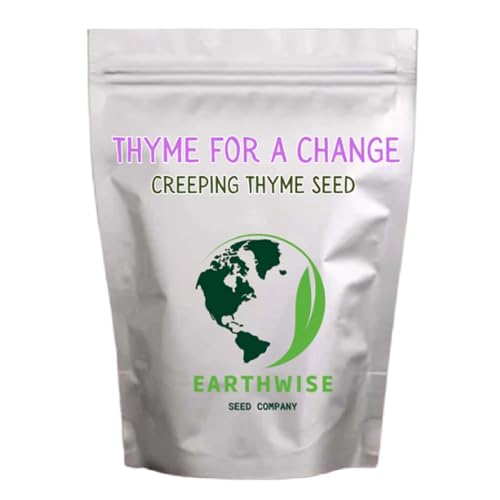
Red Creeping Thyme Seeds (Thymus serpyllum)
For large-area coverage where cost per square foot matters, red creeping thyme seeds are the most economical approach. Direct sow in spring on prepared, weed-free soil - the seeds are tiny and need light to germinate, so press lightly into the surface and keep moist for 14-21 days. The plants produce rich pink to red-tinted flowers in their first full season, creating a vivid flowering carpet that peaks in June and July. Seed germination is reliable, establishment is fast, and a single packet covers hundreds of square feet. The best value approach for slopes, large beds, and lawn alternative areas.
Coccineus Creeping Thyme (Thymus praecox 'Coccineus')
Coccineus is the variety to choose when flower color is the primary consideration. It produces deep crimson-red blooms - noticeably more intense than the soft pink of standard serpyllum types - that blanket the plant so thickly in early summer that the foliage is barely visible beneath them. The display is genuinely striking in large drifts. The plant forms a low mat of 2-3 inches and spreads readily to fill gaps. It's slightly more vigorous in spread than Elfin, making it appropriate for mid-scale plantings. Hardy zones 4-8. An excellent choice for high-visibility areas where flower color impact is a priority.

White Creeping Thyme Seeds (Thymus serpyllum 'Albus')
White creeping thyme (Albus) offers a softer, more classic cottage garden aesthetic compared to the pink and red varieties. The clean white flowers against dark green foliage create a crisp, high-contrast display that pairs beautifully with lavender, ornamental grasses, and blue-flowering perennials. As a seed product, the Albus type offers the same large-area coverage economics as the red creeping thyme seeds above. Germination and establishment are comparable. It's marginally less vigorous than some colored varieties, which can be an advantage in smaller, more controlled plantings. Hardy zones 4-9 and equally drought-tolerant once established.
Woolly Thyme (Thymus pseudolanuginosus)
Woolly thyme is a distinct species rather than a serpyllum cultivar, and it occupies a specific niche - it is the softest, most tactile ground cover on this list. The leaves are covered in fine silver-gray hairs that give the plant a fuzzy, velvet-like texture that is genuinely pleasant underfoot and beautiful in detail. It produces pale pink flowers but is grown primarily for its foliage texture and color. Woolly thyme is slightly less cold-hardy (zones 5-8) and less vigorous in spread than serpyllum types, so it works best in containers, between pavers, or in rock garden pockets where its unique texture can be appreciated up close.
What matters most
Site conditions
Creeping thyme is a full-sun plant that requires at least 6 hours of direct sun and excellent drainage. In shade or wet soils, it will rot or fail to thrive. It is at its absolute best in hot, dry, rocky, or sandy sites where most plants struggle.
Starter plants vs. seeds
Starter plants are faster - first-year coverage, second-year maturity. Seeds are more economical for large areas. For a small patio project with pavers, buy starter plants. For a large slope or lawn replacement, seeds make financial sense.
Spacing
Plant starter plants 12-18 inches apart for most varieties. Elfin and Woolly Thyme, being slower spreaders, should go 8-12 inches apart. Seeds can be broadcast and thinned after germination.
Foot traffic tolerance
Creeping thyme handles occasional stepping well but is not a lawn substitute for high-traffic paths. For a primary foot path, use it between widely spaced pavers rather than as the sole walking surface.
Mowing
After flowering (typically July), a light pass with a mower set to 2-3 inches refreshes the plants, removes spent flower stems, and encourages a denser, tidier growth habit for the remainder of the season.
Our take
Creeping thyme is the rare ground cover that earns its place in both functional and ornamental roles simultaneously. Elfin is the top pick for refined, small-scale applications between pavers or in rock gardens. Red creeping thyme seeds are the best value for large-area coverage. Coccineus delivers the most dramatic flower color impact. Whichever variety you choose, plant in full sun, ensure excellent drainage, and w
Frequently asked
Yes - creeping thyme is one of the few ground covers that tolerates moderate foot traffic, which is why it is commonly planted between stepping stones, in garden pathways, and as a lawn alternative in low-traffic areas. The plants release their characteristic herby fragrance when stepped on, adding a sensory dimension that no standard lawn grass can match. Avoid heavy daily traffic - it's best suited to occasional stepping rather than a primary walkway.
Starter plants are faster - they establish in one season and provide ground coverage by the second season. Seeds are more economical for large areas but require more patience. Direct sow seeds on the soil surface in early spring (they need light to germinate), lightly press into contact with moist soil, and keep moist until germination in 14-21 days. Thin to 6-12 inch spacing. Either method produces the same dense, fragrant carpet - seeds just take an extra season to reach full coverage.
Yes - creeping thyme (Thymus serpyllum and T. praecox) is a hardy perennial in zones 4-9, coming back reliably each spring. It is semi-evergreen in warmer climates and may die back partially in harsh winters but regrows from established roots. Light trimming after flowering keeps the plants compact and encourages dense new growth. Once established, it requires almost no maintenance - it is drought-tolerant, rarely needs fertilizing, and suppresses weeds naturally through dense mat formation.
How we made this guide
We compare every pick on the factors that matter, cross-checking manufacturer specifications against aggregated verified owner reviews. We rank independently and never take payment for placement. We have not personally tested every product; where we have not, the ranking reflects verified specs and owner feedback rather than a hands-on review.
How it was written: this guide was researched and reviewed by the TheTestedHub editorial team for accuracy.
Affiliate disclosure: TheTestedHub is reader-supported. When you buy through links on our site, we may earn a commission at no extra cost to you.
