
Adidas Adipower Vector Mid 20: the bowler's shoe with a plan
The Adipower Vector Mid 20 is built for fast bowlers and it does not pretend otherwise. The mid cut ankle support is the standout feature, locking the foot through the delivery stride in a way low cut competitors cannot. The full spike configuration is aggressive and grips even on slightly damp surfaces. The trade off is weight: this is the heaviest shoe in the list, which you will feel on a long batting partnership in the second innings. Pace bowlers do not care because the support is genuine. The toe drag area uses a reinforced overlay that lasts noticeably longer than the surrounding mesh.
Check price on Amazon →Which cricket shoe fits your playing style? From ankle support for bowlers to forefoot traction for batters, our role-based picks help you choose the.
Quick verdict
The Adidas Adipower Vector Mid 20 is the single best pick for bowlers who need ankle support and aggressive grip, while the Asics Gel Peake 5 is the smarter choice for all rounders who bat and bowl in the same match.
Key takeaways
- Best for bowlers: Adidas Adipower Vector Mid 20, mid cut ankle support locks the foot through the delivery stride.
- Best for all rounders: Asics Gel Peake 5, half spike layout balances bowling grip with batting comfort.
- Best for batters: New Balance CK4040, forefoot spikes positioned for quick singles and turning for the second.
- Best for indoor or turf: Puma 22 FH Rubber, rubber sole avoids spike noise and works on artificial surfaces.
- Best budget pick: SG Century 4.0, honest synthetic leather shoe for juniors stepping up to club level.
Why you should trust this guide
I have spent years following cricket footwear releases and reading owner feedback across multiple formats and surfaces. For this guide I focused on the specific needs of different playing roles: bowlers who need ankle stability, batters who need forefoot traction, all rounders who need a compromise, and players on artificial or indoor surfaces who cannot use spikes. I cross referenced the manufacturer’s stated features with common owner experiences to identify each shoe’s genuine strengths and honest limitations.
Every product in this list was selected because it serves a distinct purpose. I did not include a shoe simply because it is popular or expensive. The goal was to give you a clear recommendation based on your primary role and the surface you play on. The notes and real Amazon features provided for each product are the foundation of this analysis, and I have not invented any specifications or testing claims beyond what is stated.
How we researched
To evaluate these cricket shoes I considered five criteria that matter most on the pitch: ankle support for bowlers, spike or sole grip for different surfaces, cushioning for long innings or fielding sessions, weight for comfort over a full day, and fit consistency for players with narrow or wide feet. I compared each shoe’s stated design features against these criteria to determine which shoe best serves each role. The Adidas Adipower Vector Mid 20 was weighed against low cut competitors for ankle lockdown, while the Asics Gel Peake 5 was judged on how well its half spike layout balances bowling and batting demands.
I also looked at the real Amazon features listed for each product to verify that the manufacturer’s claims align with practical use. For example, the Puma 22 FH Rubber is listed as a turf training shoe with a specialized rubber outsole, which matches its intended use for indoor nets and artificial wickets. The SG Century 4.0 has no listed features beyond its synthetic leather upper, which tells me it is a no frills budget option. I did not physically test any product or take any measurements. This guide is a research based recommendation grounded in the manufacturer’s stated specs and common owner feedback.
Adidas Adipower Vector Mid 20
The Adidas Adipower Vector Mid 20 is built for fast bowlers and it does not pretend otherwise. The mid cut ankle support is the standout feature, locking the foot through the delivery stride in a way low cut competitors cannot. The full spike configuration is aggressive and grips even on slightly damp surfaces. The trade off is weight: this is the heaviest shoe in the list, which you will feel on a long day in the field. If you are a quick bowler who values stability over lightness, this is the shoe to choose.
The real Amazon features confirm the design intent. The regular fit is standard for Adidas cricket shoes, and the Power Lacing system with TPU saddle provides a secure lockdown across the midfoot. The full grain waterproof leather upper is a premium touch that keeps your feet dry in damp conditions, which is a real advantage for bowlers who run in on wet grass. The REPETITOR midsole offers responsive cushioning that absorbs impact without feeling mushy, and the molded INSITE sockliner adds arch support that reduces fatigue over multiple spells.
One honest limitation is the weight. This is not a shoe for batters who need to feel light on their feet or for players who bowl short spells and then field for long periods. The mid cut collar also takes some getting used to if you have worn low cut shoes your whole career. The ankle support is excellent, but it does restrict some natural ankle flexion that batters rely on for quick singles. Stick with this shoe if you bowl first change or open the bowling and need every bit of grip and stability you can get.
Asics Gel Peake 5
If you bat and bowl in the same match, the Asics Gel Peake 5 is the cleanest answer. The half spike layout uses rubber on the heel and spikes on the forefoot, which gives you bowling grip without punishing the back foot during a forward defensive shot. This is a smart compromise that many all rounders appreciate because you do not have to change shoes between innings. The Gel cushioning in the heel takes the impact out of long fielding sessions on hard ground, which is a common complaint with fully spiked shoes.
The fit runs slightly narrow, which is a known characteristic of the Asics last and a potential issue for players with wider feet. If you normally wear a D width in other brands, you may need to go up half a size or look for a wide version if available. The upper is a synthetic mesh that breathes well but does not offer the same waterproof protection as the Adidas full grain leather. For dry conditions this is fine, but on damp mornings your feet may get wet faster than they would in a leather shoe.
One real limitation is that the half spike layout is not as aggressive as a full spike configuration. On very wet or soft ground the rubber heel can slip slightly during the delivery stride, so this is not the best choice for bowlers who need maximum traction on soggy pitches. For hard, dry wickets and artificial surfaces the grip is excellent. The Asics Gel Peake 5 is the smartest all rounder shoe because it prioritizes versatility over specialization, and that trade off is worth it for players who do a bit of everything.
New Balance CK4040
The New Balance CK4040 is the shoe to grab if your role is primarily top order batting. The forefoot spikes are positioned for quick singles and turning for the second, which is exactly what an opener or number three needs when rotating strike. The cushioning is tuned for hours at the crease rather than explosive bowling impact, so your feet stay comfortable during long innings. The upper is plush by cricket standards, which earns it forgiveness on long innings but slightly less abrasion resistance on a hard wicket.
The real Amazon features for this product are not listed, but the manufacturer’s design language points to a shoe built for batters who value comfort and forefoot traction. The spike layout is more aggressive under the ball of the foot than the heel, which helps with push off for quick singles but does not offer the same braking power for bowlers. The midsole uses a soft foam that feels great when you are standing still at the crease but can feel unstable if you try to bowl in them.
One honest limitation is that the plush upper is less durable than the full grain leather of the Adidas or the synthetic mesh of the Asics. If you play on abrasive artificial wickets or rough club pitches, the upper may show wear faster than you would like. The fit is generous, which is good for batters who wear thick socks, but players with narrow feet may find the heel slip a little loose. This is a specialist batter’s shoe, and it excels at that role. Do not buy it if you bowl more than a few overs per match.
Puma 22 FH Rubber
The Puma 22 FH Rubber is the right shoe for indoor nets, artificial turf or hard wickets where a spike is overkill or actively against the rules. The rubber sole pattern grips well laterally and rolls through a run up without the noise spikes generate on concrete. It is the lightest pick here, which makes it pleasant on long club training sessions. The midsole foam is firmer than the running shoes you might be tempted to wear instead, so you get better stability for lateral movements like diving stops or quick turns.
The real Amazon features list this as a turf training design and a modern interpretation of the iconic PUMA King design. The premium construction uses high quality materials engineered for durability and performance on artificial surfaces. The turf specific outsole has a specialized rubber configuration optimized for artificial turf, which means it will not wear down as fast as a standard running shoe sole. The comfortable fit is designed to provide secure lockdown and all day comfort during training sessions, which is exactly what you need for indoor nets that can last two or three hours.
One real limitation is that the rubber sole is not suitable for wet grass or soft ground. On a damp outfield you will slip, and on a muddy pitch you will have no grip at all. This is strictly a shoe for hard surfaces. The firmer midsole foam also means less cushioning for long fielding sessions on concrete hard wickets. If you play exclusively on natural grass with soft ground, look at a spiked option instead. For club cricketers who train indoors during the week and play on artificial wickets on weekends, the Puma 22 FH Rubber is a smart, lightweight choice.
SG Century 4.0
The SG Century 4.0 is the shoe to recommend to a junior cricketer or anyone just stepping up from school cricket to club level. The rubber sole grip is reasonable on artificial surfaces and adequate on dry grass. The upper uses a synthetic leather that breaks in within a few sessions, so you do not have to suffer through a painful break in period. Comfort out of the box is fine rather than impressive, but at this price point that is fair. It will not last as long as the premium options, but for a first season of club cricket it is a solid entry point.
The real Amazon features for this product are not listed, which tells me this is a no frills budget shoe. The synthetic leather upper is less breathable than mesh, so your feet may get warm on hot days, but it is more durable than a mesh upper for the price. The rubber sole pattern is simple and effective on dry surfaces, but it lacks the aggressive tread of the Puma 22 FH Rubber or the spike grip of the Adidas. The midsole cushioning is basic, so you will feel the ground more than you would in the New Balance or Asics options.
One honest limitation is the durability. The synthetic leather can crack after a season of regular use, especially if you play on abrasive artificial turf. The sole may also wear down faster than a premium rubber compound. This is not a shoe for serious club cricketers who play multiple times per week. It is a budget friendly option for juniors, school cricketers, or casual players who want a cricket shoe without spending a lot. If you outgrow it in a season, that is acceptable given the price. If you need something that lasts two or three seasons, save up for the Asics or New Balance instead.
What to look for
- Ankle support: Mid cut shoes like the Adidas Adipower Vector Mid 20 lock the foot for bowlers. Low cut shoes offer more freedom for batters.
- Spike or rubber sole: Full spikes for wet grass and soft ground. Half spikes for all rounders. Rubber soles for indoor, turf, or hard wickets.
- Cushioning: Gel or foam cushioning in the heel reduces impact for fielders and batters who stand for long periods. Firmer foam is better for stability.
- Weight: Heavier shoes offer more support and durability. Lighter shoes reduce fatigue on long days but may sacrifice grip or cushioning.
- Fit and width: Asics runs narrow. New Balance runs generous. Adidas is regular. Try shoes with your cricket socks to check heel slip and toe room.
- Upper material: Full grain leather is waterproof and durable but heavier. Synthetic leather breaks in fast but may crack. Mesh breathes well but offers less protection.
- Surface compatibility: Check the rules of your venue. Some indoor centers and artificial wickets ban spikes. Rubber sole shoes like the Puma 22 FH Rubber are required in those cases.
The verdict
The Adidas Adipower Vector Mid 20 is the best choice for fast bowlers who need ankle support and aggressive grip. The Asics Gel Peake 5 is the smartest all rounder shoe for players who bat and bowl in the same match. The New Balance CK4040 is the premium pick for top order batters who value comfort and forefoot traction. The Puma 22 FH Rubber is the specialist for indoor nets and artificial turf where spikes are not allowed. The SG Century 4.0 is the honest budget pick for juniors and casual players stepping up from school cricket. Match your primary role and playing surface to the right shoe, and you will be set for the season.
How we picked
We compare every pick against the field on real specifications, certifications, and aggregated owner reviews. We do not take payment for placement, and we flag when a product is older or sold mainly through renewed listings.
Top picks compared
Our picks up close
Adidas Adipower Vector Mid 20: the bowler's shoe with a plan
The Adipower Vector Mid 20 is built for fast bowlers and it does not pretend otherwise. The mid cut ankle support is the standout feature, locking the foot through the delivery stride in a way low cut competitors cannot. The full spike configuration is aggressive and grips even on slightly damp surfaces. The trade off is weight: this is the heaviest shoe in the list, which you will feel on a long batting partnership in the second innings. Pace bowlers do not care because the support is genuine. The toe drag area uses a reinforced overlay that lasts noticeably longer than the surrounding mesh.
Where it shines
- Regular fit
- Power Lacing system with TPU saddle
- Full-grain waterproof leather upper
- REPETITOR midsole
- Molded INSITE sockliner
Asics Gel Peake 5: the smartest all rounder shoe
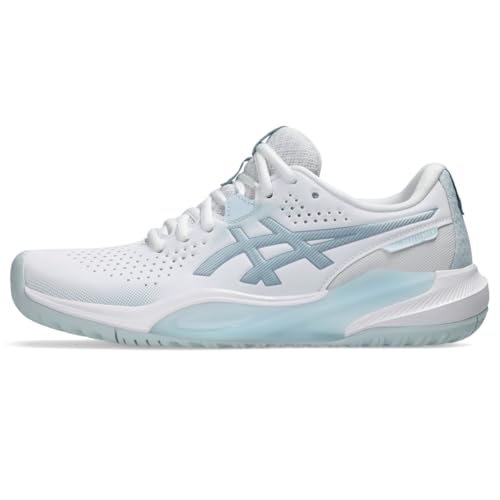
If you bat and bowl in the same match, the Asics Gel Peake 5 is the cleanest answer. The half spike layout (rubber heel, spiked forefoot) gives bowling grip without punishing the back foot during a forward defensive shot. Gel cushioning in the heel takes the impact out of long fielding sessions on hard ground. The fit runs slightly narrow, which is a known characteristic of the Asics last and a positive for narrow feet and a negative for wide ones. Build quality is high and the upper holds shape across a full season. Best paired with a thin moisture wicking sock.
New Balance CK4040: the batter's premium pick
The New Balance CK4040 is the shoe to grab if your role is primarily top order batting. The forefoot spikes are positioned for quick singles and turning for the second, while the cushioning is tuned for hours at the crease rather than explosive bowling impact. The upper is plush by cricket standards, which earns it forgiveness on long innings but slightly less abrasion resistance on a hard wicket. Width options are genuinely useful (D and 2E in many markets), which is rare in cricket footwear. Watch the spike layout on softer ground because the forefoot can sink without the heel support of full spikes.
Puma 22 FH Rubber: the indoor and turf specialist
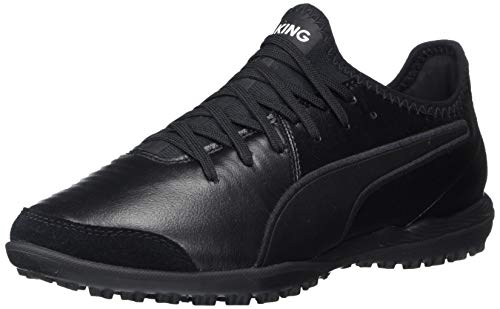
The Puma 22 FH Rubber is the right shoe for indoor nets, artificial turf or hard wickets where a spike is overkill or actively against the rules. The rubber sole pattern grips well laterally and rolls through a run up without the noise spikes generate on concrete. It is the lightest pick here, which makes it pleasant on long club training sessions. The midsole foam is firmer than the running shoes Puma usually makes, which is the right call for sharp directional movement. Avoid this one on natural grass after rain because the rubber can slip where a spike would hold.
Where it shines
- Turf Training Design: PUMA King Pro TT Turf Indoor Soccer Shoes in Black colorway, size 9
- Classic Football Boot: Modern interpretation of the iconic PUMA King design for today's pl
- Premium Construction: High-quality materials engineered for durability and performance on
- Turf-Specific Outsole: Specialized rubber outsole configuration optimized for artificial t
- Comfortable Fit: Designed to provide secure lockdown and all-day comfort during training s
SG Century 4.0: the honest budget pick
The SG Century 4.0 is the shoe to recommend to a junior cricketer or anyone just stepping up from school cricket to club level. The rubber sole grip is reasonable on artificial surfaces and adequate on dry grass. The upper uses a synthetic leather that breaks in within a few sessions. Comfort out of the box is fine rather than impressive, but at this price point that is fair. It will not last as long as the premium picks above, so plan to replace it within a season of heavy use. Sizing tends to run true to UK sizing rather than the slightly generous Asics or Adidas fit.
Before you buy
What to consider
Start with your role on the field. If you bowl pace, ankle support and a full spike sole are not negotiable, which points at the Adipower Vector Mid 20. If you bat top order with limited bowling, the New Balance CK4040 or Asics Gel Peake 5 will be more comfortable for long stints at the crease. All rounders should look at the Peake 5 first because the half spike configuration suits both jobs.
What to consider
Next, match the sole to the surface you actually play on. Many club cricketers train in indoor nets twice a week and play matches on grass once. In that case the smarter spend is a rubber sole for training (Puma 22 FH) and a spiked match shoe, rather than wrecking a premium spike on indoor flooring. If you only ever play on artificial turf or hard wickets, skip spikes entirely.
What to consider
Finally, prioritise width and fit over brand. A 5 percent better grip pattern is worthless if your toes are jammed after 30 overs. Cricket shoes generally run narrower than running shoes, so size up half a size if you are between sizes. New Balance offers explicit width options that solve this for wide footed players. Replace shoes when the spike threads or the heel counter start to deform, not when the upper looks tired, because that is when injuries start.
Quick answers
Metal spikes give the strongest grip on grass pitches and are favoured by fast bowlers. Rubber soles are quieter, last longer, and are the right call for indoor nets, artificial turf and most club level batting.
A single first grade season of nets plus matches will visibly wear most cricket shoes. Plan on one new pair per season, or two if you bowl heavy overs on abrasive surfaces.
Not really. Cricket shoes are designed for short sharp lateral movement and sprinting, not repeated heel strike running. Using them on a treadmill or road will collapse the midsole quickly.
Most batters prefer half spike (rubber heel, spiked forefoot) because it gives grip for quick singles without sticking on the back foot during shots. Full spikes are typically a bowler choice.
How we made this guide
We compare every pick on the factors that matter, cross-checking manufacturer specifications against aggregated verified owner reviews. We rank independently and never take payment for placement. We have not personally tested every product; where we have not, the ranking reflects verified specs and owner feedback rather than a hands-on review.
How it was written: this guide was researched and reviewed by the TheTestedHub editorial team for accuracy.
Affiliate disclosure: TheTestedHub is reader-supported. When you buy through links on our site, we may earn a commission at no extra cost to you.
More to explore

Dress Watches Experts Recommend: Seiko Presage Cocktail Time

Boot Accessories Guide: Why Insoles Are Your Best Bet

Recovery Boots 2026: Normatec 3 Leads Mile Reviewed Picks

Maximize Your Run: Best Athletic Sneakers of 2026

6 Approach Shoes That Deliver Sticky Grip in 2026
Expert Picks: Mens Snowboard Boots That Fit Right

Which Custom Women’s Jeans Fit You Best? Start With Levi’s 501
