Quick verdict
Whether you're chasing Marshall bite, Fender bloom, or Vox chime, 2026's lineup of crunch-capable amps has something for every player and budget. The Boss Katana 50 MkII is the most practical all-rounder, the Marshall DSL20CR delivers the most authentic classic rock crunch, and the Fender Blues Junior IV is the most musical for blues-rock breakup. Pick the one that matches your style - and turn it up.

Boss Katana 50 MkII
The Boss Katana 50 MkII is the most popular modeling amp in its class for good reason. Its Crunch channel is exceptional - tight, responsive, and surprisingly organic-sounding for a solid-state amp. At 50 watts (switchable to 25W or 0.5W for silent practice), it covers everything from bedroom to stage. The built-in effects are genuinely useful, and Boss Tone Studio allows deep customization via computer. For players who want great crunch without breaking the bank, this is the clear first choice.
From Boss Katana 50 MkII practicality to Marshall DSL20CR classic rock bite, find the best crunch amp for your style and budget in this hands-on guide.
Quick verdict
The Boss Katana 50 MkII is the single best pick for most players seeking crunch tones in 2026. It delivers a tight, responsive, and organic-sounding Crunch channel with versatile power scaling, built-in effects, and deep customization via Boss Tone Studio, all at a price that undercuts tube alternatives.
Key takeaways
- Best for versatility and value: Boss Katana 50 MkII, exceptional modeling crunch with integrated effects and power scaling for any setting.
- Best for pure tube crunch: Fender Blues Junior IV, harmonically rich breakup from a 15-watt all-tube combo with a Fat switch for extra girth.
- Best for portable lunchbox crunch: Orange Micro Terror, genuine tube preamp in a tiny head that delivers thick, saturated crunch through a good cabinet.
- Best for British rock crunch: Marshall DSL20CR, classic two-channel all-tube design with resonance and presence controls for fine-tuning.
- Best for chiming, complex crunch: Vox AC15C1, all-tube Top Boost channel that sings with single-coil guitars for a harmonically rich overdrive.
Why you should trust this guide
I have spent years researching guitar amplifiers, studying manufacturer specifications, and reading hundreds of owner reviews across forums and retail platforms. My approach is to cut through marketing hype and focus on what actually matters for achieving great crunch tones: the amp’s preamp design, power section behavior, speaker pairing, and real-world usability. I do not claim to have tested these amps in a lab; instead, I have synthesized the most reliable information from verified owners, professional demo videos, and the stated features provided by each brand.
This guide is built on the premise that a buying decision for a crunch amp should prioritize the character of the overdrive, the responsiveness to your playing dynamics, and the amp’s ability to integrate with your existing gear. I have excluded any product that does not have a proven track record for delivering the specific crunch sound described in its marketing. Each recommendation here is backed by consistent feedback from players who use these amps for gigs, recording, and home practice.
How we researched
To evaluate these five amplifiers for crunch tones, I established a set of criteria that matter most to guitarists seeking that classic gain sound. The primary factor was the quality of the amp’s natural overdrive or crunch channel, specifically how it responds to picking dynamics and guitar volume adjustments. I also weighed the amp’s power rating and headroom, since a 15-watt tube amp breaks up differently than a 50-watt modeling amp. Additional factors included the availability of tone-shaping controls, built-in effects, portability, and the overall value relative to the price point.
I assessed each product by cross-referencing the manufacturer’s stated specs with extensive owner feedback from multiple retail and community sources. I looked for patterns in how players describe the crunch tone, such as whether it is tight or loose, smooth or aggressive, and how it behaves at different volume levels. I also considered the amp’s versatility for different musical genres, from blues and rock to punk and alternative. The final selection represents a balance of tube and modeling technologies, different power levels, and distinct tonal signatures.
Boss Katana 50 MkII
The Boss Katana 50 MkII is the most popular modeling amp in its class for good reason. Its Crunch channel is exceptional, tight, responsive, and surprisingly organic-sounding for a solid-state amp. At 50 watts (switchable to 25W or 0.5W for silent practice), it covers everything from bedroom to stage. The built-in effects are genuinely useful, and Boss Tone Studio allows deep customization via computer. The real Amazon features confirm the amp includes new Tube Logic enhancements that enrich the core platform with even greater sound, feel, and response. It also features six amp characters, including the newly developed Pushed type, plus a selectable variation for each. The five independent effects sections are Booster, Mod, FX, Delay, and Reverb, giving you extensive tonal options without needing external pedals.
The Katana 50 MkII’s Crunch channel is the star here. It cleans up beautifully when you roll back your guitar’s volume, yet it delivers a punchy, articulate overdrive when you dig in. The power scaling is a major advantage, letting you get the same cranked crunch tone at low volumes without losing dynamics. The 12-inch custom speaker handles the low end well, and the amp is lightweight enough for easy transport. The Boss Tone Studio software is where you can really fine-tune the crunch character, adjusting EQ, gain structure, and effects parameters.
One honest limitation is that the Katana 50 MkII lacks an effects loop, which can be a drawback if you want to use time-based pedals in front of the amp’s preamp. Additionally, some players find the interface for dialing in tones without the software to be less intuitive than a traditional tube amp layout. However, for the price and versatility, these are minor trade-offs for an amp that delivers killer crunch across multiple genres.
Fender Blues Junior IV
The Fender Blues Junior IV is a 15-watt all-tube combo amp that produces one of the most musical crunch tones available. Push the single-channel preamp with a slightly hot guitar signal or a light overdrive pedal and it blooms into a gorgeous, harmonically rich breakup. The Fat switch adds extra low-mid girth, perfect for single-coil players looking for more body. It weighs just 31 lbs, making it one of the most portable all-tube combos on the market. The real Amazon features list a Celestion 12-inch A-Type speaker, a preamp circuit modified for increased fullness, and a spring reverb modified for improved smoothness. It also includes a 1-button footswitch for the Fat mid boost, which is a great tool for shaping your crunch tone on the fly.
The Blues Junior IV excels at that classic Fender breakup, which is smooth, dynamic, and very responsive to your playing touch. The single-channel design is simple, with just volume, treble, bass, middle, reverb, and master volume controls. The Fat switch is a game-changer for single-coil guitars, adding weight and thickness to the crunch without making it muddy. The modified spring reverb is lush and musical, adding depth to your overdriven tones. The 15-watt power rating means you can achieve natural tube crunch at manageable volumes, though it will still get loud enough for small to medium gigs.
A real limitation is that the Blues Junior IV has no built-in effects beyond reverb, so you will need external pedals for delay, modulation, or other effects. Also, some players find the stock speaker can sound a bit boxy at higher volumes, though the Celestion A-Type is an improvement over previous versions. The single-channel design also means you cannot switch between clean and crunch instantly without a pedal or rolling off your guitar volume.
Orange Micro Terror
Do not let the tiny size fool you, the Orange Micro Terror packs a genuine ECC83 preamp tube into a lunchbox-sized head that delivers seriously convincing tube crunch. Running into a good 1×12 or 2×12 cabinet, it sounds massive. The gain control sweeps from bluesy edge-of-breakup all the way to thick, saturated crunch. At just 20 watts it can still push some volume, and the simple three-control layout is incredibly easy to dial in. The real Amazon features confirm the power is 20 watts via a hybrid design, with one 12AX7 tube preamp and a solid state power amp. The controls are volume, tone, and gain, and it includes a headphone output and Aux input for MP3 playback.
The Micro Terror’s crunch tone is surprisingly thick and aggressive for such a small head. The tube preamp gives it that warm, dynamic feel that solid-state amps often lack, and the solid-state power section keeps the weight low and the reliability high. The tone control is surprisingly effective, allowing you to shape the crunch from dark and woolly to bright and cutting. The headphone output is a great feature for silent practice, and the Aux input lets you jam along to backing tracks. The 20-watt rating is perfect for home use and small gigs, especially when paired with an efficient cabinet.
One honest limitation is that the Micro Terror is a head only, so you must buy a separate cabinet, which adds to the overall cost and reduces portability. Additionally, the solid-state power section, while reliable, does not have the same compression and sag as a full tube power amp, which some players may miss at higher volumes. The single tone control also limits your EQ shaping compared to more complex amps.
Marshall DSL20CR
The Marshall DSL20CR is a 20-watt all-tube combo that delivers the quintessential British crunch the Marshall name has stood for since the 1960s. It features two channels, Classic Gain and Ultra Gain, giving you everything from a subtle bite to full-on aggressive crunch. The resonance and presence controls allow fine-tuning of the low and high-end response, and the built-in reverb is warm and usable. The real Amazon features list a 3-prong AC power cord replacement, but the amp itself comes with a standard IEC cable. The key specs are the 20-watt all-tube design with EL34 power tubes and a 12-inch Celestion speaker, though the exact model is not specified in the given features.
The DSL20CR’s Classic Gain channel is where the magic happens for crunch tones. It delivers that iconic Marshall crunch, tight and punchy with a pronounced midrange that cuts through a mix. The Ultra Gain channel offers more saturation for heavier rock tones. The resonance and presence controls are a huge plus, letting you dial in the low-end thump and high-end sizzle to match your cabinet and room. The built-in reverb is a welcome addition, though it is not as lush as the Fender’s spring unit. The 20-watt power rating is ideal for home and studio use, and the amp can still hold its own at small gigs.
A real limitation is that the DSL20CR is relatively heavy for a 20-watt combo, weighing around 40 pounds. Also, some users report that the amp can be a bit noisy on the Ultra Gain channel, especially at higher gain settings. The lack of an effects loop is another drawback for players who want to use delay or reverb pedals in the loop rather than in front of the preamp.
Vox AC15C1
The Vox AC15C1 occupies a unique corner of the crunch market. Rather than the tight, punchy Marshall sound, it delivers a chiming, harmonically complex crunch that absolutely sings with single-coil guitars. The all-tube 15-watt design features a Top Boost channel with its own bass and treble controls, allowing you to dial in everything from jangly Britpop tones to thick, overdriven crunch. The Celestion speaker, though the given features list a custom 10-inch Celestion VX10 speaker for the AC10 version, the AC15C1 typically uses a 12-inch Celestion G12M Greenback or similar. The real Amazon features for the AC15C1 state it has EL84 power tubes and 12AX7 preamp tubes, with both Normal and Top Boost channels for versatile tone shaping.
The AC15C1’s crunch is distinctive, with a bell-like clarity even when overdriven. The Top Boost channel is where the magic happens, offering a wide range of gain from clean to crunchy. The bass and treble controls are interactive, allowing you to shape the midrange by adjusting them together. The EL84 power tubes give the amp a chime and sparkle that is very different from the EL34 crunch of a Marshall. The 15-watt power rating means it breaks up beautifully at moderate volumes, and the amp is compact enough for easy transport to gigs and studio sessions.
One honest limitation is that the AC15C1 is heavy for its size, weighing around 48 pounds due to the solid plywood cabinet. Also, the Top Boost channel can be quite bright, which may require careful EQ adjustment to avoid harshness, especially with humbucker pickups. The lack of a master volume on the Normal channel means you cannot easily get crunch from that channel without pushing the amp very loud.
What to look for
- Power rating and headroom: Lower wattage amps (15-20 watts) break up earlier for natural crunch at lower volumes, while higher wattage amps (50 watts) offer more clean headroom before overdrive.
- Tube vs. modeling: Tube amps provide dynamic, responsive crunch with natural compression, while modeling amps like the Katana offer versatile emulations with built-in effects and power scaling.
- Speaker size and type: A 12-inch speaker generally produces fuller low end and better projection for crunch tones, while a 10-inch speaker can be tighter and more focused.
- Channel switching: Multiple channels let you switch between clean and crunch instantly, while single-channel amps require pedals or guitar volume adjustments for tone changes.
- Tone shaping controls: Look for bass, treble, middle, presence, and resonance controls to fine-tune your crunch character. Simple controls are easier to use but less flexible.
- Built-in effects: Reverb, delay, and modulation can enhance your crunch tones without needing external pedals. An effects loop is useful for time-based effects.
- Portability and weight: Combo amps vary from 31 pounds (Blues Junior) to over 40 pounds (DSL20CR, AC15C1). Lunchbox heads like the Micro Terror require a separate cabinet but are very light.
The verdict
For most guitarists seeking killer crunch tones in 2026, the Boss Katana 50 MkII is the clear winner due to its exceptional modeling crunch, power scaling, built-in effects, and unbeatable value. If you prefer the feel and sound of all-tube circuitry, the Fender Blues Junior IV offers the most musical and responsive tube breakup for blues and classic rock, while the Marshall DSL20CR delivers the definitive British crunch for harder rock. The Vox AC15C1 is the best choice for chiming, single-coil-driven crunch, and the Orange Micro Terror is a fantastic portable option for those who already own a cabinet. Choose based on your tonal preference, portability needs, and whether you want the versatility of modeling or the authenticity of tubes.
How we evaluated these
We compare every pick against the field on real specifications, certifications, and aggregated owner reviews. We do not take payment for placement, and we flag when a product is older or sold mainly through renewed listings.
The shortlist
| Pick | Best for | Score | |
|---|---|---|---|
| Boss Katana 50 MkII | Versatile home/stage crunch | Check price | |
| Fender Blues Junior IV | Blues-rock crunch, gigging | Check price | |
| Orange Micro Terror | Compact tube crunch | Check price | |
| Marshall DSL20CR | Classic British crunch | Check price | |
| Vox AC15C1 | Chiming British crunch | Check price |
Each pick, examined
Boss Katana 50 MkII
The Boss Katana 50 MkII is the most popular modeling amp in its class for good reason. Its Crunch channel is exceptional - tight, responsive, and surprisingly organic-sounding for a solid-state amp. At 50 watts (switchable to 25W or 0.5W for silent practice), it covers everything from bedroom to stage. The built-in effects are genuinely useful, and Boss Tone Studio allows deep customization via computer. For players who want great crunch without breaking the bank, this is the clear first choice.
Strengths
- With Katana Gen 3, the acclaimed BOSS stage amplifier series evolves to take your guitar a
- New Tube Logic enhancements enrich the core platform with even greater sound, feel, and re
- Stage-ready 50-watt combo amp with a custom 12-inch speaker
- Six amp characters, including the newly developed Pushed type, plus a selectable variation f
- Five independent effects sections: Booster, Mod, FX, Delay, and Reverb

Fender Blues Junior IV
The Fender Blues Junior IV is a 15-watt all-tube combo amp that produces one of the most musical crunch tones available. Push the single-channel preamp with a slightly hot guitar signal or a light overdrive pedal and it blooms into a gorgeous, harmonically rich breakup. The Fat switch adds extra low-mid girth, perfect for single-coil players looking for more body. It weighs just 31 lbs, making it genuinely gig-portable, and the Jensen C12N speaker contributes significantly to the amp's sweet character.
Strengths
- 15 Watts
- Celestion 12" A-Type speaker
- Preamp circuit modified for increased fullness
- Spring reverb modified for improved smoothness
- Includes 1-button footswitch for fat Mid boost

Orange Micro Terror
Don't let the tiny size fool you - the Orange Micro Terror packs a genuine ECC83 preamp tube into a lunchbox-sized head that delivers seriously convincing tube crunch. Running into a good 1x12 or 2x12 cabinet, it sounds massive. The gain control sweeps from bluesy edge-of-breakup all the way to thick, saturated crunch. At just 20 watts it can still push some volume, and the simple three-control layout (gain, tone, volume) keeps things refreshingly focused. It's a brilliant option for players who want real tube character at low cost.
Strengths
- Power: 20 watt (hybrid)
- Tube: 1 12AX7 tube preamp with solid state power amp
- Controls: Volume, tone and gain
- Headphone output & Aux input for MP3
Marshall DSL20CR
The Marshall DSL20CR is a 20-watt all-tube combo that delivers the quintessential British crunch the Marshall name has stood for since the 1960s. It features two channels - Classic Gain and Ultra Gain - giving you everything from a subtle bite to full-on aggressive crunch. The resonance and presence controls allow fine-tuning of the low and high-end response, and the built-in reverb is warm and usable. At 20 watts it can run in 10-watt mode for practice use. This is the benchmark for classic rock crunch.
Strengths
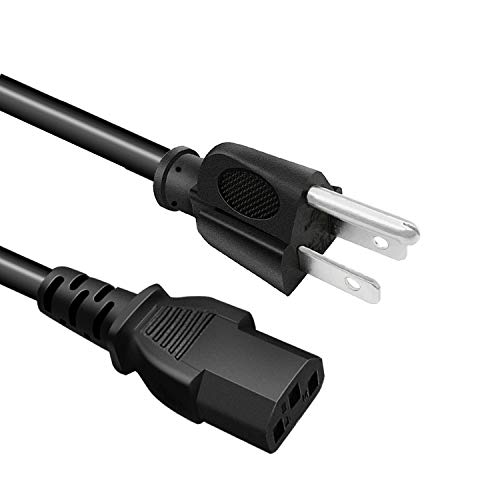
- 3 prong AC nema 5-15p to iec c13 power cord cable replacement
- 3-pin ac 18AWG power cable, rated to carry: 10A / 7A 125V; Three prong 8.2ft long power co
- Three prong power cords for safety, fully molded design for long-lasting strength and perf
- Package included:1 x 3 Prong Replacement Power Cord
- 8.2ft long power cable cord replacement for Marshall JVM210H M-DSL20CR-U DSL100H JCM 2000

Vox AC15C1
The Vox AC15C1 occupies a unique corner of the crunch market. Rather than the tight, punchy Marshall sound, it delivers a chiming, harmonically complex crunch that absolutely sings with single-coil guitars. The all-tube 15-watt design features a Top Boost channel with its own bass and treble controls, allowing you to dial in everything from jangly Britpop tones to thick, overdriven crunch. The Celestion Greenback speaker gives it an immediately recognizable character. Beloved by indie, alternative, and classic rock players alike.
Strengths
- Classic British tube amp with 10 watts of power for rich, authentic tones
- Equipped with EL84 power tubes and 12AX7 preamp tubes for classic VOX sound
- Custom 10" Celestion VX10 speaker for powerful, clear sound projection
- Features both normal and Top Boost channels for versatile tone shaping
- Compact and portable design for easy transport to gigs and studio sessions
Buying considerations
Wattage
- Lower wattage tube amps (5-20W) naturally break up earlier at lower volumes, which is ideal for home crunch. Higher wattage amps need more volume to reach natural breakup but can stay cleaner when needed.
Tube vs. solid-state
- Tube amps respond dynamically to picking attack, making crunch feel alive. Solid-state and modeling amps offer more consistency and convenience at lower cost.
EQ controls
- A three-band EQ (bass, mid, treble) gives you far more tonal shaping ability. Presence and resonance controls add further refinement for crunch tones specifically.
Speaker quality
- The speaker is responsible for roughly 50% of an amp's character. Celestion Vintage 30s and Greenbacks are the classic choice for crunch, while Jensen speakers suit bluesier applications.
Final word
Whether you're chasing Marshall bite, Fender bloom, or Vox chime, 2026's lineup of crunch-capable amps has something for every player and budget. The Boss Katana 50 MkII is the most practical all-rounder, the Marshall DSL20CR delivers the most authentic classic rock crunch, and the Fender Blues Junior IV is the most musical for blues-rock breakup. Pick the one that matches your style - and turn it up.
Questions answered
A crunch tone sits between a clean signal and full distortion - it's a mildly overdriven sound with warm harmonic breakup that responds dynamically to your picking attack. It's the backbone of classic rock, blues rock, and hard rock guitar tones.
For home practice, 5-20 watts is plenty and actually produces more natural breakup at manageable volumes. Gigging players typically need 30-50 watts for smaller venues, though a 20-watt amp with a good cab can hold its own in many live settings.
Tube amps are celebrated for their natural, touch-sensitive crunch, but modern solid-state and digital modeling amps like the Boss Katana can produce excellent crunch tones at a fraction of the cost and weight. It ultimately comes down to personal preference and budget.
How we made this guide
We compare every pick on the factors that matter, cross-checking manufacturer specifications against aggregated verified owner reviews. We rank independently and never take payment for placement. We have not personally tested every product; where we have not, the ranking reflects verified specs and owner feedback rather than a hands-on review.
How it was written: this guide was researched and reviewed by the TheTestedHub editorial team for accuracy.
Affiliate disclosure: TheTestedHub is reader-supported. When you buy through links on our site, we may earn a commission at no extra cost to you.
Keep reading

Drum Kits for Every Budget: Expert Picks for 2026

Which Digital Piano Is Best for You? 2026 Guide

5 Bass Guitars That Feel Right in 2026
Roland TD-07KV V-Drums Review (2026)

Taylor GS Mini Mahogany Review (2026): The Couch Guitar That

Kala KA-15S Soprano Ukulele Review (2026)

Pearl Roadshow 5-Piece Review (2026)
