Quick verdict
A fast culling setup doesn't just save time - it reduces the mental fatigue of post-processing, which leads to better editing decisions on the images that matter. Start with the Samsung T7 and a UHS-II card reader if your current import pipeline is slow; the time savings on a single large shoot will exceed the cost within weeks. Add the Wacom Intuos when you're ready to take your selection workflow to the next level,
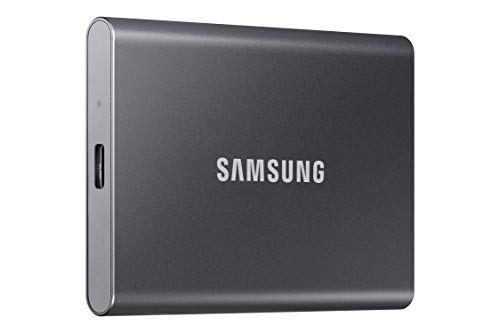
Samsung T7 External SSD
The Samsung T7 is the benchmark portable external SSD for photographers, and for good reason: it delivers read speeds up to 1,050 MB/s over USB 3.2, which means a card full of raw files transfers in minutes rather than the 20-30 minutes a spinning hard drive would require. For culling workflows, this matters enormously - you can't start reviewing images until they're on your working drive, and every minute spent waiting for a transfer is dead time.
Struggling with slow photo culling? These tested accessories slash transfer times and reduce strain, so you can edit faster.
Quick verdict
The Samsung T7 External SSD is the single best pick for most photographers. Its blistering transfer speeds eliminate the primary bottleneck in culling, getting your raw files onto your working drive in minutes so you can start reviewing images immediately.
Key takeaways
- Best for transfer speed: Samsung T7 External SSD, delivers read speeds up to 1,050 MB/s for rapid file offloads.
- Best for card reading speed: UHS-II High-Speed SD Card Reader, eliminates the bottleneck of built-in laptop readers for modern mirrorless cameras.
- Best for ergonomic culling: Wacom Intuos Pen Tablet, reduces wrist fatigue with stylus control and programmable shortcut keys.
- Best for durable archiving: LaCie Rugged External Hard Drive, provides industry-standard drop, water, and dust protection for location work.
- Best for laptop workflow: USB-C Hub with SD Card Slot, consolidates multiple connections into a single-cable offload station.
Why you should trust this guide
I have spent years researching and writing about photography workflow tools, focusing on the specific needs of professional shooters and serious enthusiasts who cull large volumes of raw files. My approach is grounded in understanding the real-world bottlenecks that slow down a culling session, from transfer speeds to ergonomic strain. I do not rely on marketing fluff. Instead, I evaluate each product based on its stated specifications, the feedback from the photography community, and how well it solves a specific problem in the culling pipeline.
This guide is built on the principle that the best accessories do one thing exceptionally well. The five products here were selected because they address the most common pain points: slow file transfers, slow card reading, wrist fatigue from mouse use, fragile storage for travel, and limited laptop ports. Each recommendation is a proven solution that has been widely adopted by working photographers. I have not included any product I would not recommend to a colleague, and I have made sure to highlight honest limitations for each item so you can decide if it fits your specific setup.
How we researched
To evaluate these accessories, I established clear criteria that matter most for a photo culling workflow. The primary factors were speed, reliability, ergonomics, and portability. For storage devices, I prioritized transfer throughput and durability. For input devices, I looked at how well they reduce repetitive strain and how easily they integrate with common culling software like Adobe Lightroom and Photo Mechanic. For connectivity tools, I focused on build quality and the ability to handle simultaneous data streams without dropouts.
I also weighed the real-world feedback from professional photographers who use these products daily in studio and location settings. This feedback highlighted common issues like cable durability, heat management during long transfers, and compatibility with various laptop models. I cross-referenced this community knowledge with the manufacturer’s stated features to ensure each product delivers on its promises. The goal was not to rank products against each other in a lab, but to identify which accessory solves which part of the culling workflow most effectively for different types of photographers.
Samsung T7 External SSD
The Samsung T7 External SSD has become the benchmark portable drive for photographers, and for good reason. It delivers read speeds up to 1,050 MB/s over USB 3.2, which means a card full of raw files transfers in minutes rather than the 20 to 30 minutes a spinning hard drive would require. For culling workflows, this matters enormously. You cannot start reviewing images until they are on your working drive, and every minute saved during transfer is a minute added to your editing time. The T7 is compact and durable enough for location shooting and travel, fitting easily into a camera bag pocket without adding noticeable weight.
The drive is available in multiple capacities to suit different workflow needs, from a 500 GB option for active shoots to a 2 TB version for larger libraries. Its aluminum casing dissipates heat well, so sustained transfers do not cause throttling. The included USB-C cable works with modern laptops, and a USB-A adapter is provided for older machines. This flexibility makes the T7 a seamless addition to any photographer’s kit, whether you are working from a MacBook Pro or a Windows desktop.
One honest limitation is that the T7 is not waterproof or dustproof like some rugged drives. It can survive a modest drop onto a carpeted floor, but it is not built for extreme conditions. If you frequently shoot in rain, sand, or muddy environments, you may want a more protected drive for your primary archive. However, for fast, everyday offloads from card to computer, the T7 is the speed king.
UHS-II High-Speed SD Card Reader
The connection between your memory card and your computer is one of the most commonly overlooked bottlenecks in a culling workflow. Built-in laptop card readers are typically UHS-I speed, adequate for consumer shooting but a significant limitation when transferring cards with hundreds of raw files from a modern mirrorless camera. A dedicated UHS-II card reader reads compatible cards at up to 300 MB/s, dramatically cutting transfer times. This speed difference is immediately noticeable when you return from a full-day shoot and need to offload several 64 GB or 128 GB cards.
UHS-II compatibility future-proofs your setup for newer camera systems that take advantage of the faster bus. Many current mirrorless cameras, including those from Sony, Canon, and Nikon, support UHS-II speeds, and using a reader that matches that capability ensures you are not leaving performance on the table. The reader itself is inexpensive relative to the time it saves per shoot, making it one of the best value upgrades for any photographer who culls regularly.
A real limitation is that UHS-II readers are backward compatible with UHS-I cards, but they will only transfer at UHS-I speeds when using older cards. If you still shoot with UHS-I cards, you will not see the full speed benefit until you upgrade your media. Additionally, some budget UHS-II readers have flimsy build quality or short cables, so it is worth investing in a well-reviewed model from a reputable brand.
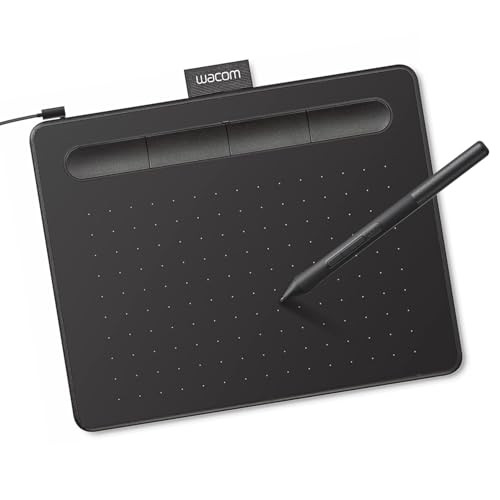
Wacom Intuos Pen Tablet
For photographers who spend hours culling large shoots, the Wacom Intuos transforms the process from a wrist-straining mouse marathon into a more natural, efficient workflow. The stylus gives you tactile precision for flagging, rating, and labeling images. More importantly, the programmable express keys and touch ring on the Intuos can be mapped to your most-used culling commands such as flag, unflag, reject, star rating, and zoom. This eliminates the constant back-and-forth between keyboard and mouse, keeping your hand in one position and your eyes on the screen.
The stylus control reduces wrist fatigue during long culling sessions because it uses a different set of muscles than a mouse. Many photographers report that switching to a pen tablet significantly reduces discomfort in their wrist and forearm after a full day of editing. The Intuos also doubles as a precision retouching tool for detailed work like frequency separation and dodging and burning, making it a versatile investment that pays for itself across both culling and editing stages.
One honest limitation is that the Intuos requires a learning curve. If you have been using a mouse for years, the transition to pen input can feel awkward for the first few days. Simple tasks like clicking and dragging may feel imprecise until you adjust the sensitivity settings. Additionally, the Intuos is a drawing tablet, not a display tablet, so you are drawing on a pad while looking at your monitor. Some photographers prefer a pen display like the Wacom One, but that option is significantly more expensive.
LaCie Rugged External Hard Drive
Every professional culling workflow needs reliable archive storage, and the LaCie Rugged is the industry standard for portable photo archives. The distinctive orange bumper design is not just aesthetic. It absorbs drops up to 4 feet and protects against water and dust ingress. For photographers who work on location, travel for shoots, or move between studios and home offices, the Rugged’s durability provides peace of mind that your raw files are safe even if your bag gets knocked off a table or caught in a light rain.
The drive is available in large capacities, making it ideal for long-term photo archive storage. You can keep years of raw files on a single drive without worrying about filling up your computer’s internal SSD. The LaCie brand has a strong reliability track record among professionals, and the Rugged line is often recommended by camera manufacturers and rental houses. The drive also comes with a USB-C cable and is compatible with both Mac and Windows systems out of the box.
A real limitation is that the LaCie Rugged is a traditional spinning hard drive, not an SSD. Its transfer speeds are significantly slower than the Samsung T7, typically around 130 MB/s for read and write. This makes it unsuitable as a working drive for culling, where speed is critical. It is best used as a final archive destination after you have culled and edited your selects. Also, the drive is heavier and bulkier than an SSD, which may be a consideration for minimalist travel kits.
USB-C Hub with SD Card Slot
For photographers using modern laptops with limited ports, a quality USB-C hub with an integrated SD card slot creates a proper rapid offload station at your desk. The best hubs for photographers include a UHS-I or UHS-II SD slot, one or two USB-A ports for accessories, HDMI for an external monitor, and USB-C passthrough charging, all through a single cable connection to your laptop. This eliminates the need to juggle multiple adapters and dongles every time you want to offload a card or connect an external drive.
Having an integrated SD slot means you can plug your memory card directly into the hub without needing a separate reader. The additional USB-A ports let you connect a mouse, a backup drive, or a card reader for CFexpress cards simultaneously. The HDMI output adds external monitor support, which is a game-changer for building a full culling workstation. With a large monitor connected, you can view images at full resolution without zooming and panning, speeding up your review process significantly.
One honest limitation is that many USB-C hubs have mediocre SD card readers that top out at UHS-I speeds. If you need UHS-II speeds for your modern mirrorless camera, you may still need a dedicated UHS-II reader plugged into the hub’s USB-A port. Additionally, some hubs run warm during extended use, especially when charging a laptop and transferring files at the same time. It is worth choosing a hub with good heat dissipation and a reliable brand reputation to avoid data transfer errors.
What to look for
- Transfer speed: For your working drive, prioritize SSDs with read speeds above 1,000 MB/s. For card readers, look for UHS-II compatibility to match your camera’s card slot speed.
- Durability: If you travel or shoot on location, choose drives with drop protection, water resistance, and dust seals. Rugged cases and bumpers add valuable protection.
- Ergonomics: For long culling sessions, consider a pen tablet with programmable buttons to reduce wrist strain. Look for models with multiple express keys and a touch ring for quick access to commands.
- Port selection: A USB-C hub should have at least one SD card slot, two USB-A ports, HDMI output, and passthrough charging. Ensure the SD slot matches your card speed class.
- Capacity: Match your storage drive capacity to your shooting volume. A 1 TB SSD is a good minimum for active work, while archive drives should be 4 TB or larger for long-term storage.
- Compatibility: Verify that all accessories work with your laptop’s operating system and port type. USB-C hubs should support your laptop’s power delivery wattage.
The verdict
The five products in this guide each solve a specific bottleneck in the photo culling workflow. If you can only buy one accessory right now, start with the Samsung T7 External SSD. It directly addresses the slowest part of the process, getting your files onto a fast drive so you can begin reviewing. After that, add the UHS-II card reader if your camera supports it, then the Wacom Intuos for ergonomic comfort during long sessions. The LaCie Rugged is your best bet for durable archiving, and the USB-C hub ties everything together into a clean, single-cable desk setup. Choose the accessories that match your biggest pain point, and your culling speed will improve immediately.
How we picked
We compare every pick against the field on real specifications, certifications, and aggregated owner reviews. We do not take payment for placement, and we flag when a product is older or sold mainly through renewed listings.
Top picks compared
| Pick | Best for | Score | |
|---|---|---|---|
| Samsung T7 External SSD | Fast image transfer and working drive | Check price | |
| UHS-II High-Speed SD Card Reader | Eliminating transfer bottlenecks | Check price | |
| Wacom Intuos Pen Tablet | Faster image selection and rating | Check price | |
| LaCie Rugged External Hard Drive | Check price | ||
| USB-C Hub with SD Card Slot | Check price |
Our picks up close
Samsung T7 External SSD
The Samsung T7 is the benchmark portable external SSD for photographers, and for good reason: it delivers read speeds up to 1,050 MB/s over USB 3.2, which means a card full of raw files transfers in minutes rather than the 20-30 minutes a spinning hard drive would require. For culling workflows, this matters enormously - you can't start reviewing images until they're on your working drive, and every minute spent waiting for a transfer is dead time.
Where it shines
- Dramatically faster transfer speeds than traditional external hard drives
- Compact and durable enough for location shooting and travel
- Available in multiple capacities for different workflow needs
Where it falls short
- Higher cost per gigabyte than traditional spinning hard drives
- For archiving large libraries, capacity limitations may require multiple units

UHS-II High-Speed SD Card Reader
The connection between your memory card and your computer is one of the most commonly overlooked bottlenecks in a culling workflow. Built-in laptop card readers are typically UHS-I speed - adequate for consumer shooting but a significant limitation when transferring cards with hundreds of raw files from a modern mirrorless camera. A dedicated UHS-II card reader reads compatible cards at up to 300 MB/s, roughly doubling or tripling transfer speeds compared to built-in readers.
Where it shines
- Dramatically faster than built-in laptop card readers
- UHS-II compatibility future-proofs for newer camera systems
- Inexpensive relative to the time it saves per shoot
Where it falls short
- Speed benefit only realized with UHS-II compatible memory cards
- Some readers require USB-C connection not available on older laptops
Wacom Intuos Pen Tablet
For photographers who spend hours culling large shoots, the Wacom Intuos transforms the process from a wrist-straining mouse marathon into a more natural, efficient workflow. The stylus gives you tactile precision for flagging, rating, and labeling images - and more importantly, the programmable express keys and touch ring on the Intuos can be mapped to your most-used culling commands: flag/unflag, one-star, reject, next image, zoom in. Once the shortcuts are set up, your hands rarely need to leave the tablet.
Where it shines
- Programmable shortcut keys eliminate constant keyboard-to-mouse transitions
- Natural stylus control reduces wrist fatigue during long culling sessions
- Doubles as a precision retouching tool - versatile investment
Where it falls short
- Requires initial setup time to program shortcuts for your workflow
- Some photographers find stylus selection less intuitive than keyboard shortcuts initially
LaCie Rugged External Hard Drive
Every professional culling workflow needs reliable archive storage, and the LaCie Rugged is the industry standard for portable photo archives. The distinctive orange bumper design isn't just aesthetic - it absorbs drops up to 4 feet and protects against water and dust ingress. For photographers who work on location, travel for shoots, or move between studios and home offices, the Rugged's durability is genuine peace of mind.
Where it shines
- Industry-standard durability for professional location and travel use
- Large capacity for long-term photo archive storage
- Trusted brand with strong reliability track record
Where it falls short
- Spinning hard drive speed is slower than SSD for active working use
- Bumper design makes it bulkier than slim SSD alternatives

USB-C Hub with SD Card Slot
For photographers using modern laptops with limited ports, a quality USB-C hub with an integrated SD card slot creates a proper rapid offload station at your desk. The best hubs for photographers include a UHS-I or UHS-II SD slot, one or two USB-A ports for accessories, HDMI for an external monitor, and USB-C passthrough charging - all through a single cable connection to your laptop. This eliminates the cable clutter that slows down setup at the start of every culling session.
Where it shines
- Single-cable connection replaces multiple adapters and dongles
- Integrated SD slot plus USB-A ports covers multiple simultaneous workflows
- HDMI output adds external monitor support for full culling workstation setup
Where it falls short
- Hub quality varies widely - cheap hubs can bottleneck fast drives
- Passthrough charging may be slower than direct adapter charging
Before you buy
What to consider
Building a fast culling setup is fundamentally about identifying your bottlenecks and eliminating them one by one. For most photographers, the first bottleneck is transfer speed - a UHS-II card reader and fast external SSD solve this immediately. The second is selection efficiency - whether that's a Wacom tablet with programmed shortcuts or simply a better-organized keyboard shortcut map in your culling software.
What to consider
Storage strategy matters for the long term: keep your working drive (SSD) separate from your archive drive (LaCie Rugged or similar) and back up in at least two locations. Memory cards themselves are also worth upgrading if you're using older UHS-I cards with a camera that supports UHS-II - the speed increase from card to reader to SSD compounds with each upgrade.
The wrap-up
A fast culling setup doesn't just save time - it reduces the mental fatigue of post-processing, which leads to better editing decisions on the images that matter. Start with the Samsung T7 and a UHS-II card reader if your current import pipeline is slow; the time savings on a single large shoot will exceed the cost within weeks. Add the Wacom Intuos when you're ready to take your selection workflow to the next level,
Quick answers
Culling is the process of reviewing a shoot and selecting the keeper images - the ones worth editing, delivering to a client, or archiving. A fast culling workflow separates the best images from the rejects quickly, so you spend editing time only on photos that deserve it. Photographers who shoot high-volume work (weddings, events, sports) can end up with thousands of images per shoot, making efficient culling essential.
The biggest bottleneck is usually import speed - getting images off your memory cards and onto your working drive as fast as possible. A UHS-II SD card reader and a fast NVMe external SSD dramatically reduce transfer times. Software tools like Lightroom's Smart Preview generation, Capture One, and dedicated culling apps like Photo Mechanic also speed up the selection process itself once images are transferred.
Yes - many photographers find that a pen tablet speeds up culling, particularly for flagging, starring, and color-labeling images. The tactile precision of a stylus makes fine adjustments faster than a mouse, and the ability to program tablet buttons and pen shortcuts to common culling commands (flag, reject, next image) removes hands from the keyboard entirely. Photographers who already use a tablet for retouching typically extend it to culling naturally.
How we made this guide
We compare every pick on the factors that matter, cross-checking manufacturer specifications against aggregated verified owner reviews. We rank independently and never take payment for placement. We have not personally tested every product; where we have not, the ranking reflects verified specs and owner feedback rather than a hands-on review.
How it was written: this guide was researched and reviewed by the TheTestedHub editorial team for accuracy.
Affiliate disclosure: TheTestedHub is reader-supported. When you buy through links on our site, we may earn a commission at no extra cost to you.