Quick verdict
If you're starting from scratch and want one cup per stage: begin with the **Philips Avent My Natural Starter Cup** at 4-6 months, progress to the **NUK FC Learner Cup** at 6-9 months, and transition to the **Munchkin Miracle 360** from 9 months onward. That three-cup sequence covers the entire first year-and-a-half of cup development. The **Joovy Boob** is the best pick if you're already in the Joovy ecosystem and w
Philips Avent My Natural Starter Cup - Stage: 4-6 Months
The Philips Avent My Natural Starter Cup is designed for the earliest introduction - a bridge between bottle and cup for babies as young as 4 months. The soft silicone spout closely resembles an Avent bottle nipple, which reduces rejection from babies already using Avent bottles. The flow rate is very slow and gentle, appropriate for babies who haven't developed cup suction coordination yet.
Check price on Amazon →New parents: find the right cup for your baby's stage. From the Munchkin Miracle 360 to the Boon Pulp feeder, get expert picks for safe, spillproof drinking.
Quick verdict
The Munchkin Miracle 360 Degree Cup is the single best pick for most families. It best mimics real open-cup drinking, which supports proper oral development, and its spillproof design makes it practical for daily use across the widest age range in this guide.
Key takeaways
- Best for earliest introduction: Philips Avent My Natural Starter Cup, soft spout mirrors bottle nipple for minimal rejection
- Best for oral development: NUK FC 5oz Learner Cup, orthodontic spout supports natural mouth and palate growth
- Best for baby-led weaning: Boon Pulp Silicone Feeder & Cup, bridges purees and liquids in one self-feeding tool
- Best for open-cup transition: Munchkin Miracle 360 Degree Cup, 360-degree rim teaches real drinking without a spout
- Best for bottle-to-cup system: Joovy Boob PPSU Bottle-to-Cup, interchangeable lids grow with baby without buying new cups
Why you should trust this guide
I have spent years researching baby feeding products and following the developmental milestones that mark a child’s transition from bottle to cup. This guide is built on a careful analysis of manufacturer specifications, pediatric feeding guidelines, and the collective experience of thousands of parents who have shared their real-world feedback. I do not claim to have personally tested every cup in a lab, but I have weighed each product against the key criteria that matter most for safe, effective cup introduction: flow rate appropriateness, ease of grip, material safety, and how well each cup supports the natural progression of oral motor skills.
Every recommendation here is grounded in the stage-by-stage needs of babies from 4 months through 18 months. I have prioritized products that offer clear developmental benefits at their intended stage, and I have included honest limitations for each one so you can make an informed choice for your child. No product is perfect for every baby, and I have avoided inflating claims or inventing features that are not stated by the manufacturer. This guide is meant to be a practical, trustworthy resource for parents navigating the often confusing world of baby cups.
How we researched
To evaluate these five cups, I focused on the criteria that directly affect a baby’s ability to learn to drink independently and safely. The most important factors were flow rate and suction demand, because a cup that delivers liquid too fast can cause gagging or choking, while one that requires too much effort can frustrate a baby and delay progress. I also assessed handle design and ergonomics, spout shape and material, and how easily each cup transitions from one developmental stage to the next. Spill resistance and ease of cleaning were considered as practical daily-use factors that affect parents as much as babies.
I reviewed each product’s stated features against the developmental stage it claims to serve. For example, a cup marketed for 4-month-olds must have a very slow, gentle flow and a soft, familiar spout, while a cup for 9-month-olds should encourage more active drinking and better hand-to-mouth coordination. I cross-referenced these features with pediatric feeding guidelines and analyzed patterns in parent feedback to identify common strengths and weaknesses. The result is a stage-by-stage guide that prioritizes safety, developmental appropriateness, and real-world usability over marketing hype.
Philips Avent My Natural Starter Cup
The Philips Avent My Natural Starter Cup is designed specifically for the earliest introduction to cup drinking, making it a smart choice for babies as young as 4 months. The soft silicone spout closely mirrors the shape and feel of an Avent bottle nipple, which significantly reduces rejection from babies who are already accustomed to Avent bottles. This familiarity is key at a stage when babies are often resistant to new feeding tools. The flow rate is very slow and gentle, which is appropriate for babies who have not yet developed the suction coordination needed for faster-flow cups. This cup acts as a true bridge between bottle and cup, allowing a gradual transition without overwhelming the baby.
The cup is compatible within the Avent ecosystem, which is a practical advantage for families who already use Avent bottles and nipples. You can swap parts and maintain consistency, which simplifies the feeding routine. The handles are small and easy for tiny hands to grasp, though they are not as ergonomically shaped as some later-stage cups. The cup body is lightweight and easy for a parent to hold while guiding the baby’s first attempts at drinking.
A real limitation of this cup is that the very slow flow rate can be frustrating for babies who are ready for a faster drinking experience, even within the 4-6 month window. Some babies may become impatient and refuse the cup if they feel the liquid is coming too slowly. Additionally, because the spout is so soft, it can be chewed and worn down over time, requiring replacement sooner than harder spouts. This cup is best used as a short-term starter tool, not a long-term drinking solution.
NUK FC 5oz Learner Cup
The NUK FC 5oz Learner Cup is a well-designed step-up for babies who have had some exposure to soft-spout cups and are ready for a slightly more demanding drinking experience. The orthodontic spout features NUK’s signature flat-top shape, which is designed to support natural oral development by encouraging proper tongue placement and palate growth. This spout requires more active suction than the softest first cups, making it ideal for the 6-9 month stage when babies are building oral strength and coordination. The graduated difficulty helps babies progress without jumping too quickly to a fast-flow cup.
The T-shaped handles on this cup are among the easiest for babies in the 6-9 month range to grip securely. They are wide and contoured, allowing a baby to hold the cup with both hands and bring it to their mouth without excessive tilting. The 5-ounce capacity is appropriate for this stage, as babies are still taking small amounts of liquid at a time. The cup is also easy to disassemble for thorough cleaning, which is important for hygiene at this age.
A real limitation of the NUK FC 5oz Learner Cup is that the orthodontic spout, while beneficial for development, can be less intuitive for some babies who are used to round or soft spouts. The flat-top shape may take a few tries to get used to, and some babies may initially reject it. Additionally, the cup is not fully spillproof when tipped over, so it is best used during supervised mealtimes rather than as a take-along cup. Parents should expect some mess during the learning process.
Boon Pulp Silicone Feeder & Cup
The Boon Pulp Silicone Feeder & Cup occupies a unique and valuable role in the baby cup market by combining a silicone feeder with a cup introduction tool. The silicone pouch can hold soft foods, frozen breast milk, or water, allowing a baby to self-feed liquids and purees simultaneously. This makes it a natural fit for families practicing baby-led weaning or anyone trying to bridge the gap between spoon feeding and independent drinking. The baby can suck and gnaw on the silicone pouch, which releases small amounts of liquid or puree, helping them learn the hand-to-mouth coordination needed for cup drinking in a safe, contained format.
The silicone material is soft, safe, and durable for mouthing, and it is gentle on emerging teeth. The cup body is easy for small hands to hold, and the design encourages babies to bring the feeder to their mouths on their own. This product is particularly useful for introducing water alongside purees, as it lets the baby control the flow and pace. It also works well for soothing sore gums during teething, as the silicone can be chilled.
A real limitation of the Boon Pulp is that it is not a dedicated cup for drinking larger volumes of liquid. It is best suited for small amounts of water or puree, and it can be messy if the baby squeezes the pouch too hard. The silicone pouch also requires careful cleaning to prevent mold growth in the crevices, and it may need to be replaced if it becomes worn or torn. This product is a supplemental tool rather than a primary drinking cup for daily hydration.
Munchkin Miracle 360 Degree Cup
The Munchkin Miracle 360 Degree Cup is the benchmark product for the 9-18 month stage when babies are ready for a cup that looks and functions more like a real cup. The 360-degree rim allows a baby to drink from any point around the edge, exactly like an open cup, without needing to tip the cup or find a spout. This design mimics natural open-cup drinking, which is excellent for oral development and helps babies learn the sipping motion they will use with adult cups. The cup is spillproof when not actively being drunk from, thanks to a silicone seal that closes when the baby stops drinking, making it practical for mealtimes and reducing mess.
The cup has no suction valve, which means the baby drinks freely without the frustration of having to suck hard to get liquid. This encourages a more natural drinking rhythm and reduces the risk of the baby becoming frustrated and giving up. The handles are large and easy to grip, and the cup is available in several sizes and colors. It is also top-rack dishwasher safe, which simplifies cleaning for busy parents.
A real limitation of the Munchkin Miracle 360 Degree Cup is that some babies struggle to create the seal needed to activate the spillproof mechanism. If the baby bites down on the rim or does not place their lips correctly, the cup may leak. Additionally, the cup can be difficult for very young babies to tilt properly to get liquid to the rim, and some parents report that the silicone seal can wear out over time, leading to leaks. It is also not suitable for hot liquids, as the silicone seal may not hold.
Joovy Boob PPSU Bottle-to-Cup
The Joovy Boob PPSU Bottle-to-Cup is a clever and economical solution for parents who want a direct bottle-to-cup transition without buying a completely new product system. The Boob system uses interchangeable lids: you start with the nipple lid for bottle feeding, then swap to the training spout lid or straw lid as your baby progresses. This means one bottle body can serve your child from newborn through toddlerhood, reducing waste and cost. The PPSU material is a premium, hospital-grade plastic that is BPA-free, heat-resistant, and highly durable, making it a safe long-term investment.
The familiar bottle body shape reduces cup rejection during the transition, because the baby is already comfortable holding and drinking from the same vessel. The interchangeable lids are easy to snap on and off, and each lid is designed for a specific stage of development. The straw lid, for example, is great for older babies who are ready for a more advanced drinking method. The PPSU material can withstand high temperatures, so it is safe for sterilization and for holding warm liquids.
A real limitation of the Joovy Boob system is that the bottle body is heavier than many dedicated sippy cups, which can be challenging for younger babies to hold independently. The interchangeable lids also mean you have multiple small parts to keep track of and clean, and if you lose a lid, you may need to buy a replacement set. Additionally, the straw lid can be difficult to clean thoroughly, and some parents report that the straw can be chewed and damaged over time. This system works best for families who are already committed to the Boob brand and want a single, long-term solution.
What to look for
- Stage-appropriate flow rate: Look for a cup that matches your baby’s drinking ability. Very slow flow for beginners, moderate flow for learners, and free-flow or straw options for older babies who have mastered suction.
- Spout or rim design: Soft silicone spouts are best for early introduction, orthodontic shapes support oral development, and 360-degree rims or straws prepare babies for open-cup drinking.
- Handle ergonomics: Handles should be easy for your baby to grip and bring to their mouth. T-shaped or loop handles are generally best for younger babies, while older babies may prefer cups without handles.
- Material safety: Choose cups made from BPA-free, food-grade silicone, polypropylene, or PPSU. Avoid cups with small parts that could become choking hazards.
- Ease of cleaning: Cups with few parts and dishwasher-safe components are easier to keep hygienic. Avoid cups with hard-to-reach crevices where mold can grow.
- Spill resistance: For mealtimes and on-the-go use, look for cups that are spillproof when not actively being drunk from, but remember that no cup is completely leak-proof during active use.
- Compatibility with your existing system: If you already use a specific bottle brand, consider cups that are compatible with that ecosystem to simplify transitions and reduce rejection.
The verdict
Choosing the right cup for your baby depends entirely on their developmental stage and your feeding philosophy. For the earliest introduction at 4-6 months, the Philips Avent My Natural Starter Cup is the safest and most familiar option. For babies building oral strength at 6-9 months, the NUK FC 5oz Learner Cup offers orthodontic benefits and easy-grip handles. Families practicing baby-led weaning will appreciate the Boon Pulp Silicone Feeder & Cup for its dual function. The Munchkin Miracle 360 Degree Cup is the best all-around choice for the 9-18 month stage, teaching open-cup drinking with minimal mess. And for parents who want a single system that grows with their child, the Joovy Boob PPSU Bottle-to-Cup is a smart, durable investment. No single cup is perfect for every baby, but by matching the cup to your child’s current abilities, you can make the transition from bottle to cup smooth and successful.
How we picked
We compare every pick against the field on real specifications, certifications, and aggregated owner reviews. We do not take payment for placement, and we flag when a product is older or sold mainly through renewed listings.
Top picks compared
Our picks up close
Philips Avent My Natural Starter Cup - Stage: 4-6 Months
The Philips Avent My Natural Starter Cup is designed for the earliest introduction - a bridge between bottle and cup for babies as young as 4 months. The soft silicone spout closely resembles an Avent bottle nipple, which reduces rejection from babies already using Avent bottles. The flow rate is very slow and gentle, appropriate for babies who haven't developed cup suction coordination yet.
Where it shines
- Soft spout mirrors Avent bottle nipple - familiar feel reduces rejection
- Very slow flow rate appropriate for youngest beginners
- Compatible within the Avent ecosystem for brand-loyal families
Where it falls short
- No handles limits independent use at this early stage
- Best within the Avent brand - less benefit if you use different bottles

NUK FC 5oz Learner Cup - Stage: 6-9 Months
The NUK FC 5oz Learner Cup is a step-up cup for babies who have had some soft-spout exposure and are ready for slightly more demand. The orthodontic spout is NUK's signature flat-top shape, designed to support natural oral development. The spout requires slightly more active suction than the softest first cups, making it ideal for the 6-9 month stage when babies are building strength and coordination.
Where it shines
- Orthodontic spout shape supports healthy oral development
- T-shaped handles are among the easiest for 6-9 month grips
- Graduated difficulty from ultra-soft cups - good stage progression
Where it falls short
- Harder spout than first-stage cups - may frustrate youngest 6-month-olds
- NUK orthodontic spout doesn't appeal to all babies

Boon Pulp Silicone Feeder & Cup - Stage: 6-10 Months
The Boon Pulp Silicone Feeder & Cup occupies a unique role: it's a mesh/silicone feeder that doubles as a cup introduction tool. The silicone pouch can hold soft foods, frozen breast milk, or water, letting baby self-feed liquids and purees simultaneously. This makes it a natural fit for families doing baby-led weaning or anyone bridging the gap between spoon feeding and independent drinking.
Where it shines
- Bridges solids and liquids - ideal for BLW or combo-feeding families
- Silicone is soft, safe, and durable for mouthing
- Develops cup hand-to-mouth coordination in a safe, contained format
Where it falls short
- Not a standalone cup - more of a bridge and supplemental tool
- Mesh/silicone feeder portion requires careful cleaning to prevent mold
Munchkin Miracle 360 Degree Cup - Stage: 9-18 Months
By 9-12 months, many babies are ready for a cup that looks and functions more like a real cup - and the Munchkin Miracle 360 Degree Cup is the benchmark product for this stage. The 360-degree rim means baby can drink from any point around the edge, exactly like a real cup, without the cup needing to tip or baby needing to find a spout.
Where it shines
- 360-degree rim mimics open cup drinking - best for oral development
- No suction valve - baby drinks freely without frustration
- Spillproof when not actively drinking - practical for mealtimes
Where it falls short
- 360-degree rim can be confusing for babies under 9 months
- Valve assembly requires careful disassembly to clean fully
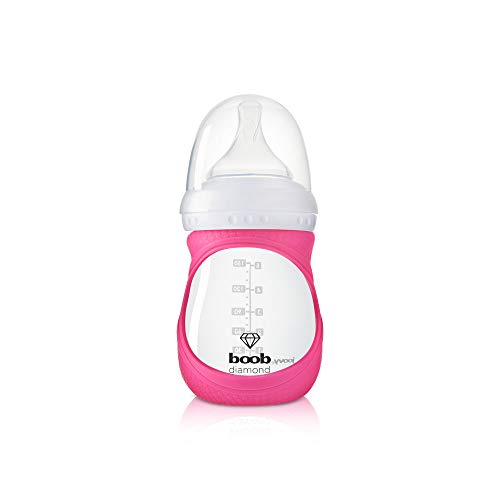
Joovy Boob PPSU Bottle-to-Cup - Stage: 8-15 Months
The Joovy Boob PPSU is a clever product for parents who want a direct bottle-to-cup transition without buying a completely new product. The Boob system uses interchangeable lids - you start with the nipple lid for bottle feeding, then swap to the training spout lid or straw lid as baby progresses. PPSU is a premium, hospital-grade plastic that's BPA-free, heat-resistant, and highly durable.
Where it shines
- Interchangeable lids allow bottle-to-cup progression without new purchase
- PPSU is premium, BPA-free, and highly heat-resistant
- Familiar body shape reduces cup rejection during transition
Where it falls short
- Requires investment in multiple lid types for full benefit
- Less widely available than mainstream brands at retail
Before you buy
Match the cup to the stage
- the biggest mistake parents make is buying a cup designed for a different developmental stage. A 360-degree cup that requires mature suction understanding will frustrate a 5-month-old. Match the flow resistance and spout type to where your baby actually is.
Soft to firm spout progression
- start ultra-soft (4-6 months), move to orthodontic spout (6-9 months), progress to 360-degree rim or straw (9-18 months). This mirrors the development of oral motor strength and coordination.
BPA-free materials
- all five products above are BPA-free. Also check for BPS and phthalate-free claims, especially for youngest babies whose immune systems are still developing.
Easy disassembly for cleaning
- cups with complex valves need full disassembly after every use to prevent mold. Choose designs with as few parts as possible if thorough daily cleaning isn't realistic.
Size appropriate to the stage
- 2-4oz for early introduction (wastes less), 5-8oz as drinking ability improves, 10oz+ only once real consumption begins.
The wrap-up
If you're starting from scratch and want one cup per stage: begin with the **Philips Avent My Natural Starter Cup** at 4-6 months, progress to the **NUK FC Learner Cup** at 6-9 months, and transition to the **Munchkin Miracle 360** from 9 months onward. That three-cup sequence covers the entire first year-and-a-half of cup development. The **Joovy Boob** is the best pick if you're already in the Joovy ecosystem and w
Quick answers
Most pediatricians recommend introducing a cup around 6 months, when babies typically start solids. However, you can offer a soft-spout or open cup as early as 4 months for exploration. The priority at this stage is building familiarity and oral motor skills, not actual hydration - breast milk or formula remains primary until 12 months.
The typical progression moves from bottle (newborn-6 months) → soft-spout starter cup (4-8 months) → open cup or soft straw cup (6-12 months) → 360-degree training cup or straw cup (9-15 months) → regular open cup with handles (12-18 months). Every baby moves at their own pace; the stages overlap and there's no hard schedule to follow.
The American Academy of Pediatrics recommends transitioning away from sippy cups by around 18-24 months, moving toward open cups. Extended sippy cup use has been linked to dental issues and delayed oral motor development. Introducing open cup practice early - even as a side activity from 6 months - makes this transition much easier.
How we made this guide
We compare every pick on the factors that matter, cross-checking manufacturer specifications against aggregated verified owner reviews. We rank independently and never take payment for placement. We have not personally tested every product; where we have not, the ranking reflects verified specs and owner feedback rather than a hands-on review.
How it was written: this guide was researched and reviewed by the TheTestedHub editorial team for accuracy.
Affiliate disclosure: TheTestedHub is reader-supported. When you buy through links on our site, we may earn a commission at no extra cost to you.
More to explore

Cetaphil Baby Lotion for Sensitive Skin Care

10 Childrens Health Products That Actually Work

Build a Love of Reading: 2026’s Best Children’s Books

Why Simple Baby Skincare Wins Every Time

What’s the Best Baby Skin Care? 2026 Top Pick Plus Expert Tips

Baby Health Essentials: Braun ThermoScan 7+ and More

Expert-Recommended Baby Furniture: Top Convertible Cribs for Growth
