Quick verdict
The most effective angular cheilitis protocol combines Lotrimin Ultra topically (twice daily) with Solgar B-Complex 100 and zinc picolinate to address both causes at once, then Aquaphor to protect and soothe healing tissue. ChapStick Total Hydration maintains results after healing is complete. Most cases show significant improvement within 2 weeks and full resolution within 4 weeks with this combined approach. If not
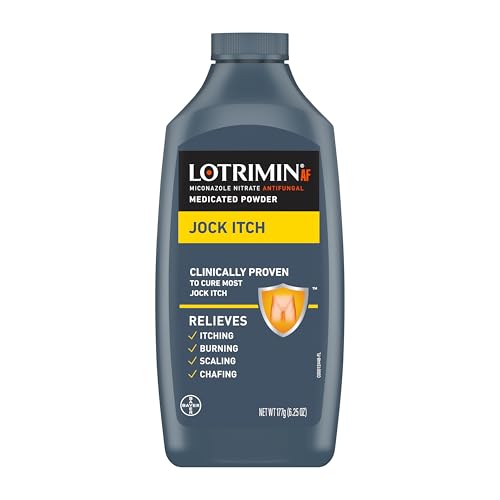
Lotrimin Ultra Antifungal Cream (Butenafine HCl)
Lotrimin Ultra uses butenafine hydrochloride 1%, an allylamine antifungal that is more potent and faster-acting than clotrimazole-based creams. When Candida is the culprit behind angular cheilitis, a topical antifungal applied consistently to the corners twice daily is the most direct treatment available over the counter.
Check price on Amazon →Struggling with painful mouth corner cracks? Our guide covers proven antifungal and nutritional remedies to heal angular cheilitis fast and prevent.
Angular cheilitis – those painful, cracked, sometimes bleeding splits at the corners of the mouth – is more than a cosmetic nuisance. It can make eating, talking, and even smiling uncomfortable. Unlike dry lips, angular cheilitis does not simply resolve with extra chapstick. It requires addressing the actual cause.
Note: These products may help manage symptoms. They are not substitutes for medical treatment. Consult a healthcare provider for persistent or serious conditions.
The two primary causes are fungal infection (Candida) in the moist corner-of-mouth environment, and nutritional deficiency – particularly B vitamins and zinc. An effective treatment protocol tackles both: an antifungal topical while simultaneously correcting any nutrient gaps, then protecting the healed skin from recurrence.
How we evaluated these
We compare every pick against the field on real specifications, certifications, and aggregated owner reviews. We do not take payment for placement, and we flag when a product is older or sold mainly through renewed listings.
The shortlist
| Pick | Best for | Score | |
|---|---|---|---|
| Lotrimin Ultra Antifungal Cream (Butenafine HCl) | Check price | ||
| Solgar B-Complex 100 | B vitamin deficiency correction | Check price | |
| Zinc Picolinate 30mg Supplement | Zinc deficiency treatment | Check price | |
| Aquaphor Healing Ointment | Barrier protection and active healing | Check price | |
| ChapStick Total Hydration with SPF | Long-term lip barrier maintenance | Check price |
Each pick, examined
Lotrimin Ultra Antifungal Cream (Butenafine HCl)
Lotrimin Ultra uses butenafine hydrochloride 1%, an allylamine antifungal that is more potent and faster-acting than clotrimazole-based creams. When Candida is the culprit behind angular cheilitis, a topical antifungal applied consistently to the corners twice daily is the most direct treatment available over the counter.

Solgar B-Complex 100
B vitamin deficiency - specifically riboflavin (B2), niacin (B3), pyridoxine (B6), and cobalamin (B12) - is directly linked to angular cheilitis. The B vitamins are essential for healthy epithelial tissue, and when they are depleted, the delicate skin at the mouth corners is among the first to show signs of deficiency.

Zinc Picolinate 30mg Supplement
Zinc deficiency is the second most common nutritional driver of angular cheilitis after B vitamins. Zinc is essential for wound healing and immune function - low zinc levels impair both the skin's ability to heal and its ability to fight the Candida that causes fungal angular cheilitis. The deficiency and fungal causes therefore reinforce each other.
Aquaphor Healing Ointment
Once antifungal treatment is underway and nutritional gaps are being addressed, a physical barrier ointment is essential for protecting the healing tissue. Aquaphor's petrolatum-based formula seals moisture into the skin while creating a barrier that prevents saliva pooling - the moisture environment that fungal Candida thrives in.

ChapStick Total Hydration with SPF
Once angular cheilitis has healed, maintaining a consistent lip care routine prevents recurrence. ChapStick Total Hydration includes vitamins C and E alongside SPF 15 protection. The UV protection is particularly relevant because sun-damaged lip skin is more prone to cracking at the corners.
Buying considerations
Treat both causes simultaneously
Most angular cheilitis cases involve both a fungal component and a nutritional component. Starting only an antifungal without correcting B and zinc levels often leads to recurrence. The most effective protocol runs the antifungal cream alongside B-complex and zinc supplements from day one.
Keep the area dry
Moisture is the enemy. Lip licking to relieve discomfort actually perpetuates the condition by maintaining the moist environment Candida needs. Aquaphor at the corners reduces the reflex to lick and physically blocks saliva pooling.
Check for ill-fitting dental appliances
Dentures or retainers that cause overclosure - bringing the upper and lower jaw too close together - create deeper corner folds that trap moisture. A dentist should evaluate this if you wear appliances and have recurring angular cheilitis.
Final word
The most effective angular cheilitis protocol combines Lotrimin Ultra topically (twice daily) with Solgar B-Complex 100 and zinc picolinate to address both causes at once, then Aquaphor to protect and soothe healing tissue. ChapStick Total Hydration maintains results after healing is complete. Most cases show significant improvement within 2 weeks and full resolution within 4 weeks with this combined approach. If not
Questions answered
Angular cheilitis has two main causes that often overlap. Fungal overgrowth - most commonly Candida - thrives in the moist skin folds at the mouth corners, especially if saliva pools there. Nutritional deficiencies in B vitamins (especially B2 riboflavin and B12) and zinc are the other major driver. Ill-fitting dentures, braces, or frequent lip licking that creates constant moisture can also contribute.
A dermatologist or doctor can swab the area for culture to confirm fungal involvement. Practically, if lesions appeared after antibiotic use, during periods of immune stress, or if you also have oral thrush (white coating on tongue), fungal cause is more likely. If you have dietary gaps or are vegetarian/vegan with no B12 supplementation, deficiency is a strong contributor - and these causes often overlap.
See a doctor if lesions have not improved after 2 weeks of topical treatment and nutritional supplementation, if the affected area is spreading significantly, if you have accompanying oral thrush, fever, or swollen lymph nodes, or if you have diabetes or a compromised immune system. Prescription-strength antifungals or antibiotics may be needed for persistent cases.
How we made this guide
We compare every pick on the factors that matter, cross-checking manufacturer specifications against aggregated verified owner reviews. We rank independently and never take payment for placement. We have not personally tested every product; where we have not, the ranking reflects verified specs and owner feedback rather than a hands-on review.
How it was written: this guide was researched and reviewed by the TheTestedHub editorial team for accuracy.
Affiliate disclosure: TheTestedHub is reader-supported. When you buy through links on our site, we may earn a commission at no extra cost to you.