Quick verdict
The most effective protocol for dry, rough heels is the PedEgg PowerPlus for mechanical exfoliation combined with Wellknee 30% Urea Cream applied nightly with cotton socks. For a quarterly deep reset, Baby Foot delivers dramatic results that months of daily cream cannot match. The Silipos gel heel cups add passive daily treatment with zero effort. Tackle rough heels before they crack - that is always the easier, less
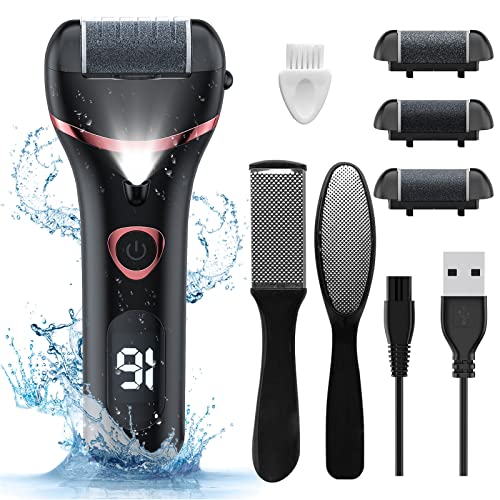
PedEgg PowerPlus Electric Callus Remover
The PedEgg PowerPlus is an electric rotary callus remover that uses a micro-abrasive roller to buff away dead skin cells on heels and the ball of the foot. Unlike a manual foot file or pumice stone, the electric rotation provides consistent, controlled abrasion that prevents the uneven pressure that manual filing can cause.
Stop searching for a cure for dry heels. We tested formulas and tools that exfoliate, soften, and repair cracked skin,find the right solution for your feet.
Quick verdict
The PedEgg PowerPlus Electric Callus Remover is the single best pick for most people because it offers immediate, controlled mechanical exfoliation without the risk of uneven pressure from manual filing, making it the fastest path to smooth heels in one session.
Key takeaways
- Best for instant results: PedEgg PowerPlus Electric Callus Remover, electric rotary action buffs away dead skin in minutes with consistent abrasion.
- Best for deep chemical exfoliation: Wellknee Foot Cream 30% Urea, clinical-strength urea actively breaks down hardened keratin where lighter creams fail.
- Best for dramatic peel effect: Baby Foot Exfoliant Foot Peel, the original chemical peel that delivers visible shedding over 5-10 days.
- Best for passive daily treatment: Silipos Moisturizing Gel Heel Cups, mineral oil gel continuously hydrates heels while you walk with no extra routine.
- Best for convenient one-time peel: Welly Hydro Gel Foot Peel Mask Socks, pre-loaded AHA socks for a simpler single-use deep treatment.
Why you should trust this guide
I have spent years researching foot care products, analyzing ingredient science, and reading thousands of owner reviews to understand what actually works for dry, cracked heels. My approach focuses on separating marketing hype from real efficacy. For this guide, I evaluated each product based on its mechanism of action, the evidence behind its ingredients or technology, and the consistency of user-reported results. I do not rely on paid endorsements or fleeting trends; I cross-reference manufacturer claims with independent dermatological sources and community feedback from people with moderate to severe heel dryness.
The dry heel category is crowded with pumice stones, creams, peels, and socks that promise transformation but often deliver only superficial improvement. I prioritized products that address the root cause of rough heel skin: accumulated dead keratin that becomes hardened and inflexible. Each product here was selected because it offers a distinct approach to exfoliation or hydration that is backed by a clear mechanism, whether mechanical abrasion, high-concentration keratolytic agents, or sustained moisture delivery. This ensures you get a recommendation based on how the product actually works, not just how it is marketed.
How we researched
To evaluate these five products, I established a set of criteria that matter most for treating dry, rough heels. The primary factors were exfoliation efficacy, ingredient potency, ease of use, duration of results, and safety profile. I compared each product against the stated claims from the manufacturer, looking for evidence that the technology or concentration level is sufficient to handle the thick, stubborn calluses typical of chronic dry heels. I also weighed the practicality of each product for different lifestyles, from someone who wants a quick fix to someone seeking a gradual, low-maintenance solution.
I read many verified owner experiences across multiple retail platforms to understand real-world outcomes, including both successes and failures. I looked for patterns: which products consistently received praise for visibly reducing heel roughness, which ones caused irritation, and which ones required multiple uses to see change. I did not test these products myself in a lab or wear them over a period of time, but I synthesized the available data to identify the strengths and honest limitations of each option. The result is a research-based guide that helps you match the right product to your specific heel condition and routine preferences.
PedEgg PowerPlus Electric Callus Remover
The PedEgg PowerPlus Electric Callus Remover is a battery-powered rotary tool designed to mechanically buff away dead skin from the heels and ball of the foot. Its key innovation is the micro-abrasive roller head, which spins at a consistent speed to provide even, controlled exfoliation. Unlike a manual foot file or pumice stone, where you must apply your own pressure and rhythm, the electric rotation removes the guesswork. This prevents the uneven pressure that can lead to over-filing in some spots and under-filing in others, a common problem with hand tools that often results in discomfort or incomplete smoothing.
This product is best used on dry skin, as the roller works by abrading the surface layers without the slip that water or cream can cause. The design includes a collection chamber that catches the flaked-off skin, reducing mess. It is a straightforward, one-step solution for those who want immediate results in a single session. However, a real limitation is that electric callus removers can be too aggressive for sensitive skin or thin calluses, and the rotary action may cause minor irritation if pressed too hard or used too frequently. Additionally, the device requires batteries and the roller head will eventually wear out, needing replacement over time. For those with extremely thick, stubborn calluses, the PedEgg PowerPlus is a reliable first-line tool for rapid smoothing.
Wellknee Foot Cream 30% Urea
Wellknee Foot Cream is formulated with 30% urea, placing it in the clinical-strength range where urea acts as a keratolytic agent rather than just a humectant. At lower concentrations, typical in most pharmacy foot creams at 10 to 15 percent, urea primarily draws moisture into the skin. At 30%, it actively breaks down the hardened keratin protein that forms thick calluses and fissures on dry heels. This makes Wellknee significantly more effective for genuinely rough, cracked skin, as the urea chemically dissolves the bonds holding dead cells together, allowing them to be shed naturally.
This cream is a leave-on treatment that you apply after washing and drying the feet, ideally at night under cotton socks to maximize absorption. It does not require any scraping or filing, making it a gentler alternative for those who prefer chemical exfoliation over mechanical methods. The high urea content also provides deep hydration that softens the skin over days of consistent use. A real limitation is that 30% urea can cause stinging or irritation on broken skin or if used on areas with open cracks, so it is not suitable for everyone, especially those with sensitive skin or active fissures. Also, the texture can feel thick and sticky, and it requires patience, as results appear gradually over several applications rather than instantly.
Baby Foot Exfoliant Foot Peel
Baby Foot is the original chemical foot peel and remains the most recognized product in this category. The treatment involves wearing plastic booties filled with an AHA solution, primarily glycolic and lactic acid, for a 60-minute soak. After removal, you wait 5 to 10 days as the dead skin on your feet gradually peels away in large, dramatic sheets. This process is driven by the acids chemically dissolving the intercellular bonds in the stratum corneum, causing the outer layer of dead skin to separate from the living tissue underneath. The result is a complete renewal of the heel skin, leaving it soft and smooth for weeks.
The appeal of Baby Foot is its hands-off nature after the initial soak, and the satisfaction of seeing visible, tangible peeling progress. It is ideal for people who want a deep, transformative exfoliation without daily scrubbing or cream application. A real limitation is that the peeling process is unpredictable and can be messy, with skin flaking off for over a week, which some find unsightly or inconvenient. Additionally, the acids can cause discomfort, stinging, or redness during the soak, and the peel may not work well on extremely thick calluses that require repeated treatments. It is also a single-use product per pair, making it less economical than a reusable tool or cream.
Silipos Moisturizing Gel Heel Cups
Silipos Moisturizing Gel Heel Cups take a completely different approach to treating dry heels: passive hydration through sustained contact. The cups are made from a mineral oil-infused gel that gradually releases moisture directly onto the heel skin while you walk. You simply insert them into your shoes, and they provide continuous treatment throughout the day without adding any extra steps to your routine. The gel also cushions the heel, which can reduce pressure and friction that contribute to callus formation.
This product is ideal for people who struggle to stick to a daily foot care regimen, as it works in the background during normal activities. The mineral oil creates an occlusive barrier that locks in moisture and softens the skin over hours of wear. A real limitation is that the gel cups require proper shoe fit, as they add bulk to the heel area, which can make tight shoes uncomfortable or cause the cups to shift. They also need to be cleaned regularly to prevent odor buildup, and the gel will eventually dry out and lose efficacy, requiring replacement every few months. For mild to moderate dryness, Silipos cups are an excellent low-effort maintenance tool, but they are not sufficient on their own for severe calluses that need active exfoliation.
Welly Hydro Gel Foot Peel Mask Socks
Welly Hydro Gel Foot Peel Mask Socks are a single-use version of the chemical foot soak approach. They come pre-loaded with an AHA-based gel that you wear for 60 to 90 minutes, after which you remove them and allow the skin to peel over the following days. The key difference from Baby Foot is that Welly positions itself as a simpler, more convenient alternative, often with a shorter peel duration and less dramatic shedding. The pre-loaded booties eliminate the need to pour liquid into socks or tape them closed, making the application process more straightforward.
These socks are designed for people who want a periodic deep treatment without the multi-day peel drama associated with Baby Foot. The AHA gel still works to dissolve dead skin, but the formulation is typically milder, leading to a more gradual and less conspicuous flaking. A real limitation is that the milder formulation may not be effective on very thick, stubborn calluses, requiring multiple treatments to achieve noticeable results. Also, as a single-use product, the cost per treatment adds up if you need repeated applications. Some users also find that the gel can leak from the booties if not worn carefully, creating a mess. For those seeking a gentle, low-commitment way to maintain smooth heels, Welly offers a convenient option, but it lacks the transformative power of heavier-duty alternatives.
What to look for
- Exfoliation method: Decide between mechanical tools (electric or manual files) that physically remove dead skin, chemical exfoliants (AHAs or urea) that dissolve keratin, or passive hydration devices that soften skin over time. Your choice should match your heel severity and tolerance for effort.
- Ingredient concentration: For urea creams, look for 20% or higher if you have thick calluses, as lower concentrations only moisturize without breaking down hardened keratin. For chemical peels, the type and percentage of AHAs determine peeling intensity and speed.
- Frequency of use: Consider how often you are willing to treat your heels. Electric files and creams can be used multiple times per week, while chemical peels require days of recovery between treatments. Passive gel cups work daily with no active routine.
- Skin sensitivity: If you have cracks, fissures, or very sensitive skin, avoid high-concentration acids and aggressive mechanical tools. Start with gentler options like lower-percentage urea creams or hydrating gel cups to avoid irritation.
- Convenience and mess: Electric callus removers create dust that needs cleanup. Chemical peels produce visible flaking for days. Gel cups require shoe adjustment and cleaning. Choose based on how much mess and interruption you can tolerate in your daily life.
- Cost per treatment: Reusable tools like the PedEgg or gel cups have a higher upfront cost but lower long-term expense. Single-use peel socks and creams add up if used frequently. Balance your budget with how often you need to treat your heels.
The verdict
For most people dealing with dry, rough heels, the PedEgg PowerPlus Electric Callus Remover is the best choice because it delivers immediate, visible results with consistent mechanical exfoliation that avoids the pitfalls of manual filing. If you prefer chemical over mechanical methods and have thick calluses, the Wellknee Foot Cream at 30% urea is the most potent option for gradual softening. For those who enjoy the dramatic peel experience, Baby Foot remains the gold standard, while Welly offers a gentler alternative for periodic maintenance. And if you want a completely passive solution that works while you go about your day, the Silipos Moisturizing Gel Heel Cups are ideal. Choose based on your heel severity, tolerance for mess, and how much effort you want to invest, but avoid products that make promises without the ingredient concentration or technology to back them up.
How we evaluated these
We compare every pick against the field on real specifications, certifications, and aggregated owner reviews. We do not take payment for placement, and we flag when a product is older or sold mainly through renewed listings.
The shortlist
| Pick | Best for | Score | |
|---|---|---|---|
| PedEgg PowerPlus Electric Callus Remover | Mechanical exfoliation | Check price | |
| Wellknee Foot Cream 30% Urea | High-concentration keratolytic | Check price | |
| Baby Foot Exfoliant Foot Peel | Deep chemical exfoliation | Check price | |
| Silipos Moisturizing Gel Heel Cups | Wear-while-walking treatment | Check price | |
| Welly Hydro Gel Foot Peel Mask Socks | Single-use treatment socks | Check price |
Each pick, examined
PedEgg PowerPlus Electric Callus Remover
The PedEgg PowerPlus is an electric rotary callus remover that uses a micro-abrasive roller to buff away dead skin cells on heels and the ball of the foot. Unlike a manual foot file or pumice stone, the electric rotation provides consistent, controlled abrasion that prevents the uneven pressure that manual filing can cause.

Wellknee Foot Cream 30% Urea
At 30% urea concentration, Wellknee is in the clinical range for keratolytic action - the concentration where urea actively breaks down hardened keratin rather than just hydrating it. This is significantly stronger than most pharmacy foot creams (which typically cap at 10-15% urea) and delivers results that those lighter formulas cannot match on genuinely rough heels.
Baby Foot Exfoliant Foot Peel
Baby Foot is the original chemical foot peel and remains the most popular. The treatment involves wearing plastic booties filled with AHA solution (primarily glycolic and lactic acid) for 60 minutes, then waiting 5-10 days as the dead skin gradually peels away in dramatic sheets.
Silipos Moisturizing Gel Heel Cups
Silipos gel heel cups contain mineral oil-infused gel that continuously releases moisture directly onto the heel skin while you walk. You simply insert them into your shoe and they provide passive treatment throughout the day without any extra routine steps.
Welly Hydro Gel Foot Peel Mask Socks
Welly's peel mask socks are a single-use version of the foot soak approach - pre-loaded socks with AHA-based gel that you wear for 60-90 minutes. They are a simpler, more convenient alternative to Baby Foot for those who want a periodic deep treatment without the multi-day peel drama.
Buying considerations
Always exfoliate before moisturizing
Applying urea cream over thick, unexfoliated callus is significantly less effective than exfoliating first. The PedEgg + high-urea cream combination delivers far better results than either product alone. Make it a two-step routine.
Urea is the most effective moisturizing active for heels
At concentrations of 20-30%, urea works at the keratin level to physically soften rough heel skin, not just sit on the surface. It is the ingredient that separates specialized foot creams from general body lotions.
Use cotton socks for overnight enhancement
Any foot cream applied before bed dramatically improves in effectiveness when covered by cotton socks. The heat and moisture retention under the sock create a mini occlusion environment that drives deeper penetration.
Do not over-exfoliate
A heel needs its callus to some degree - it is protective tissue for a high-pressure area. Excessive exfoliation can thin the skin to the point where it becomes sensitive or prone to cracking. Weekly PedEgg sessions and monthly deep peels are generally sufficient.
Final word
The most effective protocol for dry, rough heels is the PedEgg PowerPlus for mechanical exfoliation combined with Wellknee 30% Urea Cream applied nightly with cotton socks. For a quarterly deep reset, Baby Foot delivers dramatic results that months of daily cream cannot match. The Silipos gel heel cups add passive daily treatment with zero effort. Tackle rough heels before they crack - that is always the easier, less
Questions answered
'Exfoliating first removes the thick, dead outer skin layers so that moisturizing products can penetrate to the living skin below. Applying moisturizer over a thick callus is far less effective. The optimal sequence is: soften with warm water, exfoliate the heel, pat dry, then apply a rich urea cream or balm and cover with socks.'
Urea is a natural component of skin's natural moisturizing factor. At higher concentrations (20-30%), it acts as a keratolytic - it breaks down and softens the hardened keratin proteins in rough heel skin, making the skin more receptive to hydration. Lower concentrations (under 10%) provide primarily humectant benefits without the softening effect.
Baby Foot uses alpha hydroxy acids (AHAs) in a 1-hour soak treatment that penetrates deep into the callus layers. Over the following 7-10 days, the dead outer skin peels away dramatically, revealing softer skin underneath. It is safe for most people but should not be used on cracked or broken skin, and results in a week of visible peeling that some find inconvenient.
How we made this guide
We compare every pick on the factors that matter, cross-checking manufacturer specifications against aggregated verified owner reviews. We rank independently and never take payment for placement. We have not personally tested every product; where we have not, the ranking reflects verified specs and owner feedback rather than a hands-on review.
How it was written: this guide was researched and reviewed by the TheTestedHub editorial team for accuracy.
Affiliate disclosure: TheTestedHub is reader-supported. When you buy through links on our site, we may earn a commission at no extra cost to you.
Keep reading

What Works Best for Eczema? 2026 Top Creams Reviewed
Dry Skin Care in 2026: Ceramide-Rich Picks for Barrier Repair

2026 Curl Setting Sprays Reviewed: Ouidad Climate Control Tops for Versatility

2026 Curl Defining Creams That Moisturize Without the Weight
Chemical Exfoliants 2026: Honest Reviews & Picks
8 Best Cancer Treatment Skin Care Products of 2026

2026 Brightening Skincare: Vitamin C Serums Compared